This evolution reflects a broader industry trend where "speed to market" is the primary metric of success for content creators. By integrating generative artificial intelligence (AI), advanced editing suites, and robust contributor compensation models, the platform aims to address the three core pillars of modern digital work: financial viability, creative flexibility, and workflow optimization.
The Evolution of the Digital Asset Marketplace
To understand the current state of Shutterstock’s offerings, it is necessary to examine the company’s trajectory within the digital media landscape. Founded in 2003 by Jon Oringer with a starting collection of 30,000 of his own images, Shutterstock pioneered the subscription-based model for stock photography. This model disrupted the traditional "per-image" licensing fees that dominated the early 2000s, democratizing access to high-quality visuals for small businesses and independent bloggers.
Over the subsequent two decades, the company reached several critical milestones that set the stage for its current creator-centric focus:

- 2012: The company went public on the New York Stock Exchange (NYSE: SSTK), signaling its dominance in the market.
- 2014-2019: Expansion into video (Shutterstock Video) and music (Shutterstock Music), alongside the acquisition of high-end editorial agencies like Rex Features and the celebrity news site Splash News.
- 2021-2023: A strategic pivot toward Software-as-a-Service (SaaS) and AI. Acquisitions of PicMonkey (an online photo editor), Pond5 (the world’s largest video marketplace), and GIPHY (the leader in GIF-based communication) transformed the platform into a comprehensive creative suite.
- 2024: Integration of ethically sourced generative AI tools, developed in partnership with industry leaders like OpenAI and LG.
Today, the platform hosts over 700 million images and more than 50 million video clips, serving a global user base that ranges from freelance social media managers to Fortune 500 marketing departments.
Monetization and the Contributor Ecosystem
For many professionals, Shutterstock serves as a primary or secondary revenue stream rather than just a source of assets. The Shutterstock Contributor Program has paid out over $1 billion to its global community of artists since its inception. This ecosystem is particularly vital in a landscape where traditional freelance photography and videography opportunities can be inconsistent.
The Tiered Compensation Model
Shutterstock employs a transparent, tiered royalty structure for its contributors. Earnings are based on a "Level" system (Levels 1 through 6) for each media type (images and videos). As a contributor’s lifetime earnings or annual download count increases, they move up the levels, earning a higher percentage of the sale price.
- Level 1: 15% royalty on downloads.
- Level 6: Up to 40% royalty on downloads.
This system incentivizes high-volume, high-quality production. Furthermore, the platform provides contributors with "Shot List" briefs—data-driven requests that inform artists about exactly what types of content are currently under-represented in the library but in high demand by buyers.

The Contributor Fund and Ethical AI
A significant point of differentiation in Shutterstock’s monetization strategy is the "Contributor Fund." As AI companies began scraping the internet for training data, legal and ethical concerns arose regarding artist compensation. Shutterstock addressed this by launching a fund that compensates artists whose work is used to train the platform’s generative AI models. This proactive stance on intellectual property has been cited by industry analysts as a benchmark for ethical AI integration, ensuring that the transition to automated content generation does not disenfranchise the human creators who made the technology possible.
The Creative Flow Ecosystem: Customization at Scale
The "Customize" aspect of the platform is anchored by "Shutterstock Creative Flow," a suite of online design tools launched to compete with standalone graphic design platforms. The primary goal of Creative Flow is to eliminate "app switching"—the time-consuming process of downloading an asset from one site and uploading it to a separate editing program like Adobe Photoshop or Canva.
Integrated Design Tools
The suite includes several key features:
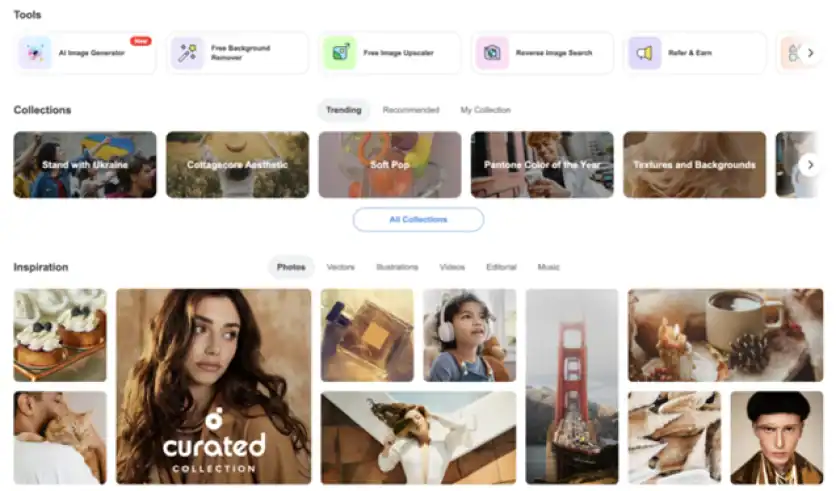
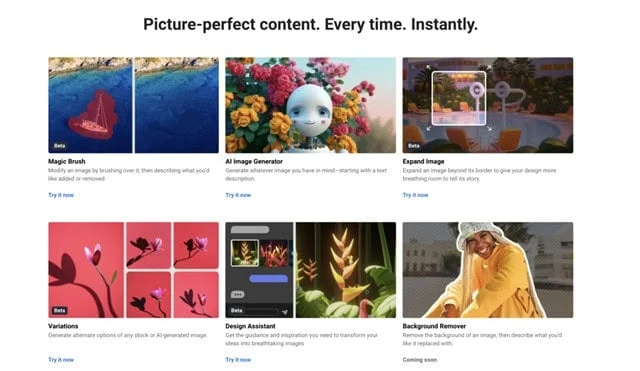
- Shutterstock Editor: A browser-based design tool that allows users to apply filters, add text overlays, and resize images for specific social media dimensions (e.g., Instagram Stories, LinkedIn banners) without losing resolution.
- AI Image Generator: Powered by OpenAI’s DALL-E technology but trained exclusively on Shutterstock’s licensed library. This ensures that the generated images are "commercially safe" and do not violate copyright laws—a critical requirement for corporate creators.
- Background Remover: A one-click AI tool that isolates subjects, a feature essential for e-commerce product listings and influencer marketing.
- Brand Kit: A centralized hub where creators can store their specific brand colors, fonts, and logos. This ensures that every piece of content generated within the platform remains consistent with the user’s visual identity.
Data-Driven Creativity with "Predict"
One of the more advanced features within the ecosystem is "Shutterstock Predict." This tool uses AI to analyze billions of data points regarding how specific colors, themes, and compositions are performing across different social media platforms. For example, if data shows that "minimalist outdoor photography with teal accents" is trending in the travel sector, the Predict tool will suggest assets that match those criteria. This shifts the creative process from guesswork to a data-informed strategy.

Workflow Optimization and Speed
For modern content creators, time is the most valuable currency. The platform has introduced several "Smart Features" designed to reduce the friction of the creative process.
Intelligent Search and Cataloging
Shutterstock’s search engine utilizes computer vision and natural language processing. Creators can search not just by keyword, but by "style," "mood," or even "visual similarity." By uploading a reference image, a user can find assets with similar color palettes and compositions within seconds.
Collaboration and Asset Management
The "Collections" feature allows teams to organize assets into shared folders, facilitating real-time collaboration. This is particularly useful for agencies where multiple stakeholders must approve visuals before they are licensed. Furthermore, the integration of GIPHY and Pond5 assets directly into the search results means that a creator can source a background track, a 4K drone shot, and an animated sticker for a single project from a single search bar.
Broader Impact and Industry Analysis
The transformation of Shutterstock reflects a broader "democratization of design." By lowering the barrier to entry for high-quality production, the platform has empowered a new generation of "solopreneurs"—individuals who manage their own branding, marketing, and content production without the need for an expensive creative staff.

Competitive Landscape
Market analysts note that Shutterstock’s primary competition has shifted. While it still competes with Getty Images in the high-end editorial and enterprise space, its new suite of tools places it in direct competition with Adobe Creative Cloud and Canva. Shutterstock’s advantage lies in its "Content + Tool" integration. While Adobe offers superior tools and Canva offers superior ease of use, Shutterstock offers a massive, pre-integrated library of licensed content that is legally indemnified for commercial use.
Ethical Implications of AI in Content Creation
As the industry moves toward AI-assisted creation, the "human-in-the-loop" model becomes essential. Shutterstock’s insistence on using licensed data for AI training and providing a pathway for contributor compensation addresses the primary criticism of generative technology. This approach not only protects the company from the legal challenges currently facing other AI firms but also preserves the quality of its library by maintaining a healthy relationship with the photographers and videographers who provide the raw data.
Conclusion
Shutterstock has effectively repositioned itself as an essential utility for the digital age. By bridging the gap between a marketplace and a production studio, it addresses the multifaceted needs of the modern creator. Whether it is a photographer looking to monetize their archive, a social media manager needing to produce ten posts in an hour, or a corporate brand requiring legally safe AI-generated visuals, the platform provides a unified solution.
As the creator economy continues to expand, the demand for platforms that offer speed, monetization, and customization will only intensify. Shutterstock’s strategic investments in AI and workflow integration suggest that it will remain a central player in how the world’s visual stories are told, sold, and shared. For creators, the message is clear: the future of content creation is not just about having the best assets, but about having the most efficient ecosystem in which to use them.