In the rapidly evolving landscape of digital content creation, the question of intellectual property security has become a cornerstone of corporate risk management. As businesses transition toward more visual-centric marketing strategies, the reliance on third-party stock media agencies has intensified. Among the industry’s major players, Depositphotos has established itself as a significant repository for high-quality visual assets. However, for creative directors, legal departments, and independent designers, the primary concern remains the safety—both technical and legal—of procuring and utilizing these assets in commercial environments.
The Legal and Safety Architecture of Depositphotos
To assess the safety of Depositphotos, one must first examine the legal framework that governs its operations. Established in 2009, the agency operates primarily on a Royalty-Free (RF) licensing model. This model is designed to provide users with a broad range of usage rights while protecting the intellectual property of the original creator.
Safety in the context of stock photography is defined by two primary factors: the legitimacy of the license and the indemnification provided by the agency. Depositphotos mandates that all contributors submit model releases for any recognizable person in an image and property releases for private locations. This vetting process is a critical safety net for users, as it mitigates the risk of personality rights or privacy lawsuits. Furthermore, the platform provides a legal guarantee, often referred to as indemnification. For users purchasing a standard license, the agency typically offers a financial protection cap against copyright claims, provided the image is used within the scope of the agreement.
A Chronological Evolution of the Platform
The trajectory of Depositphotos reflects its commitment to maintaining a secure and professional marketplace. Understanding its history provides context for its current reliability.
- 2009: Founded by Dmitry Sergeev in Kyiv, Ukraine, the platform entered a market dominated by early pioneers like Getty Images and Shutterstock.
- 2011: The library reached 5 million files, signaling rapid adoption by global contributors and a rigorous initial vetting system.
- 2013: Depositphotos introduced video content and advanced search algorithms, enhancing user experience while maintaining strict metadata standards.
- 2016: The launch of enterprise-level solutions provided customized legal protections for large corporations with higher risk profiles.
- 2021: In a landmark industry move, Depositphotos was acquired by Cimpress, the parent company of Vistaprint, for approximately $85 million. This acquisition integrated Depositphotos into a multi-billion dollar global ecosystem, significantly bolstering its financial stability and legal backing.
- 2024: The platform now hosts over 300 million files, supported by a network of 100,000 contributors and a client base exceeding 43 million users worldwide.
Supporting Data and Market Position
The safety of a stock agency is often correlated with its market scale and financial health. In the global stock photo market—estimated to be worth over $4 billion—Depositphotos is consistently ranked within the "Big 5" agencies.

Data indicates that the platform’s library growth has been exponential, moving from 100 million assets in 2019 to over 300 million by 2024. This growth is not merely a volume increase but a reflection of a sophisticated ingestion pipeline. Industry reports suggest that only a fraction of submitted content is accepted, as the agency employs both AI-driven and human-led moderation to ensure technical quality and legal compliance.
Furthermore, the platform’s global reach is supported by 24/7 customer service in 26 languages. This infrastructure is a vital safety component for international businesses that may require immediate clarification on licensing terms across different jurisdictions.
Technical Security and Data Protection
Beyond legal safety, technical security is paramount. Depositphotos utilizes industry-standard encryption protocols to protect user data and financial transactions.
- PCI Compliance: The platform adheres to the Payment Card Industry Data Security Standard (PCI DSS), ensuring that credit card information is handled through secure gateways.
- SSL Encryption: Secure Socket Layer (SSL) technology is employed across the site to prevent data interception during the browsing and checkout processes.
- GDPR Adherence: Following the implementation of the General Data Protection Regulation (GDPR) in Europe, Depositphotos updated its privacy policies to provide users with greater control over their personal data, a move that has standardized its security practices globally.
Vetting Processes and Contributor Standards
The safety of the end-user is directly tied to the integrity of the contributors. Depositphotos employs a multi-tiered vetting process for its 100,000+ contributors. New photographers and illustrators must pass an initial examination, submitting a portfolio for review before being granted upload privileges.
Once a contributor is active, every individual file undergoes a review process. This review checks for:

- Copyright Infringement: Ensuring no visible logos, trademarks, or copyrighted artwork are present without permission.
- Technical Integrity: Verifying that files are free from noise, artifacts, or digital manipulation that could compromise the final product.
- Documentation: Confirming that all necessary model and property releases are attached to the file metadata.
This rigorous filtering process serves as the first line of defense against legal complications for the purchaser.
Comparative Industry Analysis: Standard vs. Extended Licenses
A critical aspect of using Depositphotos safely is understanding the distinction between its licensing tiers. Misuse of an image is the most common cause of legal disputes in the stock industry.
Standard License
The Standard License is sufficient for most digital and print marketing needs, including websites, social media, and advertising. However, it typically limits the print run (often to 500,000 copies) and prohibits the use of the image on products intended for resale, such as t-shirts or mugs.
Extended License
For users intending to use an image as a primary element of a retail product, the Extended License is required. This license removes the print-run limitation and grants the right to use the asset on merchandise. Safety in this context is maintained through the user’s adherence to these specific boundaries; Depositphotos provides clear documentation to help users avoid accidental infringement.
Statements and Reactions from the Professional Community
Market analysts and creative professionals generally regard Depositphotos as a "tier-one" agency. According to industry feedback, the platform’s primary strength lies in its balance between affordability and legal security.

Creative directors often cite the platform’s search filters—which allow for filtering by "editorial" vs. "commercial" use—as a key safety feature. Editorial images, which depict news events or public figures without releases, are clearly marked to prevent users from accidentally using them in commercial advertisements, a mistake that could lead to significant legal liability.
Legal experts in the field of intellectual property have noted that the acquisition by Cimpress has provided an additional layer of "corporate trust." The backing of a publicly traded entity suggests that the agency has the resources to stand by its indemnification promises, a factor that is often missing in smaller, "free" stock photo websites.
Best Practices for Mitigating Legal Risk
While Depositphotos provides a secure environment, the safety of the user also depends on internal protocols. Journalistic and corporate best practices suggest the following steps:
- Archive Licenses: Always download and store the license certificate provided by Depositphotos for every asset used in a project. This serves as proof of purchase in the event of an audit.
- Verify Usage Limits: Before launching a large-scale campaign, the legal department should verify that the projected reach does not exceed the limits of a Standard License.
- Cross-Reference AI Content: As Depositphotos introduces AI-generated imagery, users should review the specific legal protections afforded to AI assets, as the legal landscape for machine-generated art is still evolving in many jurisdictions.
- Avoid "Free" Sites for Commercial Use: Unlike Depositphotos, many free stock sites do not verify model releases, making them significantly higher risk for commercial entities.
Broader Impact and Implications for the Industry
The success and perceived safety of Depositphotos have wider implications for the digital economy. By providing a reliable middle ground between high-cost premium agencies and high-risk free repositories, Depositphotos has democratized access to legal visual content.
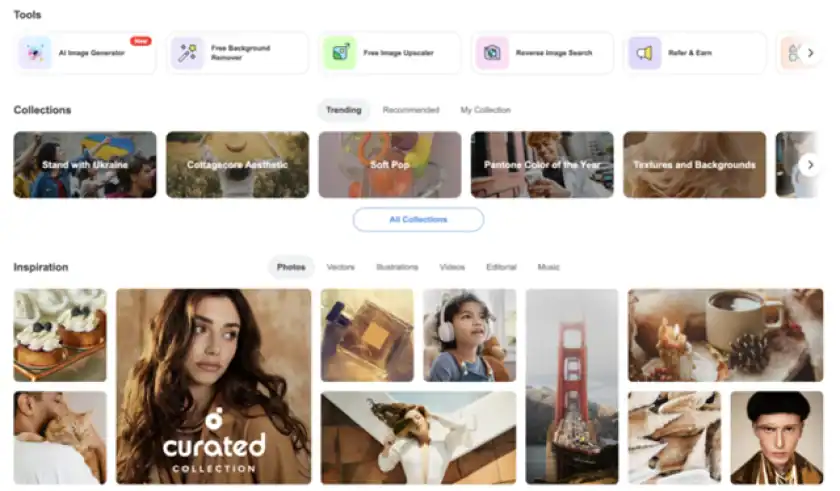
This "safety-first" approach has pressured other agencies to improve their vetting processes and indemnification policies. As the industry moves toward 2025, the integration of AI tools within Depositphotos—such as their AI Image Generator and Upscaler—presents new challenges. The agency’s ability to provide the same level of legal indemnity for AI-generated content as it does for traditional photography will be the next major test of its safety architecture.

Final Assessment
Depositphotos has demonstrated a consistent commitment to user safety through rigorous contributor vetting, secure technical infrastructure, and robust legal indemnification. Its transition from a regional startup to a key asset of a global corporation like Cimpress underscores its reliability. For businesses and creators, the platform offers a secure environment to license media, provided that users remain diligent in selecting the correct license for their specific needs and adhere to the established terms of use. In the contemporary digital market, Depositphotos stands as a legitimate and safe resource for professional-grade stock media.