The world of professional motorsport photography is typically dominated by high-speed, full-frame or APS-C camera systems engineered for rapid-fire bursts and tenacious autofocus tracking. Therefore, the deployment of a medium format camera, specifically the Fujifilm GFX100S II, at a premier MotoGP event like the Circuit of the Americas (COTA) race, represents a deliberate departure from conventional wisdom. This experimental approach aimed to evaluate whether a camera designed for unparalleled image fidelity could adapt to the demanding, fleeting moments of high-octane racing, serving as a testament to the versatility of modern photographic tools and the skill of the operator.
The High Stakes of MotoGP Photography
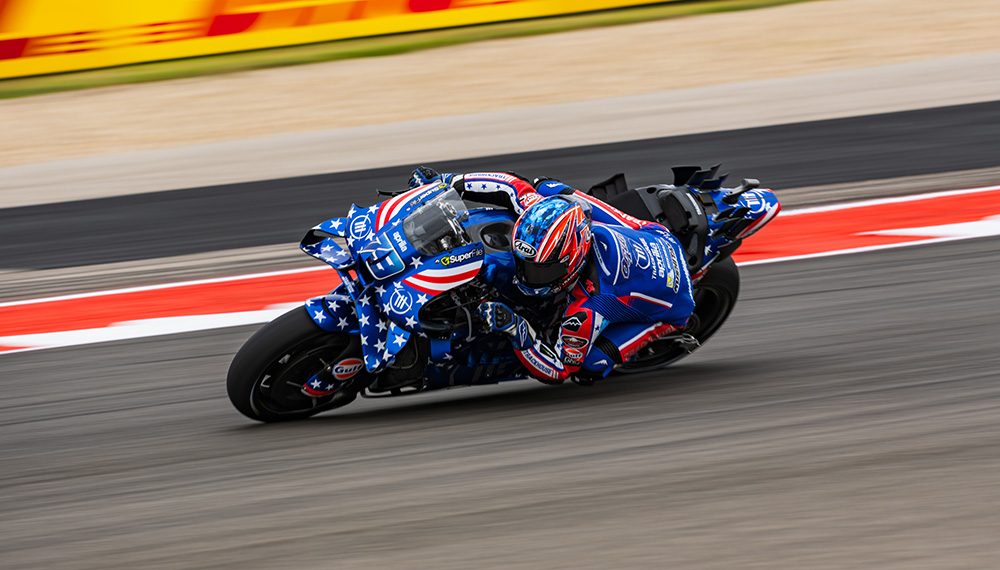
MotoGP, the pinnacle of motorcycle road racing, presents an array of formidable challenges for photographers. Speeds frequently exceed 350 km/h (217 mph), riders lean into corners at extreme angles, often generating G-forces that test both human and machine limits. Capturing these moments requires cameras with exceptional burst rates, sophisticated autofocus systems capable of locking onto fast-moving, often partially obscured subjects, and robust construction to withstand the rigors of trackside environments. Photographers typically rely on flagship mirrorless or DSLR bodies from brands like Canon, Nikon, or Fujifilm’s own X-series, which prioritize speed, buffer depth, and advanced tracking algorithms. The GFX system, with its significantly larger sensor and historically more deliberate shooting cadence, stands in stark contrast to this established norm. Fujifilm itself positions the GFX series for applications demanding maximum image fidelity—studio, landscape, fashion, and fine art—rather than high-speed action. The question, then, was not if it could replace traditional sports cameras, but if it could carve out a unique, impactful role.
Circuit of the Americas: A Home-Track Advantage
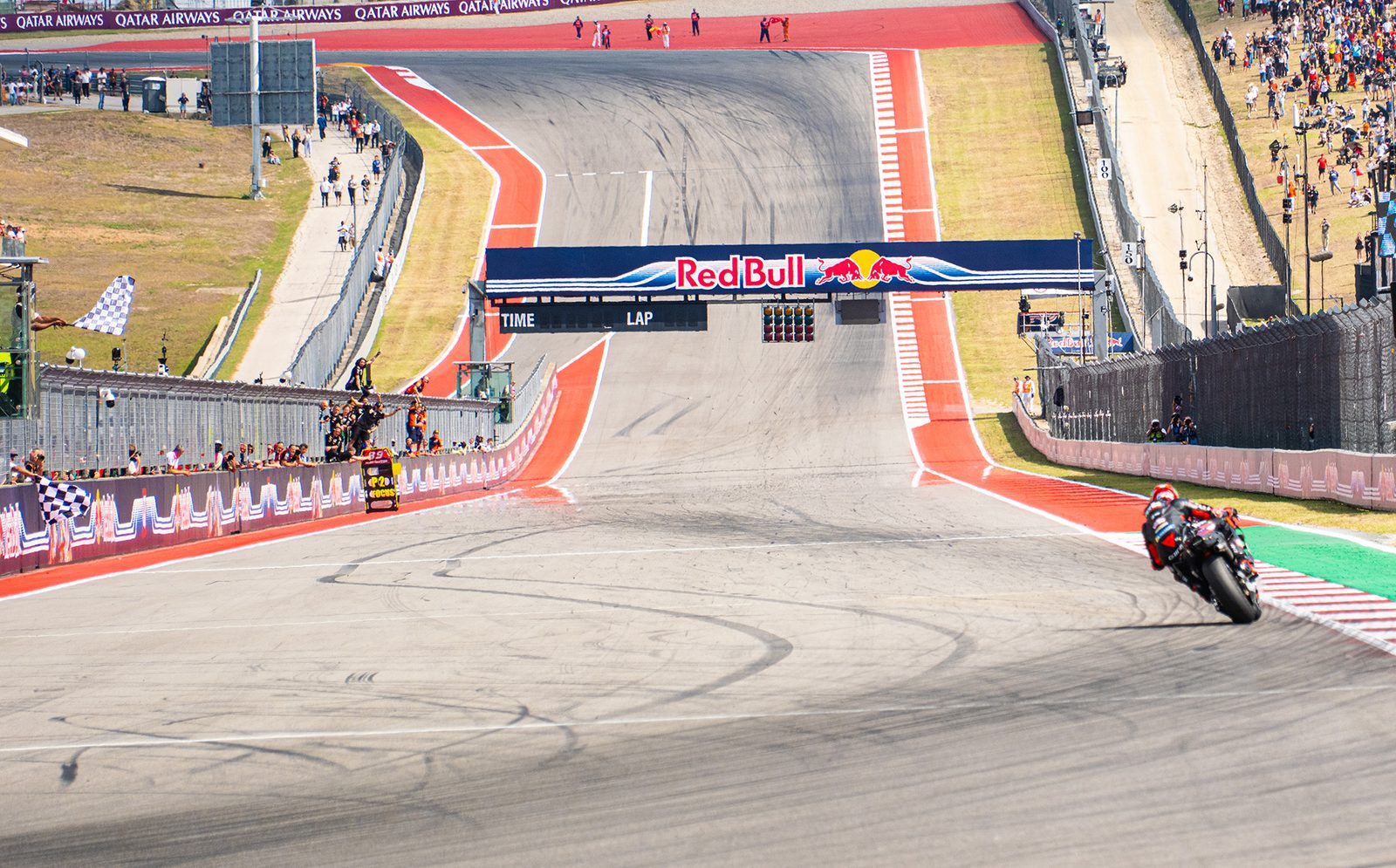
The Circuit of the Americas in Austin, Texas, is renowned for its challenging layout, featuring a dramatic 41-meter (133-foot) elevation change into Turn 1, a series of fast, flowing esses reminiscent of Silverstone or Hockenheim, and tight, technical sections. Its 5.513-kilometer (3.426-mile) length offers diverse photographic opportunities, from wide-angle panoramas of bikes climbing the iconic hill to telephoto compressions of riders navigating the complex back section. For a photographer intimately familiar with COTA – having covered regional track days, Formula 1, MotoAmerica, and prior MotoGP events – this "home court advantage" was critical. Knowing every corner’s line, every marshal post’s location, and every potential shooting angle allows for a more deliberate and considered approach, a necessity when working with a camera like the Fujifilm GFX100S II, which rewards precision over volume. This deep understanding of the track’s dynamics and visual potential enabled the photographer to anticipate key moments, crucial for mitigating the GFX’s inherent speed limitations.
The Core Equipment: GFX100S II vs. X-H2S
The primary objective of this exercise was to compare the GFX100S II’s performance against purpose-built high-speed cameras. For this benchmark, two Fujifilm X-H2S bodies served as the control. The X-H2S is Fujifilm’s flagship APS-C mirrorless camera, specifically engineered for speed. It features a 26.1-megapixel APS-C stacked BSI CMOS sensor paired with the powerful X-Processor 5. This combination delivers exceptional performance, boasting up to 40 frames per second (fps) with its electronic shutter and 15 fps with the mechanical shutter. Crucially for motorsport, its subject-detection autofocus, leveraging deep-learning AI, reliably locks onto motorcycles and riders with impressive tenacity and accuracy, even in complex, fast-moving scenarios.

In direct contrast, the Fujifilm GFX100S II houses a 102-megapixel, 43.8×32.9mm large-format sensor, significantly larger than a full-frame sensor and substantially larger than the APS-C sensor in the X-H2S. While it also benefits from the X-Processor 5, its design philosophy prioritizes resolving power and dynamic range over sheer speed. For this test, the GFX100S II was paired with a single lens, the Fujifilm GF 100-200mm F5.6 R LM OIS WR. Considering the GFX system’s 0.79x crop factor relative to 35mm full frame, this lens provided an effective field of view of approximately 79-158mm. This range proved remarkably versatile, akin to a 50-140mm F2.8 on an X-H2S body, and allowed for coverage across various track sections, from the main straight to the more intricate paddock areas.
Seamless Integration: Custom Settings and Ergonomics
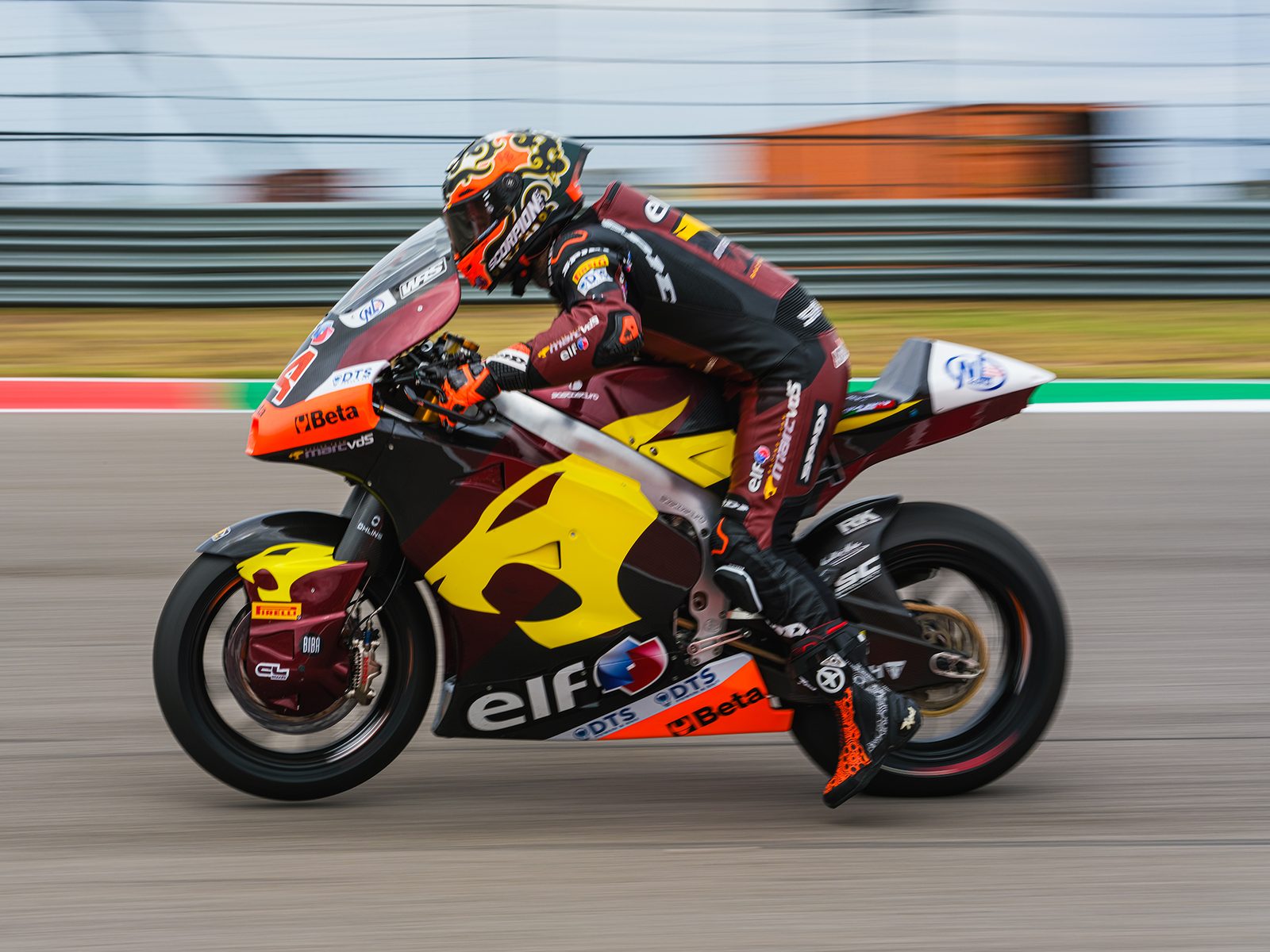
A notable advantage of operating within the Fujifilm ecosystem is the shared menu logic and ergonomic philosophy across its X-series and GFX systems. This consistency significantly streamlined the setup process for the GFX100S II, allowing for relatively straightforward replication of the photographer’s established X-H2S workflow. For trackside action, custom settings C1 and C2 were configured for shutter priority, allowing for precise control over motion blur and freezing action. A dedicated function (FN) button was mapped to C1 recall, enabling instant switching between sharp freeze frames and motion pans—a common technique in motorsport to convey speed. C3 was set to aperture priority for the more static environments of the paddock and grid, where depth of field control is paramount. While the GFX100S II supports six custom positions on its mode dial, facilitating a clean and intuitive workflow, a slight ergonomic difference was noted: the GFX features two FN buttons on top, whereas the X-H2S includes an additional body-side button typically mapped for instant subject-detection AF recall. Despite this minor variation, the overall familiarity with Fujifilm’s interface minimized the learning curve, allowing the photographer to focus on capturing images rather than grappling with unfamiliar controls.
Autofocus Performance: Exceeding Expectations, Yet Distinct
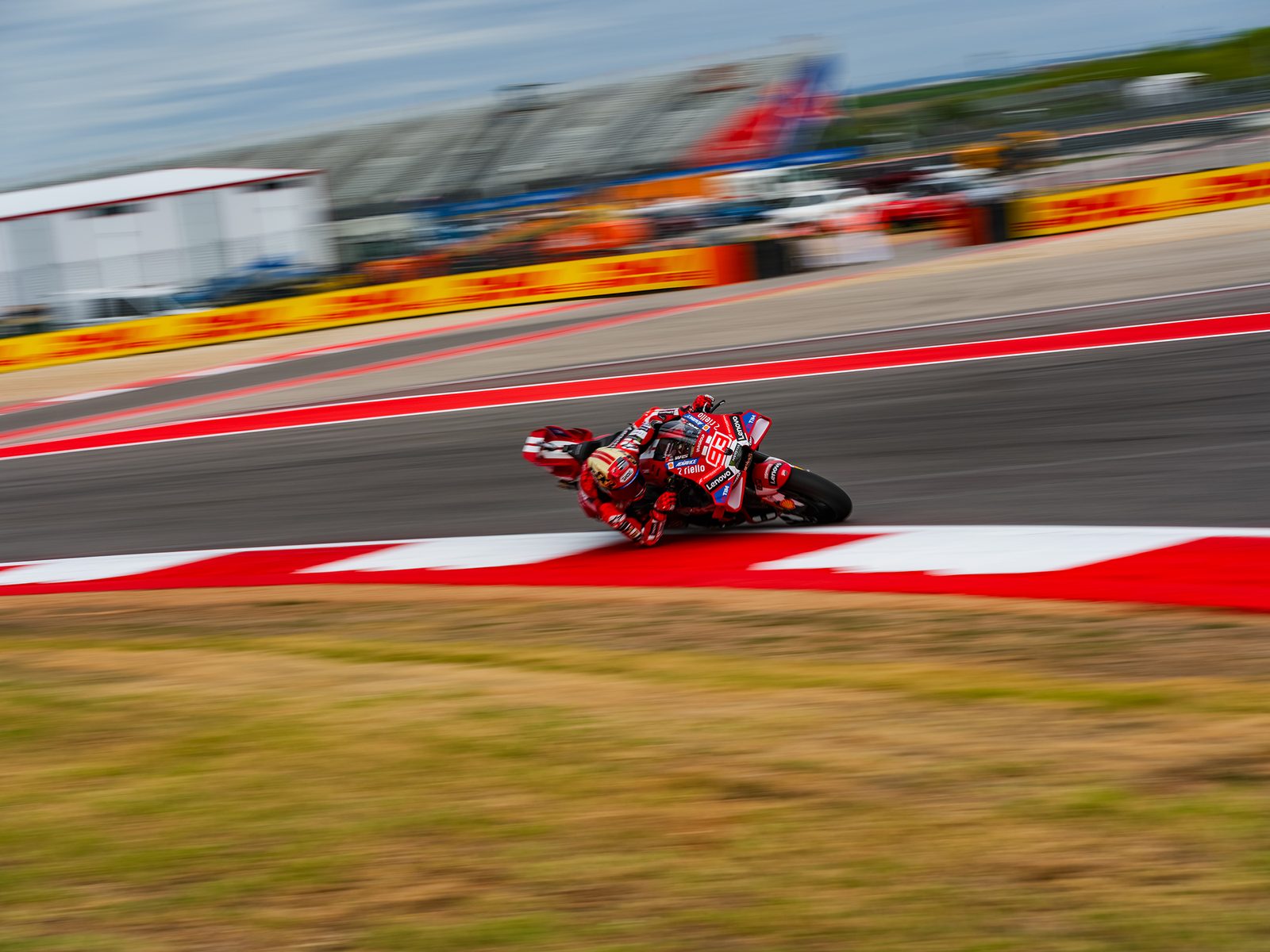
The most significant concern prior to the weekend was the GFX100S II’s autofocus performance under the relentless demands of race conditions. Medium format systems have historically lagged behind their smaller-sensor counterparts in AF speed and tracking capabilities. However, the GFX100S II incorporates a significantly improved AF algorithm over its predecessors, now officially supporting motorcycles and bikes via deep-learning AI, a crucial advancement for this specific application.
In practical deployment, the system performed better than anticipated. It demonstrated reasonable reliability in tracking riders through corners and across varied backgrounds, successfully maintaining focus on subjects moving at high speeds. The subject detection was effective in identifying and locking onto the motorcycles, a critical function given the complex visual environment of a race track.

However, a direct comparison with the X-H2S, even with identical AF-C settings, revealed a distinct difference. The GFX100S II’s autofocus, while competent, was not as "sticky" or responsive as that of the X-H2S. Hit rates were noticeably lower in the most demanding sequences, such as high-speed braking zones where bikes decelerate rapidly and change direction, or when riders entered the frame from the side at extreme velocity. Both cameras share the X-Processor 5 engine, suggesting that the difference likely stems from the fundamental physics of managing a much larger sensor and its associated data streams for real-time AF calculations. The GFX felt a step behind in overall response time and subject retention, a gap that, while not disqualifying the camera for certain shots, is a real operational constraint in a high-volume, high-speed environment where every fraction of a second counts.
The Buffer Wall: A Fundamental Limitation
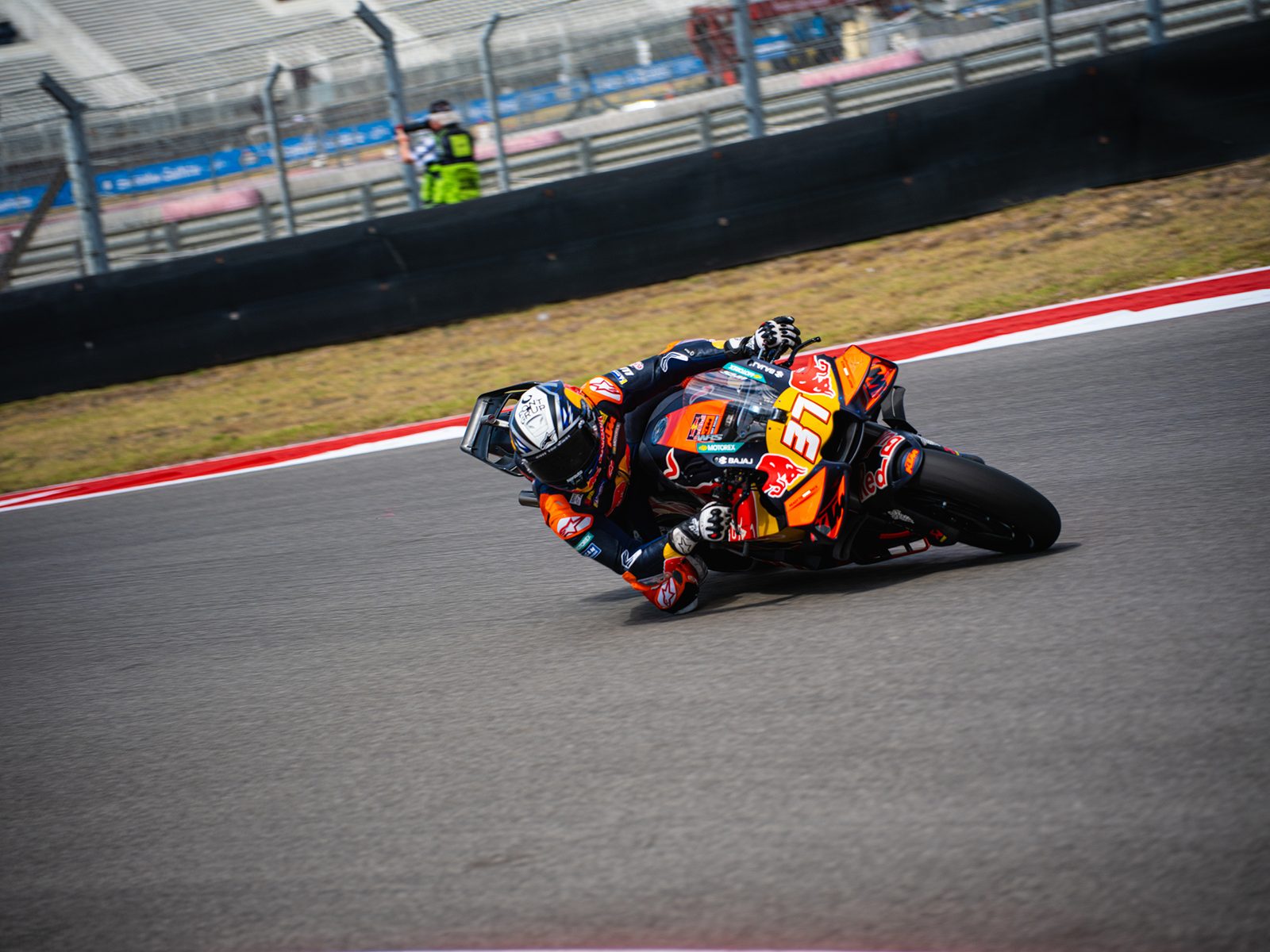
The most tangible practical limitation of using the GFX100S II for high-speed action photography became apparent when confronting its buffer capacity. At its maximum mechanical shutter speed of 7 frames per second, the GFX 100S II generates enormous RAW files – either 14-bit or 16-bit from its 102-megapixel sensor. Even when utilizing high-speed UHS-II media, the buffer fills rapidly. Shooting lossless-compressed RAW files, the camera can capture approximately 19 frames before a noticeable slowdown in burst rate occurs. Opting for uncompressed RAW reduces this capacity further to around 16 frames. While compressed RAW offers a more generous buffer of roughly 30 frames, this still translates to under five seconds of sustained continuous shooting before the camera needs to pause and clear its buffer.
This limitation fundamentally alters the photographic approach. Unlike the "spray and pray" technique often employed with high-speed sports cameras, the GFX100S II demands a more deliberate, anticipatory, and precise method. Photographers must meticulously read the race, predict the exact moment of peak action – a rider’s perfect apex, a dramatic lean angle, a close overtake – and commit to capturing that single decisive instant or a very short burst. This discipline, while not inherently a flaw, imposes a significant operational constraint in an environment where the ideal photographic moment can be fleeting, lasting only a fraction of a second. It forces a return to a more traditional, thoughtful approach to action photography, reminiscent of film days, where every shutter press was a conscious decision.
Unmatched Image Quality: The GFX100S II’s Irrefutable Strength
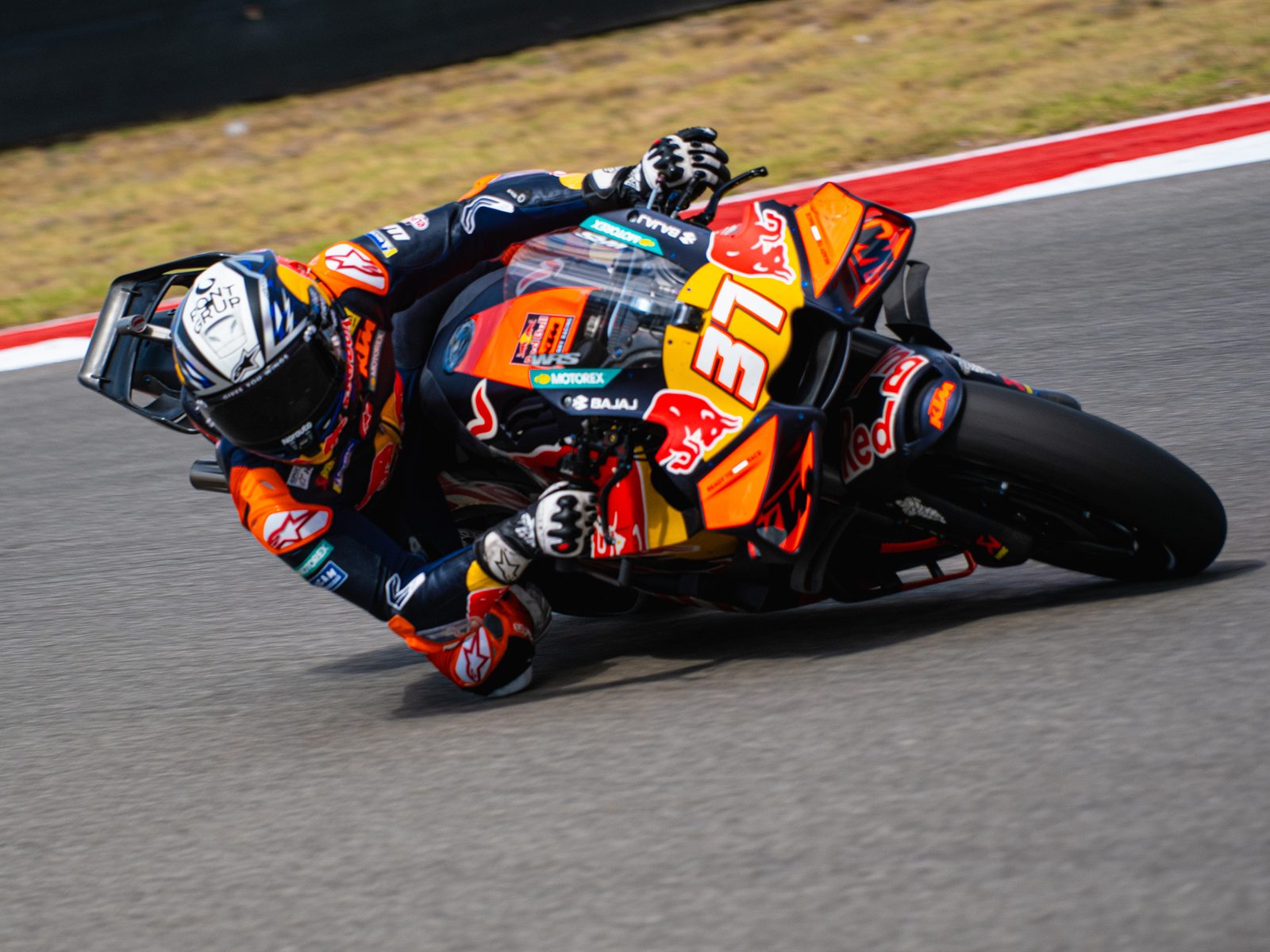
Despite its limitations in raw speed, the Fujifilm GFX100S II delivers an image quality that is genuinely in a different league. The 102-megapixel sensor, featuring redesigned microlenses, produces files characterized by an extraordinary depth of tone, exceptional tridimensionality in color gradation, and a resolving power unmatched by any full-frame or APS-C system. The sheer physical size of the sensor, measuring 55mm diagonally, is a key contributor to this superior tonality and subtle detail rendering that simply cannot be replicated by smaller formats.

The true impact of this image quality often only becomes apparent in post-processing. A shot reviewed on the camera’s rear screen might appear merely "fine." However, when loaded into professional editing software and viewed on a high-resolution display, the image "opens up" entirely. Textures in rider leathers become incredibly distinct, the subtle heat shimmer emanating off exhaust pipes is rendered with remarkable clarity, and individual crowd members, previously assumed to be indistinct background elements, emerge with surprising sharpness. This ability to resolve such minute detail at a grand scale is a hallmark of the GFX system.
Furthermore, the sensor supports ISO 80 as its standard minimum sensitivity, enabling the capture of 16-bit images with a remarkably wide dynamic range. This is particularly beneficial in the high-contrast lighting conditions often encountered at bright outdoor circuits, allowing for extensive recovery of highlight and shadow detail without introducing noise or color shifts. The camera also boasts 5-axis in-body image stabilization (IBIS) rated at up to 8.0 stops, making it the most powerful IBIS system Fujifilm has incorporated into a GFX body. This feature proved invaluable for handheld work in the paddock and on the grid, providing fluid and confident shooting, especially when using the longer end of the GF100-200mm lens, ensuring sharpness even at slower shutter speeds.

Strategic Deployment: Where the GFX100S II Shines
The experience at COTA definitively highlighted the GFX100S II’s optimal deployment strategy. Trackside, where peak action and rapid response are paramount, the X-H2S bodies remained the indispensable workhorses. However, away from the intense speed – in the paddock, on the starting grid, during pre-race preparations, and post-race podium celebrations – the Fujifilm GFX100S II transformed into an absolute joy to operate.

In these less frenetic environments, the photographer could frame deliberately, trusting the camera’s autofocus on static or slow-moving subjects. The immense resolution meant that whatever was captured could be cropped dramatically in post-production without any discernible loss of resolution or image quality. A tight portrait of a rider on the grid, perhaps cropped to focus solely on their eyes above the visor, could be achieved with remarkable clarity and detail. This level of post-production flexibility is genuinely liberating, allowing for creative freedom in framing and composition that smaller-sensor cameras, even with high megapixel counts, cannot match. The GFX100S II excelled at capturing the intricate details of the bikes, the expressions of the riders and crew, and the atmospheric elements of the event with a richness and depth that truly stood out.
Broader Implications and Final Assessment

The unconventional deployment of the Fujifilm GFX100S II at MotoGP COTA was more than a technical exercise; it was an exploration of the boundaries of modern photographic technology and a testament to the evolving capabilities of medium format mirrorless systems. The results unequivocally demonstrate that while the GFX100S II is not a direct replacement for high-speed sports cameras, it serves as an extraordinary complement, offering unparalleled image quality for specific, deliberate photographic moments within a dynamic event.
This experiment has several implications for professional photographers and the industry. Firstly, it underscores the increasing versatility of medium format cameras. Fujifilm has successfully engineered a system that, while still prioritizing resolution, has significantly improved its speed and handling characteristics, making it viable for niche applications previously considered beyond its scope. Secondly, it reinforces the principle that the "right tool for the right job" is often about strategic selection rather than a one-size-fits-all solution. For photographers who prioritize ultimate image fidelity for large prints, detailed editorial work, or extensive cropping, a GFX system can be a powerful addition, even in unexpected environments.
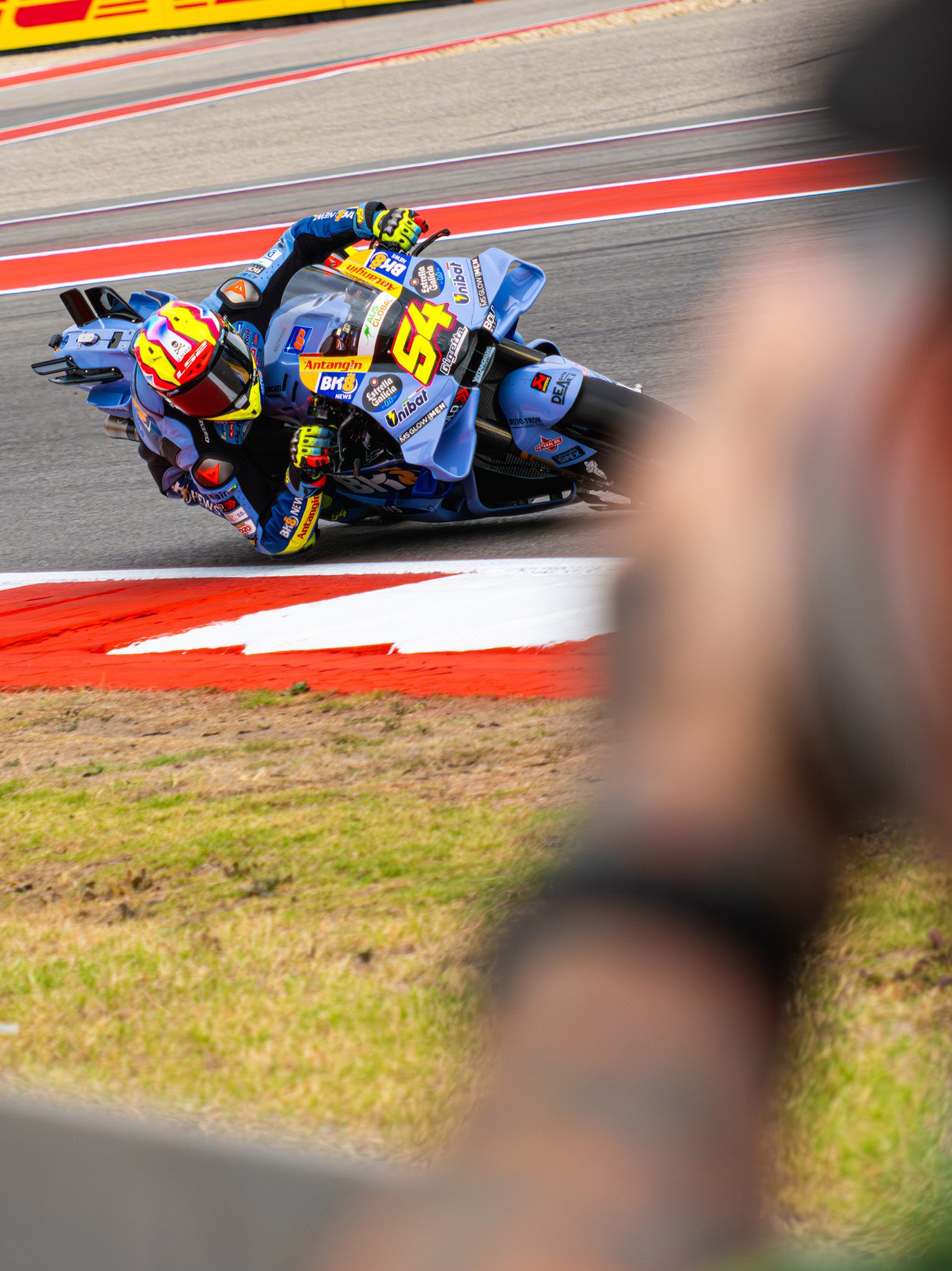
Weighing in at 883g with battery and card, the GFX100S II is also the lightest 102-megapixel body Fujifilm has produced, a factor that significantly enhances its practical usability for photographers who carry gear all day. Its ability to produce 16-bit files with exceptional dynamic range and resolving power positions it uniquely in the market.
In conclusion, the Fujifilm GFX100S II emerges from this rigorous test not as a primary trackside weapon for capturing every split-second of action, but as a specialized, "secret weapon" third body. It is the camera for those critical moments when speed is secondary to an almost cinematic image quality: the intimate details of the grid walk, the triumphant expressions on the podium, or the carefully composed shot in a quiet corner where anticipation and precision replace continuous burst. When the starting lights extinguish and the thunder of engines signals the charge through Turn 1, the high-speed capabilities of the X-H2S will remain the go-to choice. However, for capturing the soul and intricate beauty of MotoGP, rendered with breathtaking fidelity, the GFX100S II has proven its undeniable, albeit specific, worth. This blend of cutting-edge technology and discerning photographic strategy offers a compelling vision for the future of professional sports and event coverage.