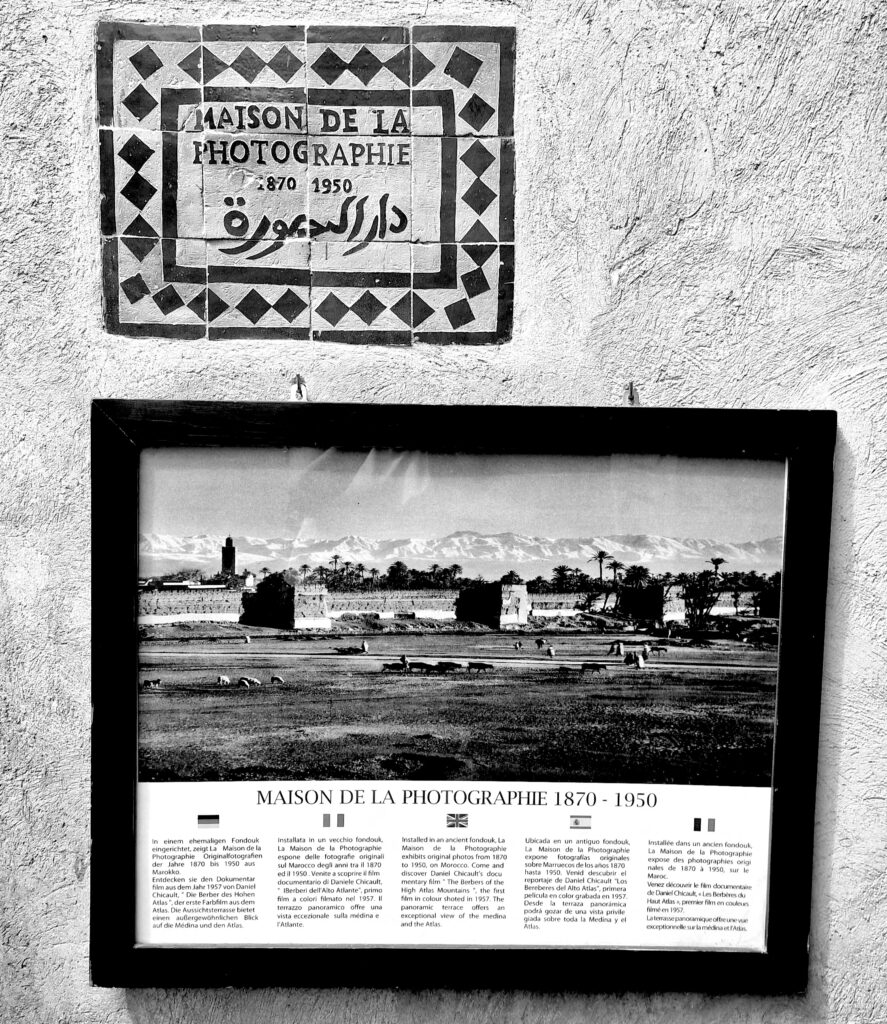
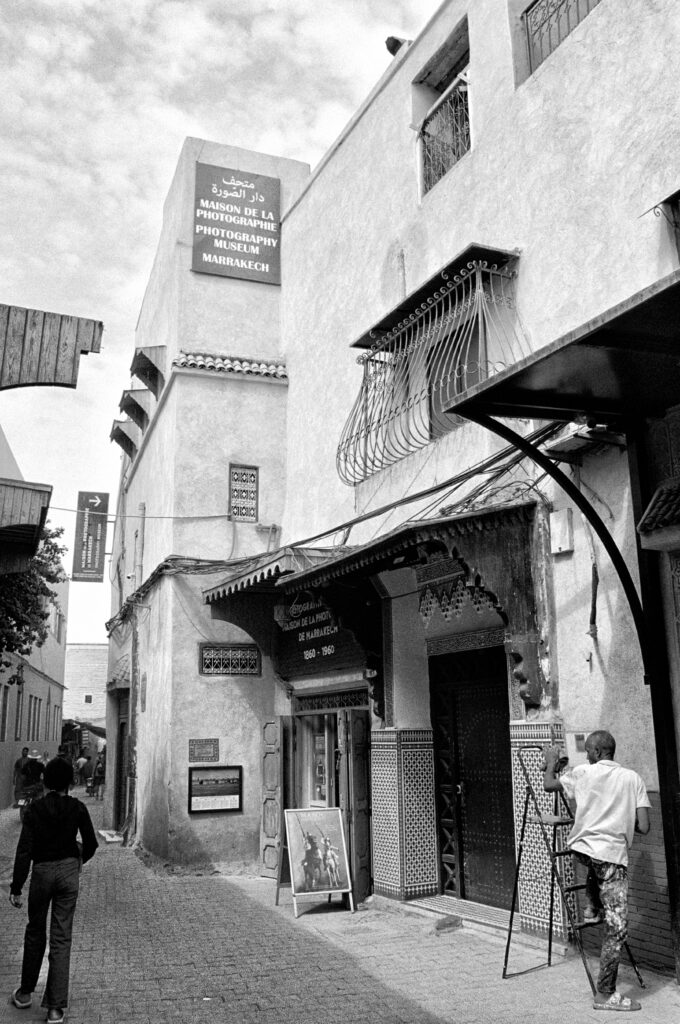
Located deep within the labyrinthine corridors of the historic Medina, the Maison de la Photographie de Marrakech stands as a critical repository of Moroccan visual history, housing an extensive collection that spans nearly a century of social and architectural evolution. Situated at 46 Rue Bin Lafnadek, the institution is housed in a restored "funduq"—a traditional inn originally designed to accommodate traveling merchants and their livestock. This architectural choice is emblematic of the museum’s mission: to preserve the transitional history of a nation through the very structures and images that define its past. The facility, while unassuming from its mud-brick exterior, serves as a bridge between the 19th-century photographic explorations of European travelers and the modern preservation of Moroccan heritage.
The Architectural Context of the Funduq
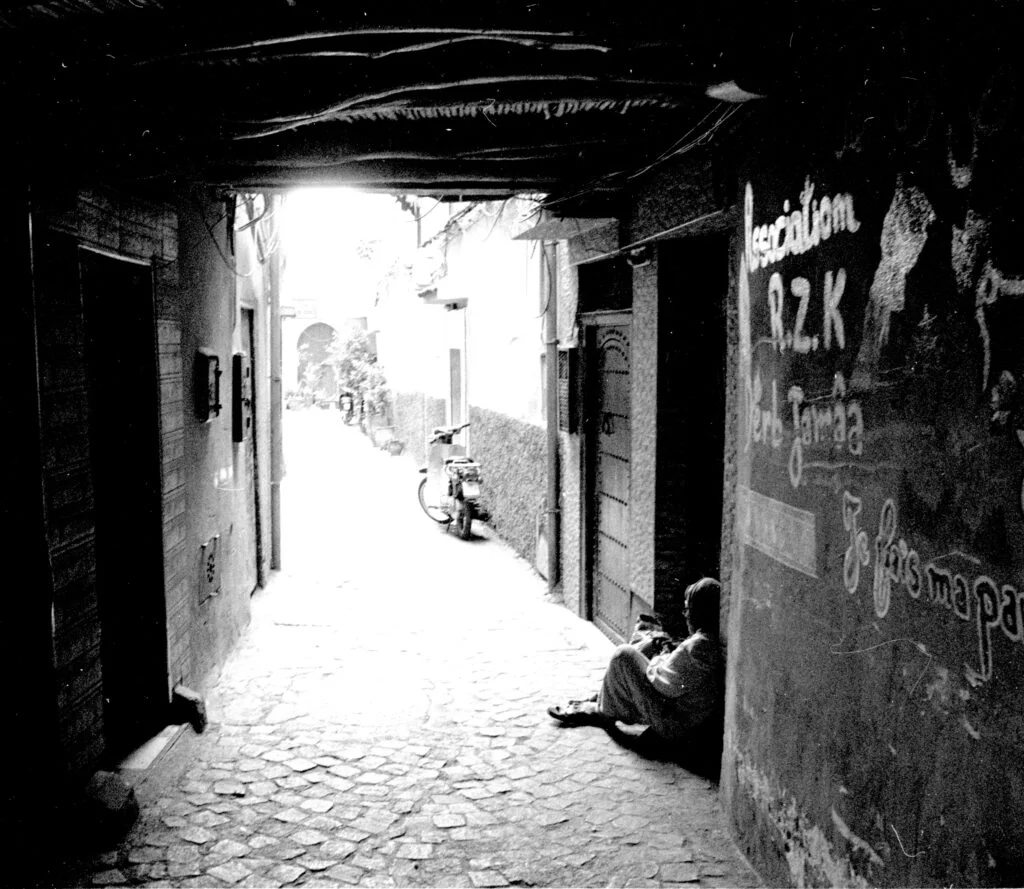
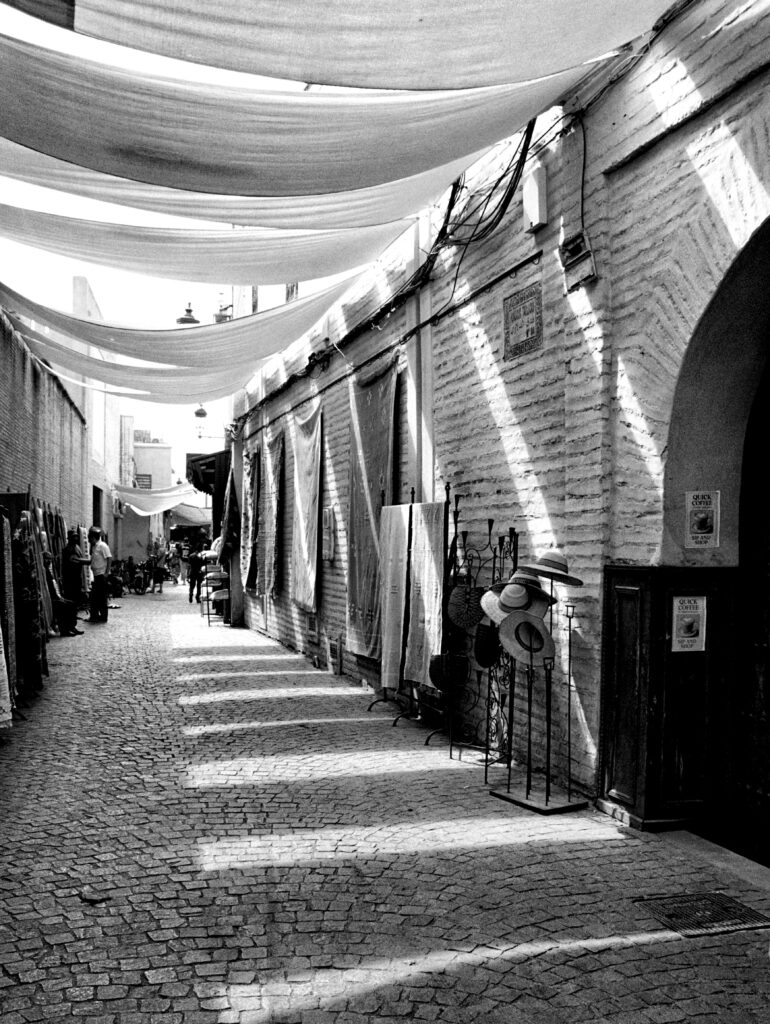
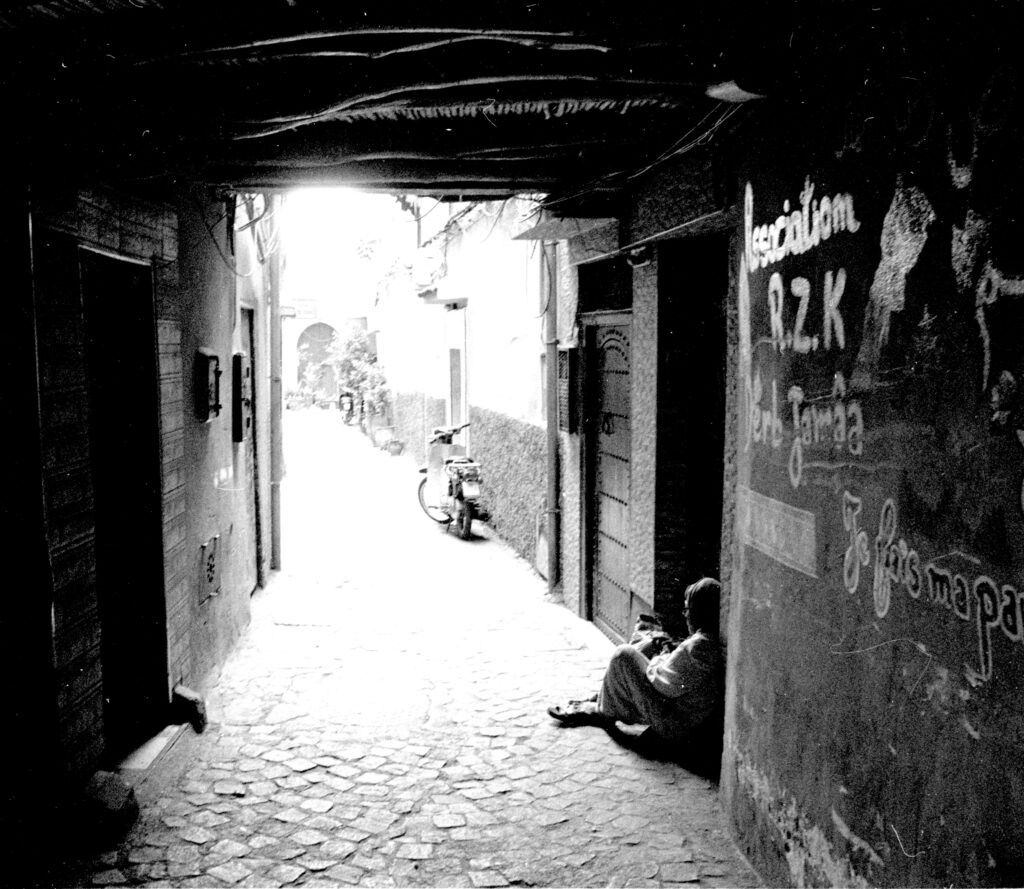
The geography of the Marrakesh Medina is notoriously complex, characterized by narrow alleys and an intricate network of "derbs" (streets) that often defy modern cartography. It is within this dense urban fabric that the Maison de la Photographie operates. The building itself is a primary artifact of the museum’s collection. Historically, a funduq functioned as a center for trade and lodging, facilitating the movement of goods across the Maghreb. The restoration of 46 Rue Bin Lafnadek into a photographic museum preserves the traditional "riad" style architecture, featuring a central courtyard that provides a cooling microclimate—a necessity in the arid North African heat.
This structural design facilitates a unique curatorial flow. Visitors move through the shaded galleries of the ground floor and ascend through the levels of the former inn, experiencing a chronological and thematic progression of Morocco’s history. The use of traditional materials, such as earthy ochre-toned mud-bricks and lime plaster, ensures that the museum remains an organic part of the UNESCO World Heritage site that surrounds it.
Chronology and Scope of the Photographic Collection
The Maison de la Photographie was established in 2009 by Hamid Mergani and Patrick Manac’h with the intent of centralizing a disparate history of Moroccan iconography. The current archive consists of approximately 10,000 original photographs, glass plates, and documents, though the exhibition space typically features a curated selection of roughly 200 to 500 items at any given time. The core of the collection focuses on the period between 1870 and 1960, a timeframe that encompasses the pre-colonial era, the French and Spanish Protectorates, and the early years of Moroccan independence.
The collection is categorized into several distinct thematic areas:
- Early Ethnographic Studies (1870–1910): Focuses on the first photographic incursions into the High Atlas Mountains and the Sahara.
- The Protectorate Era (1912–1956): Documents the architectural changes in cities like Casablanca and Marrakesh under French influence.
- Landscape and Architecture: Includes rare depictions of Casbahs and the ancient "ksour" (fortified villages) such as Ait Ben Haddou.
- Portraiture: A vast array of images documenting the diverse ethnic groups of Morocco, with a specific emphasis on Berber (Amazigh) identity.
Significant Contributors and Artistic Legacy
The museum’s holdings are defined by the work of several prominent photographers whose output shaped the Western perception of Morocco during the late 19th and early 20th centuries. Among these are George Washington Wilson, a Scottish photographer known for his technical precision, and A. Cavilla, whose studio in Tangier produced some of the most iconic images of the era.
French photographers such as Marcelin Flandrin, La Martinière, Belin, and Regnault also feature heavily. Flandrin, in particular, is noted for his documentation of the "pacification" of Morocco and the subsequent urbanization of its coastal cities. However, the Maison de la Photographie does not merely present these images as colonial artifacts; it recontextualizes them as vital records of Moroccan life that might otherwise have been lost to time. The transition from large-format glass plates to more portable film formats allowed these photographers to move beyond the cities and into the rugged landscapes of Erg Chebbi, capturing the nomadic lifestyles of the Berber tribes before the onset of modern globalization.
Analysis of Berber Portraiture and Cultural Identity
One of the most significant aspects of the museum’s collection is its focus on portraiture. These images, often captured at a large scale, provide a soul-touching insight into the historical Berber identity. The portraits are characterized by a fierce sense of pride, often visible in the subjects’ posture and gaze. One notable photograph from the early 1900s depicts a Berber man whose expression conveys a deep connection to his heritage—a sentiment that resonates with modern visitors and scholars alike.
Scholars of North African history suggest that these photographs serve as a visual "silent language." While the photographers may have been outsiders, the subjects often asserted their own presence through the lens. The jutted chins, the intricate tribal jewelry, and the traditional garments are more than aesthetic choices; they are statements of a cultural continuity that has survived centuries of external influence. By exhibiting these works, the Maison de la Photographie facilitates a dialogue between the past and the present, allowing contemporary Moroccans to reconnect with their ancestral lineage.
Institutional Response and Archival Dedication
The maintenance of a private museum of this scale within the Medina presents significant logistical and financial challenges. Institutional responses from the Moroccan Ministry of Culture have frequently highlighted the importance of private initiatives in the preservation of national heritage. The founders have emphasized that the museum is not merely a tourist attraction but a pedagogical tool.
"The goal is to show the Moroccans their own face," co-founder Patrick Manac’h has stated in various academic contexts. This philosophy is reflected in the museum’s accessibility and its efforts to document the provenance of every item in the archive. The dedication required to establish and maintain such a facility is considerable, particularly in an environment where environmental factors like dust and heat can degrade delicate 19th-century prints. The museum employs modern preservation techniques to ensure the longevity of the collection, including climate-controlled storage for the thousands of items not currently on display.
Broader Implications for Tourism and Heritage Preservation
The success of the Maison de la Photographie has broader implications for the future of cultural tourism in Marrakesh. As the city continues to grow as a global destination, there is an increasing demand for authentic cultural experiences that go beyond the surface-level commercialism of the souks. The museum provides a "time travel experience" that offers visitors a deeper understanding of the land and its people.
Furthermore, the museum plays a role in the global discourse on "repatriating" history. By bringing these photographs back to Morocco—many of which were originally archived in European libraries or private collections—the institution is performing a symbolic act of cultural reclamation. It allows the narrative of Morocco to be told within its own borders, using the very images that were once used to exoticize the region for foreign audiences.
Technical Preservation and the Legacy of Film
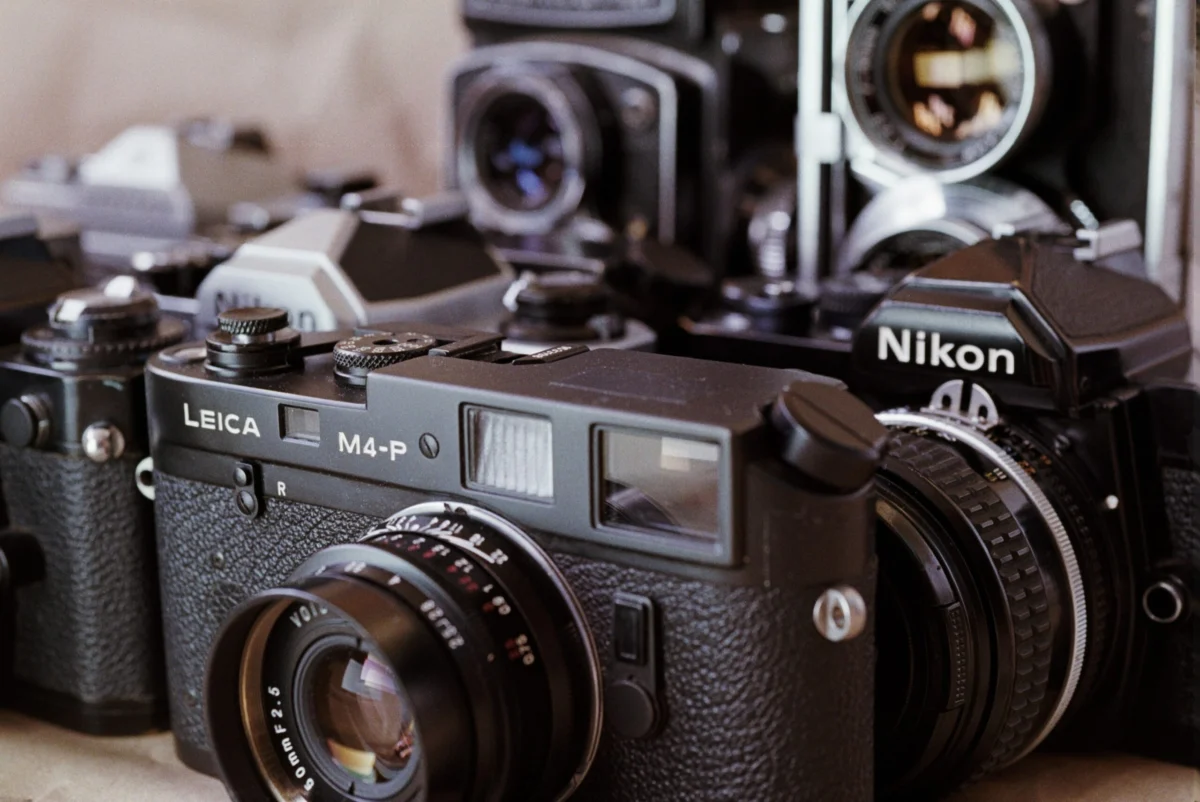
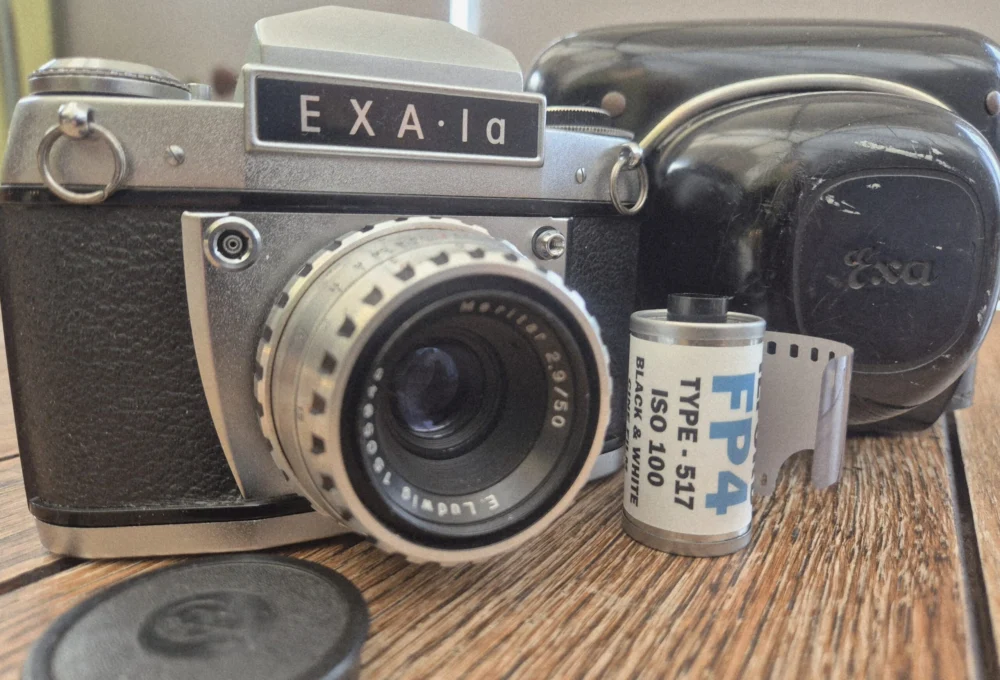
The museum also serves as a point of interest for the global community of analog photographers. The collection highlights the evolution of photographic technology, from early collodion processes to the gelatin silver prints of the mid-20th century. This technical history is a testament to the endurance of the medium. Even in the digital age, the museum attracts practitioners who utilize traditional equipment, such as the Nikon F3 or Ilford Delta film, to document the Medina today, continuing the tradition of those who walked the sands of the Sahara a century ago.
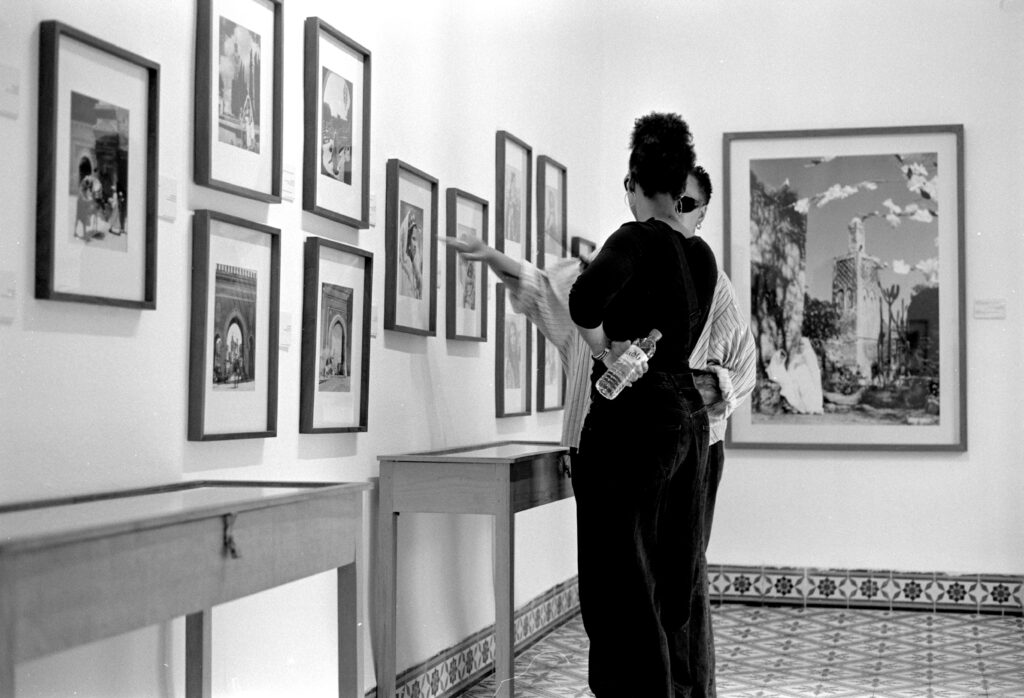
In conclusion, the Maison de la Photographie de Marrakech is more than a gallery; it is a vital archival heartbeat in the center of one of the world’s oldest cities. Through its 10,000-strong collection, it ensures that the "unspoken words" of the past continue to be heard by those who choose to listen. As it preserves the portraits of the Berbers and the architecture of the Casbahs, it provides an essential service to the history of Morocco and the broader understanding of human heritage. The institution remains a testament to the power of the image to transcend time, offering a clear, focused window into a world that, while changed, remains fundamentally rooted in the pride and history of its people.