London experienced a profound cultural and social metamorphosis during the summer of 2026, driven by a combination of favorable meteorological conditions, the fervor of the FIFA World Cup, and a significant shift in domestic tourism patterns. While the city has historically contended with a reputation for being weather-beaten and socially reserved, the three-month period between June and August 2026 saw a departure from these stereotypes. The capital transformed into a hub of outdoor activity, characterized by high engagement in public spaces and a revitalized hospitality sector. This period of heightened social cohesion persisted even after the conclusion of the World Cup, suggesting a deeper shift in how Londoners and visitors interact with the city’s urban landscape.
The Catalyst of the 2026 World Cup
The primary driver for the initial surge in public morale was the 2026 FIFA World Cup, hosted across North America. Despite the time zone differences, the impact on London’s social fabric was immediate. Throughout June and July, the visual landscape of the city was altered by the widespread display of St. George’s crosses across residential and commercial sectors. From the high-rise apartments of Canary Wharf to the Victorian terraces of Brixton, the iconography of the tournament served as a unifying element.
Data from the British Retail Consortium indicated a 12% uptick in the sale of flags, jerseys, and commemorative merchandise during the first two weeks of June. This "tournament fever" was not merely a commercial phenomenon but a social one. Pubs and dedicated "fan zones" reported record-breaking attendance figures for mid-week matches, despite many games occurring during late-evening or early-morning hours in the Greenwich Mean Time (GMT) zone.
The eventual elimination of the England national team, a moment that historically leads to a sharp decline in public enthusiasm, failed to dampen the city’s spirits in 2026. Analysts attribute this to the "sustained momentum" of a particularly warm summer, which encouraged citizens to remain in public spaces such as beer gardens and parks, effectively decoupling the city’s mood from the results of the national football team for the first time in recent history.
Chronology of a Season: From Anticipation to Sustained Vitality
The summer of 2026 followed a distinct chronological progression that redefined the city’s rhythm:
- Early June: The Buildup. As the World Cup commenced, the atmosphere was defined by "cautious optimism." The Metropolitan Police and local councils coordinated to manage large gatherings in Trafalgar Square and Boxpark locations.
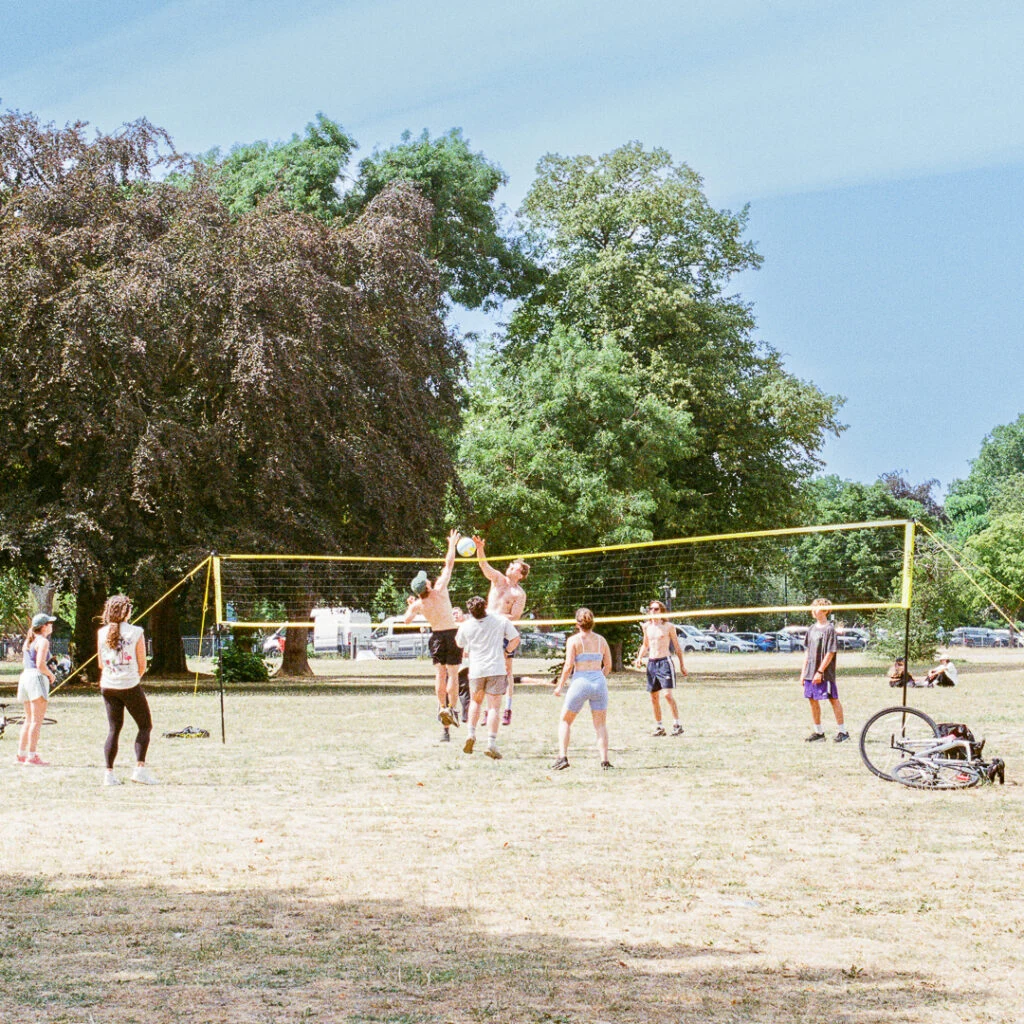
- July: The Peak. Record-breaking temperatures, averaging 28°C (82°F) across the month, coincided with the knockout stages of the tournament. During this period, London’s "green lungs"—its parks and commons—became the primary social venues.
- August: The Afterglow. Following the World Cup final, the expected "post-tournament slump" was replaced by a continued celebration of the outdoor lifestyle. This month saw a 15% increase in footfall along the Regent’s Canal and in East London’s creative districts compared to the same period in 2025.
- September: The Reflection. As the season transitioned, the cultural impact became clear. The summer had fostered a new appreciation for "hyper-local" tourism and the documentation of urban life through traditional media.
Economic and Social Data: The "Outdoors" Economy
The shift toward outdoor socialization provided a significant boon to the local economy, particularly for businesses situated outside the traditional "Zone 1" tourist traps. According to hospitality industry reports, beer gardens in East and South London saw a 22% increase in revenue year-on-year.
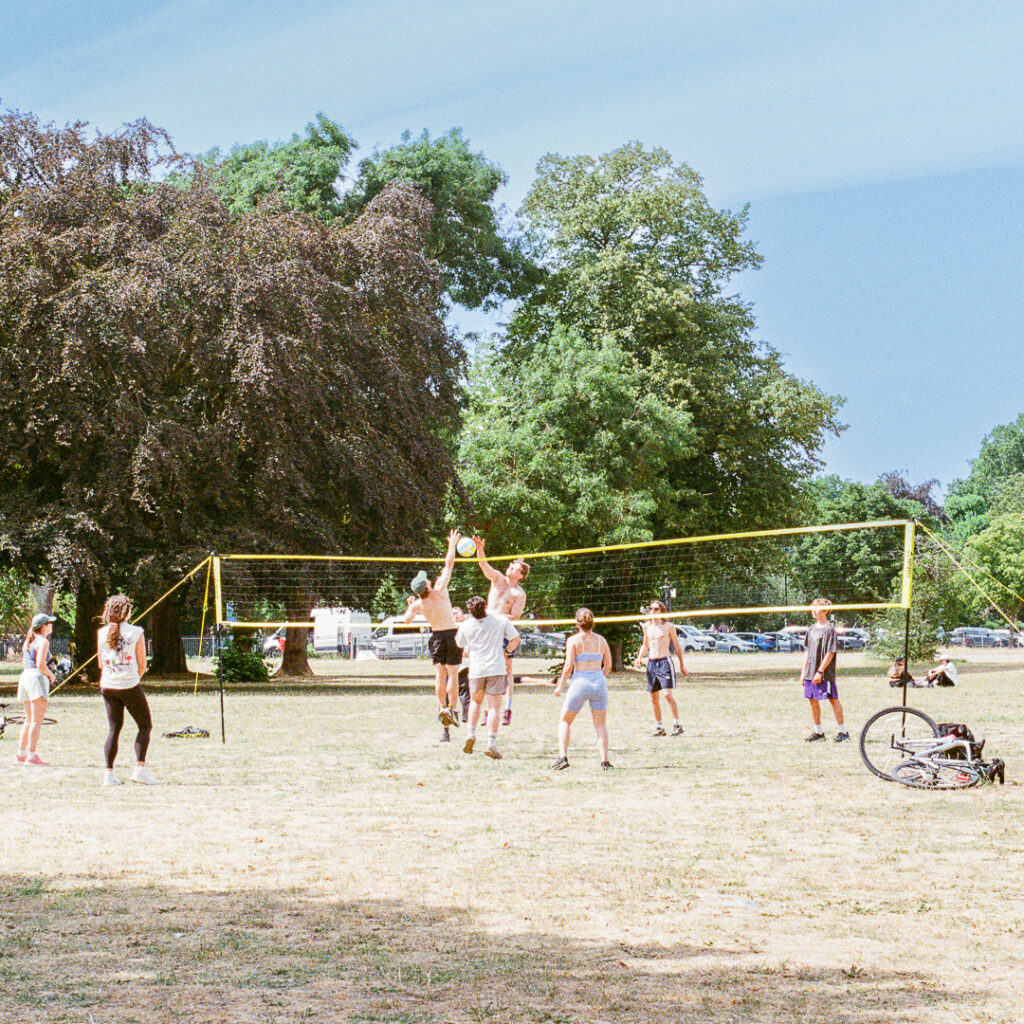
Parks played a central role in this economic shift. Estimates from the Royal Parks and local borough councils suggested that weekend occupancy of Clapham Common and Brockwell Park reached 95% of safe capacity throughout July and August. This surge in park usage prompted a rise in the "picnic economy," with local independent delis and supermarkets reporting a surge in demand for portable food and beverage options.
Furthermore, the social dynamics of the city underwent a measurable change. A survey conducted by the London Social Observatory found that 64% of residents felt a "greater sense of community" during the summer of 2026 than in the previous five years. The traditionally "downcast eyes" of the London Underground were replaced, albeit temporarily, by a shared sense of participation in a collective cultural moment.
The Decentralization of London Tourism
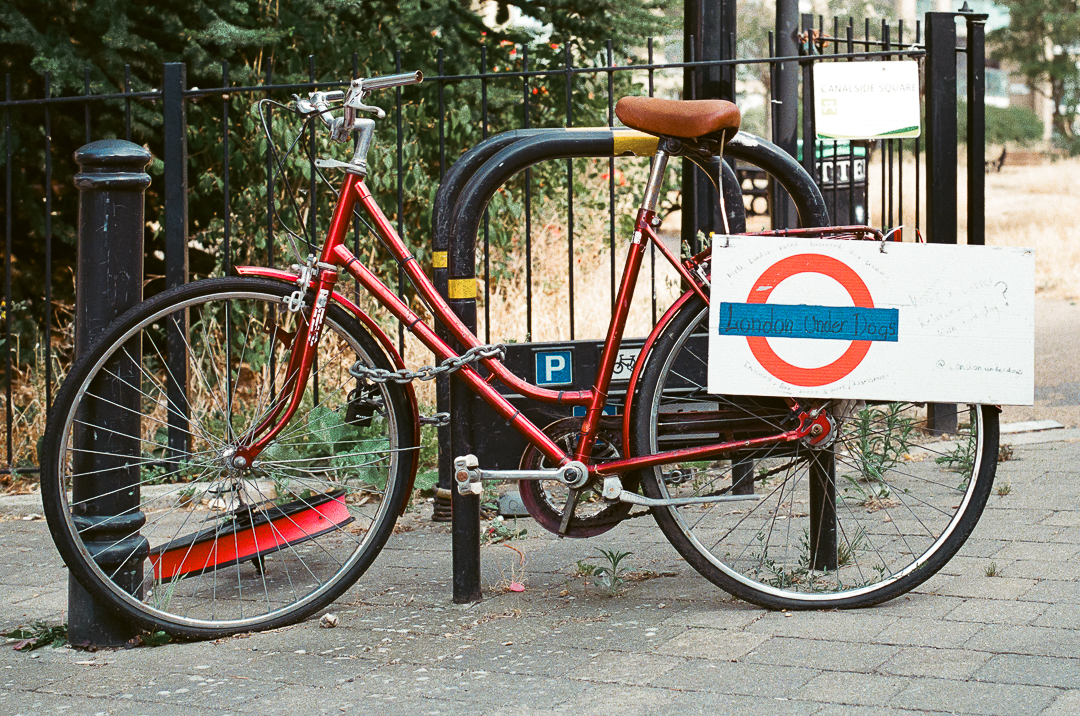
One of the most notable trends of the summer was the movement of both locals and tourists away from central landmarks like Piccadilly Circus and Leicester Square toward more residential and industrial-creative hubs. This decentralization was particularly evident in areas such as Hackney Wick and the stretches of the Regent’s Canal.
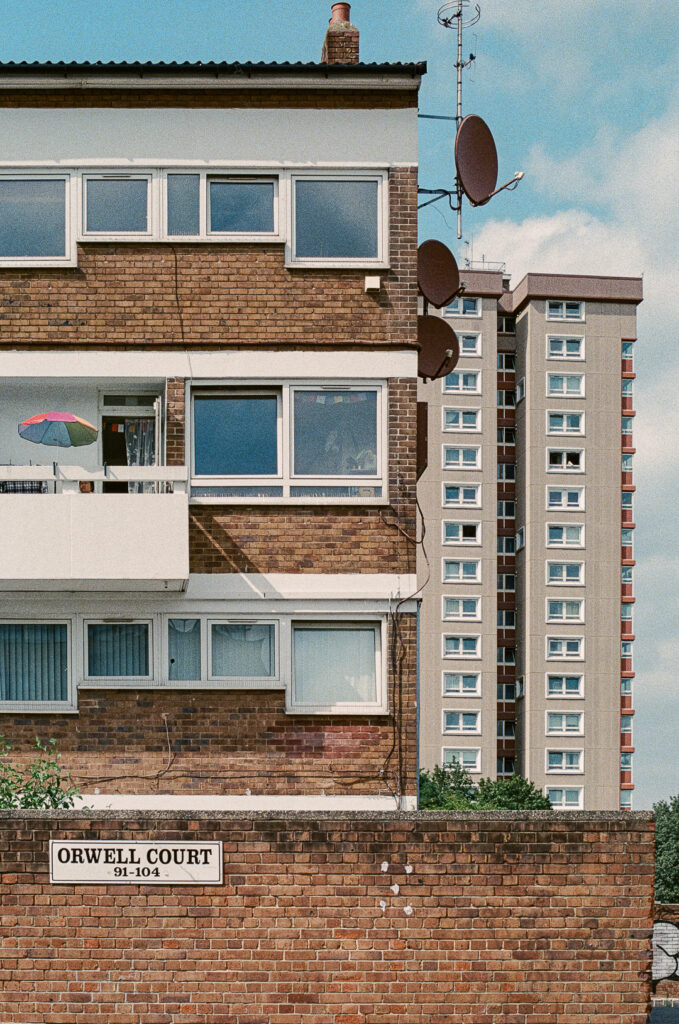
Hackney Wick, once a purely industrial zone, solidified its status as a primary destination for those seeking the "real heart" of London. The area’s blend of canal-side bars, artist studios, and repurposed warehouses provided a backdrop for a new type of urban tourism—one focused on authenticity and community rather than commercial spectacles. Similarly, South London districts like Brixton and Herne Hill saw an influx of visitors drawn to Brockwell Park’s expansive views and the Lido’s cooling waters.
Urban planning experts suggest that this shift is part of a broader trend toward "neighborhood-centric" city living. The summer of 2026 proved that London’s vibrancy is not confined to its historic center but is distributed across its diverse boroughs, provided the environmental and social conditions are met.
The Resurgence of Analog Documentation
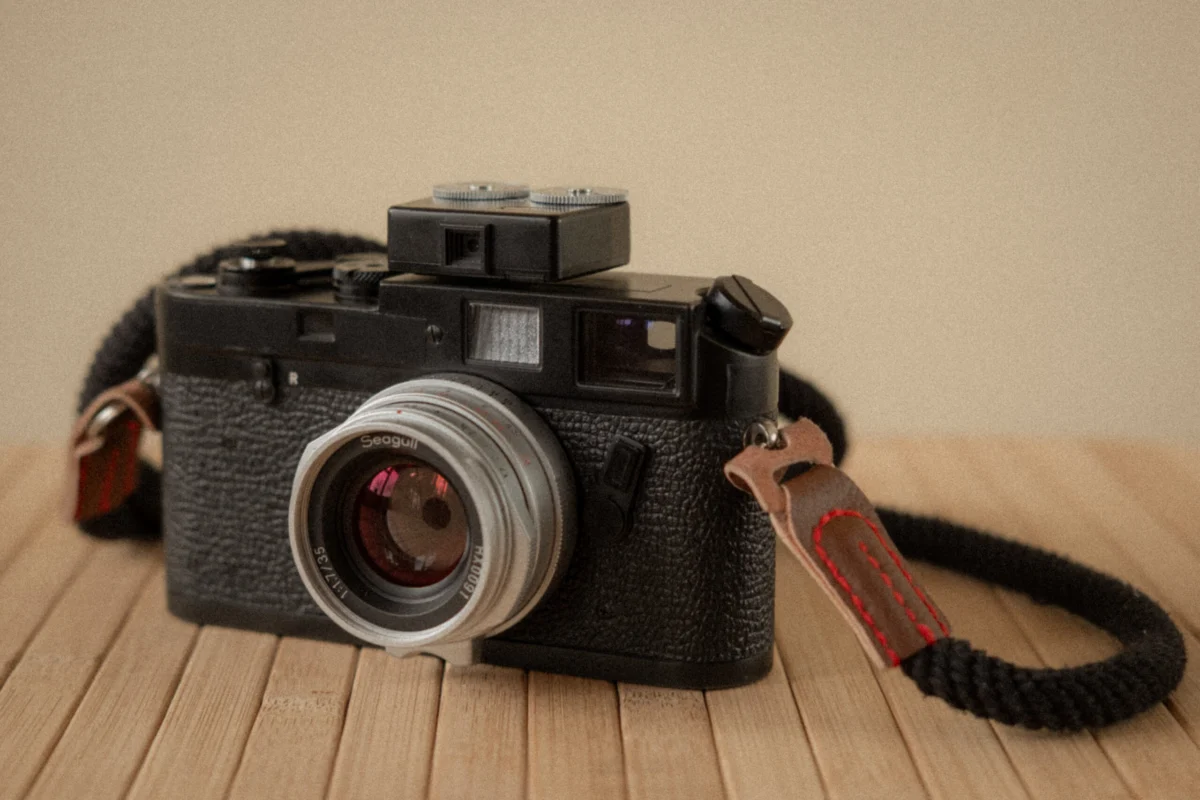
Amidst the high-tech atmosphere of a modern global city, the summer of 2026 also saw a notable resurgence in analog photography as a means of capturing the "ephemeral" nature of the season. Enthusiasts and professional photographers alike turned to film cameras to document the crowds and the unique quality of the summer light.
The use of equipment such as the Olympus OM-10, paired with classic Zuiko 50mm lenses and Kodak Gold 400 film, became a hallmark of the season’s visual record. The choice of Kodak Gold 400—a film stock known for its warm tones and "nostalgic" color palette—mirrored the public’s desire to frame the summer of 2026 as a landmark era. This trend reflects a broader cultural pushback against the immediacy of digital media, with many seeking a more tactile and permanent way to remember the city’s transformation.
Market data from specialized photography retailers in London indicated a 30% rise in the sale of 35mm film rolls and a renewed interest in vintage camera servicing. This "analog movement" contributed to a distinct aesthetic for the summer, characterized by saturated colors and a grainy, authentic texture that digital filters struggle to replicate.
Official Responses and Implications
Local government officials have noted the positive impact of the summer’s atmosphere on the city’s global standing. A spokesperson for the Mayor of London’s office stated, "The summer of 2026 has demonstrated that London is at its best when its public spaces are utilized to their full potential. The spirit of cooperation and celebration seen in our parks and high streets is a testament to the resilience of Londoners."
However, the summer also raised important questions regarding urban infrastructure and climate adaptation. The sustained high temperatures placed pressure on the city’s transport network and highlighted the need for more "green infrastructure" to mitigate the urban heat island effect.
From a sociological perspective, the implications are significant. The summer of 2026 may serve as a blueprint for how major cities can foster social cohesion in the wake of large-scale sporting events. By prioritizing accessible public spaces and supporting local, independent businesses, London managed to sustain a "feel-good factor" that outlasted the final whistle of the World Cup.
Broader Impact and Conclusion
The legacy of London’s 2026 summer is likely to be defined by the realization that the city’s "grey" reputation is not an immutable characteristic but a condition that can be overcome through community engagement and favorable environmental shifts. The city proved that it could be more than a collection of individuals with "umbrellas ready to pop," transforming instead into a warm, inclusive environment where the "real heart" of the city was found in its communal parks and canal-side walks.
As the city moves into the autumn of 2026, the challenge for policymakers and residents alike will be to maintain this sense of openness. The summer provided a glimpse into a version of London that is as friendly as it is vast—a city where the buzz of a World Cup can be harnessed to create lasting social bonds. Whether this represents a permanent shift in the London "personality" or a beautiful, film-captured anomaly remains to be seen, but for three months in 2026, the capital was undeniably the best version of itself.