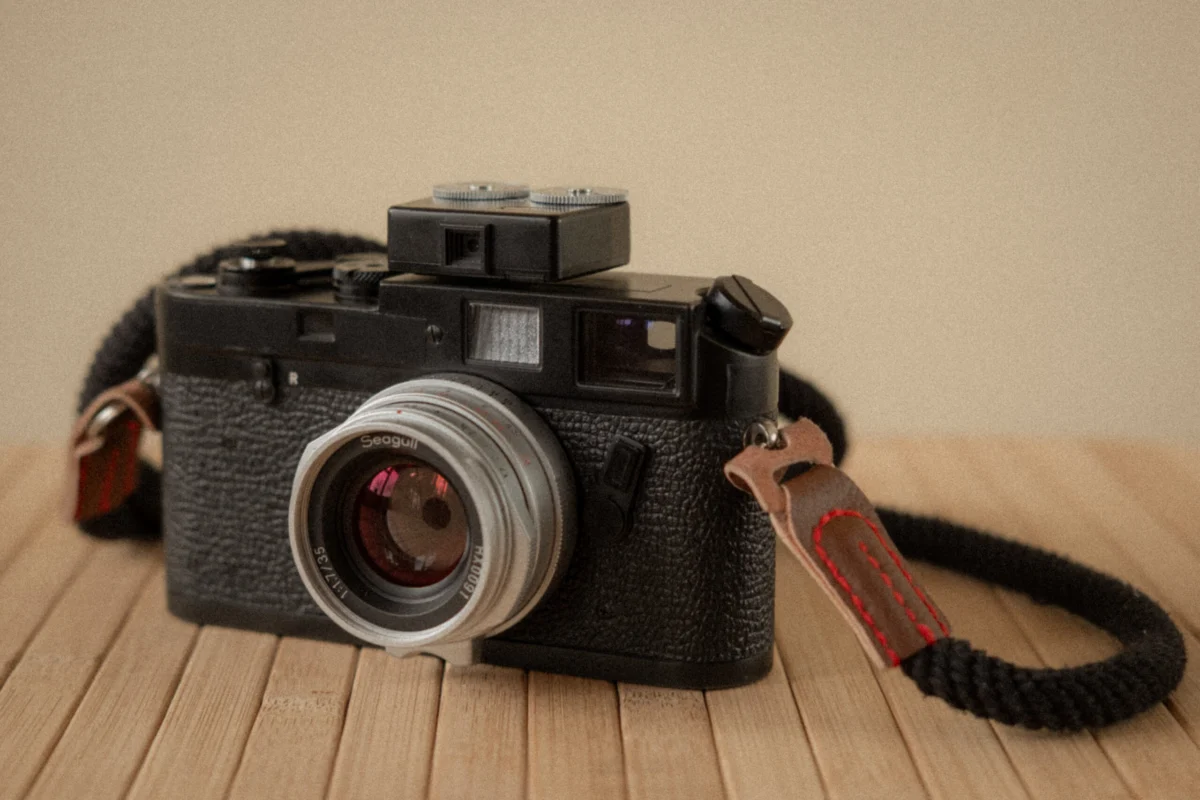
The acquisition and subsequent technical assessment of a vintage Leica M4-2 rangefinder, paired with a highly limited Seagull and 7Artisans 35mm f/1.7 lens, has highlighted the persistent mechanical challenges and specialized equipment requirements within the contemporary analogue photography market. This evaluation follows a common practice among film photographers who maintain dual-body systems to facilitate the simultaneous use of different emulsion types, such as high-contrast black-and-white film and color-balanced stocks. The recent field test, conducted in the urban environment of Luton, United Kingdom, served as a diagnostic exercise to identify potential mechanical failures in the camera body—specifically shutter capping—while also assessing the optical performance of a rare Chinese-manufactured M-mount lens.
The Strategic Role of Dual-Body Systems in Analogue Photography
In the professional and enthusiast analogue photography sectors, the "two-body" philosophy is a standard operational procedure. Unlike digital sensors, which allow for the instantaneous adjustment of ISO and color profiles, film is a fixed medium. A photographer loaded with a 36-exposure roll of Kodak Tri-X 400 (black and white) is effectively committed to that medium until the roll is completed. This creates a logistical bottleneck when lighting conditions or subject matter shift, such as moving from a vibrant spring landscape to a high-contrast architectural setting.
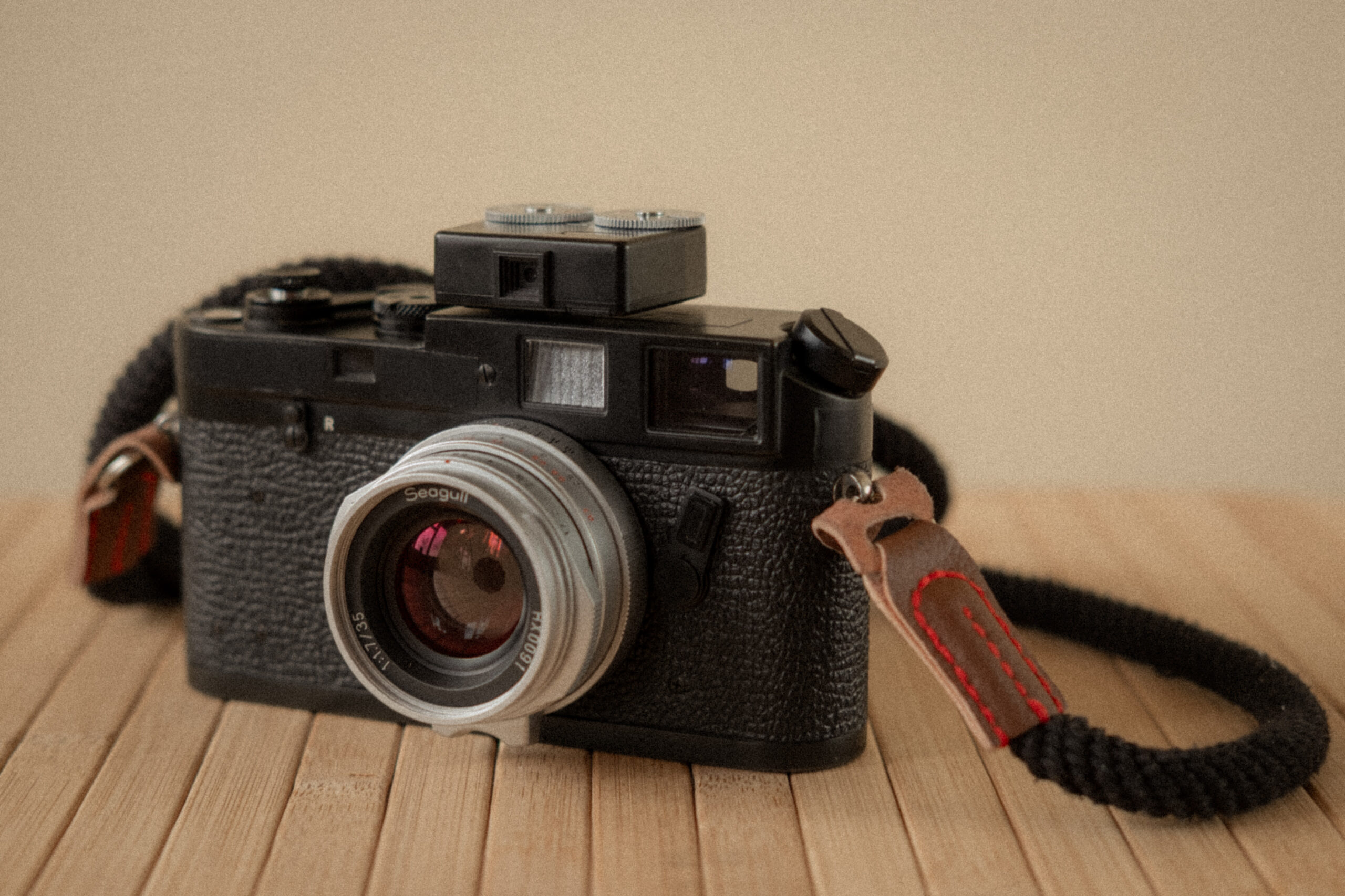
The procurement of a Leica M4-2 as a secondary body to an existing Leica M4-P provides a redundant system that shares a common ergonomic and mechanical interface. By standardizing on the Leica M system, photographers can swap lenses and accessories seamlessly. The decision to utilize a mechanical film body over a modern digital alternative, such as the Leica M10, reflects a broader trend toward the tactile and deliberate workflow of chemical photography, despite the inherent risks associated with vintage mechanical components.
Historical Context of the Leica M4-2: The Camera That Saved Leitz
The Leica M4-2 occupies a pivotal position in the history of the Ernst Leitz GmbH company. Introduced in 1977, the M4-2 was manufactured in Midland, Ontario, at the ELCAN (Ernst Leitz Canada) facility. This transition was a response to the financial difficulties faced by the company following the commercial failure of the Leica M5 and the increasing competition from Japanese SLR manufacturers.
The M4-2 was designed to be a more cost-effective version of the original M4, utilizing simplified manufacturing processes and omitting the self-timer. However, it maintained the high precision of the M-mount rangefinder system. It was the first M-series camera to feature a built-in hot shoe and was designed to accommodate a motor drive, marking a shift toward more modern photojournalistic requirements. For contemporary users, the M4-2 is often preferred for its ruggedness and its status as a purely mechanical instrument, free from the electronic dependencies of later models like the M6 or M7.

Optical Collaboration: The Seagull and 7Artisans 35mm f/1.7
The lens utilized in this technical evaluation represents a significant development in the "boutique" lens market. 7Artisans, a Shenzhen-based company known for producing affordable M-mount lenses, collaborated with Seagull—the oldest camera manufacturer in China—to produce a limited edition 35mm f/1.7 lens. With a production run restricted to only 500 units, the lens has quickly become a collector’s item.
The lens offers a maximum aperture of f/1.7, providing a faster alternative to standard f/2 or f/2.8 lenses, which is critical for low-light photography and achieving a shallow depth of field. The 35mm focal length is widely considered the "standard" for street and documentary photography due to its versatile field of view. By offering this lens at a competitive price point, the collaboration aimed to disrupt the premium market typically dominated by Leica’s own Summicron and Summilux lines, which often retail for several thousand dollars.
Technical Analysis of Shutter Capping and Mechanical Failure
During the field test in Luton, the Leica M4-2 was loaded with Kentmere Pan 400, a budget-friendly black-and-white film, and fitted with an orange filter to enhance sky contrast and tonal separation. However, the resulting images revealed a significant mechanical defect known as "shutter capping."
Understanding Shutter Capping
Shutter capping is a common ailment in vintage rangefinders featuring horizontal focal-plane shutters. These shutters consist of two curtains (first and second) that travel across the film plane. At high shutter speeds (typically 1/500s and 1/1000s), the second curtain begins to close before the first curtain has finished its travel, creating a narrow slit that exposes the film. If the timing of these curtains is not perfectly synchronized—often due to aging lubricants, weakened springs, or debris—the second curtain "catches up" to the first curtain entirely before the exposure is complete.
Diagnostic Results
In the case of the tested M4-2, the capping resulted in a dark or unexposed strip on one side of the frame. This indicates that the shutter curtains are not maintaining a consistent gap during their transit across the film gate. While the camera remains functional at lower speeds, the failure at higher speeds necessitates a professional "Clean, Lubricate, and Adjust" (CLA) service. This process involves the complete disassembly of the shutter mechanism, the removal of degraded factory grease, and the recalibration of the tension springs to factory specifications.
Field Test Methodology: The Luton Urban Study
The choice of Luton as a testing ground provided a variety of architectural and environmental challenges suitable for evaluating both the lens and the camera body. The use of Kentmere Pan 400, an emulsion produced by Harman Technology (the makers of Ilford), allowed for a clear assessment of the lens’s rendering and contrast without the distractions of color fringing.

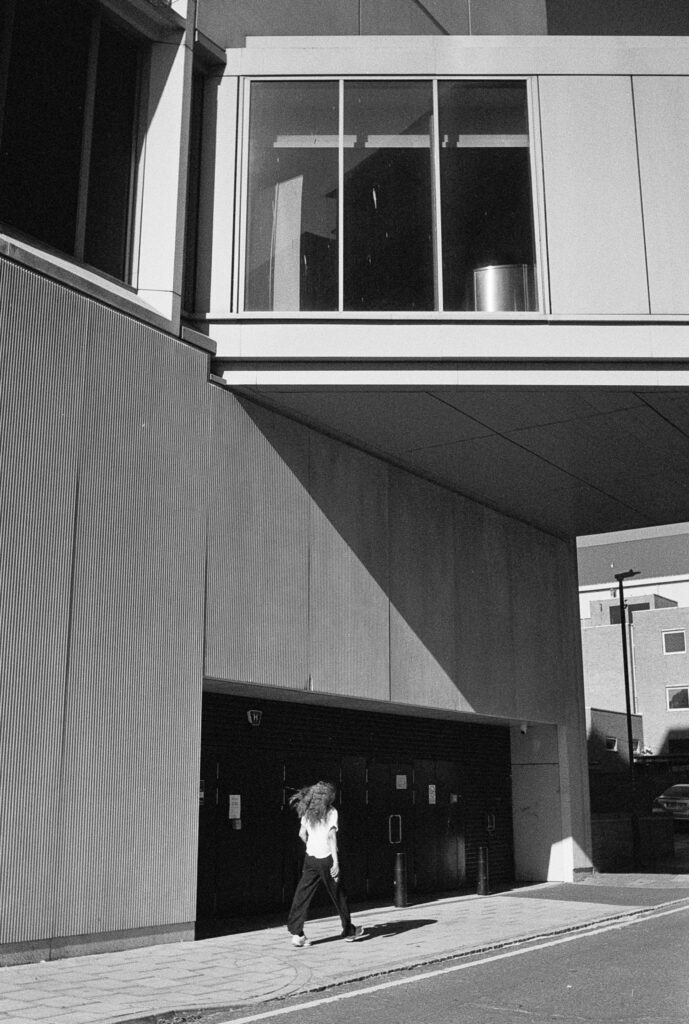
- Architectural Minimalist Study: Using an orange filter, the photographer captured high-contrast geometric shapes. The Seagull 35mm f/1.7 demonstrated strong center sharpness, although the shutter capping was evident in the tonal gradations.
- Street Documentary: A frame featuring a subject in white passing a dark doorway tested the lens’s ability to handle micro-contrast and highlight retention.
- Spiral Geometry: An image of a car park exit ramp highlighted the lens’s distortion characteristics. For a budget-oriented lens, the 7Artisans/Seagull optic showed manageable barrel distortion, typical of wide-angle rangefinder lenses.
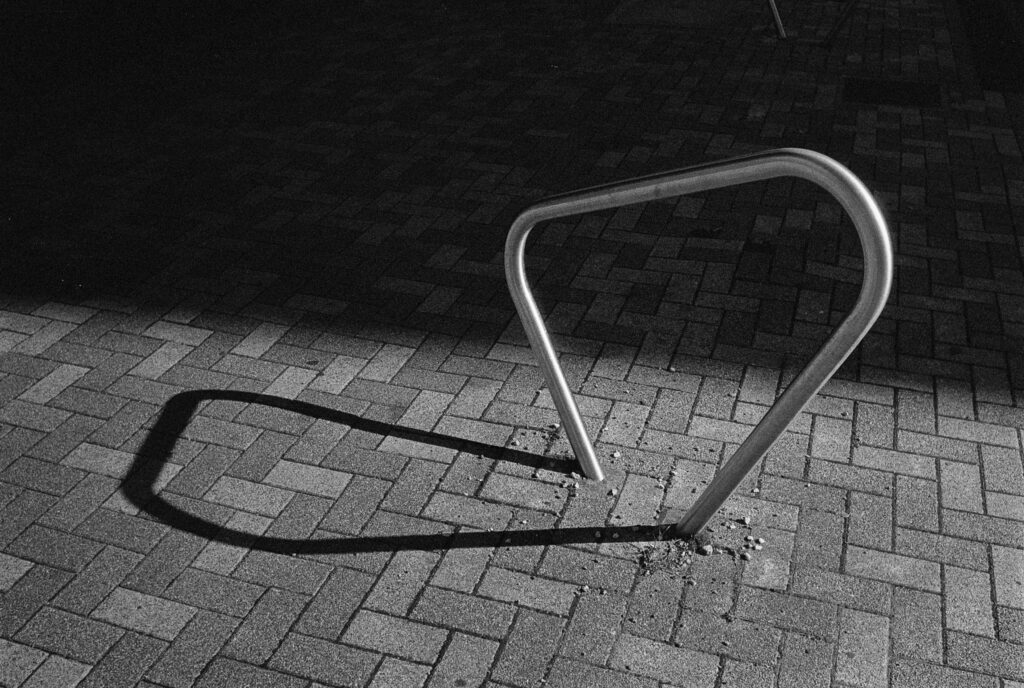
- Shadow Detail and Contrast: Images of metal bollards and loops against shadowed backgrounds confirmed that the lens, when paired with an orange filter, produces a classic "Leica-style" aesthetic with deep blacks and crisp highlights.
Market Implications and Official Reactions
The discovery of mechanical issues in a recently acquired Leica M4-2 underscores the volatility of the used analogue market. Prices for Leica M-series bodies have seen a 40-60% increase over the last five years, driven by a resurgence in film photography among younger demographics. However, as these machines age—many are now 40 to 60 years old—the availability of qualified technicians for repairs has become a bottleneck.
Industry analysts suggest that the "buy-and-repair" model is becoming the standard for entry into the Leica ecosystem. Purchasers often factor in an additional $300 to $500 for a professional CLA service when buying a used body. In this instance, the seller provided a partial refund to cover the repair costs, a resolution that reflects the increasing transparency required in the second-hand photographic equipment market.
The limited release of the Seagull 7Artisans lens also points to a shifting dynamic in lens manufacturing. While German and Japanese optics remain the gold standard, Chinese manufacturers are successfully capturing the "enthusiast" segment by combining historic brand names (like Seagull) with modern optical designs and limited-edition scarcity.
Conclusion: The Path to Restoration
The technical evaluation of the Leica M4-2 and the Seagull 35mm f/1.7 serves as a reminder of the complexities inherent in analogue systems. While the M4-2 requires mechanical intervention to resolve its shutter capping issues, the preliminary images confirm the viability of the Seagull/7Artisans partnership in producing high-quality M-mount optics.
Once the camera undergoes a professional CLA, it will return to its intended role as a secondary body, allowing for the flexible use of color and monochrome stocks. For the broader photography community, this case study emphasizes the importance of rigorous testing of vintage gear and the continued relevance of mechanical rangefinders in a predominantly digital age. The successful integration of a 50-year-old camera design with a modern, limited-edition lens demonstrates the enduring modularity and appeal of the Leica M system.