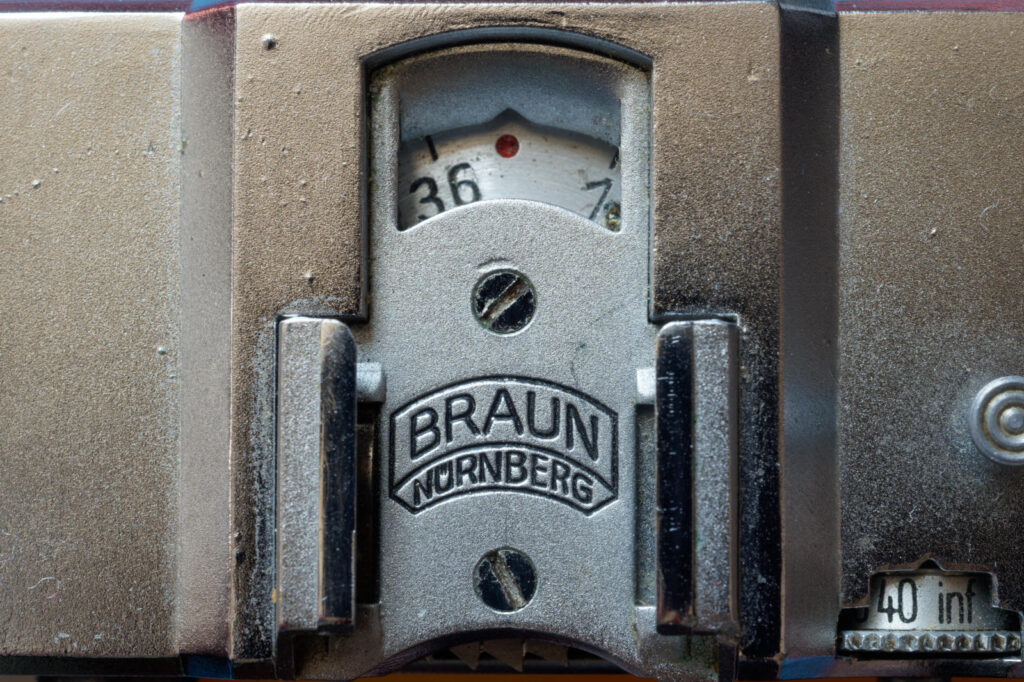
The industrial history of post-war Germany is often defined by the rapid resurgence of its precision engineering and optical sectors, a period during which Nuremberg-based Carl Braun Camera-Werke carved a distinct niche with its Paxette range of 35mm cameras. While the "Braun" name is globally synonymous today with the consumer appliances and grooming products manufactured by the Frankfurt-based subsidiary of Procter & Gamble, the Nuremberg firm of Karl Braun KG was an entirely separate entity with a lineage dating back to 1915. Founded six years prior to its more famous namesake, the company initially specialized in optical instruments and metalware before pivoting toward the burgeoning amateur photography market after the Second World War. By 1948, the firm rebranded as Carl Braun Camera-Werke, setting the stage for the 1951 debut of the Paxette, a camera series that would become a staple of the mid-century photographic landscape.
A Legacy of Distinction: The Two Brauns of German Industry
To understand the market position of the Paxette, one must first distinguish between the two major German companies bearing the Braun name. The Frankfurt Braun, famous for its modernist design ethos under Dieter Rams, focused on radios, record players, and eventually electric shavers. While that company did venture into movie cameras and slide projectors, it never produced still-film cameras. Conversely, the Nuremberg-based Carl Braun Camera-Werke dedicated its primary resources to the Paxette range and the highly successful Paximat line of slide projectors.
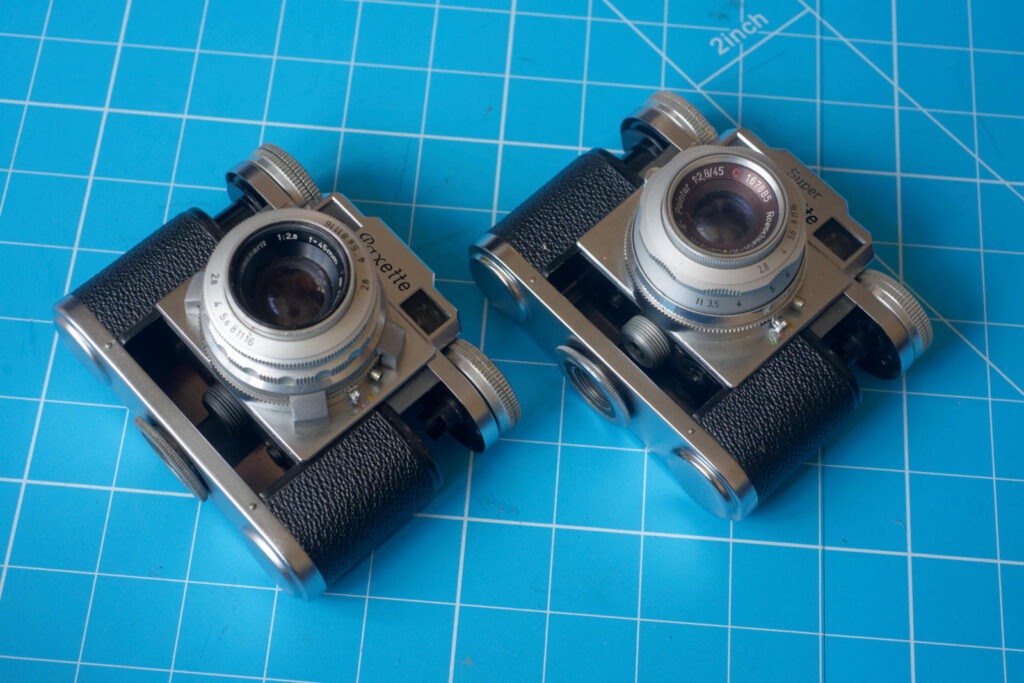
The Nuremberg firm’s decision to enter the 35mm market in the early 1950s was a strategic response to the "Wirtschaftswunder" or Economic Miracle. As the German middle class expanded, there was a growing demand for compact, high-quality photographic tools that were more affordable than the prestigious Leica or Contax systems but more capable than basic box cameras. The Paxette filled this vacuum, offering a modular, diminutive design that emphasized portability and mechanical reliability.
Technical Architecture of the Paxette Series
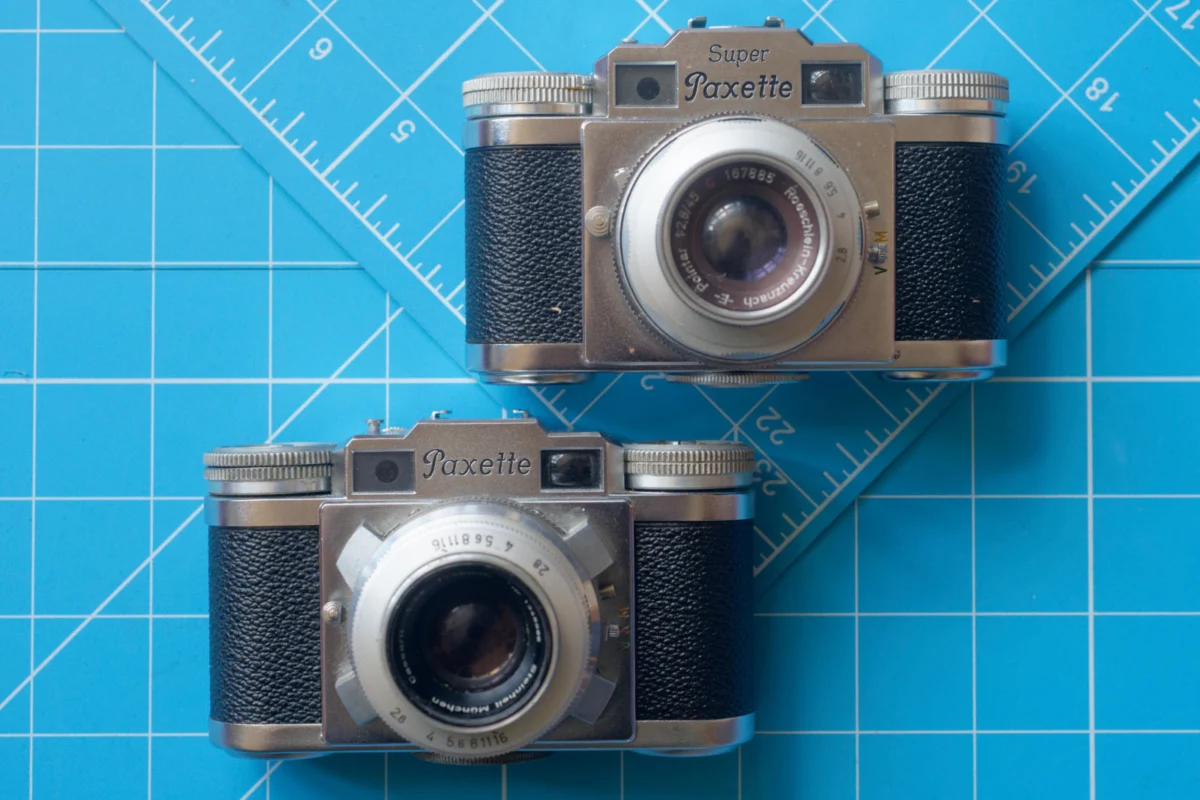
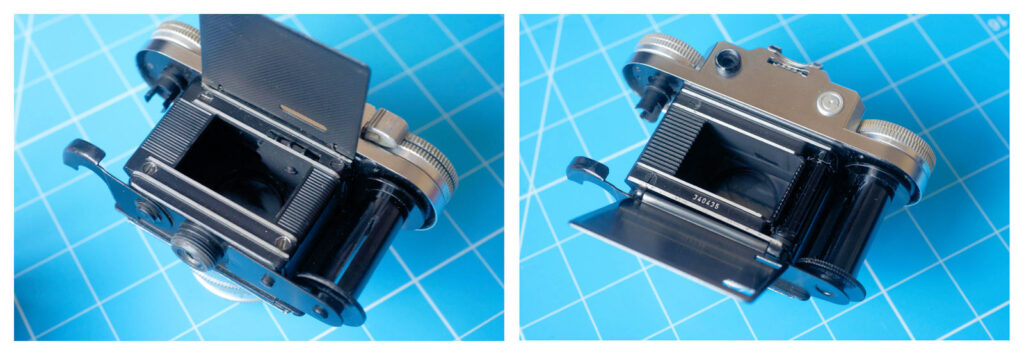
The Paxette range is characterized by a unique "clamshell" or two-part body construction. Unlike the hinged backs common in contemporary Kodak or Voigtländer models, the Paxette featured a rear section comprising the back, sides, and base that slid off downward as a single unit. This design choice ensured a high degree of structural rigidity and simplified the film loading process, though it required a fixed spring mechanism to maintain tension on the internal pressure plate.
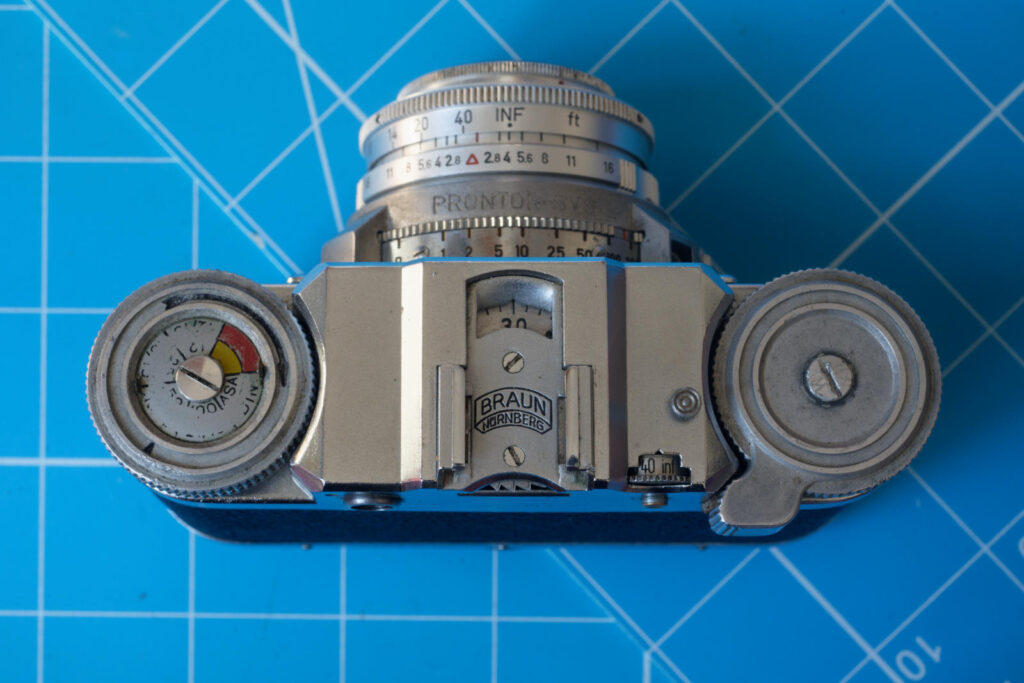
Mechanically, the Paxette utilized a modular shutter-lens unit. The shutter release was integrated directly into the lens mount, a design that minimized the complexity of the camera’s internal linkages. While this simplicity was a hallmark of the range, it also meant that the camera’s film advance mechanism was responsible for both moving the film and cocking the shutter simultaneously, a feat of miniaturized engineering that remains a point of interest for vintage camera restorers today.
Chronology of Development and Model Variants
The evolution of the Paxette can be traced through several distinct phases of German optical innovation:
- 1915: Karl Braun KG is founded in Nuremberg, focusing on optical equipment.
- 1948: Rebranding to Carl Braun Camera-Werke signals a new focus on 35mm still photography.
- 1951: Launch of the first Paxette, featuring a flat top-plate, fixed 45mm lens, and knob wind mechanism.
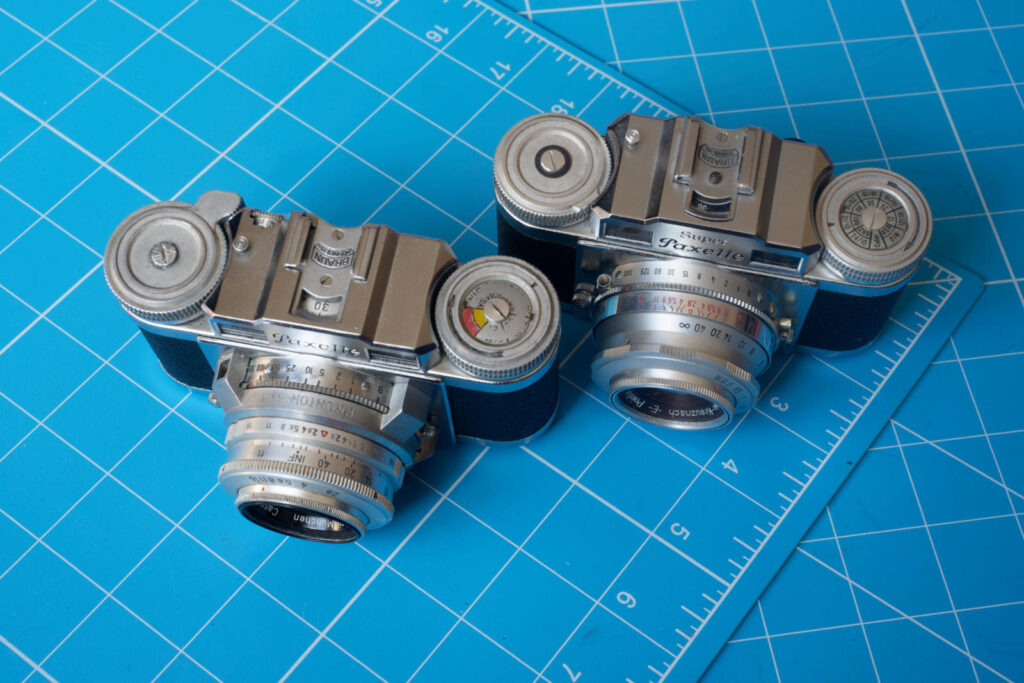
- 1953–1955: Introduction of the Paxette II, featuring interchangeable lenses and an uncoupled rangefinder.
- 1956–1958: The "Super" Paxette models arrive, introducing coupled rangefinders and lever-wind mechanisms, representing the pinnacle of the series’ mechanical sophistication.
- Post-1958: Introduction of bright-line viewfinders and higher top-plates to accommodate more complex optical viewing systems.
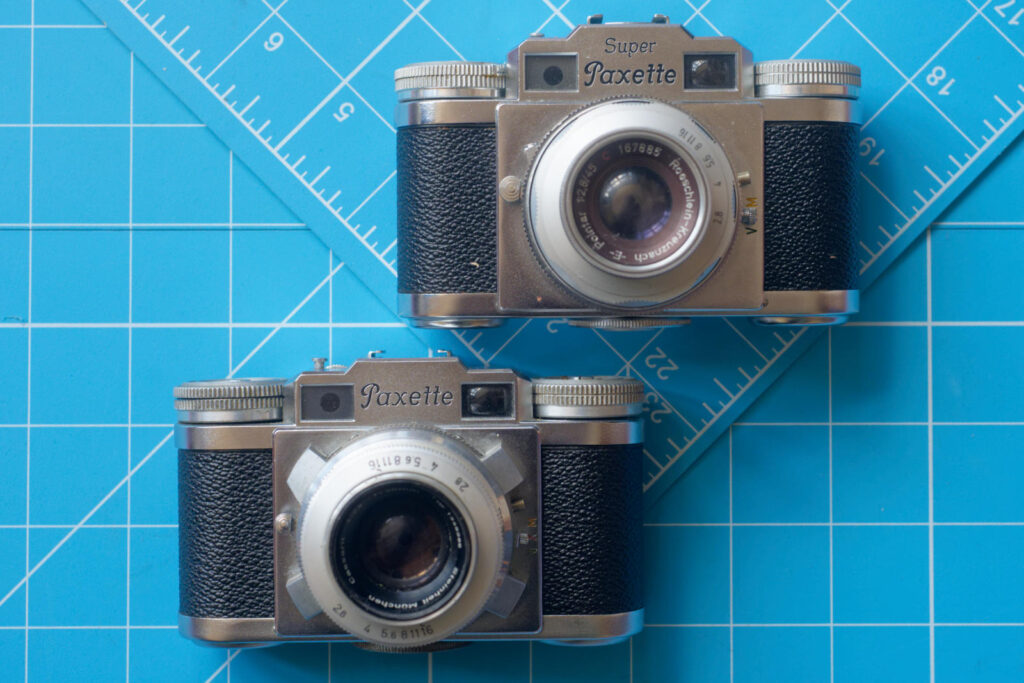
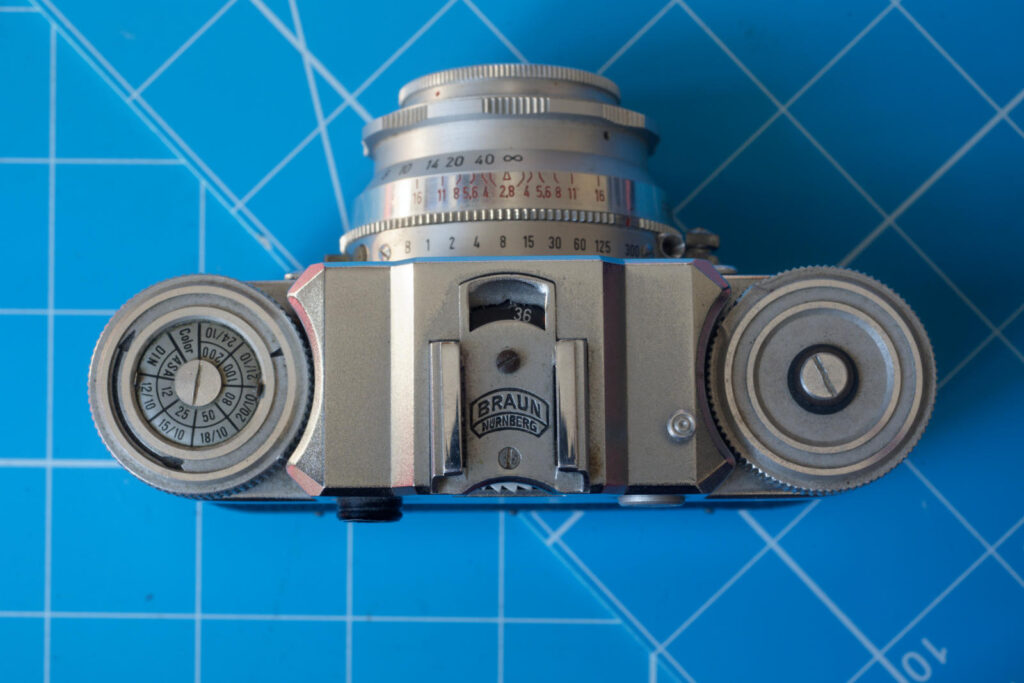
In total, historians identify approximately 14 variants of the standard Paxette and at least seven "Super" models. These variations were often distinguished by their integrated light meters—ranging from simple extinction meters to more advanced selenium cells—and their winding mechanisms, which transitioned from traditional knobs to rapid-advance levers.
Optical Versatility and the M39 Registration Deviation
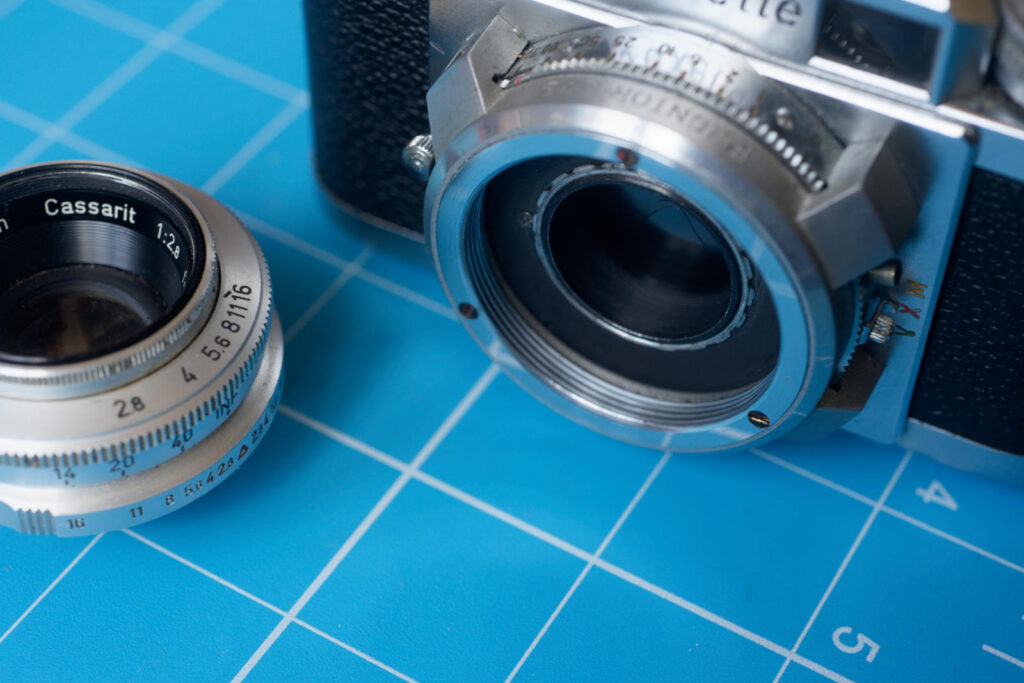
One of the most technically significant aspects of the Paxette II and Super Paxette series was the implementation of an interchangeable lens system using an M39 screw mount. However, Braun’s implementation of this mount was idiosyncratic. While the Leica Thread Mount (LTM) also utilized a 39mm diameter, it operated with a registration distance (flange focal distance) of 28.8mm. Braun, seeking to accommodate the leaf shutters produced by Prontor, utilized a significantly longer registration distance of 44mm.
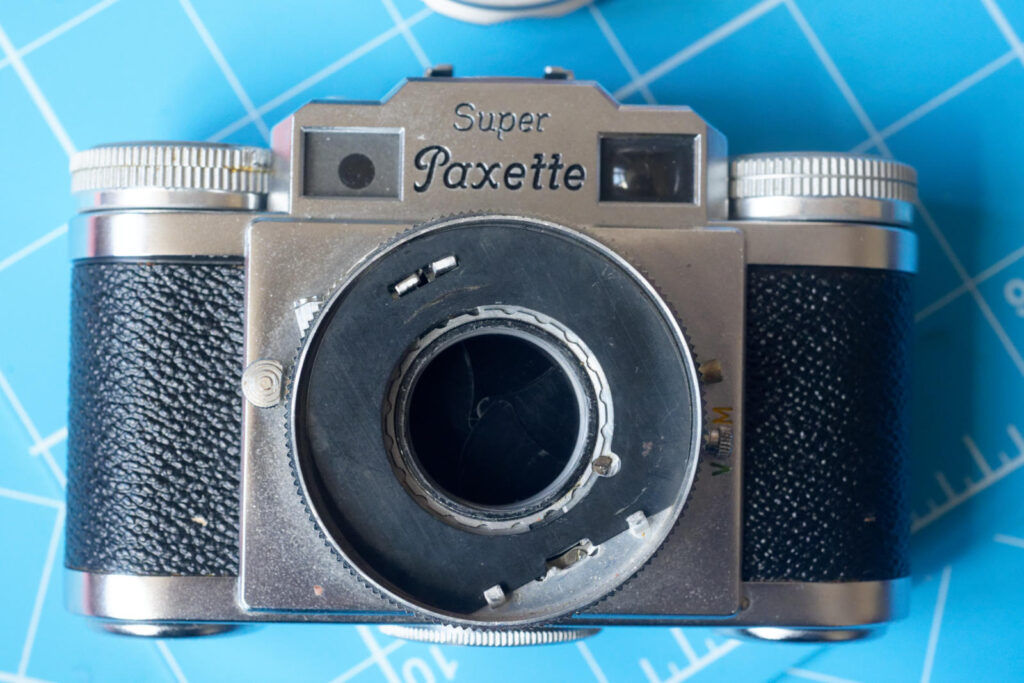
This 44mm standard created a unique ecosystem of lenses. While Paxette owners could not use Leica lenses, they had access to a wide array of optics from premier German manufacturers, including:
- Steinheil of Munich: Notable for the Cassarit 45mm f/2.8.
- Roeschlein-Kreuznach: Produced the Pointar and Luxar series.
- Carl Zeiss and Schneider: Occasionally provided high-end optics for the range.
- Staeble: Known for the Kata and Choro lenses.
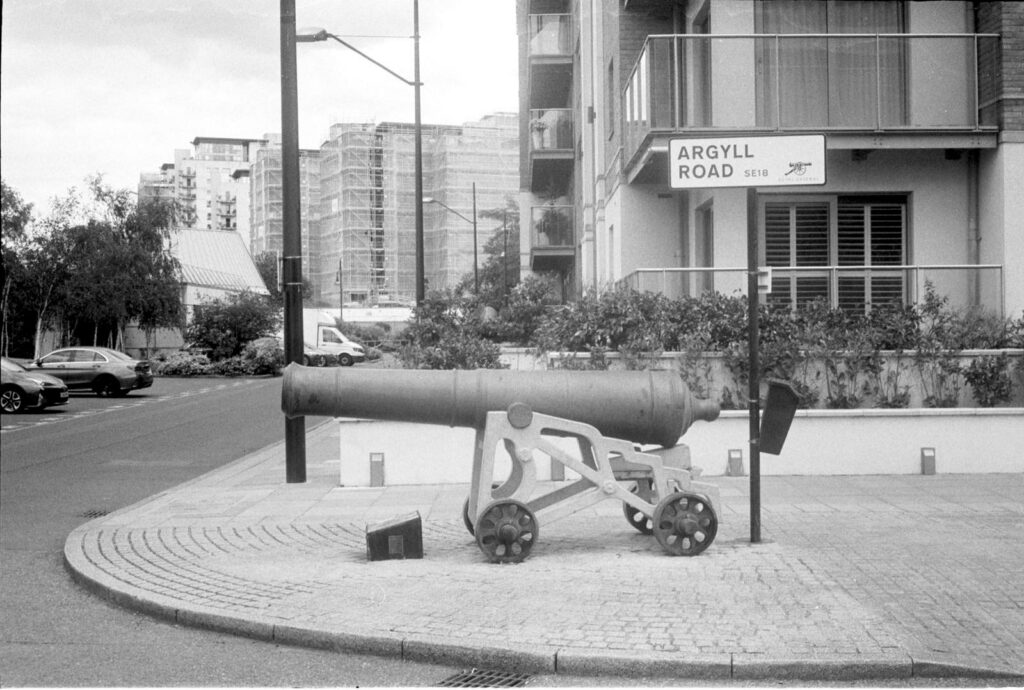
The availability of lenses ranging from 35mm wide-angles to 135mm telephotos made the Paxette a "poor man’s Leica," providing a level of system flexibility rarely seen in cameras of its size and price bracket.
Mechanical Performance and the Prontor-SVS Shutter
The heart of the later Paxette models was the Prontor-SVS leaf shutter. With speeds ranging from 1 second to 1/300th of a second, plus a Bulb (B) setting, the shutter was a robust, if not exceptionally fast, mechanical component. A notable feature of the SVS was its continuously variable nature; because it was a mechanical leaf system, users could theoretically set the shutter between marked speeds to achieve intermediate exposures, though the accuracy of such settings was often unverified.
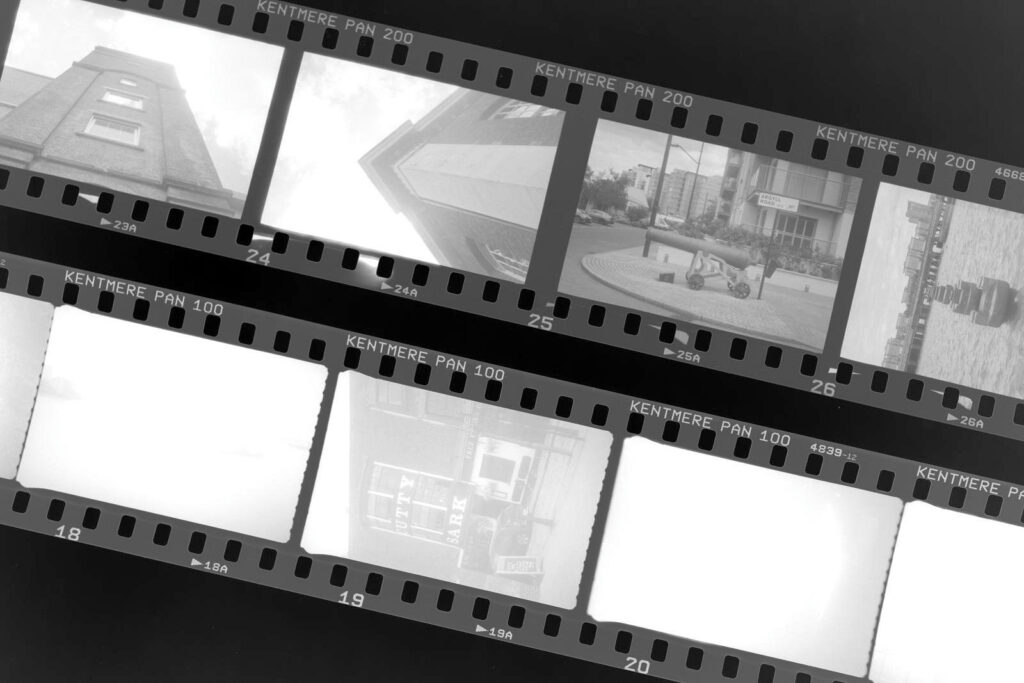
However, the age of these units often presents challenges for modern users. Leaf shutters are prone to "gumming" over decades as lubricants thicken, leading to inconsistent timings at slower speeds. Furthermore, the 1/300th top speed, while standard for the 1950s, poses limitations when using modern high-sensitivity films in bright daylight, often necessitating the use of Neutral Density (ND) filters or the careful application of "Sunny 16" exposure principles.
The Viewfinder Challenge and Ergonomic Realities
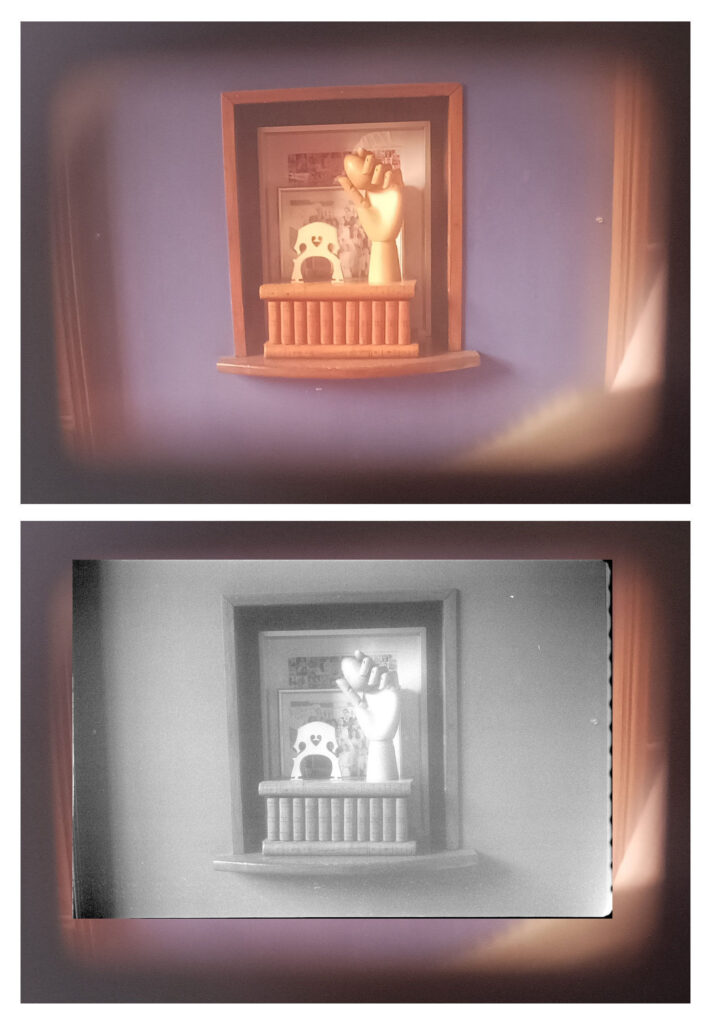
Despite its mechanical ingenuity, the Paxette series is frequently criticized for its viewing optics. Early models featured small, dim viewfinders that lacked parallax correction or bright-line frames. For photographers wearing spectacles, the viewfinders were particularly difficult to navigate, often showing a field of view that did not accurately represent the 45mm standard lens’s projection.
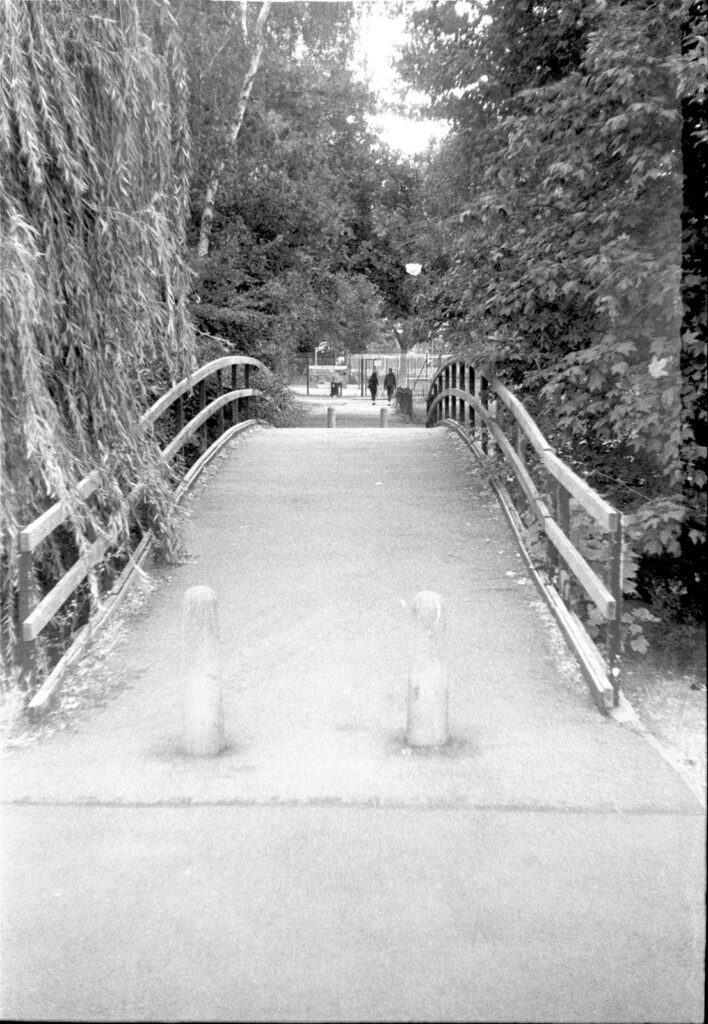
The "Super" models addressed some of these concerns by integrating a coupled rangefinder, allowing for more precise focusing. However, the uncoupled rangefinders on models like the Paxette IIM required the user to read a distance from a separate dial and manually transfer that data to the lens barrel. This two-step process, while common in the 1950s, highlights the era’s transition from guesswork focusing to precision optical alignment.
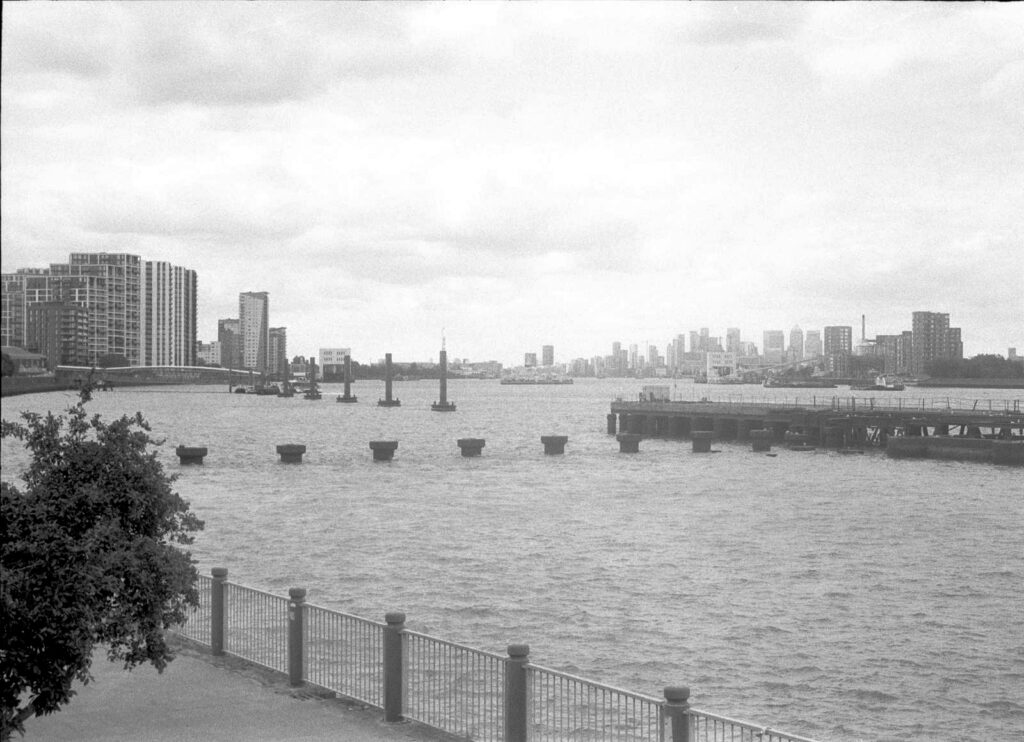
Comparative Analysis: The AGILux Connection
An intriguing chapter in the Paxette story is the apparent "convergent development" between Braun and the British firm Aeronautical General Instruments (AGI), specifically their AGILux subsidiary. Models like the Agimatic and Agima bear a striking resemblance to the Paxette IIM and Super Paxette in both form factor and mechanical philosophy.
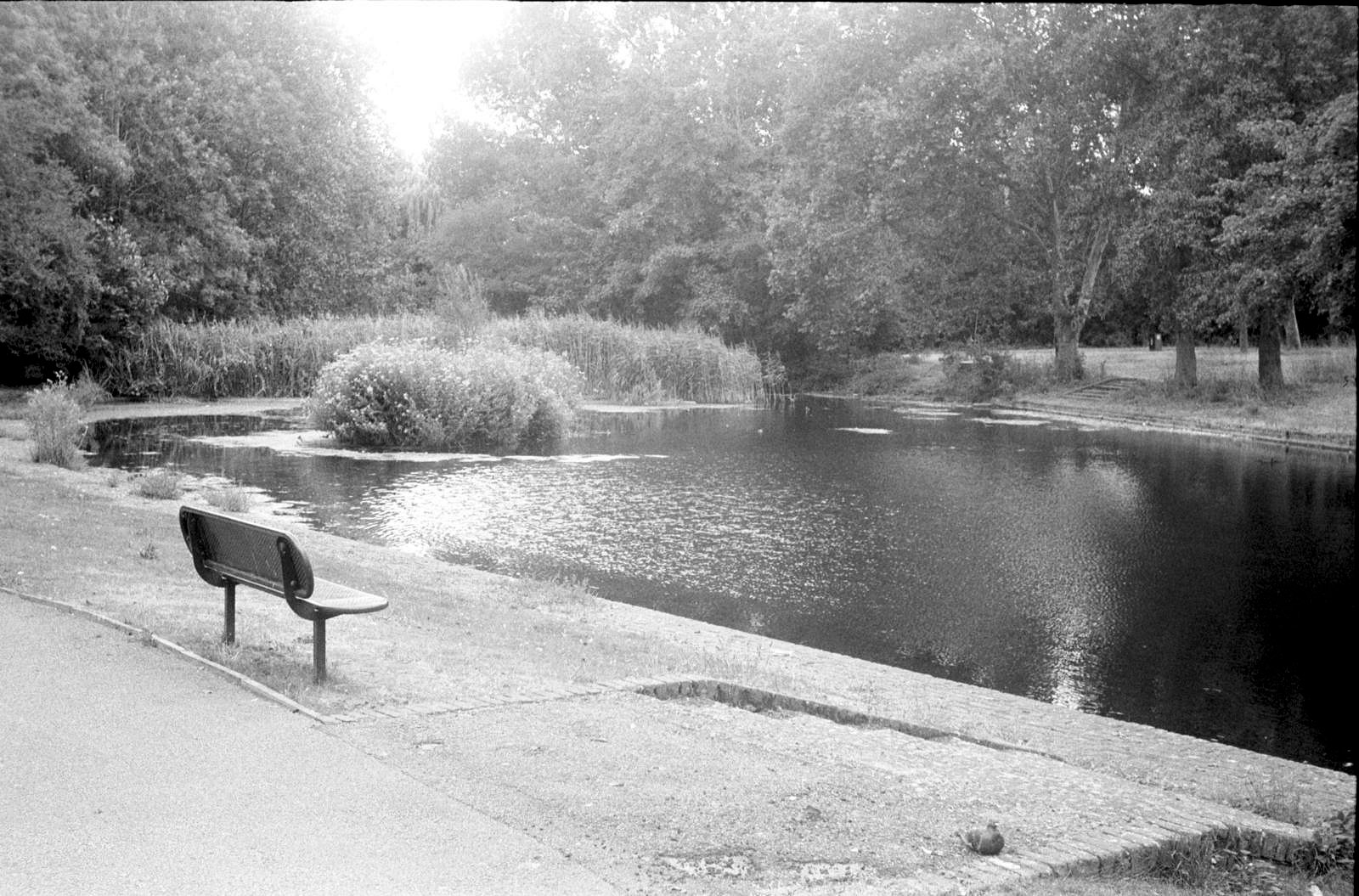
Industrial analysts have long speculated whether this was a result of formal patent sharing, post-war reparations, or mere industrial espionage. During the 1950s, British firms often utilized German patents that had been seized or made public after the war. The similarities in the two-part body design and the layout of the controls suggest a degree of cross-pollination that helped define the "compact 35mm" aesthetic of the mid-20th century.
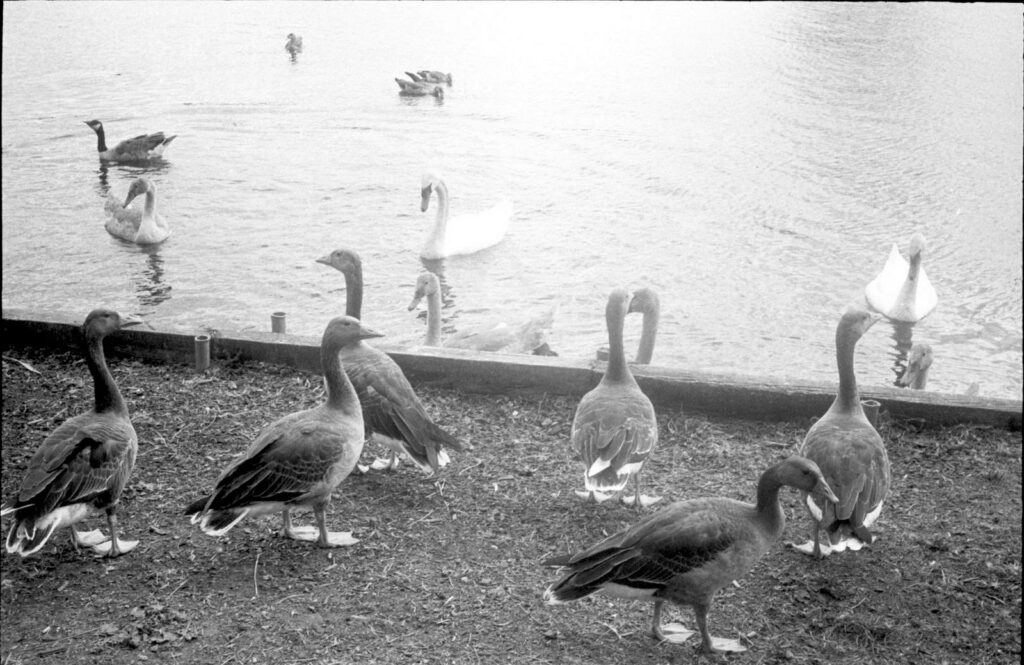
Market Impact and the Shift to Modernity
By the early 1960s, the market for rangefinder cameras began to decline as the Single Lens Reflex (SLR) rose to prominence. Carl Braun Camera-Werke, recognizing the shifting tides, gradually phased out film camera production to focus on its highly lucrative slide projector business. The Paximat range of projectors eventually became the company’s flagship product, dominating classrooms and living rooms across Europe for decades.
The transition was a masterclass in corporate survival. Unlike many of its contemporaries that folded under the pressure of Japanese competition in the 1970s, Braun Nuremberg pivoted toward optical peripherals. Today, the company operates as Braun Photo Technic. While they no longer manufacture the metal-bodied rangefinders of the 1950s, they remain a significant player in the digital imaging market, producing high-end film scanners, binoculars, and scouting cameras. Their headquarters in Nuremberg, shared with the scanner manufacturer Reflecta, stands as a testament to over a century of optical expertise.
Conclusion: The Paxette in the Modern Collector’s Market
For the modern enthusiast, the Braun Paxette represents a tangible link to the golden age of German mechanical engineering. Its quirks—the non-intuitive rewind engagement, the unique 44mm M39 mount, and the "sliding-drawer" body—are precisely what make it a compelling subject for film photographers today.
While it may not possess the silken operation of a Leica M-series, the Paxette offers a "mechanical honesty" and a compact form factor that remains highly functional. As long as the Prontor shutters are exercised and the lenses remain clear of haze, these 70-year-old instruments continue to produce images with the distinct character and micro-contrast that only vintage German glass can provide. The Paxette is more than a relic; it is a reminder of a time when Nuremberg was the center of a photographic revolution that brought high-quality imaging to the masses.