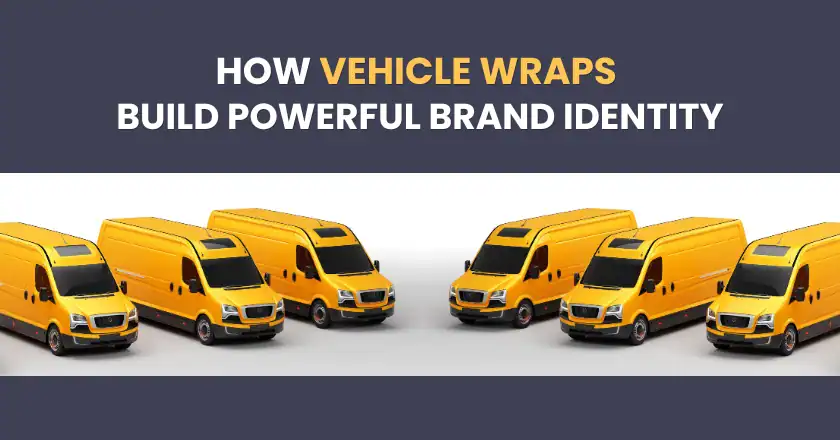
The modern commercial landscape has transformed every mile of the morning commute and every delivery route into a high-stakes marketing opportunity, as businesses increasingly recognize that a vehicle is no longer just a tool for transportation but a mobile cornerstone of brand identity. For enterprises operating fleets of any size, the transition from plain, unmarked vans to professionally wrapped mobile billboards represents a strategic shift toward building long-term consumer trust and maximizing market penetration. In an era where digital noise is at an all-time high, the physical presence of a well-branded fleet provides a tangible sense of legitimacy and professionalism that few other advertising mediums can replicate.
The Strategic Shift Toward Mobile Brand Equity
The evolution of fleet branding has moved far beyond simple door magnets or basic lettering. Today, high-quality vehicle wraps serve as a primary touchpoint for customer interaction, often acting as the first physical representation of a company a potential client sees. This visual "first impression" is critical in industries ranging from home services and logistics to retail and food distribution. Industry analysts note that a single vehicle wrap can generate between 30,000 and 70,000 impressions daily, depending on the route and population density. Unlike static billboards, which are limited by location, a branded fleet moves with the market, placing the brand in front of diverse demographics in residential, commercial, and industrial zones.
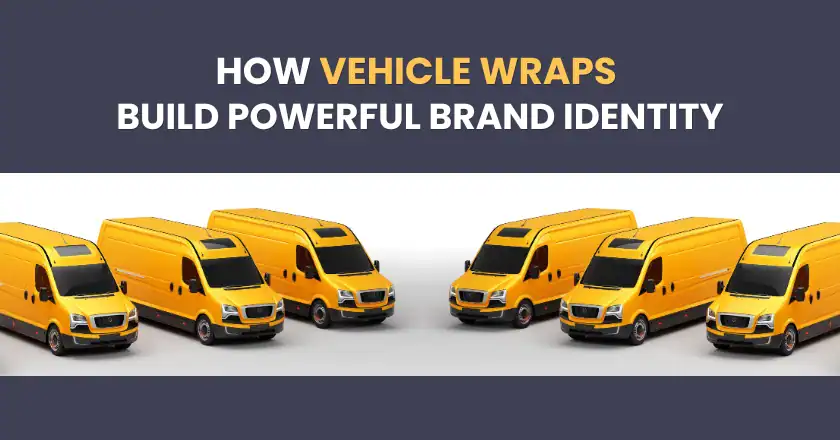
Central to this movement is the concept of visual consistency. When a consumer sees a uniform fleet of vehicles in their neighborhood, it creates an psychological association with reliability and success. It signals that the company is established, has the resources to maintain a professional appearance, and is committed to a high standard of service. This "legitimacy factor" is particularly vital for service-based businesses where employees enter private homes; a branded vehicle provides immediate peace of mind and verification of identity.
The Role of Digital Resource Hubs in Fleet Transformation
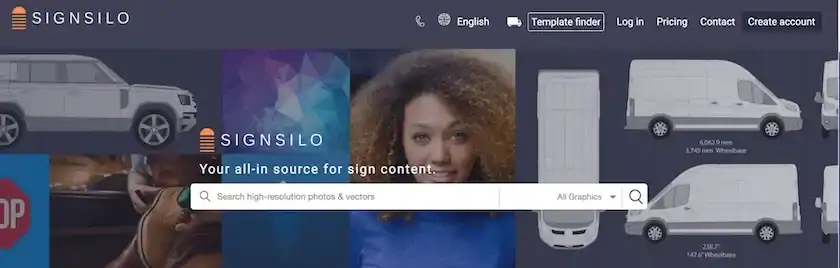
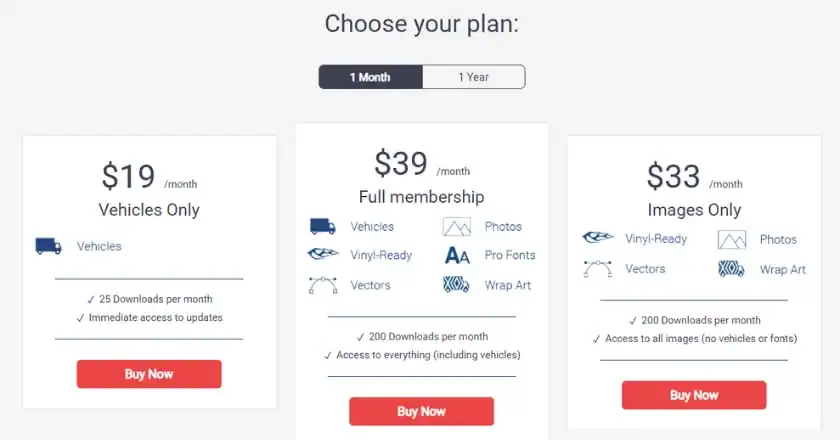
The technical execution of a professional fleet wrap requires a sophisticated blend of graphic design, automotive precision, and high-quality materials. This is where specialized resource hubs like SignSilo have become indispensable to the sign-making and vehicle wrap industry. By providing a comprehensive library of vehicle templates, high-resolution photography, and production-ready vector graphics, platforms like SignSilo democratize high-end design for shops of all sizes.
For a wrap shop to successfully brand a fleet, they must account for the specific contours, handles, and windows of hundreds of different vehicle makes and models. SignSilo’s library offers precise templates that ensure a design created on a computer screen translates perfectly to a three-dimensional vehicle surface. This precision reduces material waste and labor costs, allowing wrap providers to offer more competitive pricing to fleet managers. Furthermore, the availability of "free testers" allows professionals to verify the quality and scale of these templates before committing to a full production run, ensuring that the final product meets the rigorous demands of professional branding.

The Economics of Impression: A Data-Driven Analysis
When comparing the cost-effectiveness of various advertising channels, vehicle wraps consistently emerge as the leader in return on investment (ROI). Data from the Outdoor Advertising Association of America (OAAA) suggests that the cost per thousand impressions (CPM) for vehicle wraps is approximately $0.48. In contrast, traditional billboards can cost nearly $4.00 per thousand impressions, and a one-third page black-and-white newspaper ad can exceed $20.00 per thousand.
The longevity of a vehicle wrap further enhances its economic value. A high-quality vinyl wrap, when properly maintained, can last between five and seven years. This means a one-time investment provides continuous, 24/7 advertising for more than half a decade. For a fleet of 50 vehicles, the cumulative brand exposure is astronomical, often rivaling the reach of regional television or radio campaigns at a fraction of the cost. Additionally, wraps protect the vehicle’s original paint from UV rays and minor abrasions, which helps preserve the resale value of the fleet assets—a secondary but significant financial benefit for business owners.
Chronology of a Professional Fleet Branding Project
The process of turning a fleet into a trust-building asset follows a meticulous timeline that balances creative vision with technical constraints:
- Brand Audit and Strategy: The business identifies key messaging, logo placement, and the core "vibe" of the brand.
- Asset Acquisition: Designers utilize resources like SignSilo to download accurate vehicle templates for the specific models in the fleet (e.g., Ford Transits, Mercedes Sprinters, or heavy-duty trailers).
- Concept Design: Designers create a unified visual language that can be scaled up or down. A design that looks great on a small hatchback must be adapted to maintain impact on a 53-foot trailer.
- Technical Proofing: Using vector graphics and high-resolution images, the design is mapped onto the 3D template to ensure that doors, handles, and sensors do not interfere with critical information like phone numbers or QR codes.
- Print and Laminate: The design is printed on high-performance cast vinyl and covered with a UV-protective laminate.
- Installation: Professional installers apply the vinyl, using heat and specialized tools to ensure a seamless fit.
- Maintenance and Monitoring: The fleet is put into service, with regular cleaning schedules established to ensure the brand remains "polished" in the eyes of the public.
Consumer Psychology and the "Neighborhood Effect"
Marketing psychologists have long studied the "mere exposure effect," which suggests that people tend to develop a preference for things merely because they are familiar with them. In the context of fleet branding, this manifests as the "Neighborhood Effect." When a homeowner sees a local plumbing company’s branded van parked at a neighbor’s house three times in a month, that company becomes the default choice when their own pipes burst. The branded vehicle serves as a silent testimonial, suggesting that the neighbors trust this business.
Furthermore, a study by the American Trucking Association (ATA) found that 91% of people noticed the words and pictures on fleet vehicles, and 75% formed an opinion about a company based on its vehicle graphics. Crucially, 29% of respondents indicated they would base a buying decision on those impressions. This data highlights that fleet branding is not just about "being seen"—it is a direct driver of consumer behavior and revenue growth.
Broader Impact on Small and Mid-Sized Enterprises (SMEs)
Perhaps the most significant impact of modern vehicle wrapping technology and accessible design resources is the leveling of the playing field. In the past, only large corporations with massive marketing budgets could afford the kind of nationwide brand recognition that comes from a uniform fleet. Today, a local bakery with two delivery vans or a regional HVAC company with ten trucks can achieve the same level of professional visual identity.

By leveraging subscription-based services for design assets, small businesses can avoid the high costs of custom agency work while still producing world-class graphics. This allows SMEs to project an image of "bigness" and stability, helping them compete with national franchises. As the quality of digital printing and vinyl technology continues to improve, the gap between small-business branding and corporate-level marketing continues to close.
Future Implications: Sustainability and Digital Integration
Looking forward, the vehicle wrap industry is beginning to integrate with digital and sustainable technologies. "Smart wraps" featuring QR codes or NFC (Near Field Communication) tags allow passersby to interact with the vehicle, instantly visiting a website or claiming a discount code while the vehicle is parked. This creates a bridge between physical OOH (Out-of-Home) advertising and digital conversion tracking.
Additionally, as businesses move toward electric vehicle (EV) fleets to meet sustainability goals, the branding on those vehicles is evolving to highlight environmental responsibility. A wrap on an electric delivery van does double duty: it promotes the brand while simultaneously signaling the company’s commitment to a greener future. The use of eco-friendly, PVC-free vinyl films is also on the rise, aligning the physical marketing asset with modern corporate social responsibility (CSR) values.
Conclusion: The Moving Ambassador
Ultimately, the transformation of a fleet into a source of trust is a testament to the power of consistent, high-quality visual communication. Every vehicle on the road is an ambassador for the business it represents. Through the use of professional resources like SignSilo and a commitment to design excellence, companies are no longer just driving from point A to point B; they are building a moving legacy of professionalism. In the competitive landscape of modern commerce, the businesses that succeed are those that understand that their brand identity must be as mobile, resilient, and visible as the vehicles they operate. Turning a fleet into a trusted brand is not merely an aesthetic choice—it is a fundamental business strategy that drives recognition, fosters community trust, and ensures long-term growth.