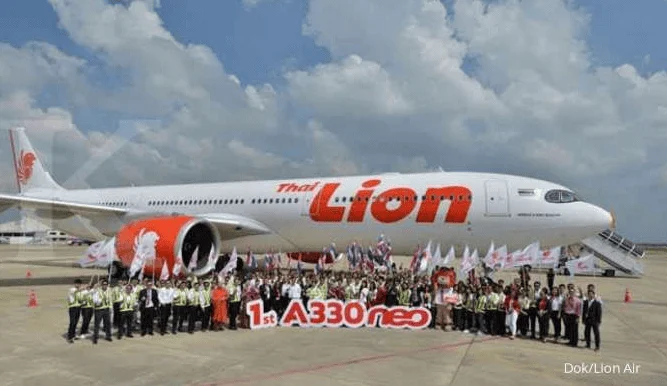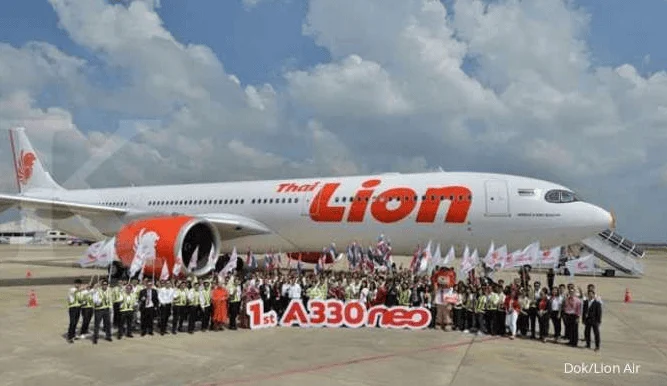
The arrival of two Airbus A330neo aircraft at Don Mueang International Airport on October 7, 2021, represents a transformative moment for Thai Lion Air, signaling a strategic pivot toward long-haul international operations and enhanced cargo capabilities. These aircraft, delivered directly from the Airbus production facility in Toulouse, France, were greeted with a traditional water cannon salute and a formal blessing ceremony, underscoring their importance to the carrier’s post-pandemic recovery strategy. The event was attended by high-ranking dignitaries, including the French Ambassador to Thailand and the Head of Airbus Thailand, reflecting the international cooperation inherent in modern aviation logistics. As the aviation industry begins to navigate the complexities of a global recovery, the induction of these wide-body jets positions Thai Lion Air to compete more aggressively in the high-capacity, long-distance market.
A Strategic Milestone in Fleet Modernization
The delivery of the Airbus A330-900 (A330neo) is the culmination of a long-term fleet renewal program designed to optimize operational efficiency. For Thai Lion Air, a member of the Indonesia-based Lion Air Group, the transition to wide-body aircraft is not merely about increasing seat capacity but about fundamentally altering its unit cost structure. The A330neo is engineered to provide a 25% reduction in fuel burn and CO2 emissions compared to previous-generation aircraft, a factor that is increasingly critical as airlines face rising fuel costs and tightening environmental regulations.
The blessing ceremony held at Don Mueang International Airport served as both a cultural tradition and a formal commissioning of the assets. By bringing in the A330neo, Thai Lion Air joins a select group of regional low-cost carriers (LCCs) capable of operating medium-to-long-haul routes with the efficiency typically reserved for full-service legacy carriers. This move is particularly significant given the competitive landscape of Thai aviation, where the battle for market share between LCCs has historically been fought on narrow-body, short-haul domestic routes.
Technical Specifications and the Airspace Cabin Experience
The Airbus A330neo (New Engine Option) is powered by the latest-generation Rolls-Royce Trent 7000 engines. These powerplants are a key component of the aircraft’s efficiency, featuring a high bypass ratio and advanced materials that allow for quieter operation and longer maintenance intervals. Furthermore, the aircraft features new high-span wings equipped with "Sharklets"—composite wingtip extensions that improve lift and reduce drag.
Inside the cabin, Thai Lion Air has opted for a high-density, single-class configuration capable of seating up to 436 passengers. While the high seat count is designed to maximize revenue on high-demand routes, the aircraft utilizes the "Airspace by Airbus" cabin philosophy to maintain passenger comfort. This design includes:
- Enhanced Personal Space: Reconfigured side panels and window bezels that provide more shoulder room.
- Advanced Lighting: Full LED ambient lighting systems that can simulate different times of day to help reduce jet lag.
- Expanded Storage: Larger overhead bins capable of holding more carry-on luggage, a frequent pain point for LCC passengers.
- Quietness: The A330neo is recognized as one of the quietest cabins in its class, significantly reducing passenger fatigue on flights exceeding six hours.
By integrating these features, Thai Lion Air aims to bridge the gap between low-cost pricing and a premium-feeling environment, a strategy essential for attracting travelers on longer routes to North Asia and Australia.
Navigating the Pandemic Landscape and Operational Delays
The timing of the A330neo arrival is inextricably linked to the broader context of the COVID-19 pandemic. While the aircraft were scheduled for delivery and deployment earlier, the global collapse in air travel demand and the stringent border closures in Thailand and its neighboring countries necessitated a tactical pause. During 2020 and most of 2021, the Thai aviation sector faced unprecedented challenges, with many carriers grounding their entire fleets.
However, the late 2021 delivery coincides with the gradual reopening of Thailand’s borders through initiatives like the "Phuket Sandbox" and the subsequent "Test & Go" programs. Thai Lion Air’s management has indicated that while the initial focus remained on domestic trunk routes to handle high-volume local traffic, the ultimate goal for the A330neo fleet is to serve key international hubs. Potential destinations include major cities in China, Japan, and South Korea, which were primary markets for Thai tourism prior to 2020.
The delay in international operations also allowed the airline to refine its cargo strategy. The A330neo offers significant under-floor cargo capacity, which became a vital revenue stream for airlines during the pandemic when passenger numbers were low but global supply chains remained strained. The ability to carry large volumes of belly-hold freight provides Thai Lion Air with a financial buffer against fluctuations in passenger demand.
Economic Implications for Thailand’s Aviation Sector
The expansion of Thai Lion Air’s fleet has broader implications for the Thai economy, particularly in the realms of tourism and trade. As a tourism-dependent nation, Thailand relies on the connectivity provided by its resident airlines to bring in high-spending international visitors. The introduction of more efficient, high-capacity aircraft like the A330neo helps lower the average ticket price, making Thailand a more attractive destination in a competitive regional market.
Furthermore, the presence of Airbus facilities and a strong diplomatic relationship with France, as evidenced by the presence of the French Ambassador at the delivery ceremony, highlights the importance of foreign direct investment and technological transfer. Airbus has a significant footprint in Thailand, including a flight training center and maintenance partnerships. The adoption of the A330neo by Thai carriers strengthens this industrial ecosystem, creating high-value jobs for Thai engineers, pilots, and technicians who must be trained to operate and maintain these sophisticated machines.
Environmental Sustainability and Industry Trends
The aviation industry is under increasing pressure to reach "Net Zero" carbon emissions by 2050. For an airline like Thai Lion Air, the A330neo is a primary tool for meeting these sustainability targets. The 25% reduction in fuel consumption per seat is not just a cost-saving measure; it is a necessary step in reducing the carbon footprint of the Thai transport sector.
This shift reflects a global trend where airlines are retiring older, four-engine aircraft or less efficient twin-engine models in favor of "neo" or "XWB" (Extra Wide Body) variants. By investing in new technology now, Thai Lion Air is future-proofing its fleet against potential carbon taxes and environmental levies that are expected to become more prevalent in international aviation.
Chronology of Thai Lion Air’s Evolution
To understand the significance of the A330neo delivery, one must look at the timeline of Thai Lion Air’s growth:
- 2013: Thai Lion Air is established as a joint venture, beginning operations with Boeing 737-900ER aircraft.
- 2014-2017: Rapid domestic expansion, connecting Bangkok (Don Mueang) to major provincial hubs like Chiang Mai, Phuket, and Hat Yai.
- 2018: The airline begins exploring wide-body operations to accommodate growing demand for international travel.
- 2019: Plans for the A330neo induction are finalized as part of a Lion Air Group-wide order with Airbus.
- 2020: The pandemic forces a restructuring of the airline’s network and a temporary suspension of international flights.
- October 2021: The first two A330neo aircraft arrive, marking the start of the airline’s "recovery phase."
Future Outlook: A New Chapter in International Travel
As Thai Lion Air integrates these two aircraft into its daily operations, the focus will shift toward route optimization. The airline’s ability to successfully deploy these jets will depend on the pace at which international travel restrictions are lifted across the Asia-Pacific region. Industry analysts suggest that the LCC long-haul model, while challenging, is poised for a resurgence as travelers become more price-sensitive in the wake of the pandemic’s economic impact.
The A330neo provides the range and economics to allow Thai Lion Air to bypass traditional hub-and-spoke models, offering point-to-point service that appeals to modern travelers. Whether it is transporting hundreds of tourists to the beaches of Southern Thailand or moving essential electronics and agricultural products in its cargo hold, the A330neo is a versatile asset that defines the next era of the airline.
In conclusion, the arrival of the first Airbus A330neo units for Thai Lion Air is more than a simple fleet addition; it is a statement of resilience and ambition. By investing in state-of-the-art technology during a period of global uncertainty, the airline has demonstrated its commitment to the Thai market and its confidence in the eventual return of robust international air travel. With its combination of fuel efficiency, passenger comfort, and high capacity, the A330neo is set to become the flagship of the Thai Lion Air fleet, driving the company’s growth for the next decade.