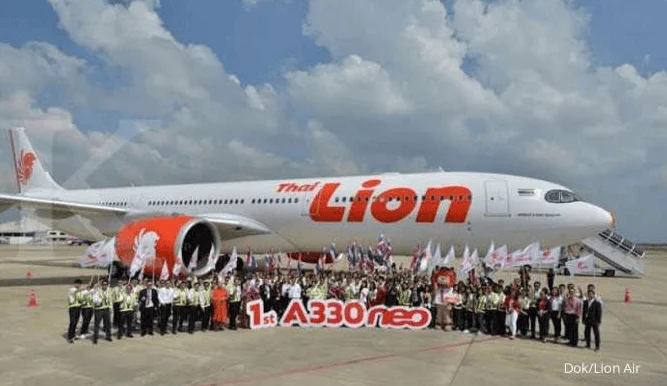
The arrival of the first two Airbus A330neo aircraft at Don Mueang International Airport in Bangkok marks a transformative era for Thai Lion Air, a prominent low-cost carrier in the Southeast Asian region. On October 7, 2021, the airline formally inducted these state-of-the-art wide-body vessels into its fleet, signaling a strategic pivot toward long-haul international expansion and enhanced cargo capabilities. The aircraft, which transitioned directly from the Airbus production facility in Toulouse, France, were greeted with a traditional water salute and a formal blessing ceremony. This event was attended by high-ranking dignitaries, including the French Ambassador to Thailand and the Head of Airbus Thailand, underscoring the industrial and diplomatic significance of this fleet modernization.
A Strategic Milestone in Thai Aviation
The induction of the Airbus A330neo (New Engine Option) is more than a simple fleet addition; it represents Thai Lion Air’s commitment to recovering and thriving in a post-pandemic aviation landscape. Founded in 2013 as a joint venture between Indonesian Lion Air and Thai partners, the airline initially focused on domestic routes and short-haul regional flights using narrow-body Boeing 737 aircraft. The acquisition of the A330neo allows the carrier to compete more effectively in the long-haul, low-cost market, positioning itself against regional rivals by offering competitive pricing on routes that span across Asia and into the Middle East and Oceania.
The timing of the delivery, while occurring during a period of global travel restrictions, reflected a long-term vision. By securing these aircraft, Thai Lion Air positioned itself to capture the pent-up demand for international travel as borders began to reopen. Furthermore, the wide-body capacity provided an immediate boost to the airline’s cargo operations, which became a vital revenue stream during the years when passenger numbers were suppressed by health protocols.
Technical Sophistication of the Airbus A330neo
The Airbus A330neo is the latest evolution of the highly successful A330 family, incorporating cutting-edge technology to optimize operational costs and passenger comfort. Central to its performance are the Rolls-Royce Trent 7000 engines. These powerplants are designed to deliver a 14% improvement in fuel efficiency per seat compared to previous-generation A330ceo aircraft. This efficiency is achieved through a combination of a higher bypass ratio, advanced materials, and improved aerodynamics.
Beyond the engines, the A330neo features a redesigned wing with a larger span and advanced "Sharklets"—wingtip devices inspired by the A350 XWB that reduce drag and improve lift. For an airline like Thai Lion Air, these technical enhancements translate directly into lower fuel burn, which is the largest operating expense for any carrier. This cost-saving allows the airline to maintain its low-cost model even on flights exceeding eight or nine hours in duration.
High-Capacity Configuration and the Airspace Cabin
Thai Lion Air has opted for a high-density, single-class configuration for its A330neo fleet, accommodating up to 436 passengers. While this maximizes the revenue potential per flight, the aircraft utilizes the "Airspace by Airbus" cabin philosophy to ensure that passenger comfort is not compromised. The Airspace cabin is characterized by several key features:
- Increased Personal Space: Redesigned side walls and slimmer seats provide more shoulder room and lateral space for passengers.
- Advanced Lighting: Full LED ambient lighting systems are used to reduce jet lag by simulating different times of day, creating a more relaxing environment during long-haul transits.
- Enhanced Overhead Storage: The cabin features larger overhead bins, allowing for more carry-on luggage and reducing the time required for boarding and deplaning.
- Quiet Environment: The A330neo is recognized as one of the quietest cabins in its class, significantly reducing engine noise and vibration to improve the overall travel experience.
By integrating these features, Thai Lion Air aims to bridge the gap between low-cost pricing and a premium-feeling cabin environment, a strategy essential for maintaining customer loyalty in the competitive Thai aviation market.
Operational Strategy and Route Development
The primary objective for the A330neo fleet is the expansion of Thai Lion Air’s international footprint. Operating out of Don Mueang International Airport (DMK), the airline’s main hub, the aircraft are slated to serve high-demand destinations in North Asia, including Japan, South Korea, and China. These markets are critical for Thailand’s tourism sector, which relies heavily on visitors from these regions.
Prior to the pandemic, Thai Lion Air had begun exploring routes to Tokyo (Narita), Osaka (Kansai), and various cities in mainland China. The A330neo’s range of approximately 7,200 nautical miles (13,334 km) provides the airline with the flexibility to reach even more distant markets, such as Australia or Eastern Europe, should market conditions prove favorable.
However, the airline has remained pragmatic regarding its rollout. Following the 2021 arrival, initial operations were focused on domestic "trunk" routes—high-volume paths between Bangkok and major cities like Phuket or Chiang Mai—to facilitate crew training and aircraft familiarization. As international restrictions eased through 2022 and 2023, the focus shifted back to the original goal of long-distance international service.
Economic and Environmental Implications
The introduction of the A330neo carries significant weight for the Thai economy. Tourism accounts for nearly 20% of Thailand’s GDP, and the availability of affordable, long-haul flights is a primary driver of international arrivals. By lowering the cost of entry for travelers from distant markets, Thai Lion Air supports the broader hospitality, retail, and service industries within the kingdom.
From an environmental perspective, the A330neo represents a major step forward for the airline’s sustainability goals. The aviation industry is under increasing pressure to reduce its carbon footprint, and the 25% reduction in CO2 emissions offered by the A330neo (compared to older-generation competitors) is a substantial improvement. This efficiency aligns with global efforts to achieve net-zero emissions in aviation by 2050. Furthermore, the reduced noise footprint of the Trent 7000 engines makes the aircraft more compliant with the strict noise regulations found at many international airports, particularly in Europe and North Asia.
Impact on the Competitive Landscape
The arrival of the A330neo intensified the competition in the "Long-Haul Low-Cost" (LHLC) segment in Thailand. Thai Lion Air’s primary competitor in this space is Thai AirAsia X, which also operates a fleet of wide-body Airbus aircraft. The rivalry between these two carriers has historically led to lower airfares for consumers and a wider variety of travel options.
Additionally, the presence of modern wide-body aircraft at Don Mueang International Airport challenges the dominance of Suvarnabhumi Airport (BKK) as the sole gateway for long-haul travel. This decentralization helps alleviate congestion at BKK and provides passengers with more choices regarding their point of departure in Bangkok. For the Lion Air Group as a whole, the Thai subsidiary’s adoption of the A330neo serves as a blueprint for other regional branches, demonstrating how the group can integrate advanced Airbus technology alongside its traditional Boeing fleet.
Challenges and Future Outlook
Despite the technological advantages of the A330neo, Thai Lion Air faces several challenges. The volatility of global fuel prices can impact the profitability of long-haul routes, even with fuel-efficient aircraft. Furthermore, the recovery of the Chinese travel market—a cornerstone of Thai Lion Air’s international strategy—has been more gradual than initially anticipated following the pandemic.
Nevertheless, the airline’s management remains optimistic. The versatility of the A330neo, which can switch between high-capacity passenger service and heavy cargo transport, provides a safety net against market fluctuations. The airline continues to work closely with the Civil Aviation Authority of Thailand (CAAT) and international partners to ensure all safety and operational standards are met as they scale up their wide-body operations.
Conclusion: A New Chapter for Thai Lion Air
The arrival of the first Airbus A330neo aircraft in October 2021 was a defining moment for Thai Lion Air. It signaled the airline’s evolution from a regional domestic carrier to a serious contender in the international long-haul market. By investing in the latest aerospace technology, the airline has demonstrated a commitment to operational efficiency, environmental responsibility, and passenger comfort.
As the global aviation industry continues its recovery, the presence of these advanced aircraft in Bangkok ensures that Thai Lion Air is well-equipped to navigate the complexities of modern air travel. With a focus on strategic route expansion and a continued emphasis on the low-cost model, the carrier is poised to play a pivotal role in connecting Thailand to the world, supporting economic growth, and providing travelers with innovative and affordable flight options for years to come.