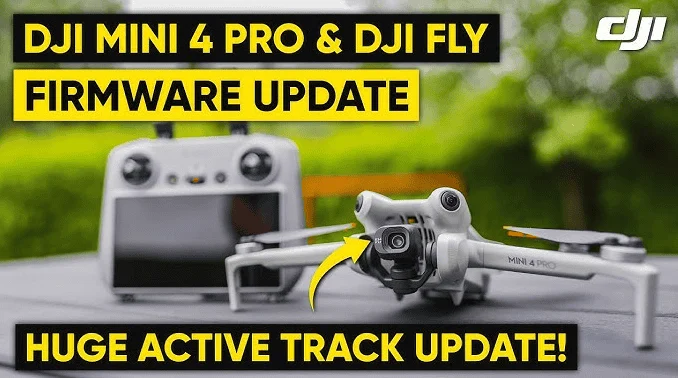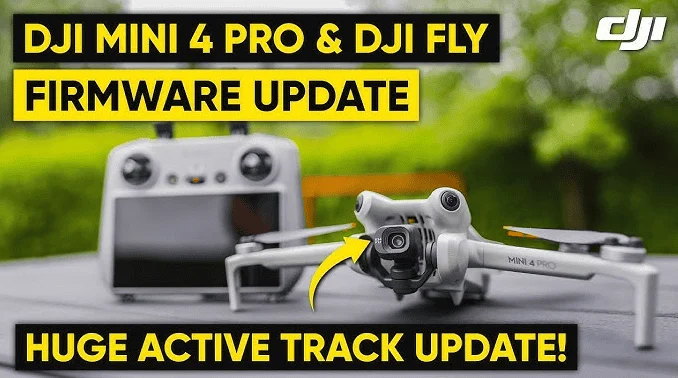
The DJI Mini 4 Pro firmware update represents a pivotal advancement for the consumer drone industry, specifically targeting the sub-250-gram category that has become the gold standard for both hobbyists and professional content creators. As regulatory environments in the United States, Europe, and Asia continue to evolve, the necessity for robust software support that maximizes hardware potential while ensuring safety compliance has never been higher. This latest iteration of firmware from DJI, the world’s leading unmanned aerial vehicle (UAV) manufacturer, introduces a suite of features designed to refine obstacle sensing, expand peripheral compatibility, and optimize the overall imaging pipeline. By bridging the gap between ultra-lightweight portability and professional-grade functionality, this update reinforces the Mini 4 Pro’s position as a market leader, offering users a more intuitive and secure flight experience through significant enhancements to the DJI Fly app and the drone’s internal flight controller systems.
Background and Market Context of the DJI Mini 4 Pro
Launched in late 2023, the DJI Mini 4 Pro was designed to succeed the highly successful Mini 3 Pro, introducing omnidirectional obstacle sensing for the first time in the "Mini" lineup. This hardware breakthrough allowed the drone to detect obstacles in all directions—front, back, left, right, and upward—making it an ideal tool for complex environments such as forests or urban settings. However, hardware alone does not define the modern drone experience; the software ecosystem is what translates sensor data into actionable safety features and creative tools.
The Mini 4 Pro occupies a unique niche because it weighs less than 249 grams, allowing it to bypass many of the stringent registration and pilot certification requirements mandated by the Federal Aviation Administration (FAA) in the U.S. and the European Union Aviation Safety Agency (EASA). Despite its diminutive size, it carries a 1/1.3-inch CMOS sensor capable of 4K/60fps HDR video and 48MP RAW photography. The continuous rollout of firmware updates is DJI’s strategy to ensure that this hardware remains competitive against emerging rivals and continues to meet the sophisticated demands of its global user base.
Chronology of Firmware Evolution and System Stability
The development cycle for the DJI Mini 4 Pro firmware has followed a rigorous path of optimization since its debut. Early versions focused primarily on stabilizing the O4 (OcuSync 4.0) transmission system, which provides a theoretical range of up to 20 kilometers under FCC compliance. As the product matured, the focus shifted toward expanding the creative "QuickShots" and "MasterShots" capabilities.
In the most recent update cycles, DJI transitioned from mere bug fixes to substantial feature additions. For instance, the introduction of Vision Assist marked a turning point in how pilots interact with the drone’s surroundings. This was followed by updates that integrated the drone into the DJI Goggles ecosystem, effectively turning a standard GPS drone into a hybrid capable of first-person view (FPV) experiences. The current firmware version is the culmination of months of field testing and user feedback, aimed at perfecting the synchronization between the aircraft, the remote controller (RC 2 or RC-N2), and the mobile interface.
Detailed Analysis of New Features and Functional Enhancements
The latest firmware update introduces several transformative features that fundamentally change the operational workflow for pilots.
1. Advanced Vision Assist Integration
One of the most significant additions is the enhanced Vision Assist. While the Mini 4 Pro already possessed omnidirectional sensors, Vision Assist provides a live visual feed from the sensing cameras in multiple directions. This allows the pilot to see potential hazards that are not visible through the primary gimbal camera. By providing a 360-degree awareness interface, the update reduces the risk of lateral or rear-end collisions during complex maneuvers like "circling" or "dronies."
2. AR Home Point and Augmented Reality Overlays
The update integrates Augmented Reality (AR) technology into the flight interface. When the Return-to-Home (RTH) function is activated, or when the drone is at a distance, the DJI Fly app now displays an AR Home Point and an AR Flight Path. This visual aid helps the pilot maintain orientation, showing exactly where the drone will land and the trajectory it will take to avoid obstacles during its return. This is particularly useful for beginners who may struggle with spatial awareness when the drone is far from the takeoff point.
3. Expanded Peripheral Compatibility
DJI has officially enabled compatibility with the DJI Goggles 3 and the DJI RC Motion 3 controller. Previously, the Mini 4 Pro was limited to traditional screen-based flying. With this update, users can experience immersive flight, using head tracking to control the gimbal or hand gestures to steer the drone. This cross-compatibility maximizes the value of the DJI ecosystem for users who also own FPV-centric drones like the DJI Avata 2.
4. Optimized Imaging and ActiveTrack 360°
The firmware improves the internal processing algorithms for ActiveTrack 360°. This feature allows the drone to follow a subject autonomously while performing complex orbiting maneuvers. The update refines the "TouchTrace" interface, making the path planning more fluid and reducing the "jitter" that can sometimes occur when the drone transitions between different tracking angles.
Technical Data and Performance Metrics
To understand the impact of the update, one must look at the technical specifications that govern the Mini 4 Pro’s operation. The drone utilizes the O4 video transmission system, which operates on 2.4GHz, 5.8GHz, and 5.1GHz bands (where permitted). The firmware update optimizes frequency switching, reducing latency to as low as 120ms and ensuring a stable 1080p/60fps live feed even in high-interference urban environments.
| Feature | Specification (Post-Update) |
|---|---|
| Max Flight Time | 34 Minutes (Standard) / 45 Minutes (Plus Battery) |
| Video Transmission | O4 System (up to 20km FCC) |
| Sensor | 1/1.3-inch CMOS, f/1.7 aperture |
| Max Video Resolution | 4K (3840×2160) @ 100fps |
| Color Profiles | 10-bit D-Log M, HLG |
| Sensing Type | Omnidirectional Binocular Vision System |
The firmware also recalibrates the battery management system (BMS). By refining the power draw during high-wind conditions, the update provides more accurate "time-to-empty" estimates, giving pilots a more reliable buffer for safe landings.
Standardized Procedure for Firmware Implementation
For users to successfully implement these updates, a specific protocol must be followed to prevent system errors or "bricking" of the hardware. DJI recommends the following steps:
- Power Requirements: Ensure that the Intelligent Flight Battery, the Remote Controller, and the mobile device (if using RC-N2) are charged to at least 75%.
- Connectivity: Use a high-speed Wi-Fi connection. The firmware packages for the aircraft and the controller often exceed 1GB in combined size.
- The Update Process:
- Power on the drone and the controller.
- Launch the DJI Fly app; a prompt will automatically appear if a new version is available.
- Select "Update" and allow the system to download and install. The drone will likely restart several times during this process; users are cautioned not to power off the device until the app confirms a 100% completion rate.
- Component Synchronization: If a user has multiple batteries, each battery must be inserted into the drone and updated individually to ensure the BMS firmware is consistent across the entire kit.
Industry Implications and Regulatory Compliance
The continuous improvement of the Mini 4 Pro through software has broader implications for the UAV industry. By enhancing the drone’s ability to sense and avoid obstacles autonomously, DJI is moving closer to the requirements for "Beyond Visual Line of Sight" (BVLOS) operations, which are currently a major focus for aviation authorities worldwide.
Furthermore, the update addresses Remote ID requirements. In the United States, the FAA’s Remote ID rule requires drones to broadcast identification and location information. This firmware ensures that the Mini 4 Pro remains compliant with the latest broadcast protocols, shielding users from potential legal complications. In Europe, the update helps maintain the drone’s C0 or C1 classification, which dictates where and how the drone can be flown in proximity to people.
Expert Analysis and Future Outlook
Industry analysts suggest that DJI’s aggressive update schedule is a response to the growing capabilities of competitors like Autel Robotics and Potensic. By offering "pro-sumer" features in a "mini" package, DJI creates a high barrier to entry for other manufacturers. The integration of AR and FPV capabilities into a standard camera drone suggests a trend toward "all-in-one" devices that can serve multiple roles—from cinematic photography to high-speed immersion.
Looking ahead, it is anticipated that future updates may focus on AI-driven subject recognition and even more advanced automated flight paths. As processors within these small drones become more powerful, the ability to process complex computer vision data in real-time will only improve, further reducing the skill gap required to capture professional-quality aerial footage.
Conclusion
The DJI Mini 4 Pro firmware update is more than a routine maintenance patch; it is a significant enhancement that expands the utility and safety of one of the world’s most popular drones. Through the introduction of Vision Assist, AR navigation, and cross-device compatibility, DJI has provided its users with a more sophisticated toolkit for aerial exploration. For the pilot, this means greater confidence in tight spaces, more creative freedom in tracking subjects, and the peace of mind that comes with flying a device that is fully compliant with modern aviation standards. As the drone industry continues to mature, such updates ensure that the hardware remains relevant, reliable, and at the cutting edge of technological possibility.