The Federal Communications Commission (FCC) is currently considering a significant expansion of its existing restrictions on DJI drones, proposing to include a retroactive ban on models already present in the U.S. marketplace. This move, articulated in a recent Public Notice, aims to "secure the drone supply chain" by preventing the sale and potentially limiting the operation of drones equipped with technology deemed to pose national security risks, particularly those originating from entities on the FCC’s Covered List. This proposal marks a substantial escalation in U.S. efforts to decouple from Chinese technology, potentially reshaping the drone industry and impacting a wide array of civilian and commercial users.
Background to the Escalation: The Covered List and Geopolitical Tensions
The current FCC proposal is not an isolated incident but rather the latest development in a prolonged and increasingly tense geopolitical landscape concerning technology and national security. For several years, U.S. policymakers have expressed growing apprehension regarding the potential for foreign-made technology, particularly from China, to compromise national security, facilitate espionage, or disrupt critical infrastructure. These concerns have led to a series of legislative and executive actions aimed at restricting the presence of certain foreign entities in U.S. telecommunications and technology networks.
A pivotal moment in this ongoing effort was the establishment of the FCC’s Covered List. This list identifies communications equipment and services deemed to pose an unacceptable risk to U.S. national security or the security and safety of U.S. persons. Once an entity is placed on this list, new products from that entity are blocked from receiving FCC authorization, effectively preventing their import, marketing, and sale in the United States.
In late 2025, DJI, the world’s largest drone manufacturer, was added to this Covered List. This decision followed a congressionally-mandated audit of the company that, according to reports, failed to materialize or be completed in a manner that allowed DJI to adequately defend itself against the allegations. Consequently, DJI’s inclusion on the list was largely automatic, triggering an immediate ban on the authorization of new DJI products. This resulted in the unavailability of newer models like the DJI Osmo Pocket 4 and 4P in the U.S. market, even as they became available internationally.
However, the initial ban primarily affected new product authorizations. Drones and related components that had already received FCC clearance and were existing in the market could still be imported and sold. This distinction created a complex situation where consumers could still purchase previously approved DJI models, but the pipeline for new innovations was severed. The FCC’s latest action, therefore, represents an attempt to close this perceived loophole and extend the ban to encompass products already in circulation.
The FCC’s Rationale and the Scope of the Proposed Retroactive Ban
The FCC’s Public Notice, issued today, explicitly states its intention to consider prohibiting the import, marketing, or sale of categories of "covered equipment" if deemed to be in the public interest. The Commission, through its Public Safety and Homeland Security Bureau (PSHSB) and the Office of Engineering and Technology (OET), has tentatively concluded that there are "strong national security reasons" to extend the ban to certain "military-grade foreign-made UAS (Uncrewed Aircraft Systems) and UAS critical components" already on the Covered List.
The definition of what constitutes "military-grade" technology in this context is broad and has become a central point of contention. The FCC’s document explicitly includes:
- Drones equipped with thermal imaging capabilities.
- Drones utilizing LiDAR sensing technology.
- Drones with aerosol dispensing capabilities.
- All drone docking stations.
- Drones that weigh more than 55 pounds (approximately 25 kilograms).
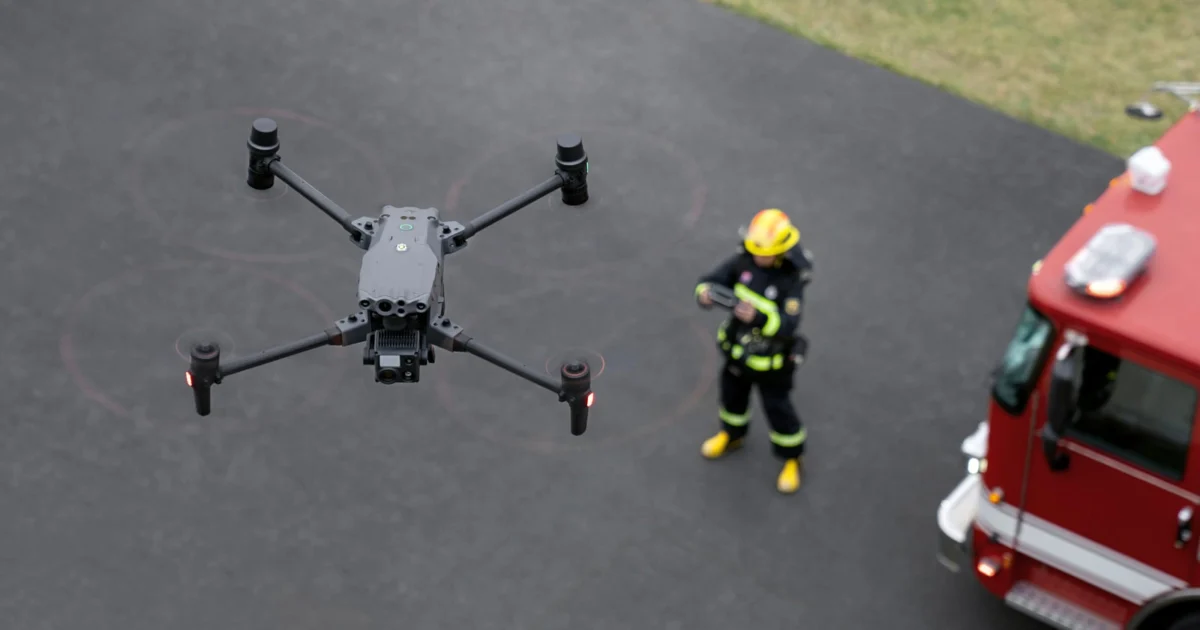
This expansive definition suggests a significant portion of DJI’s commercial and enterprise product line, and even some consumer models, could be affected. While the term "military-grade" might evoke images of combat-ready systems, the FCC’s interpretation appears to encompass advanced features widely adopted in civilian applications for safety, efficiency, and data collection.
DJI’s Vigorous Defense and the Impact on Civilian Users
In response to the FCC’s proposal, DJI has issued a strong rebuttal, highlighting the far-reaching implications of such a "retroactive ban." In a statement shared with PetaPixel and detailed on its Viewpoints blog, DJI argues that if adopted, this measure "could amount to a ban on future sales of certified and currently available products." This would mean that products previously cleared for the U.S. market could no longer be imported or sold, and obtaining covered replacement components could become difficult, if not impossible.
DJI contests the FCC’s broad definition of "military-grade," asserting that it could inadvertently sweep in a vast array of civilian and commercial tools. The company emphasizes that its products are designed for commercial, agricultural, recreational, and public safety applications, and that it has consistently opposed the weaponization of civilian drones. DJI explicitly states, "DJI does not design or manufacture military-grade equipment, nor has it marketed or sold its products for military use."
The manufacturer points out specific examples where the FCC’s proposed criteria would capture essential civilian technologies:
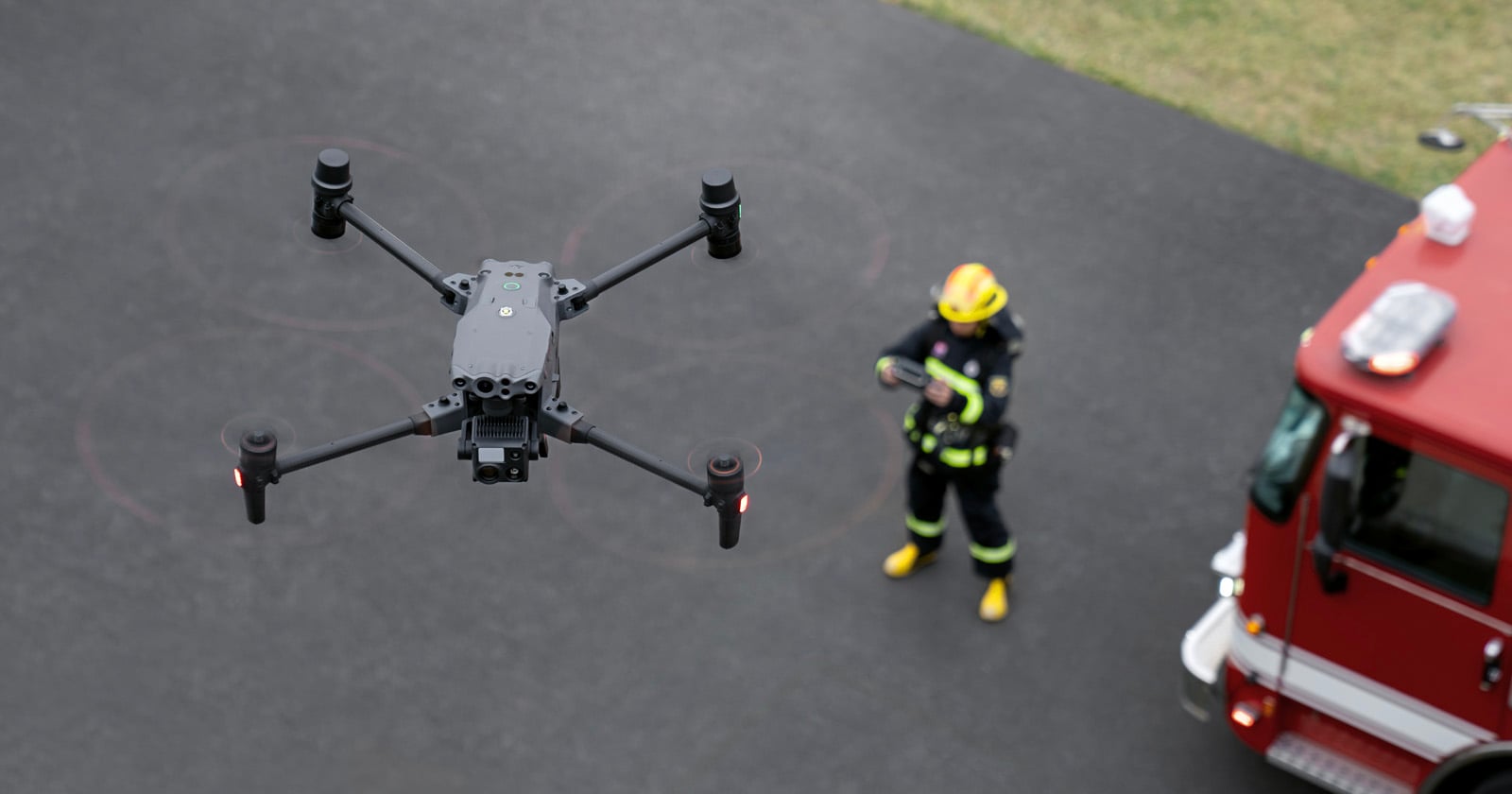
- Thermal Imaging: Crucial for search and rescue operations, allowing first responders to locate individuals in low visibility, assess fire hotspots, and monitor wildlife. Without these drones, response times could lengthen, and lives could be at greater risk.
- LiDAR Sensing: A key component of advanced obstacle avoidance technology in many DJI drones, enhancing safety and operational reliability. This feature is vital for complex industrial inspections, mapping, and ensuring safe flights in challenging environments. DJI argues that classifying this as "military-grade" overlooks its fundamental role as a safety enhancement.
- Aerosol Dispensing Capability: Primarily used in agriculture for precision spraying of pesticides, herbicides, and fertilizers, as well as for seeding. Farmers rely on these drones to increase efficiency, reduce manual labor, and minimize environmental impact. Banning them could set back agricultural innovation and productivity.
- Heavy Drones (over 55 pounds): Used for materials transport in challenging or remote locations, particularly valuable during natural disasters for delivering supplies or conducting damage assessments. These are essential tools for logistics and emergency relief.
- Drone Docking Stations: These stations enable autonomous drone operations, facilitating continuous monitoring, automated inspections, and rapid deployment without constant human intervention. They are central to scaling drone applications in infrastructure management, security, and environmental monitoring.
DJI argues that restricting these products would inevitably lead to increased costs for businesses and public agencies, limit consumer choice, and potentially put essential technology out of reach for sectors that heavily rely on them.
Broader Economic and Market Implications
The potential retroactive ban carries significant economic and market implications beyond DJI itself.
- Supply Chain Disruption: A ban on already existing products would create immense disruption in the supply chain for replacement parts, maintenance, and accessories, impacting resellers, repair shops, and service providers.
- Increased Costs: Users of DJI drones, particularly enterprise and public safety organizations, would face substantial costs to replace their existing fleets with approved alternatives, which are often more expensive and may not offer the same level of performance or features. The U.S. drone market is heavily reliant on DJI, which holds an estimated 70-80% market share in consumer and commercial drones. Transitioning away from such a dominant player would be a monumental and costly undertaking.
- Limited Choice and Innovation: Restricting access to a leading manufacturer’s products can stifle competition, limit technological choice for consumers and businesses, and potentially slow down innovation in the broader drone ecosystem. While the ban aims to foster domestic alternatives, the immediate effect would be a reduction in options.
- Impact on U.S. Businesses: Thousands of small businesses across the U.S. rely on DJI drones for services ranging from aerial photography and real estate mapping to construction site monitoring and precision agriculture. These businesses would face operational hurdles and financial strain.
- Opportunity for Domestic Manufacturers: Proponents of the ban argue it could stimulate the growth of domestic drone manufacturing and technology development, reducing reliance on foreign supply chains and bolstering U.S. innovation. However, building a robust domestic drone industry capable of matching DJI’s scale, cost-effectiveness, and technological breadth will take significant time and investment. Current U.S. manufacturers often cater to niche defense or high-security markets, with higher price points that are less accessible for broad commercial or consumer use.
Legal and Precedent-Setting Concerns
A retroactive ban raises complex legal questions, particularly regarding due process and the fair application of regulations. Applying a ban to products that were legally imported, purchased, and are currently in use introduces uncertainty about property rights and could set a precedent for future regulatory actions targeting other technologies. While the FCC has discretion to act in the public interest, the legal framework for a ban affecting existing goods would likely face scrutiny and potential legal challenges from affected companies and user groups.
The lack of a completed audit that allowed DJI to defend itself against being placed on the Covered List also adds a layer of complexity. Critics might argue that extending a ban retroactively, based on an initial listing process that lacked full due process, exacerbates the perceived unfairness.
Public Commentary and the Path Forward
Recognizing the significant implications of its proposal, the FCC has opened the matter for public comments. This crucial period allows interested parties, including individuals, businesses, advocacy groups, and government agencies, to submit their perspectives, data, and concerns regarding the proposed ban. The public commentary period is set to close on September 2, 2026.
This public feedback will play a vital role in informing the FCC’s final decision. DJI itself has actively encouraged its users and partners to participate in this process, providing resources and arguments to highlight the adverse consequences for civilian applications.
The outcome of this deliberation will have profound effects on the future of drone technology in the United States. It will shape not only the availability of specific drone models but also the broader regulatory landscape, the dynamics of global technology supply chains, and the balance between national security imperatives and economic realities. As the deadline for public comments approaches, the drone industry and its diverse user base await a decision that could redefine their operational capabilities and market access for years to come.