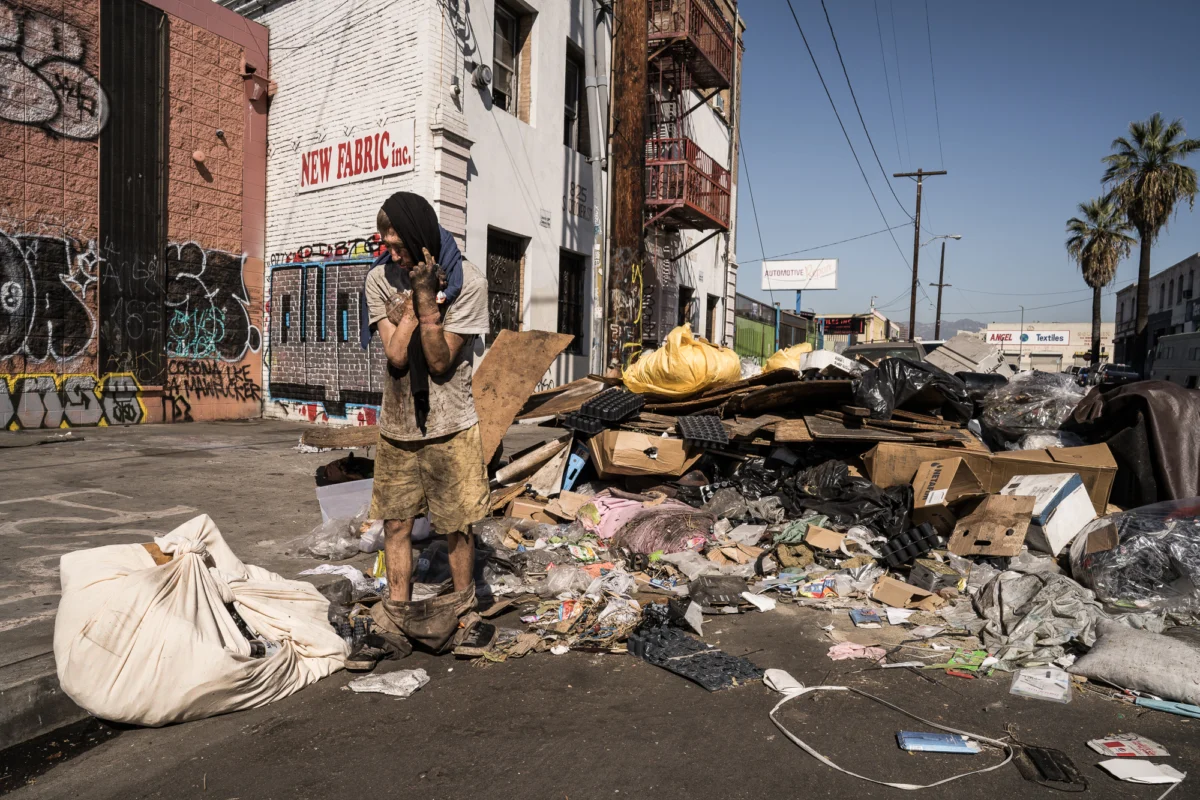
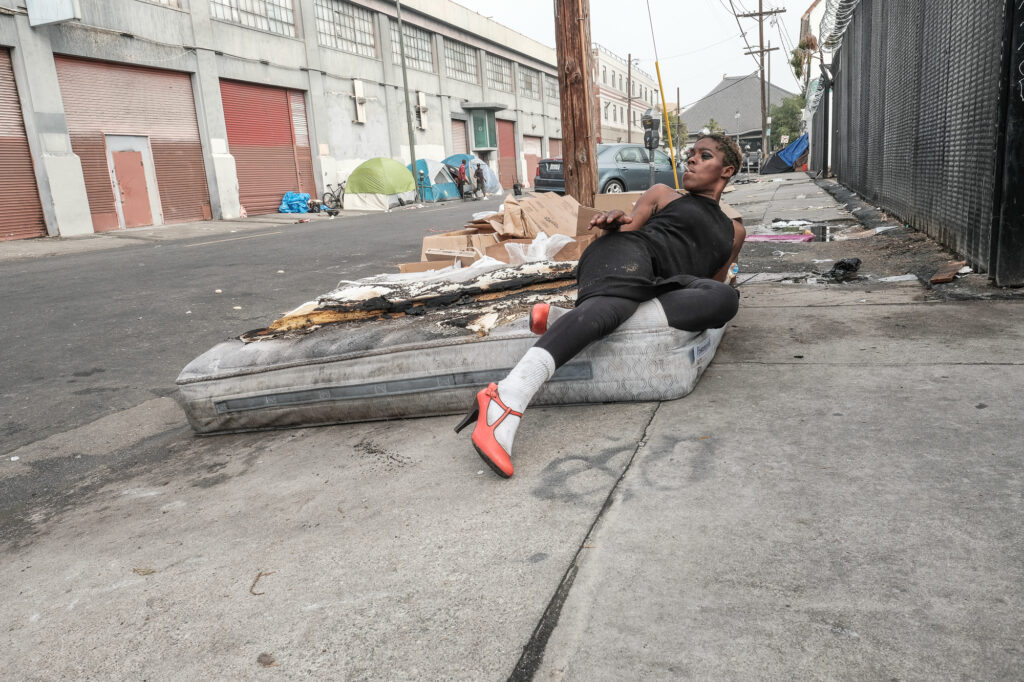
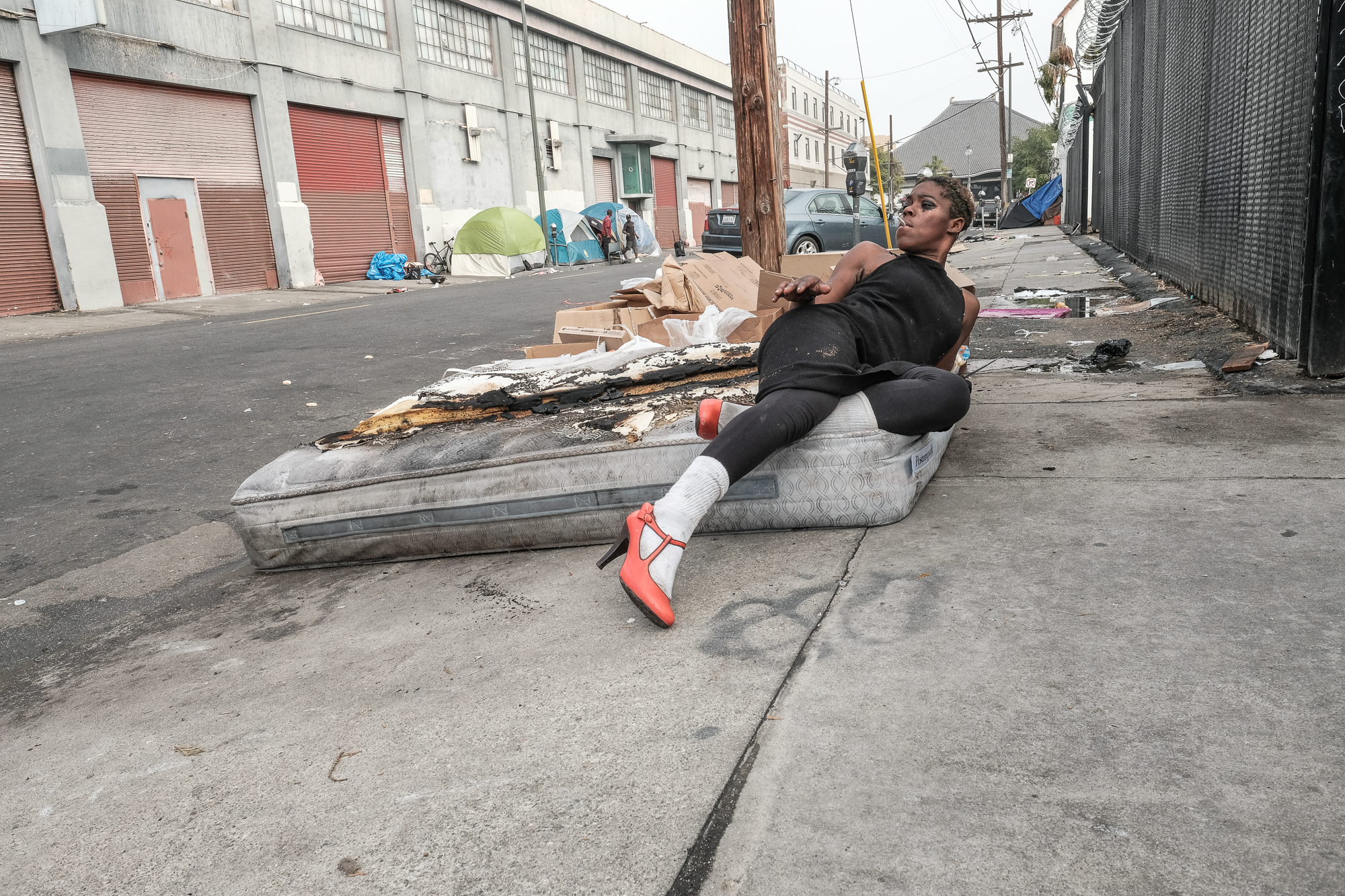
Eight years ago, street photographer Suzanne Stein was already making a name for herself by venturing into the often-overlooked corners of urban life, bringing to light moments of profound tenderness amidst the stark realities of Skid Row. Her unflinching gaze has since been directed towards other communities grappling with immense societal challenges, most notably in Kensington, Philadelphia. Stein’s most extensive and sustained body of work chronicles the devastating impact of the opioid epidemic and, more recently, the escalating crisis of xylazine (often referred to as "tranq") and its severe consequences, including widespread wounds, long-term disabilities, and fatalities.
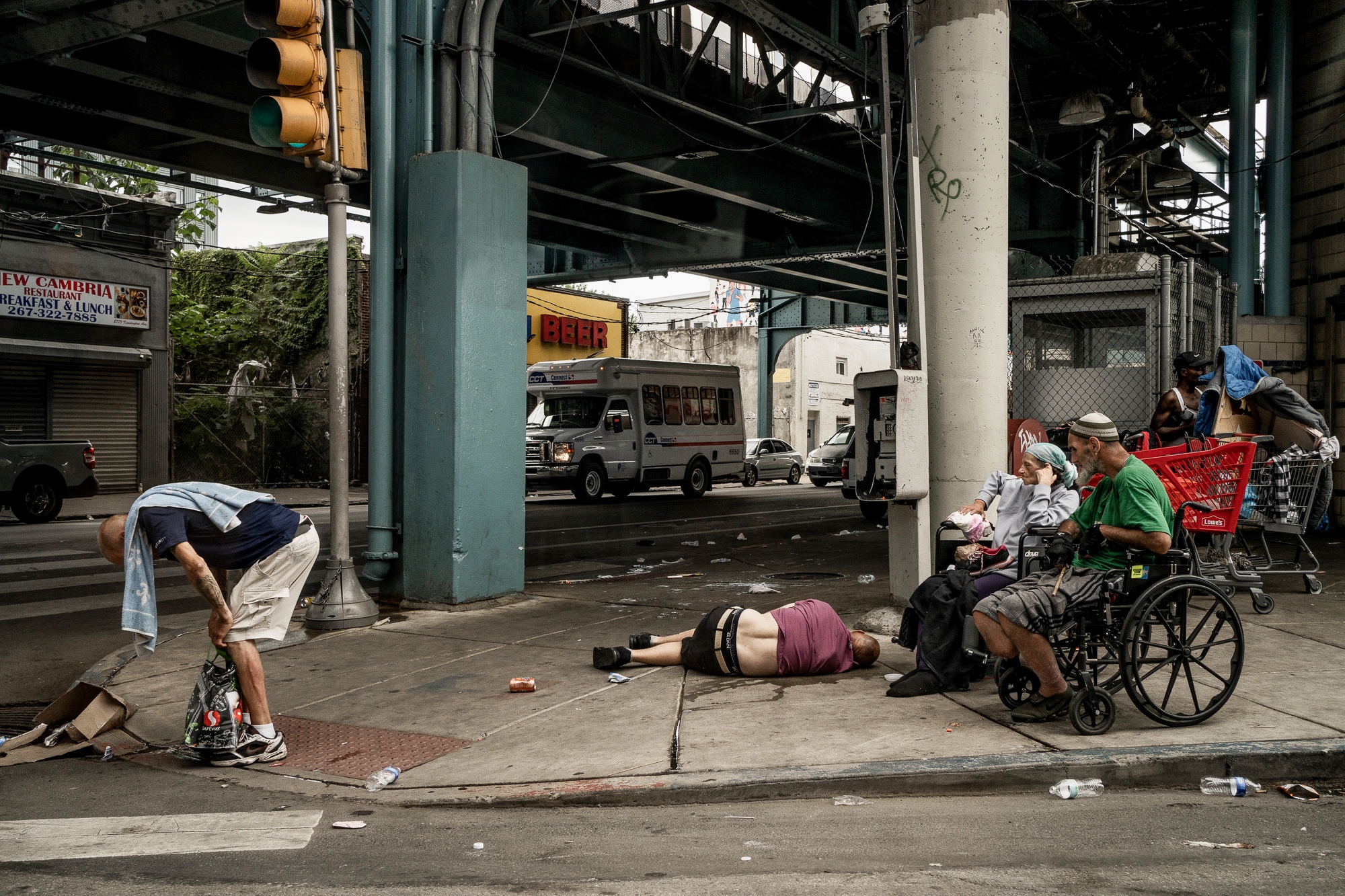
Stein, however, is adamant that her artistic intent transcends a mere focus on addiction. She endeavors to portray Kensington not solely as a symbol of despair or destitution, but as a living, breathing community. "I photographed the entire neighborhood: the families who live there, the streets, the memorials to gunshot victims and overdose victims, the storefronts, the corners, the ordinary moments, and the broader atmosphere of a community under enormous pressure," Stein explained in a recent interview. "The people suffering on the street are part of the story, but they are not the whole story." This holistic approach aims to present a nuanced and comprehensive portrait of a community facing extraordinary adversities.
This dedication to documenting the complex realities of marginalized communities has garnered international attention. The Berlin-based Verena Kerfin Gallery recently showcased a curated selection of Stein’s Kensington work in an exhibition titled US: Slow Code. The gallery’s introduction to the exhibition underscored the power of Stein’s imagery: "She does not work on images that soothe. She works on images that unsettle." Mirroring Stein’s own sentiments, the gallery characterized Kensington as "the form misery takes when it is organized inside a wealthy state: visible enough to serve as a deterrent, invisible enough to remain politically consequence-free." This description highlights a critical paradox: poverty and suffering that are starkly evident, yet seemingly ignored or rendered politically inert within the broader societal structure. The exhibition aimed to confront viewers with this uncomfortable reality, where the daily lives and deaths of inhabitants unfold within a system that appears to maintain its routine regardless of their plight.
A Courageous Selection of Unsettling Images
Stein lauded the Verena Kerfin Gallery’s selection of her work, describing it as "very specific and courageous." While she provided a shortlist of images, the gallery’s final curation, aligned with Verena Kerfin’s artistic vision, presented a particularly powerful narrative. The exhibition’s careful edit revealed a gradual deterioration unfolding in plain sight, a phenomenon Stein terms a "slow public emergency."
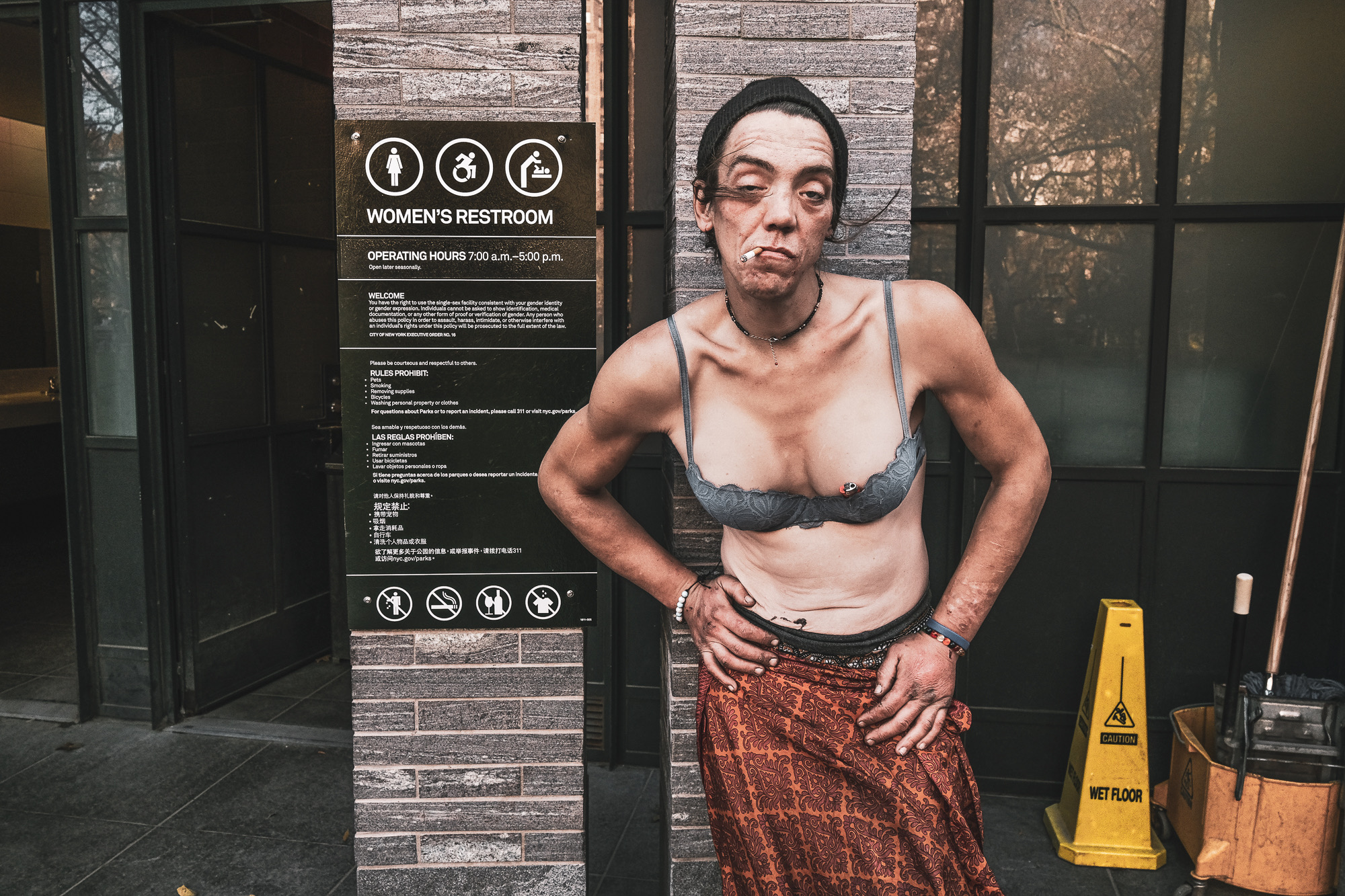
"She chose photographs of people lying down, incapacitated, or otherwise physically overcome, and she used that selection to make a larger statement about abandonment in the United States," Stein elaborated. She noted that such stark depictions might prove challenging, if not impossible, to exhibit or publish within the United States, suggesting a cultural or institutional resistance to confronting such raw realities on American soil.
Although unable to attend the exhibition in person in Berlin, Stein participated through a video installation, engaging directly with attendees about her work, her process, and her artistic intent. "I was told that people were very interested, that they stayed with the images, and that they spent real time in the gallery. That meant a lot to me, especially because the work is difficult and asks something of the viewer," she shared, emphasizing the profound impact of viewers engaging deeply with challenging subject matter.
The Lingering Aftermath of Kensington
Stein’s immersion in Kensington for three years, while a cornerstone of her documentary and street photography, ultimately led her to step back from directly documenting addiction. The experience, marked by physical danger and exposure to profoundly negative environments, took a significant toll. "I met people and witnessed situations that did not reinforce positive feelings about humanity," she confessed. "That is difficult to say, but it’s true. The work took a long time to recover from emotionally and physically… When you are surrounded by trauma, decay, violence, addiction, strong odors, disturbing sights, and constant emotional intensity, it seeps into you."
While she has shifted her focus away from the direct portrayal of addiction, Stein remains committed to documenting and raising awareness about critical social issues. Her aim is not to be solely defined by her work on addiction, poverty, and homelessness. "I don’t really want to keep photographing people on the street suffering from addiction in the same way. If I do, it would have to be very different, or it would have to be part of a specific assignment with a clear purpose," she stated.
Her current interest lies in exploring the aftermath of the Kensington crisis. This includes documenting parents who have lost children to overdose, families striving to rebuild their lives, and those whose children have survived but are living with permanent disabilities. This new direction allows her to remain connected to the narrative while shifting to a focus that, while still profound, may offer a different emotional and thematic resonance.
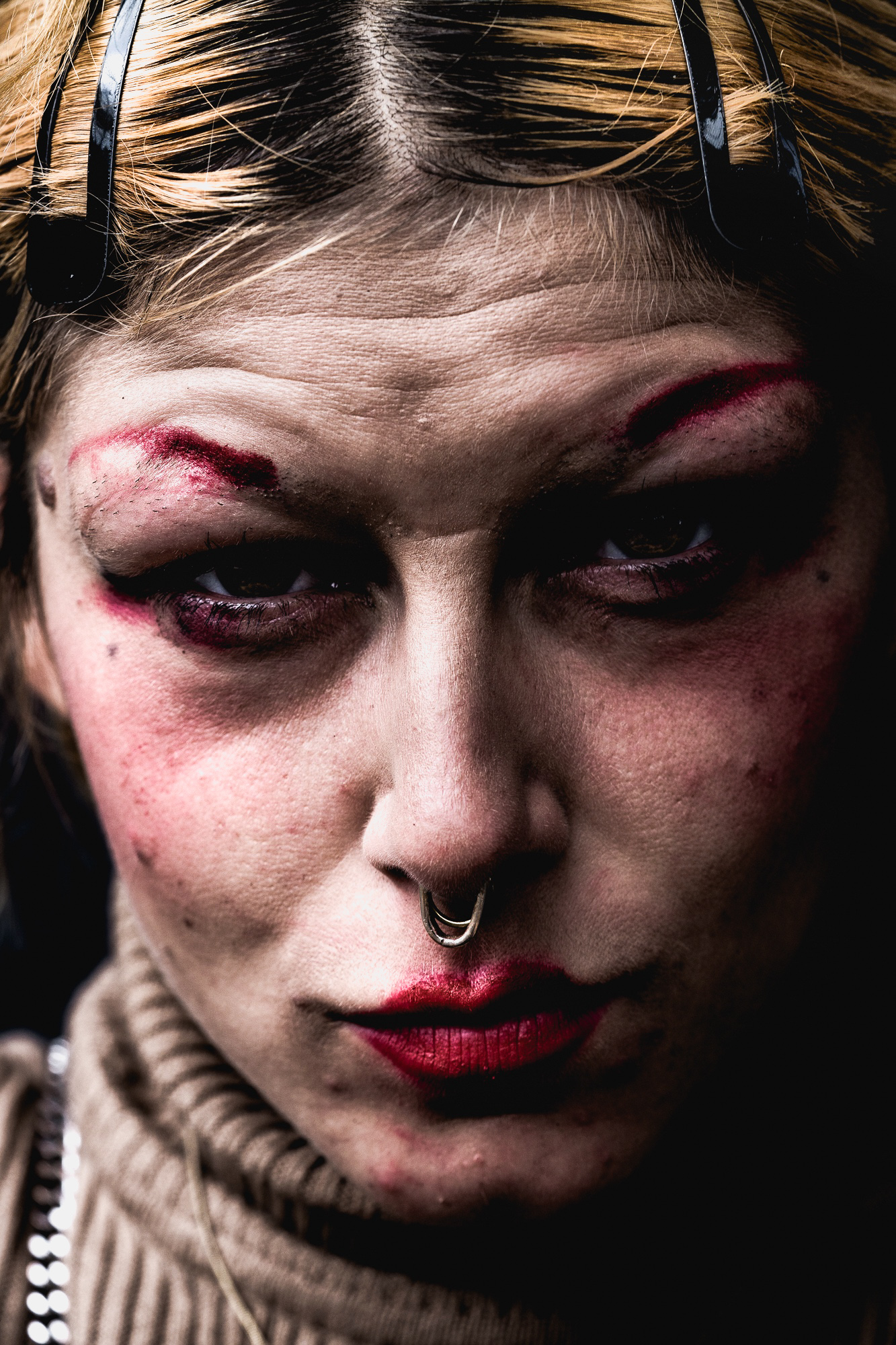
Stein observes a significant resistance within the United States to confronting these realities directly, stating, "It is a very complicated subject to photograph, especially because photographers who look at it honestly are often vilified. There is a deep resistance to seeing what is actually happening on American streets." She contrasts this with the "much more sanitized version" often presented by mainstream media.
Tracing Personal Imprints and a Shift in Perspective
The profound impact of Kensington on Stein’s personal life is undeniable, extending to the mental toll it exacted. The necessity of functioning in "situations that are painful, ugly, dangerous, and overwhelming" required her to develop a degree of emotional detachment. However, this willingness to confront difficult realities stems, in part, from her own lived experiences with significant personal distress. Financial instability, single parenthood of a child on the autism spectrum, navigating a challenging professional world, and a family history of alcoholism and addiction have all shaped her perspective and her drive to document the experiences of others facing similar, or even more extreme, struggles.
Stein acknowledges the considerable cost of immersion in environments like Kensington, particularly the sustained mental burden. "Even if you are there to tell a story, and even if you understand what you are doing intellectually, it still affects your nervous system and your outlook," she reflected. "I think the work has made me more negative at times, and probably more difficult to be around. I’ve had to be honest with myself about that. Part of that comes from the frustration of seeing these crises continue while the world barely responds."
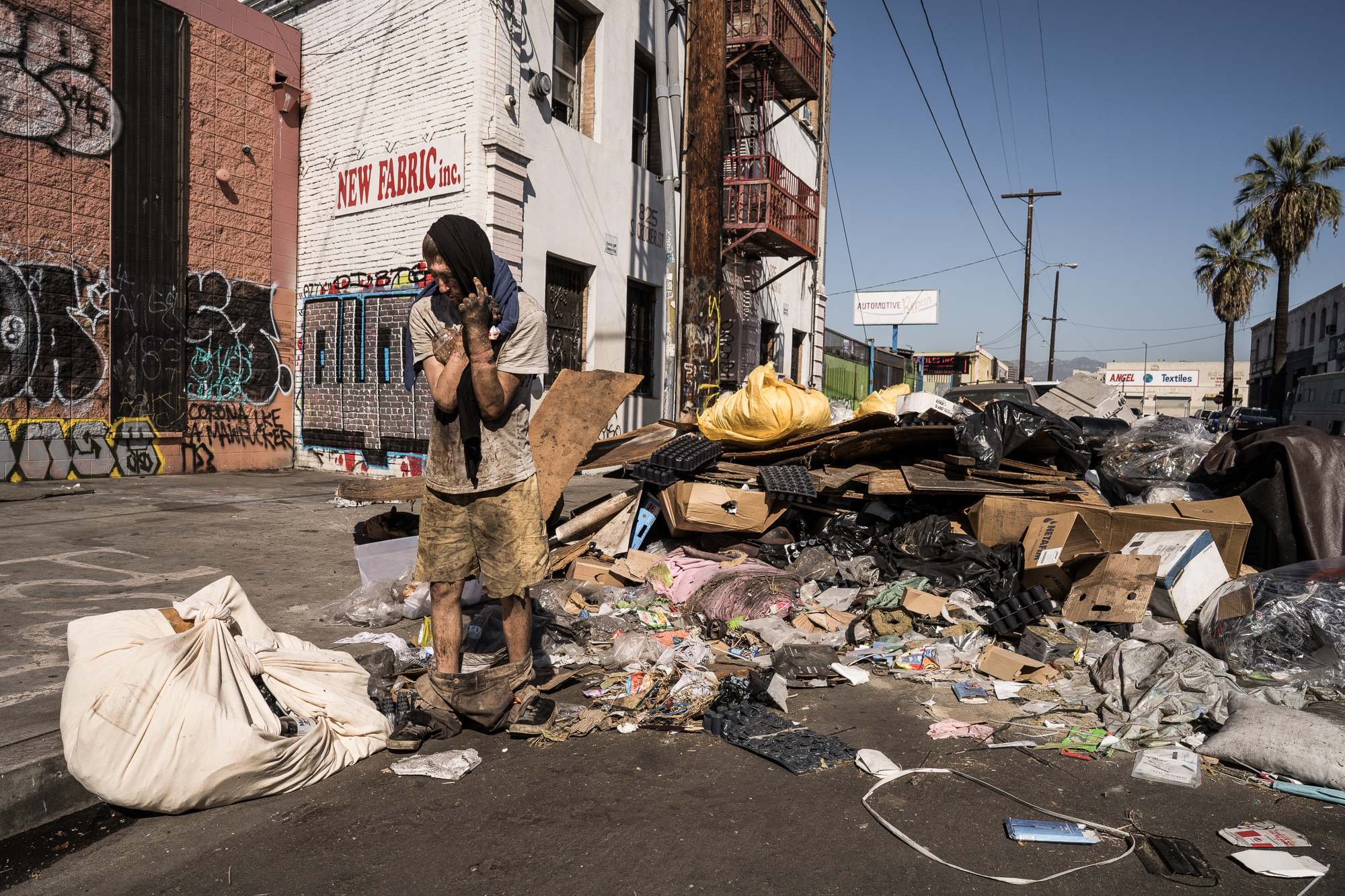
This introspection also led her to draw a stark contrast between her experiences in Skid Row and Kensington. While Skid Row presented its own set of harrowing realities, including instances of bondage and trafficking that she has not fully disclosed, Stein found that many individuals she photographed there possessed remarkable spirit, humor, and character. She formed genuine connections and maintains attachments to some of those subjects.
"Kensington was different," Stein stated candidly. "To be perfectly honest, I don’t feel that I came away from Kensington with many meaningful relationships. The drugs there, and the particular conditions on those streets, seemed to hollow people out in a different way. Seeing that over and over affected me deeply. The level of criminality, exploitation, and desperation on all sides made it very difficult to keep the faith. That has changed my outlook, and I am still trying to move past it – to regain some sense of hope, purpose, and belief in people."
Reframing Discussions on "Poverty Porn" in Street Photography
The ongoing debates surrounding "poverty porn" in documentary and street photography often lead to established norms about what is considered acceptable or offensive. Photographing homelessness, for instance, is frequently listed among the "don’ts" in certain street photography circles. Stein, however, expresses a strong aversion to the term "poverty porn," finding it often employed to prematurely shut down nuanced discussions.
She argues that such framing can shame, or attempt to shame, photographers who are striving to raise awareness about difficult realities. "That does not mean photographers are above criticism. Of course not," Stein quickly added, acknowledging the fine line between advocacy and exploitation, particularly in conflict photography.
"When you photograph anyone in distress, whether they are in Gaza, Ukraine, Sudan, Syria, Kensington, or Skid Row, you are walking a very fine line between exploitation and information," she observed. "Very few photographers walk that line perfectly every time. Many of us step over it at some point. Most of us doing this work have good intentions, but some photographers are doing it for notoriety, career advancement, or because that is simply what photojournalists do: they pack their bags, go to a war zone, and photograph suffering."
Stein advocates for a more equitable approach to visual documentation: "We need to apply the same rigorous photographic attention to the streets of the United States that we apply to places like Ukraine or Gaza. These crises are here too, and they deserve to be seen with the same seriousness."
An Unsettling Moment of Tenderness: The Story Behind a Photograph
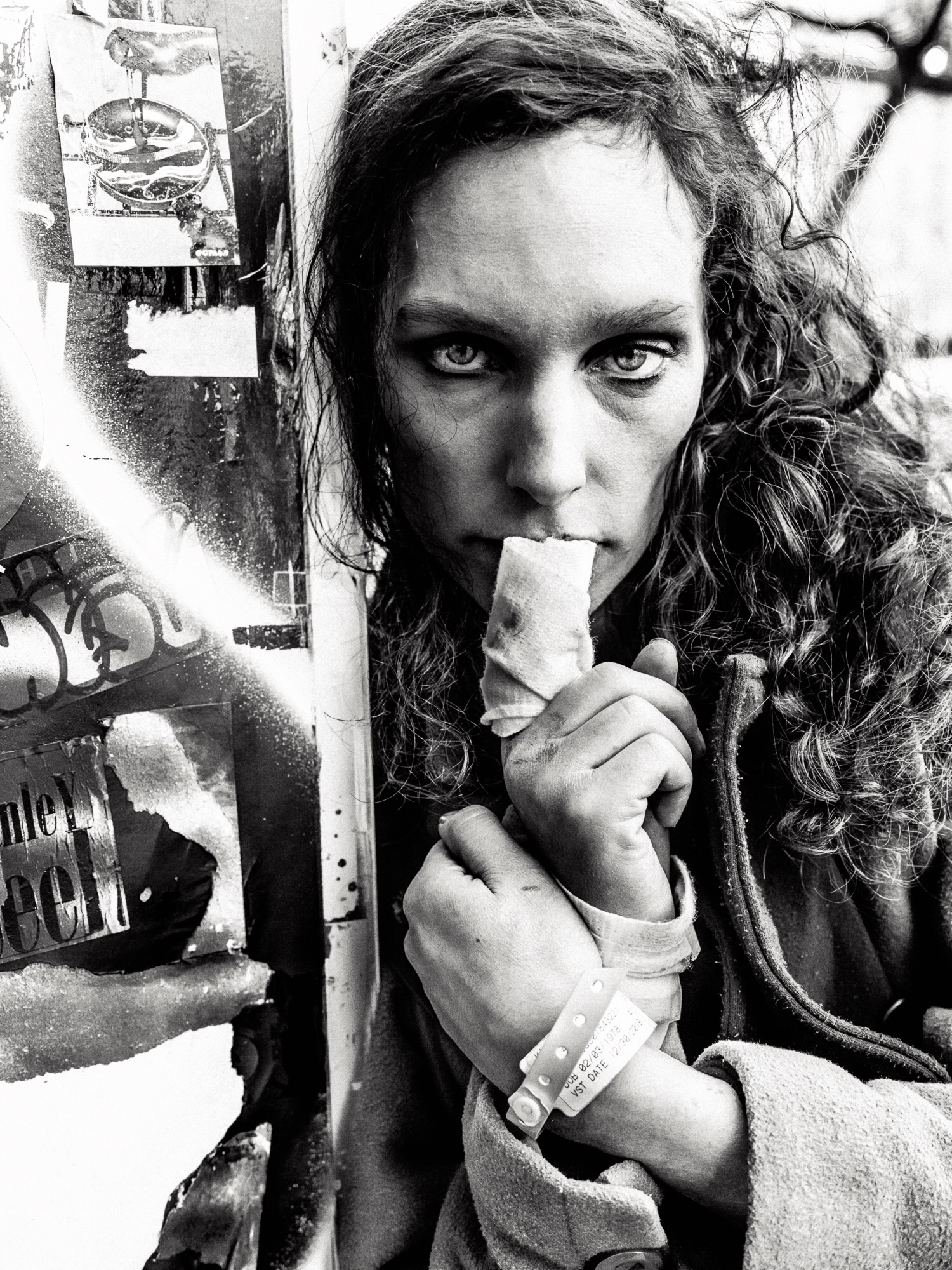
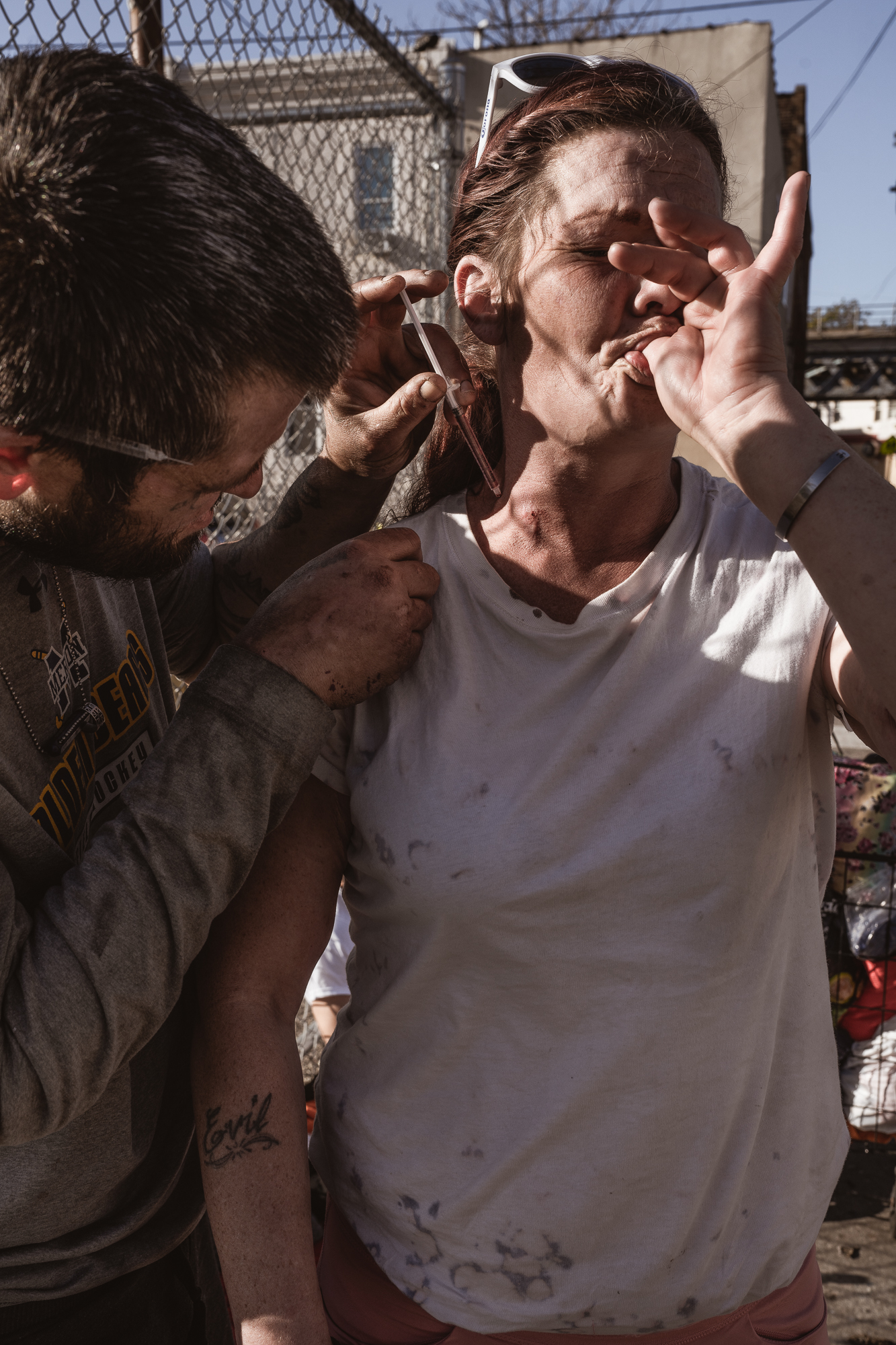
Among the most impactful images featured in the US: Slow Code exhibition is a photograph by Stein depicting Mike injecting Crystal in the neck with fentanyl and xylazine. This image holds particular significance for Stein, encapsulating the complex interplay of desperation, intimacy, and danger she witnessed.
"Before I went to Kensington, I had never seen people inject into the neck before. Of course it happens in other places, but in Kensington it is extremely common," Stein recounted. "When I first saw it in 2022, I was in a state of shock. I couldn’t believe what I was seeing, and I couldn’t believe how openly it was happening. It was a very disturbing sight."
She explained that neck injections often become a necessity when veins in the arms are no longer usable. This method carries immense danger, and the practice has become a grimly efficient, albeit exploitative, "cottage industry" in Kensington, with individuals charging others for injections. "Many young people become addicted to opioids, but they are still squeamish about needles. They don’t necessarily know how to inject themselves. Some literally cannot do it. So they end up dependent not only on the drug, but on other people to help them use it," she elaborated.
In the specific instance captured, Crystal was experiencing severe withdrawal symptoms because she couldn’t find a usable vein and was not adept at self-injection. Mike’s intervention provided immediate relief, preventing her from enduring deeper withdrawal. "It is a brutal situation, but there was also a kind of intimacy and trust between them," Stein noted. "That contradiction is part of what makes the photograph important to me."
Stein values the photograph for the trust she had earned, which allowed her to document such a private and vulnerable moment. "That kind of access does not come from parachuting in. It comes from being present, from spending time, from not treating people like grotesque spectacle," she emphasized.
Further layers of meaning emerge from the photograph’s details. Crystal’s thumb is in her mouth, a gesture Stein initially interpreted as self-soothing, akin to a child sucking their thumb. However, she later understood its practical purpose: it helped make the neck vein more visible for the injector. "That small gesture changes the whole image," Stein reflected. "It looks vulnerable, almost childlike, but it is also part of the mechanics of addiction. That is why the photograph stays with me. It contains tenderness, danger, dependence, trust, and horror all at once."
Taking Art Where Others Refuse to Look
The Verena Kerfin Gallery’s exhibition powerfully reinforces the notion that art often thrives in spaces where others avert their gaze. Stein, however, posits that art can originate anywhere, shaped by the unique experiences, advantages, wounds, and perspectives of each artist. "My life pushed me in a certain direction; someone else’s life might lead them to make something much lighter, softer, or more decorative. That is still art," she mused.
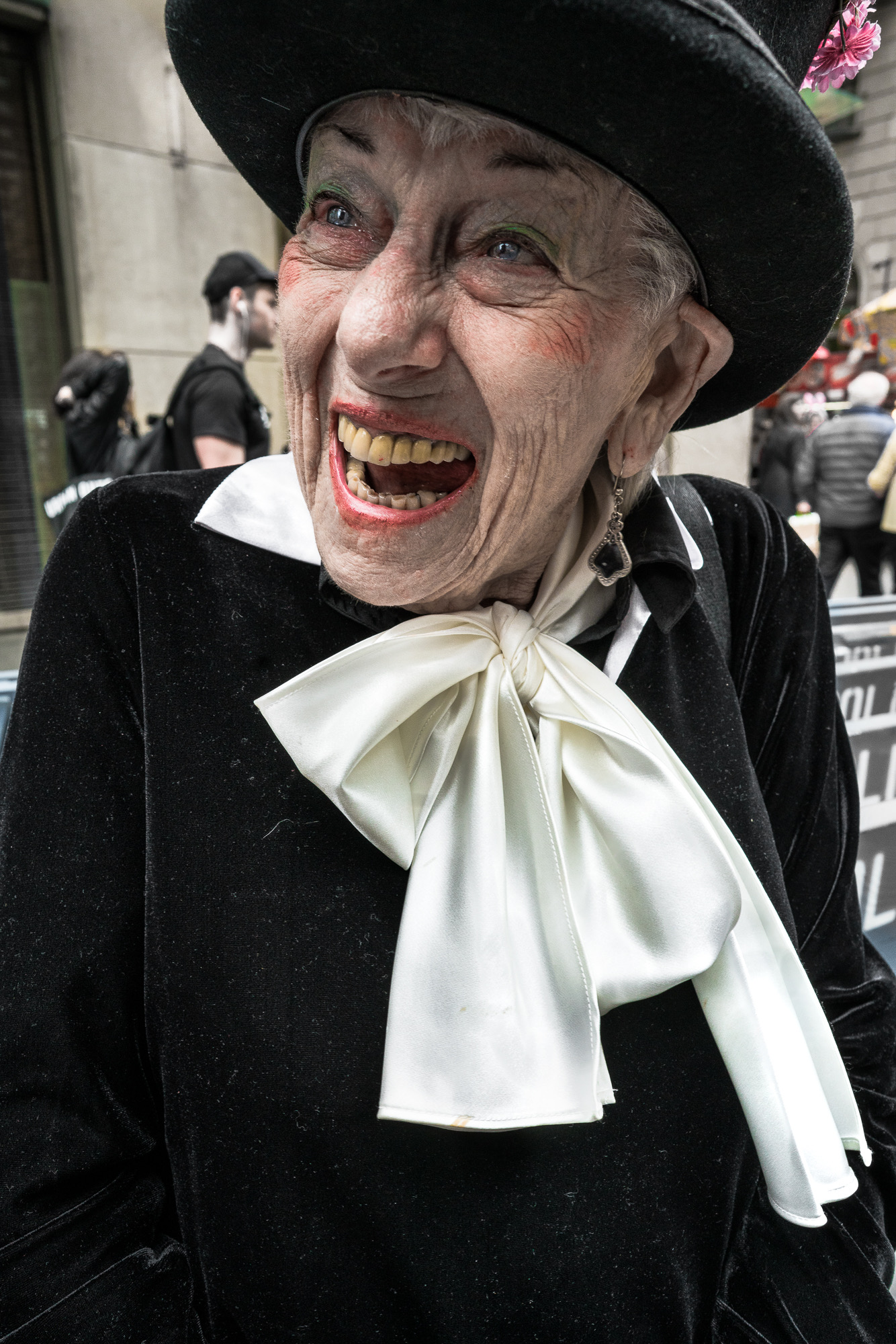
For her own work, Stein sees a deliberate fusion of art and documentary sensibility, aimed at bypassing ingrained biases. She critiques many forms of photography for reinforcing existing prejudices, stating, "War photography often reinforces a particular political position. Popular street photography often relies on visual puns, gimmicks, light and shadow, and repeated tropes. It can be clever, but it often doesn’t challenge the viewer very much."
"When I photograph places like Kensington, Skid Row, or people living on the margins, I’m trying to look past the attractive narrative, past the acceptable narrative, and show what is actually there," Stein declared.
While appreciative of gallery exhibitions, Stein also desires her work to reach a broader audience in public spaces, recognizing that not everyone actively seeks out photography galleries. "I don’t always know where the work belongs. I just know that I keep making it. I still hope it can reach young people, and people who need to see beyond the filtered version of reality we are usually given. But that is becoming harder in a culture shaped by censorship, algorithms, social gatekeeping, and media institutions that often refuse to think outside their own box."
Stein’s artistic journey is largely intuitive, driven by instinct rather than rigid plans. She often stumbles upon subjects with inherent "social intensity, emotional intensity, or personal intensity," and then pursues those narratives. While addiction will likely remain a thematic element in her work, Stein is also exploring lighter, more varied themes within street photography. "Right now, I’m interested in street photography again because it allows me to disengage somewhat from the heaviest subjects," she explained. "Street photography feels lighter to me, even though I can still tell serious stories through it. I always have. But it also allows for humor, strangeness, beauty, and everyday life."
Those interested in exploring Suzanne Stein’s powerful body of work can visit her website at suzannesteinphoto.com. Further details on the US: Slow Code exhibition can be found on the Verena Kerfin Gallery website at verenakerfingallery.com/exhibitions/detail/212_usslowcode. Stein is also active on Instagram, accessible via instagram.com/suzanne_stein.