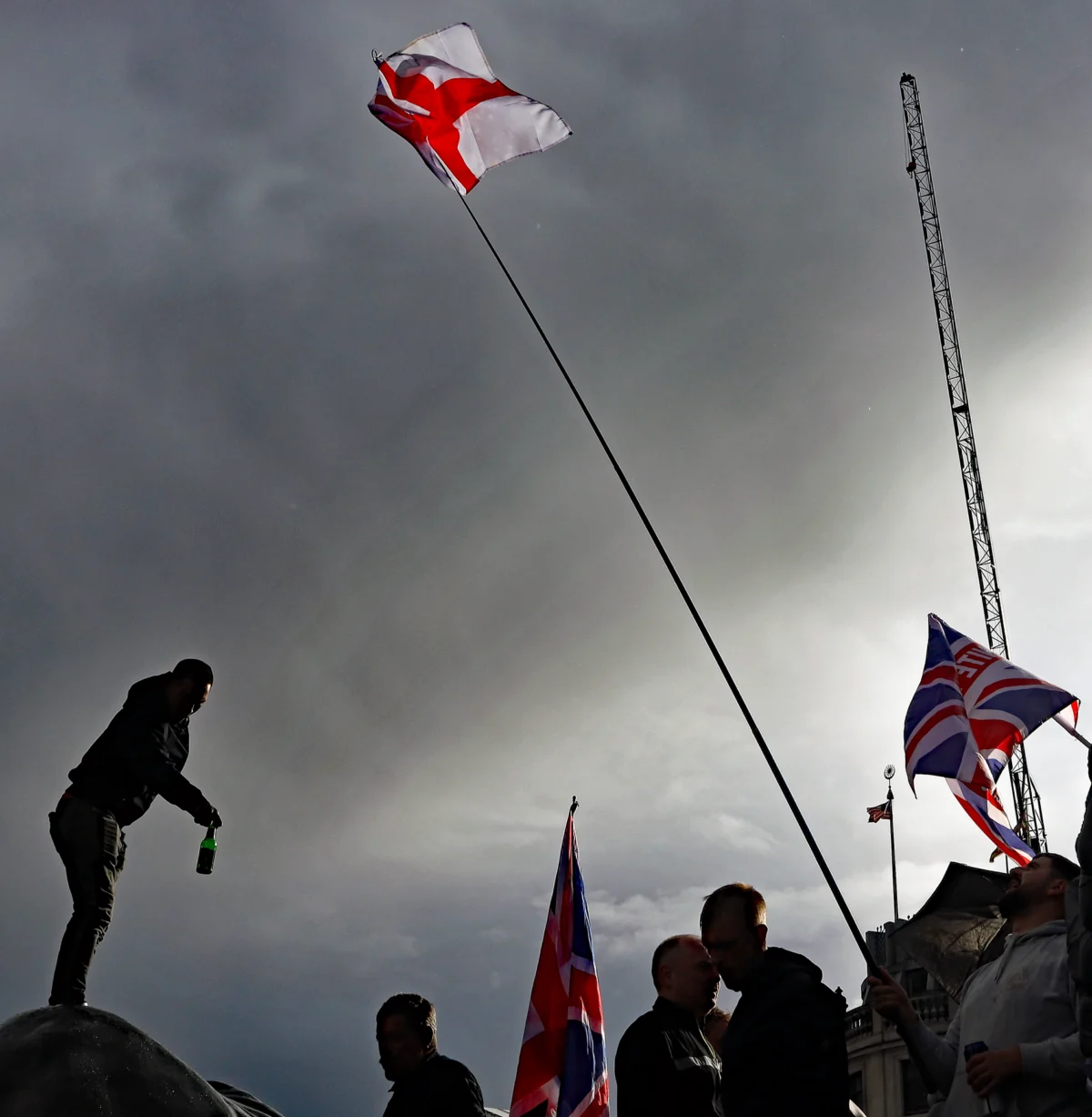
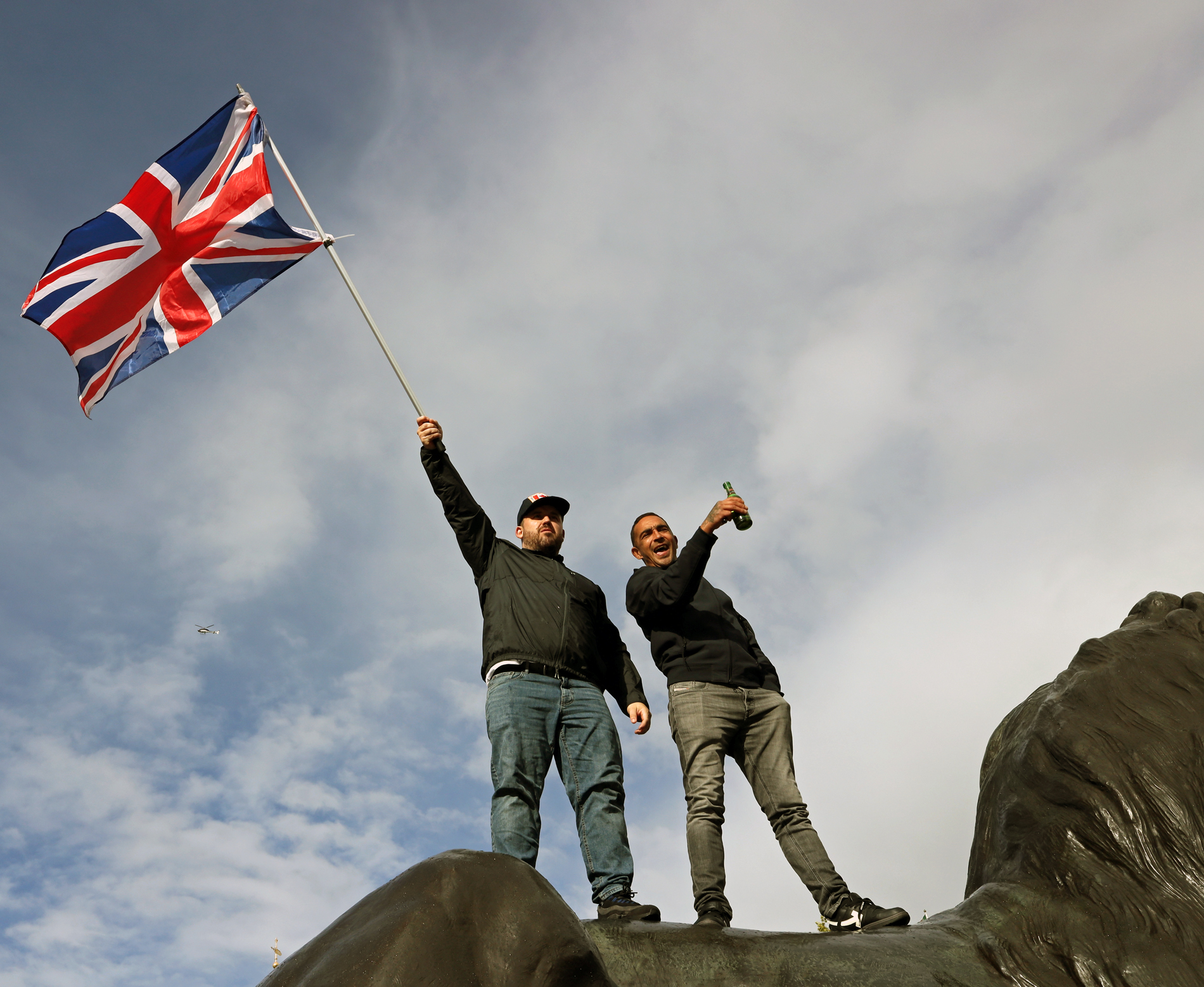
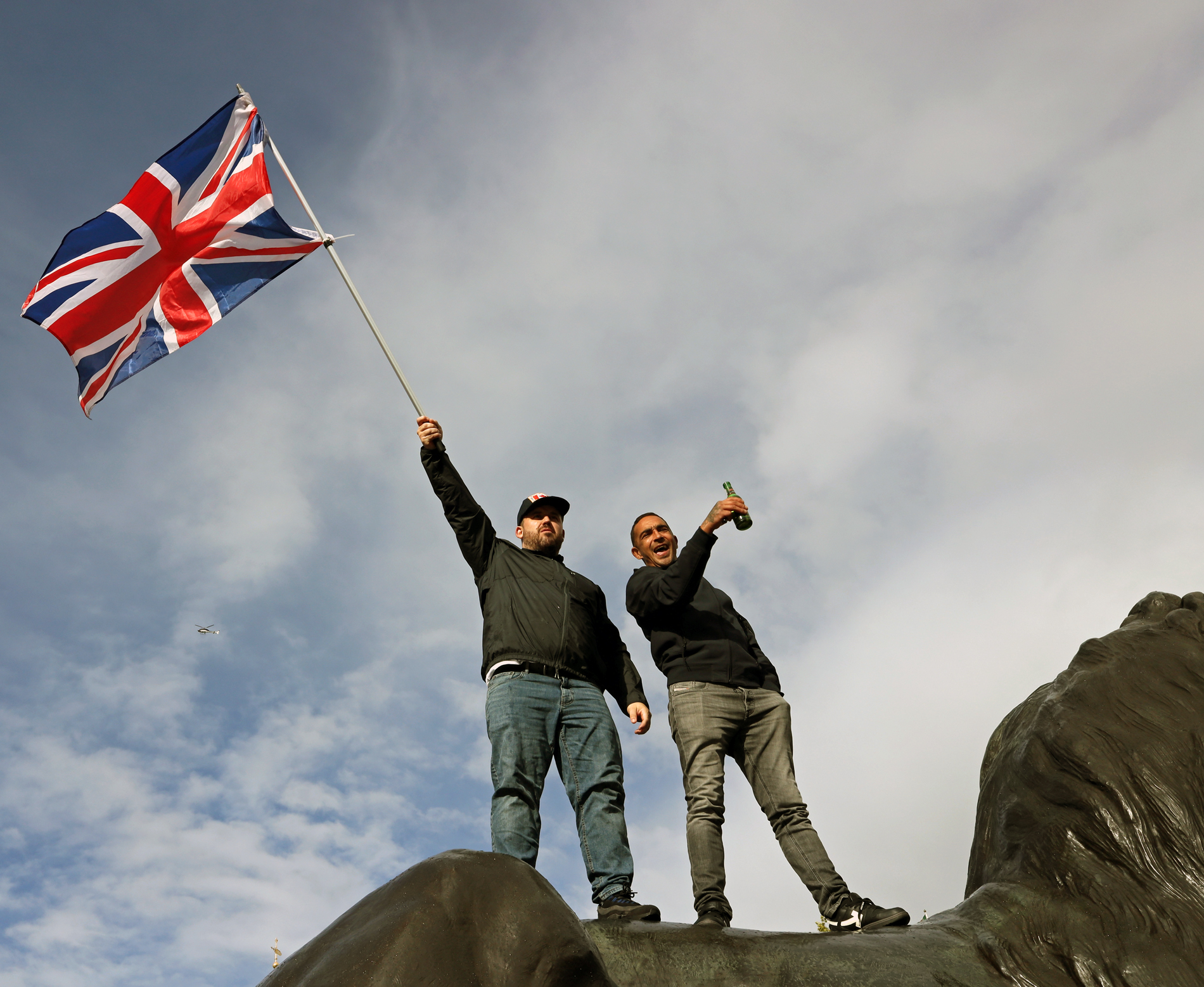
The September 13th, 2025, Unite The Kingdom rally in London served as a focal point for a diverse array of national sentiment, captured through the lens of street photographer Johnny Mobasher. The images, taken on that crisp autumn day, offer a visual narrative of citizens engaging with symbols of national identity and expressions of freedom. Mobasher’s work, renowned for its candid portrayal of urban life, documents moments of public assembly where the Union Jack and St. George’s Cross were prominently displayed, interwoven with contemporary symbols that speak to a broader spectrum of societal values. This collection of photographs provides a unique glimpse into the atmosphere and sentiment of a significant public demonstration, prompting a closer examination of the context, motivations, and potential implications of such gatherings.
Background and Context of the Unite The Kingdom Rally
The Unite The Kingdom rally, held on September 13th, 2025, was part of a series of public demonstrations that had been gaining traction in the United Kingdom. While the specific organizing groups and their precise mandates could vary, such rallies typically emerged from a confluence of concerns regarding national sovereignty, cultural identity, and governmental policies. In the mid-2020s, the UK had navigated a complex period of post-Brexit adjustments, evolving international relations, and internal debates about its place in the world. Rallies like Unite The Kingdom often provided a platform for individuals and groups who felt their voices were not being adequately heard by established political institutions.
These gatherings frequently drew participants from across the political spectrum, united by a shared desire to express their views on national matters. Common themes included calls for greater self-determination, critiques of immigration policies, concerns about economic disparities, and a desire to reaffirm traditional values. However, the visual evidence from Mobasher’s photographs suggests that the sentiment at this particular rally extended beyond these core issues. The inclusion of LGBTQ+ symbolism, as seen in one of the images, indicates a more nuanced and potentially inclusive expression of national identity, challenging the notion that such rallies are monolithic in their ideological makeup. This fusion of nationalistic symbols with symbols of inclusivity suggests a complex and evolving understanding of what it means to be British in the contemporary era.
Chronology of Public Assembly and Expression
The events of September 13th, 2025, unfolded against a backdrop of ongoing public discourse and political developments. Weeks leading up to the rally likely saw organized outreach by the event’s promoters, utilizing social media, community groups, and traditional media channels to mobilize supporters. Public anticipation would have been shaped by news coverage of previous rallies and statements from organizers.
On the day of the rally, participants would have converged on designated meeting points in London, often beginning in the late morning. The atmosphere would have gradually intensified as crowds grew, with the unfurling of banners, the chanting of slogans, and the raising of flags becoming characteristic visual and auditory elements. The presence of street photographers like Johnny Mobasher, who position themselves within the flow of such events, is crucial for capturing the spontaneous and unscripted moments that define public demonstrations. His images, taken throughout the day, would document the progression of the rally, from its initial assembly to its movement through the city and any concluding speeches or activities.
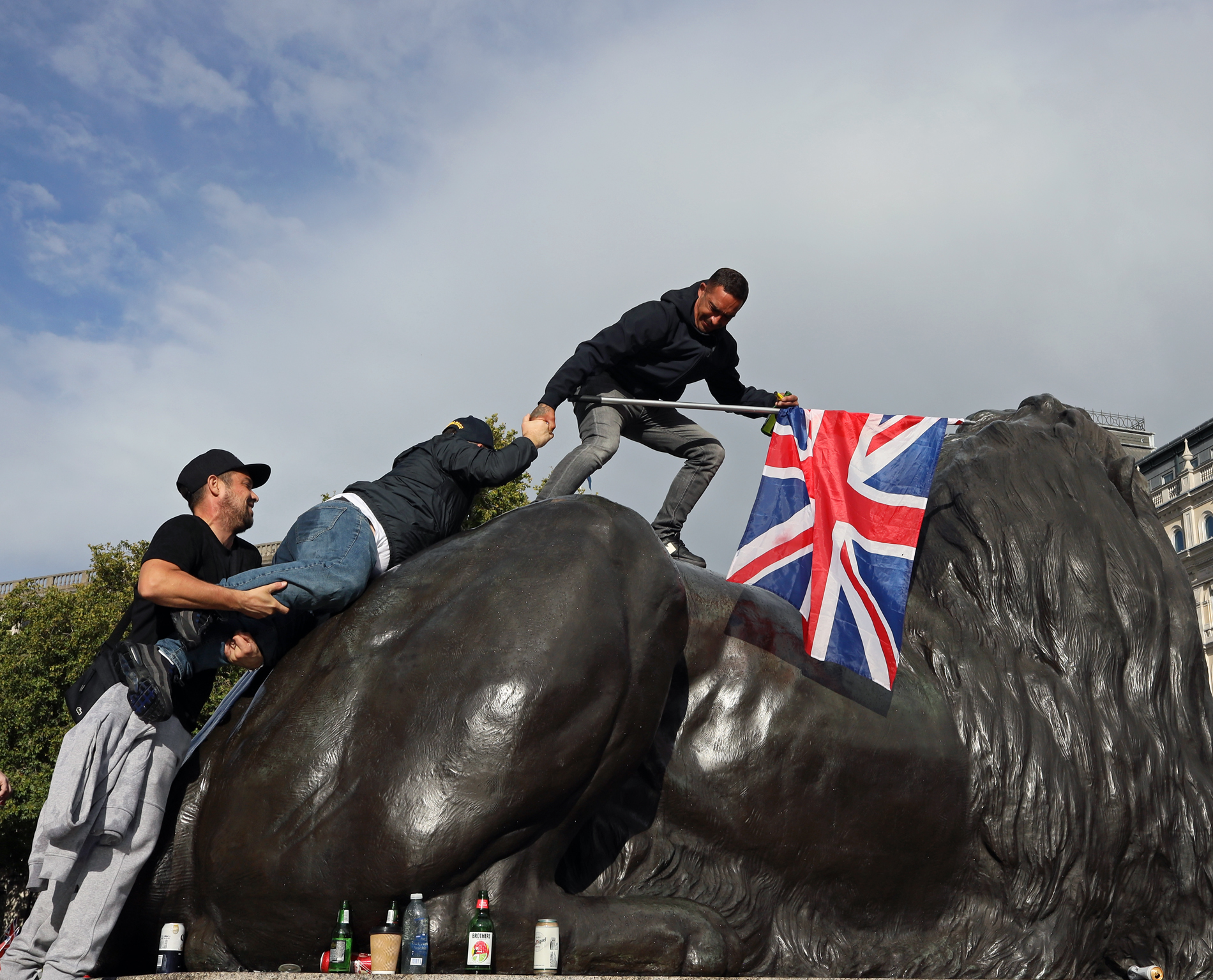
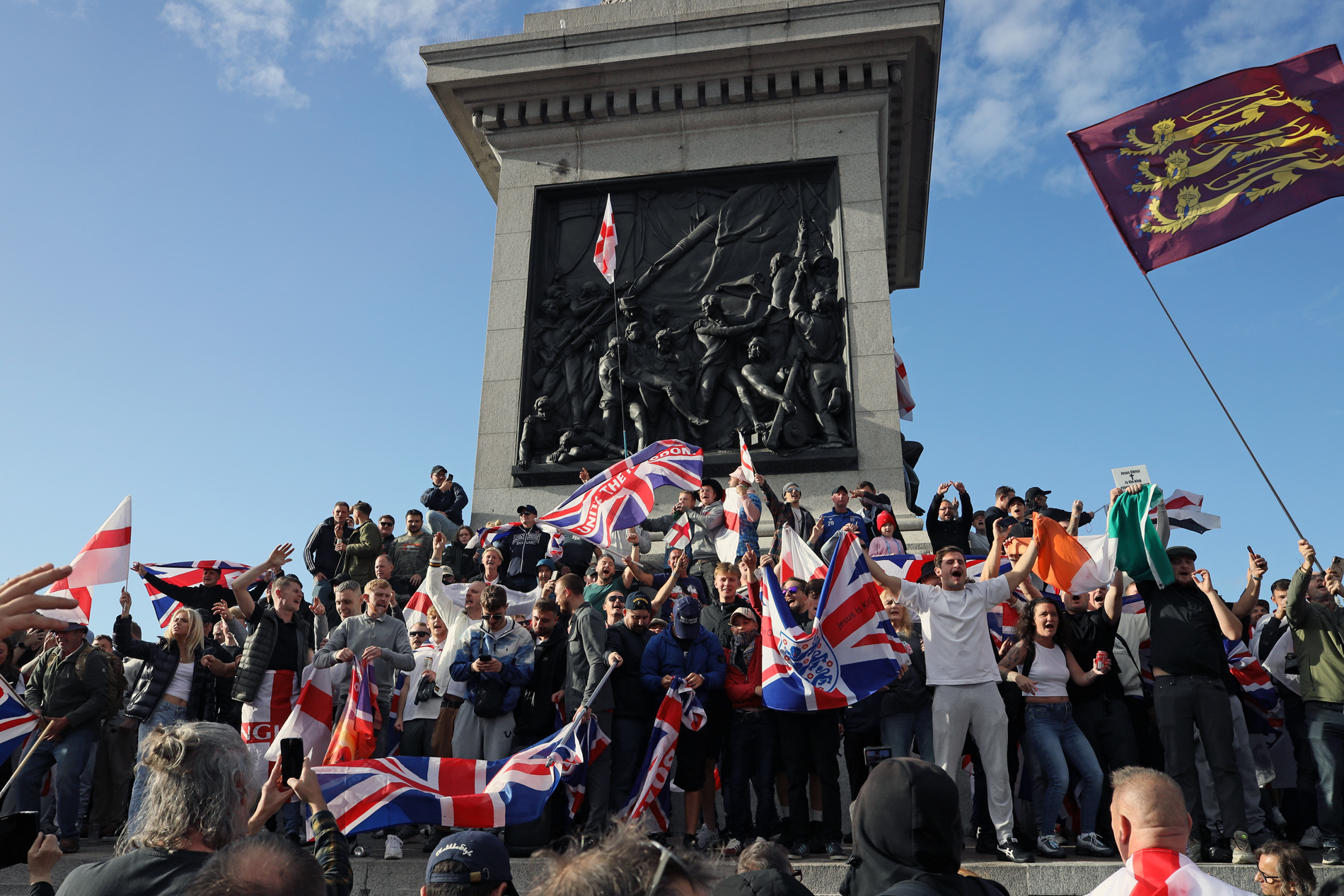
The specific timing of Mobasher’s photographic captures, as indicated by the image metadata, suggests a focused effort to document key visual elements as they emerged. The presence of multiple images featuring the Union Jack and St. George’s Cross highlights their centrality to the rally’s messaging. The inclusion of an image that blends St. George’s Cross with LGBTQ+ symbolism points to a particular moment or group within the larger rally that sought to convey a message of broader unity. The sequence of photographs likely depicts the ebb and flow of the crowd, the interactions between participants, and the iconic imagery that became synonymous with the day’s proceedings.
The Symbolism of National Identity and Freedom
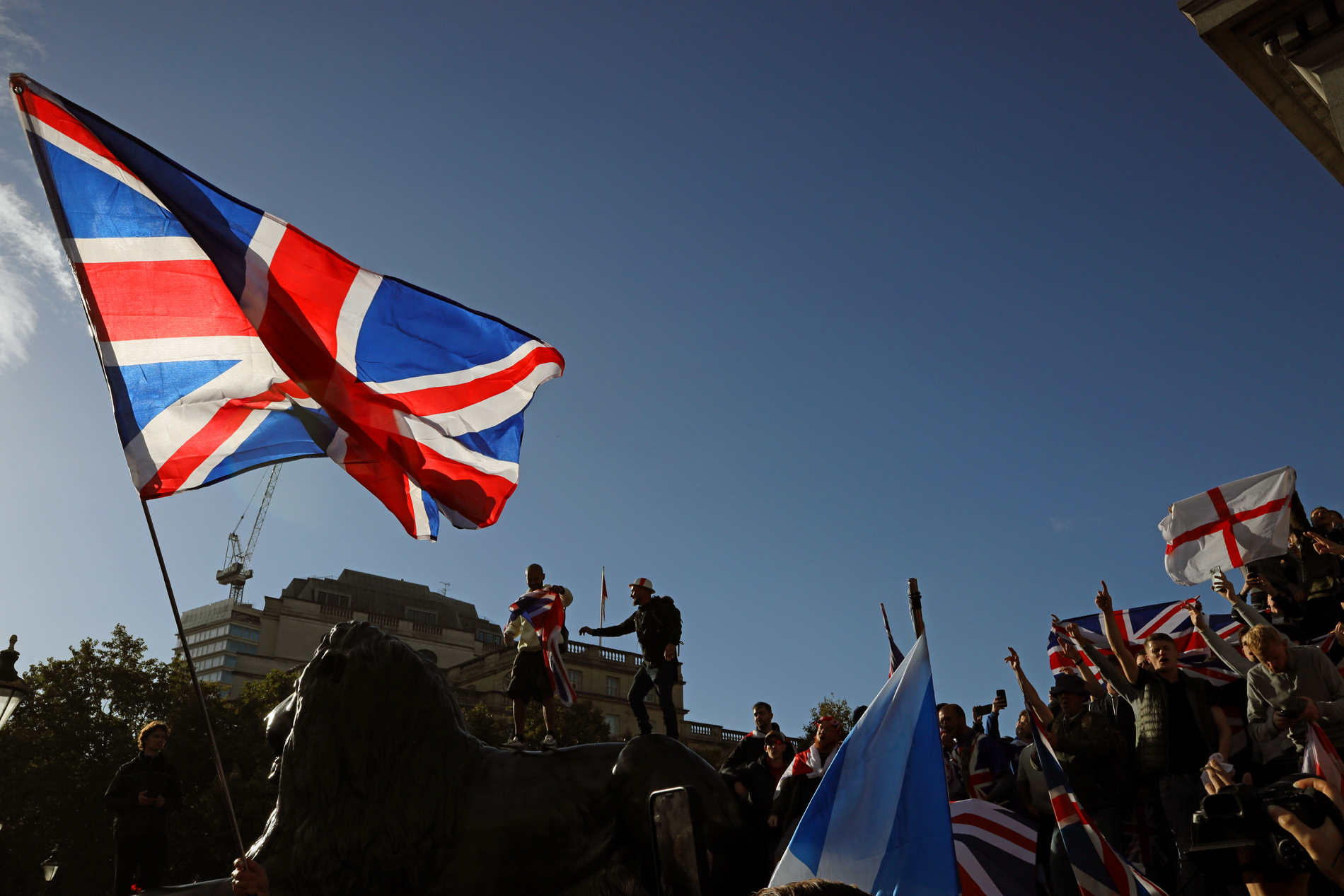
The prominent display of the Union Jack and the St. George’s Cross at the Unite The Kingdom rally is a potent manifestation of national identity. These flags are deeply embedded in British history and culture, evoking a sense of shared heritage, pride, and belonging. The Union Jack, representing the union of England, Scotland, and Northern Ireland, is a ubiquitous symbol of the United Kingdom on the global stage. The St. George’s Cross, the flag of England, carries historical connotations of chivalry, courage, and English nationhood.
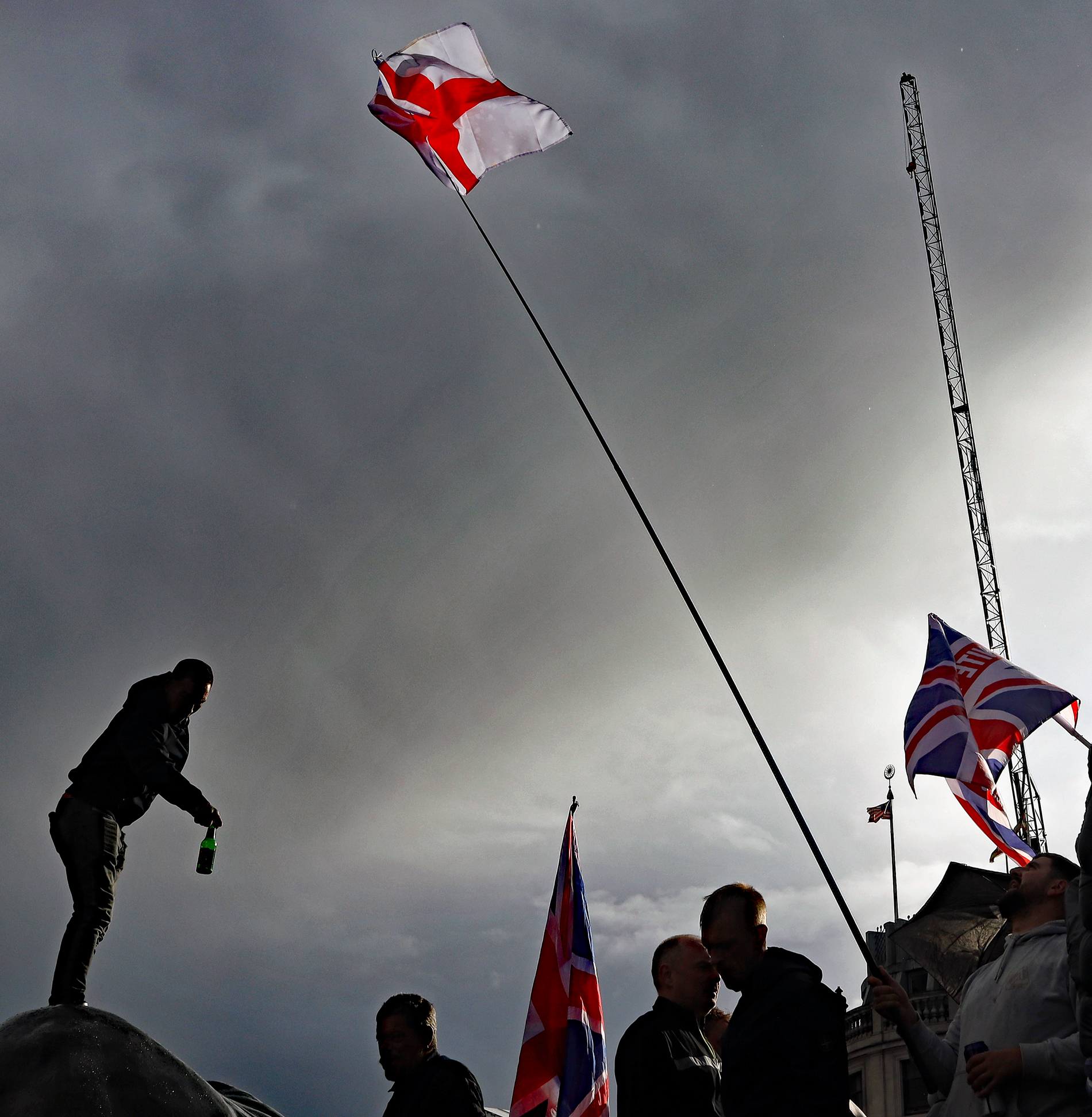
During periods of national introspection or political change, the use of these flags often intensifies as citizens seek to reaffirm their connection to the nation. In the context of the mid-2020s, with ongoing discussions about national identity post-Brexit and the UK’s role in international affairs, these symbols likely served to rally individuals around a perceived common purpose and a desire for a strong, sovereign nation.
The inclusion of the word "Freedom" in the alt-text of some of the images, such as "Union_Jack_UK_Street_Photography_Freedom-1.jpg" and "Freedon_UK_St_George_LGBTQ_STreet_Photography.jpg," suggests that the rally’s participants framed their objectives through the lens of liberty and self-determination. This can be interpreted in various ways: freedom from perceived external influences, freedom to uphold certain cultural values, or freedom to pursue a particular vision for the nation’s future. The juxtaposition of these national symbols with the concept of freedom underscores the deeply personal and political motivations that drive individuals to participate in public demonstrations.
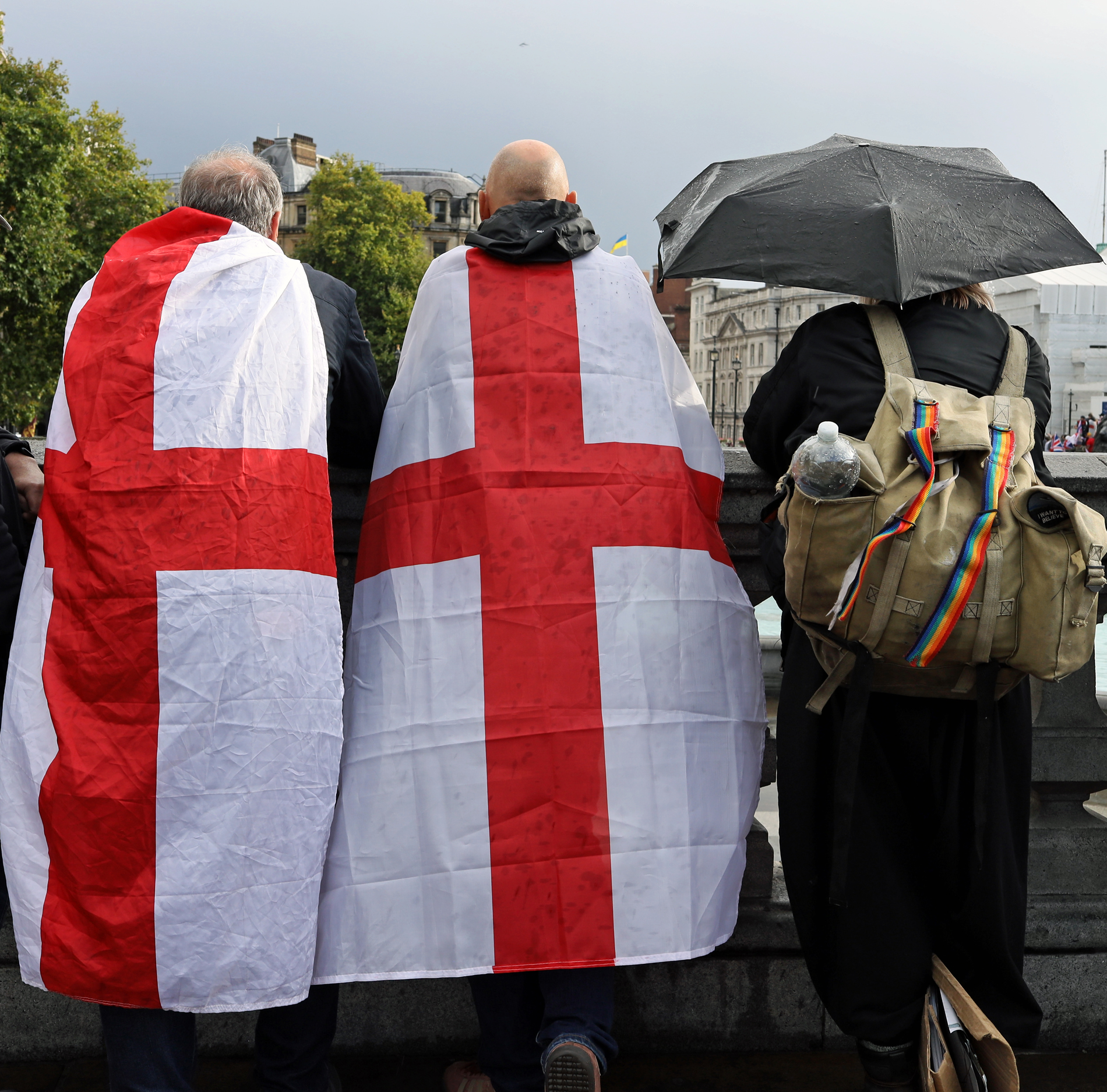
Inclusivity and Evolving Narratives of National Identity
Perhaps the most striking element captured by Johnny Mobasher is the presence of imagery that bridges traditional national symbols with contemporary markers of inclusivity, particularly the inclusion of LGBTQ+ symbolism. The photograph titled "Freedon_UK_St_George_LGBTQ_STreet_Photography.jpg" explicitly combines the St. George’s Cross with what appears to be LGBTQ+ rainbow imagery. This fusion challenges a simplistic understanding of nationalistic rallies as being exclusively conservative or exclusionary.
This visual element suggests that within the broader Unite The Kingdom movement, there were individuals or factions who sought to articulate a vision of national identity that was both patriotic and inclusive. This could represent several dynamics:
- A Reclaiming of National Identity: Some within the LGBTQ+ community, or their allies, may feel that national symbols have been co-opted by more extreme or exclusionary viewpoints. By integrating these symbols with LGBTQ+ identifiers, they might be asserting their right to national belonging and patriotism, arguing that a truly unified kingdom should embrace all its citizens.
- A Broader Definition of "Freedom": The concept of freedom can encompass personal liberties and the right to express one’s identity without fear of discrimination. The combination of national and LGBTQ+ symbols could be an attempt to link the idea of national sovereignty and self-determination with the freedom of individuals to live authentically.
- Internal Diversity within Movements: Public demonstrations are rarely monolithic. Different groups with varying priorities and perspectives often participate. The presence of this imagery indicates that the Unite The Kingdom rally, at least in part, attracted individuals who held more progressive views on social issues alongside their nationalistic sentiments.
This visual evidence adds a layer of complexity to the analysis of the rally, suggesting that the discourse around national identity in the UK is not static but is continually being debated and redefined by its citizens. It hints at a potential evolution in how patriotism is expressed and understood, moving towards a more multifaceted and inclusive definition.
Potential Implications and Broader Impact
The Unite The Kingdom rally, as documented by Mobasher’s photographs, offers insights into the prevailing social and political currents within the UK in 2025. The visual emphasis on national symbols, coupled with the explicit invocation of "freedom," underscores a public desire for national affirmation and autonomy.
The presence of diverse imagery, particularly the integration of LGBTQ+ elements with national flags, suggests that contemporary expressions of patriotism are becoming more nuanced. This can have several implications:
- Shifting Political Discourse: The ability of individuals to publicly express a blend of national pride and social inclusivity may influence the broader political conversation, potentially pushing parties to adopt more inclusive platforms or to re-evaluate their approaches to national identity.
- Counter-Narratives to Extremism: By showcasing a more inclusive vision of national belonging, such imagery can serve as a counter-narrative to more extreme or exclusionary forms of nationalism, demonstrating that patriotism can coexist with progressive social values.
- Social Cohesion and Division: The way in which national identity is expressed can either foster social cohesion or exacerbate divisions. Rallies that successfully integrate diverse viewpoints may contribute to a more unified national consciousness, while those that are perceived as exclusionary can deepen societal rifts.
The street photography of Johnny Mobasher provides an invaluable, unvarnished record of these public expressions. His work captures the raw emotion, the symbolic language, and the diverse motivations of individuals participating in a significant national event. By presenting these images, Mobasher invites viewers to engage with the complexities of national identity, the evolving understanding of freedom, and the multifaceted nature of public assembly in the modern United Kingdom. Further analysis of such visual documentation, when contextualized with demographic data and political polling from the era, can offer a more comprehensive understanding of the forces shaping the nation’s trajectory.

The photographs, credited to Johnny Mobasher, serve as a testament to the power of visual storytelling in capturing the zeitgeist of a nation at a particular moment in time. They are not merely snapshots of a protest but visual documents that reflect the ongoing dialogue and evolution of national identity in a dynamic world.