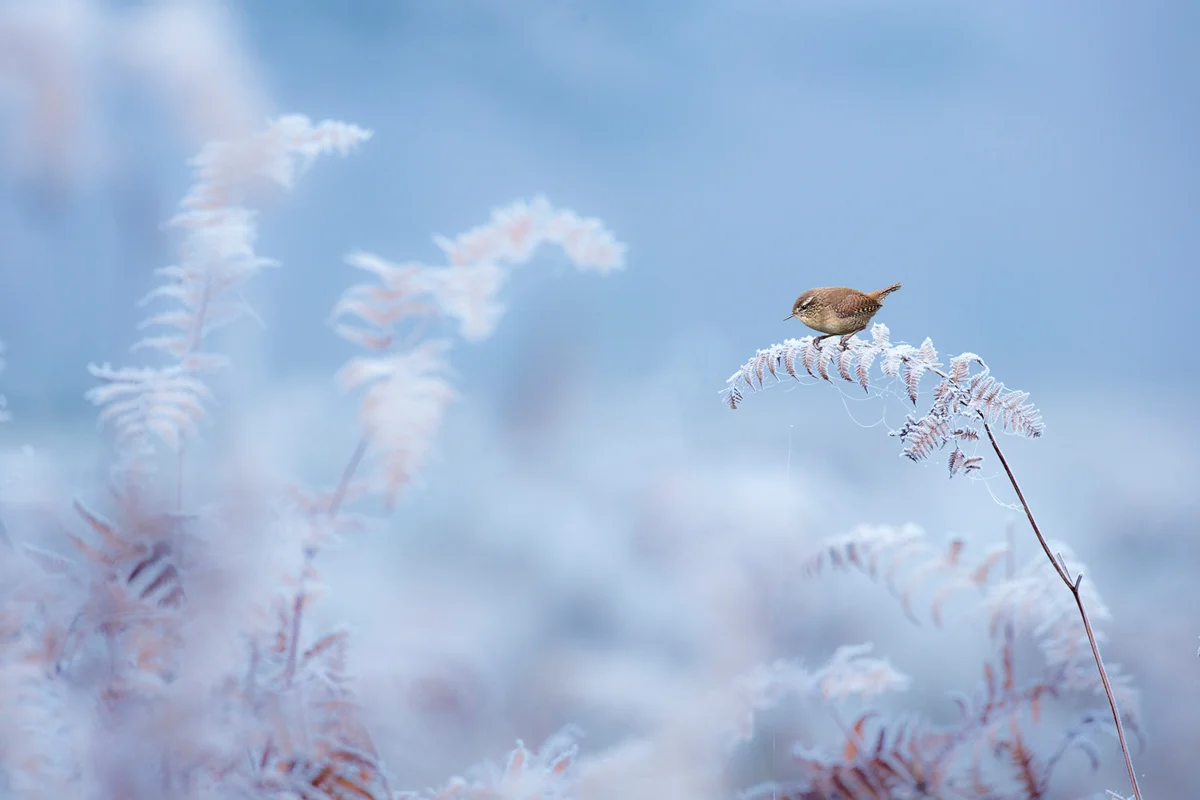
Passerine birds, often referred to as perching birds, belong to the largest order of birds, Passeriformes, representing a staggering diversity that encompasses over half of all avian species worldwide. These agile creatures, easily identified by their characteristic toe arrangement – three pointing forward and one facing backwards, providing a strong grip – inhabit nearly every conceivable terrestrial environment, from bustling urban gardens and dense ancient forests to expansive open fields and vital wetlands across the globe. Their ubiquity and vibrant life cycles make them an incredibly accessible yet challenging subject for both novice and seasoned wildlife photographers.
The sheer variety within the Passeriformes order is astonishing, ranging from the tiny, energetic kinglets and wrens to the larger, more robust crows and ravens. This diversity translates into a rich tapestry of colors, behaviors, and songs, offering endless photographic opportunities. Common examples encountered by many include the familiar sparrows, tits, finches, warblers, and swallows. While their small size and rapid movements present a significant technical hurdle, the rewards of capturing their fleeting beauty and intricate behaviors are immense. Moreover, their widespread presence means that aspiring wildlife photographers can often begin their journey right in their own backyards, making passerine photography an excellent gateway to the broader field of nature imaging.

Understanding Passerines: Biology, Behavior, and Ecological Significance
To truly excel in photographing passerine birds, a foundational understanding of their biology and behavior is paramount. These birds are not merely picturesque subjects; they are vital components of global ecosystems. Many passerines are insectivorous, playing a crucial role in controlling insect populations, while others are granivores or frugivores, aiding in seed dispersal and plant propagation. Their ecological contributions are often underestimated, yet essential for maintaining biodiversity and ecosystem health.
Passerine identification often begins with their highly vocal nature. Learning bird songs and calls is an invaluable skill, enabling photographers to locate and identify species even when they are hidden from view. Field guides, online resources, and dedicated birding apps can significantly aid in this learning process, providing recordings and spectrograms that help distinguish between similar-sounding species. For instance, the cheerful song of a robin can alert a photographer to its presence long before it becomes visible, offering a head start in preparing for a shot.

Their habitat preferences are largely dictated by their feeding habits and nesting requirements. Gardens and parks offer a mix of food sources (insects, seeds, berries) and safe nesting sites in shrubs and trees. Forests provide dense cover and a rich insect larder, while open fields support ground-nesting species and those that forage on insects in grasses. Understanding these preferences allows photographers to anticipate where certain species might be found and to set up their equipment strategically. Spending time simply observing these birds – noting their routines, preferred perches, feeding techniques, and interactions – is the most effective form of fieldcraft. This detailed observation is not just about finding the bird; it’s about understanding the story the bird is living, which is crucial for capturing compelling images.
Ethical Considerations in Wildlife Photography
Before delving into the technical aspects, it is imperative to address the ethical responsibilities inherent in wildlife photography. The primary goal must always be the welfare of the birds. Passerines, being small and often skittish, are particularly vulnerable to disturbance.

- Minimize Disturbance: Always maintain a respectful distance. Use telephoto lenses to bridge the gap rather than approaching too closely. Avoid sudden movements or loud noises. If a bird shows signs of distress (e.g., stopping feeding, increased vigilance, alarm calls), you are too close and should retreat immediately.
- Protect Nesting Sites: Never disturb nesting birds. Approaching a nest can cause parents to abandon their young or draw predators to the site. If you encounter a nest, observe from a very safe distance with binoculars and a long lens, or simply move on. The "perfect shot" is never worth jeopardizing a bird’s life.
- Avoid Unnatural Baiting: While setting up a feeding station is generally acceptable if done responsibly, avoid using live bait or manipulating the environment in ways that put the birds at risk or alter their natural behavior excessively.
- Leave No Trace: Always pack out everything you bring in. Do not leave behind food scraps, litter, or equipment.
- Respect Private Property and Regulations: Always be aware of and adhere to local laws, park regulations, and private property boundaries.
By adhering to these ethical guidelines, photographers not only protect wildlife but also contribute to a positive image of wildlife photography, fostering greater appreciation and understanding of nature.
Strategic Planning: Locating and Attracting Passerines
Successful passerine photography often begins long before the camera is even lifted. Strategic planning, observation, and creating an inviting environment can dramatically increase photographic opportunities.

Setting Up a Garden Feeding Station
For many, the most accessible entry point to passerine photography is establishing a feeding station in their own garden. This controlled environment allows for consistent observation and photographic setup.
- Food Selection: A diverse offering attracts a wider range of species.
- Sunflower Seeds (Black Oil): Highly popular with finches, tits, and sparrows due to their high oil content.
- Nyjer Seeds: A favorite of goldfinches and siskins, requiring specialized feeders.
- Suet Blocks/Pellets: Essential for insectivorous birds like woodpeckers, tits, and starlings, particularly in colder months.
- Mealworms (Live or Dried): A treat for robins, wrens, and thrushes.
- Fruit: Apples, oranges, or berries can attract blackbirds and thrushes.
- Peanuts (Unsalted, in feeders): Attracts tits, jays, and nuthatches.
- Feeder Placement: Location is crucial for both bird safety and photographic quality.
- Natural Light: Position feeders in areas that receive good natural light, ideally soft morning or late afternoon light (the "golden hour").
- Safety and Cover: Avoid placing feeders in wide-open spaces. Birds need nearby trees, shrubs, or dense foliage for cover from predators and quick escape routes. A distance of 2-5 meters from cover is often ideal.
- Background Considerations: Before placing, consider what will be in the background of your photographs. Aim for distant, uncluttered backgrounds that will render beautifully out of focus.
- Hygiene Protocol: Regular cleaning is non-negotiable to prevent the spread of diseases.
- Clean feeders every 1-2 weeks (more frequently during wet weather or high bird traffic).
- Use a mild bleach solution (1 part bleach to 9 parts water) or a specialized bird feeder cleaner.
- Rinse thoroughly and allow feeders to dry completely before refilling.
- Rake and clean the ground beneath feeders to remove old seed and droppings.
- Water Source: A clean water source is as attractive as food and provides unique photographic opportunities.
- Bird Baths: Simple and effective.
- Reflection Pools: A large, shallow planting tray filled with water, strategically placed, can create stunning reflection shots. The key is positioning it to reflect desirable elements (trees, foliage) rather than a bright, washed-out sky. Place a rock or log in the water for birds to perch on.
Finding the Perfect Perch

While feeders attract birds, a natural, aesthetically pleasing perch elevates a photograph from a simple record shot to a piece of art.
- Natural Perch Selection: Always look for natural elements that complement the bird and its habitat.
- Branches and Twigs: Look for moss-covered, lichen-encrusted, or weathered branches.
- Seasonal Elements: A sprig of blossom in spring, berries in autumn, or frosted twigs in winter can add significant aesthetic appeal and context.
- Avoid Artificiality: Ensure the perch looks natural and belongs in the environment.
- Positioning the Perch:
- Lighting: Position the perch where it will be well-lit, considering different times of day. A perch that is front-lit in the morning might be beautifully backlit in the evening, offering varied lighting effects.
- Stability: Securely attach or place perches so they don’t move or fall, potentially scaring birds or causing injury.
- Proximity to Feeder: Place the perch close enough to the feeder that birds will use it as a ‘staging post’ before and after feeding, but far enough that the feeder isn’t in the frame if you don’t want it.
- Background Management: This is critical for achieving professional-looking images.
- Distance: The background should be as distant from the perch as possible. This, combined with a wide aperture and long focal length, will create a pleasingly blurred background (bokeh).
- Cleanliness: Look for backgrounds free of distracting elements like bright spots, harsh lines, or unnatural objects.
- Color Harmony: Choose backgrounds whose colors complement or contrast nicely with the bird’s plumage. Areas of deep shadow can create a dramatic, dark backdrop that makes the bird pop.
Mastering Technical Settings for Dynamic Shots
Photographing small, fast-moving passerines demands technical precision and quick adjustments.

- Camera Choice: A modern DSLR or mirrorless camera with fast, reliable autofocus and a high continuous shooting rate (10 frames per second or more) is highly recommended. Mirrorless cameras often have an advantage with advanced eye-detection AF and silent shooting capabilities.
- Lenses:
- Telephoto Lenses: A lens of 300mm or longer is essential to maintain distance and fill the frame. Popular choices include 100-400mm, 150-600mm zooms, or prime lenses like 300mm f/2.8, 400mm f/4, 500mm f/4, or 600mm f/4.
- Tele-zooms: Offer flexibility in framing, useful when birds are at varying distances.
- Prime Lenses: Often sharper and have wider maximum apertures, which are excellent for low light and creating creamy bokeh.
- Teleconverters: Can extend the reach of your lens but come with a loss of light and potential slight reduction in sharpness.
- Tripod and Head:
- Sturdy Tripod: Essential for stability, especially with long, heavy lenses, and for extended periods of waiting in a hide.
- Gimbal Head: Ideal for heavy telephoto lenses (500mm+), allowing smooth, effortless tracking of moving subjects.
- Ball Head: Suitable for lighter setups, offering quick adjustments.
- Shutter Speed: This is the most critical setting for freezing movement.
- Static Birds: Aim for at least 1/1000th of a second. Passerines rarely stay still for long, even when perched.
- Birds in Flight: Increase to 1/2500th of a second or faster (e.g., 1/3200s, 1/4000s) to freeze wing motion.
- Aperture: Controls depth of field (the amount of the image that is in focus).
- Wide Aperture (f/2.8 – f/5.6): Creates a shallow depth of field, effectively isolating the bird from its background with beautiful bokeh.
- Stopping Down (f/8 – f/11): May be necessary when photographing two or more birds to ensure all subjects are in focus, or for close-up portraits where both the eye and breast feathers need to be sharp.
- ISO: Adjust to achieve the desired shutter speed and aperture, especially in low light.
- Embrace High ISO: Don’t be afraid to increase ISO to maintain a fast shutter speed. Modern cameras handle noise remarkably well, and a sharp image with some noise is almost always preferable to a blurry, noise-free one.
- Focus Mode:
- Continuous Autofocus (AI Servo for Canon, AF-C for Nikon/Sony): Crucial for tracking moving birds, keeping them in focus as they shift positions.
- Eye Detection AF: Many modern mirrorless cameras offer this, which can be incredibly effective. However, if the bird is obscured or moving erratically, switch to a more traditional single-point or group focus mode.
- Single-Point/Group Focus: Position the focus point directly on the bird’s eye for maximum sharpness.
- Back-Button Focus: Separates autofocus activation from the shutter button, allowing more precise control over when and where focus is acquired.
- Burst Mode (High-Speed Continuous Shooting): Fire a sequence of frames to increase your chances of capturing the peak action, a sharp eye, or a perfect wing position.
- Manual Focus Technique: For predictable flight paths (e.g., bird flying from a specific perch to a feeder), pre-focus manually on a spot where you anticipate the bird will be, then fire a burst as it enters that plane of focus.
Crafting Compelling Images: Composition and Light
Technical proficiency is only half the battle; strong composition and an understanding of light transform good photos into great ones.
- Rule of Thirds: Mentally divide your frame into nine equal segments. Placing the bird at one of the intersecting points ("power points") or along one of the lines often creates a more dynamic and balanced composition than centering the subject.
- Leading Lines: Utilize natural elements like branches, fence lines, or even a dry stone wall to guide the viewer’s eye towards your subject, adding depth and visual flow.
- Negative Space: Thoughtfully incorporate empty space around the bird to emphasize its isolation, convey a sense of scale within its environment, or create a minimalist, impactful image. Ensure the bird is looking or moving into the negative space for a balanced feel.
- Eye-Level Perspective: Get down to the bird’s level. Shooting from eye-level creates a more intimate connection with the subject and a more immersive perspective for the viewer. This often means crouching or lying on the ground.
- Incorporating the Environment: Don’t always zoom in tight. Include elements of the bird’s natural habitat – leaves, blossom, snow, reeds – to tell a richer story and provide context. This gives a sense of place and shows the bird interacting with its world.
- Background Management (Revisited): A clean, blurred background remains paramount. Pay attention to colors in the background; they should complement the bird, not compete with it.
- Understanding Light:
- Golden Hour: The hour after sunrise and before sunset offers warm, soft, directional light that adds depth and dimension. This is ideal for experimenting with backlighting to create beautiful rim lighting around the bird’s feathers.
- Overcast Days: Often overlooked, cloudy days act as a giant natural diffuser, softening the light, eliminating harsh shadows, and bringing out intricate feather details and muted, rich colors. This is excellent for detailed portraits.
Capturing Intimate Moments: Behavior and Interactions

The most engaging passerine photographs often depict specific behaviors or interactions. This requires immense patience and keen observation.
- Patience and Observation: This cannot be overstated. Spend hours watching your subjects without the camera. Learn their routines, communication signals, and individual quirks. This understanding allows you to anticipate movements and be ready for those fleeting moments.
- Feeding Habits: Capture birds actively foraging, catching insects, or drinking from a pool. These actions are dynamic and tell a story.
- Singing and Vocalizations: During breeding season, many passerines sing to attract mates and defend territories. Capture them with open beaks, mid-song, to convey their vibrant life. Robins, wrens, blackbirds, and song thrushes are particularly vocal.
- Social Dynamics: Look for interactions between birds. Territorial disputes over food, courtship rituals, or birds gathering in flocks can create dramatic and engaging action shots. When multiple birds are in the frame, remember to adjust your aperture to ensure sufficient depth of field, and keep your shutter speed high.
- Parenting Behavior: Witnessing parents feeding chicks or teaching fledglings to fly is incredibly rewarding. However, extreme caution and distance are required here. Only attempt to photograph these moments if there is absolutely no risk of disturbing the birds or drawing attention to a vulnerable nest. Often, observing parents feeding recently fledged young in garden foliage provides safer opportunities.
- Bathing and Preening: Birds regularly clean themselves. Capturing them splashing in water or meticulously arranging their feathers provides opportunities for action shots, detailed portraits, and often humorous expressions.
Recommended Equipment
While skill and knowledge are more important than gear, having suitable equipment certainly makes the task easier.

- Camera Body: A DSLR or mirrorless camera with high frame rates (10+ fps) and advanced autofocus systems (especially eye-detection AF if available) will significantly improve your hit rate.
- Lenses: A telephoto lens of at least 300mm is a minimum. Longer lenses (500mm, 600mm) or versatile tele-zooms (150-600mm) are highly recommended for getting close-up shots without disturbing the birds and for achieving excellent background blur.
- Tripod and Head: A sturdy tripod is essential for stability, especially with heavier lenses or when shooting from a hide. A gimbal head is ideal for smooth tracking of moving subjects.
- Hide/Blind: A portable hide, camouflage netting, or a purpose-built bird photography hide allows you to get much closer to birds without them perceiving you as a threat. Setting one up in advance and allowing birds to get used to it can yield incredible results.
- Remote Shutter Release: Minimizes camera shake and is particularly useful when pre-focusing on a specific spot from a hide.
- Memory Cards: Always carry multiple high-speed memory cards. Burst shooting generates a lot of data, and you don’t want to run out of storage during a critical moment.
In Conclusion
Passerine bird photography offers a deeply rewarding journey into the world of nature. From the common garden robin to the elusive woodland warbler, these small, dynamic birds provide endless opportunities for creative and challenging wildlife photography. Their rapid movements and often skittish nature demand technical precision, keen observational skills, and above all, unwavering patience.
By investing time in understanding their behavior, meticulously setting up an inviting and ethical environment, and mastering the nuances of your camera settings and compositional techniques, you can transcend simple snapshots and create stunning images that not only showcase the vibrant beauty and unique charm of these ubiquitous birds but also contribute to a deeper appreciation for their ecological role. So, arm yourself with knowledge, grab your camera, step outside, and immerse yourself in the enchanting and accessible world of passerine photography. The rewards, both personal and photographic, are truly boundless.