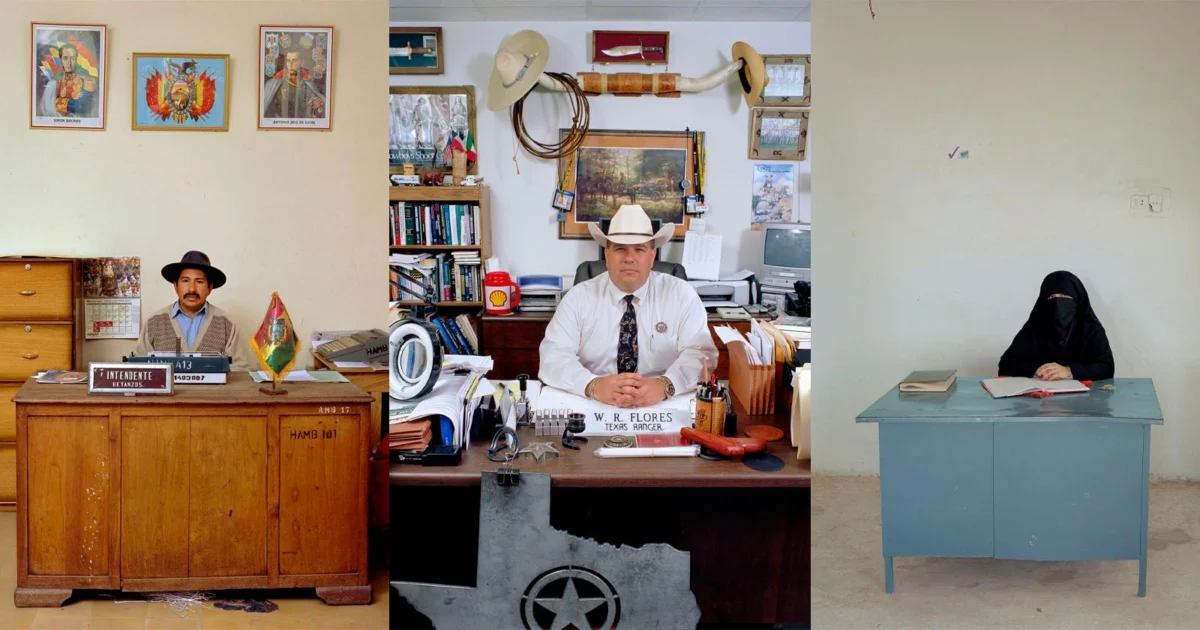
Dutch photographer Jan Banning has, since 2002, embarked on a monumental photographic endeavor to document the often-unseen human face of state power: the bureaucrat. His acclaimed project, initially culminating in the 2008 book Bureaucratics, meticulously captures civil servants across diverse global landscapes, revealing the complex interplay between governmental authority and individual existence within the administrative machinery. Recently, Banning has revisited this extensive archive, releasing Bureaucratics Revisited, an updated exploration that includes both seminal works and fresh perspectives, deepening the discourse on governance, human agency, and the universal experience of paperwork.
The Genesis of a Global Vision: Unveiling the Administrative Core
The inception of Jan Banning’s "Bureaucratics" project in 2002 was driven by a keen interest in understanding the tangible manifestation of state power in everyday life. Banning recognized that while governments operate on grand scales, their impact is most directly felt through the interactions citizens have with administrative officials. These individuals, often working in nondescript offices, are the conduits through which laws are implemented, services are delivered, and order is maintained. Yet, despite their pervasive influence, bureaucrats themselves often remain anonymous, their daily routines and working environments largely invisible to the public they serve.
Banning’s initial quest spanned five years, from 2002 to 2007, taking him across eight countries, each representing a distinct political, economic, and cultural context. The selection of nations—including India, Yemen, Bolivia, China, Colombia, France, Liberia, Mozambique, Russia (Siberia), Uganda, and the United States, as evidenced by the expanded content in Bureaucratics Revisited—was deliberate, chosen to showcase a spectrum of bureaucratic conditions, from highly formalized Western democracies to developing nations grappling with nascent or recovering state structures. This ambitious undertaking required immense logistical effort, navigating bureaucratic hurdles in each country to gain the necessary permissions to photograph within government offices, a challenge Martin Parr aptly describes in the book’s foreword as an "achievement" in itself.
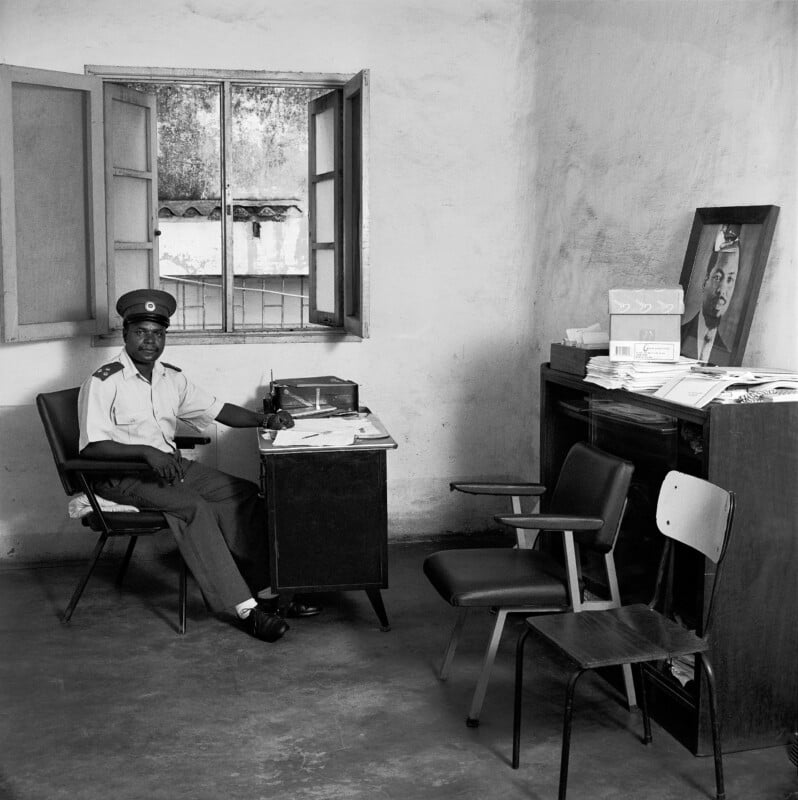
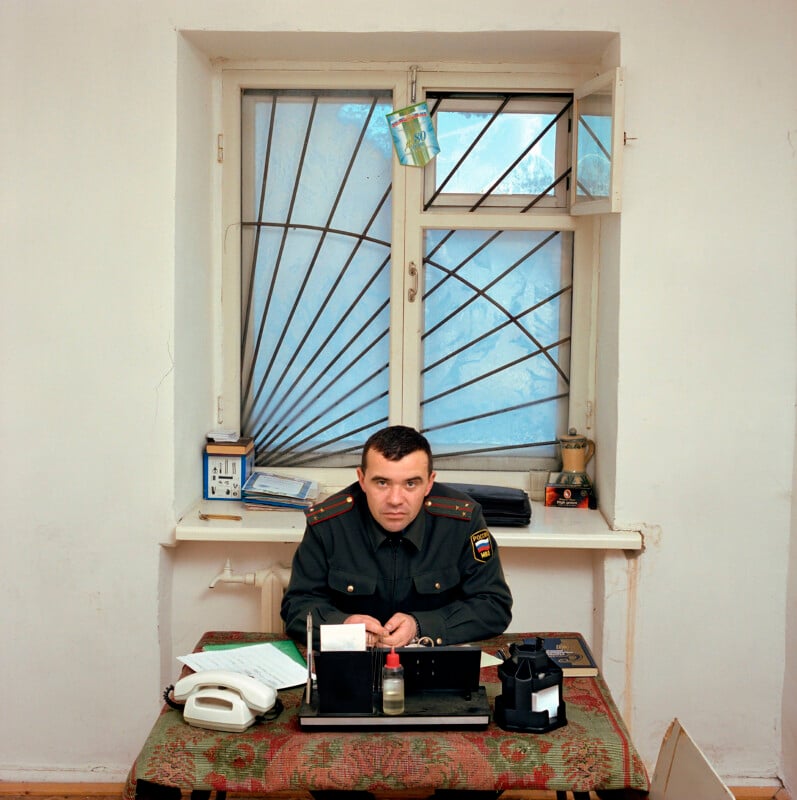
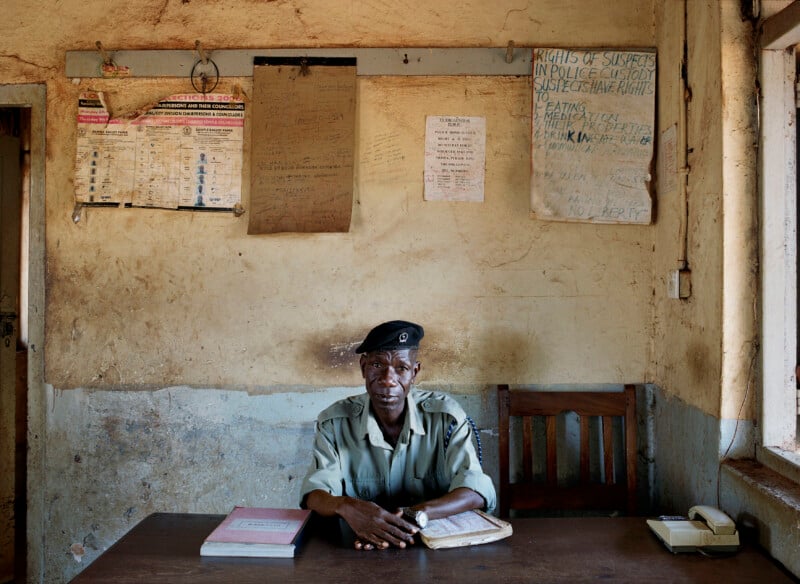
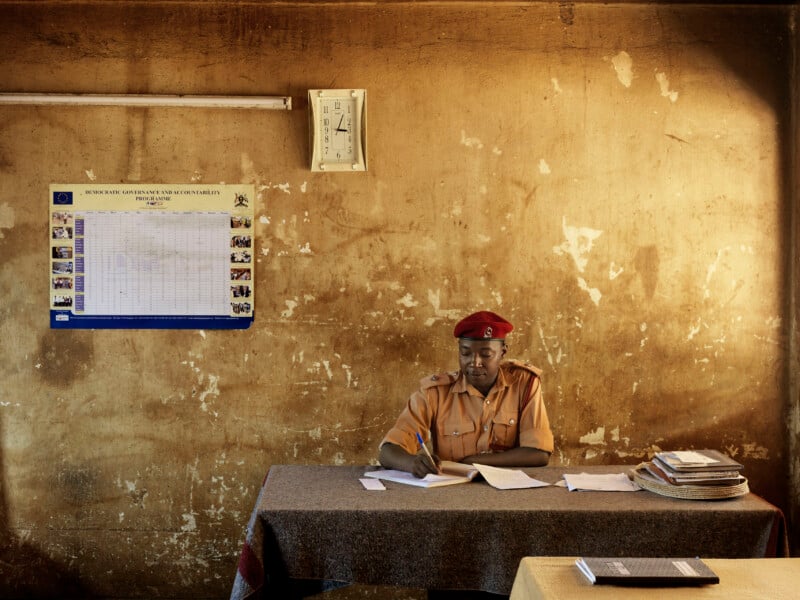
The project’s objective was not merely to document faces but to create "environmental portraits" that encapsulate the bureaucratic ecosystem. Each photograph is a carefully constructed tableau, presenting the subject within their immediate workspace. This approach allows the viewer to absorb not just the individual, but also the myriad details of their office: the stacks of files, the worn furniture, the official portraits, the personal touches, and the overall ambiance that defines their professional realm.
A Deliberate Photographic Language: Eye-Level and Unflinching
Central to Banning’s artistic methodology is a consistent and rigorous photographic language. All portraits adhere to a square format, which imparts a sense of formal balance and timelessness, drawing the viewer’s eye directly to the subject and their surroundings without the distraction of a horizontal or vertical bias. The perspective is consistently frontal, directly addressing the viewer, mimicking the experience of a citizen entering an official’s office. This "deadpan clarity," as described by Banning, eschews overt emotional manipulation, instead inviting objective observation and nuanced interpretation.
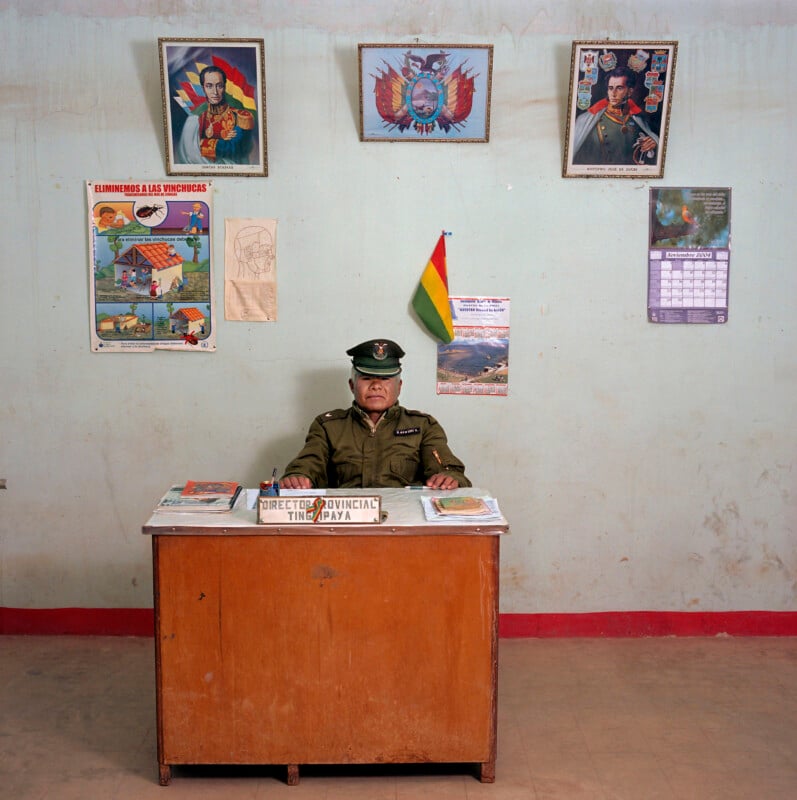
Crucially, each image is taken from the eye level of a citizen engaging with the bureaucrat. This seemingly simple choice carries profound thematic weight. It democratizes the viewing experience, placing the observer on an equal footing with the subject, rather than from a position of authority looking down, or subservience looking up. This perspective fosters a direct, unmediated encounter, emphasizing the accessibility—or lack thereof—of state power.
To achieve the exceptional detail and tonal range necessary for this project, Banning employed medium-format cameras. He began with a Bronica SQ-Ai, later transitioned to a Fuji GX-680III, and ultimately utilized a Hasselblad H5. These professional-grade cameras are renowned for their large sensor sizes and superior lens quality, enabling the capture of intricate textures, subtle lighting nuances, and vast amounts of information within each frame. This technical precision underscores the documentary rigor of the project, ensuring that every detail, from the faded wallpaper to the handwritten notes, contributes to the narrative.
Profiles in Paperwork: Glimpses from the Global Administrative Frontier
The individuals Banning photographed represent a vast array of administrative roles and cultural contexts, each telling a unique story of public service.
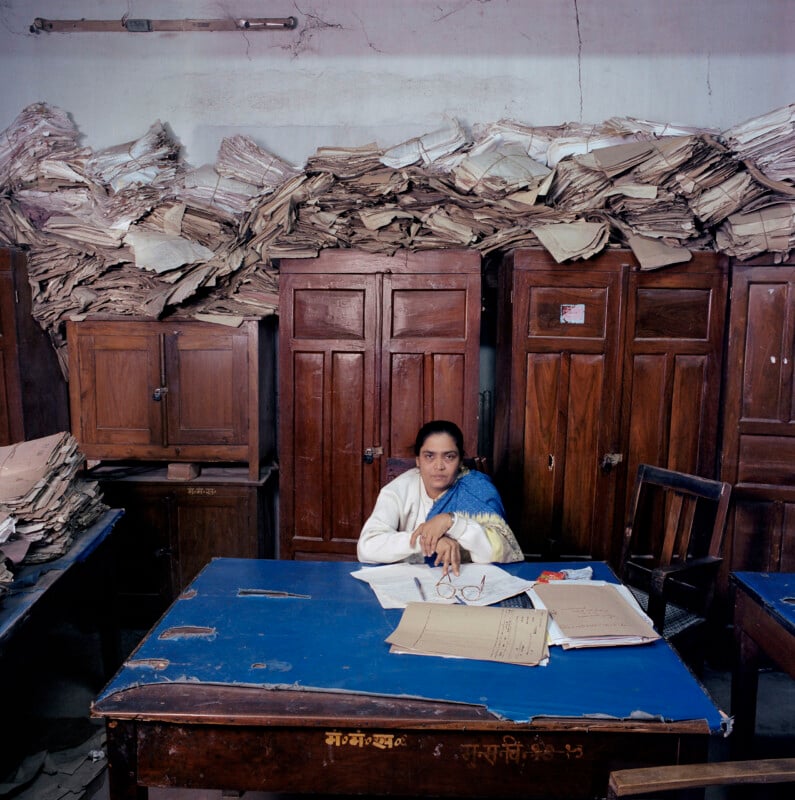
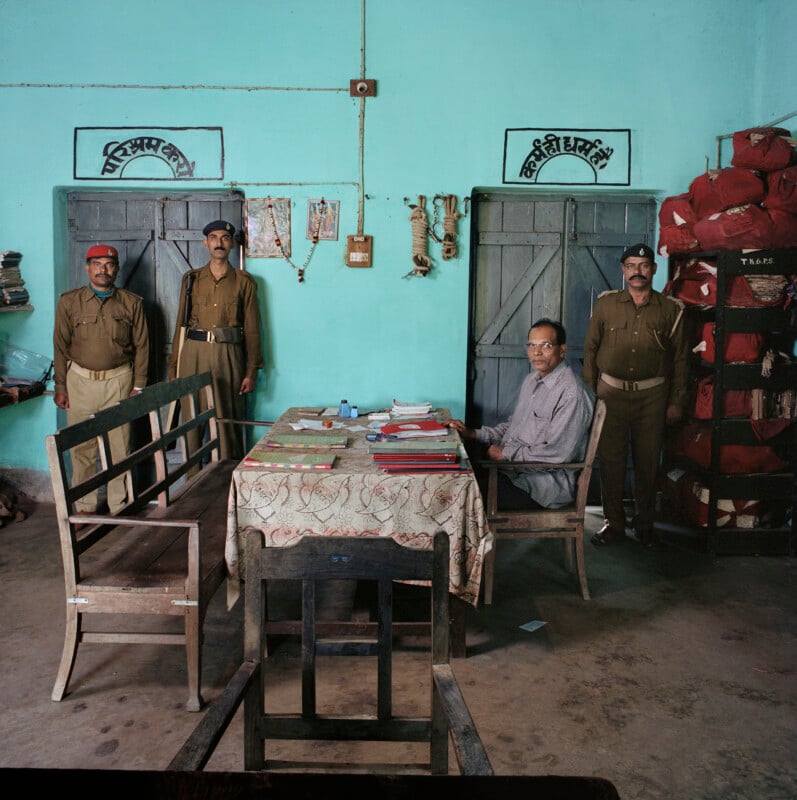
In India, specifically in the state of Bihar (with a population of 83 million at the time of the photograph), we encounter Sushma Prasad (b. 1962), an assistant clerk at the Cabinet Secretary in Patna’s Old Secretariat, photographed in 2004. Her office, laden with towering stacks of paper files and wooden cabinets, speaks volumes about the enduring paper-based bureaucracy of one of the world’s most populous nations. Prasad’s entry into service "on compassionate grounds" after her husband’s death highlights the familial and social dimensions that can intertwine with public employment in many parts of the world, often serving as a critical safety net. The image of Jawed Hayat, a literate constable in Thakurganj, Kishanganj district, surrounded by three regular constables in 2003, further illustrates the hierarchical yet often resource-constrained nature of local law enforcement in rural India.
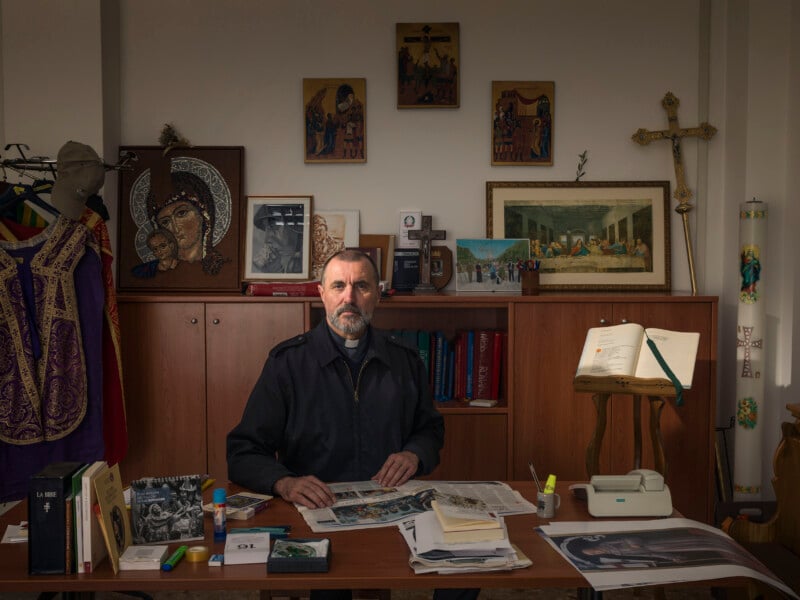
In Italy, Don Albino d’Orlando serves as the military chaplain of the Carabinieri in the Friuli region. Photographed in 2025 (as per image metadata, indicating a later addition or updated dating in Bureaucratics Revisited), his office, adorned with religious icons and a crucifix, is a testament to the enduring role of spiritual guidance within state institutions, even military ones. His dual role as a regular priest and military chaplain underscores the complex layers of service and support provided by individuals within the broader state apparatus.
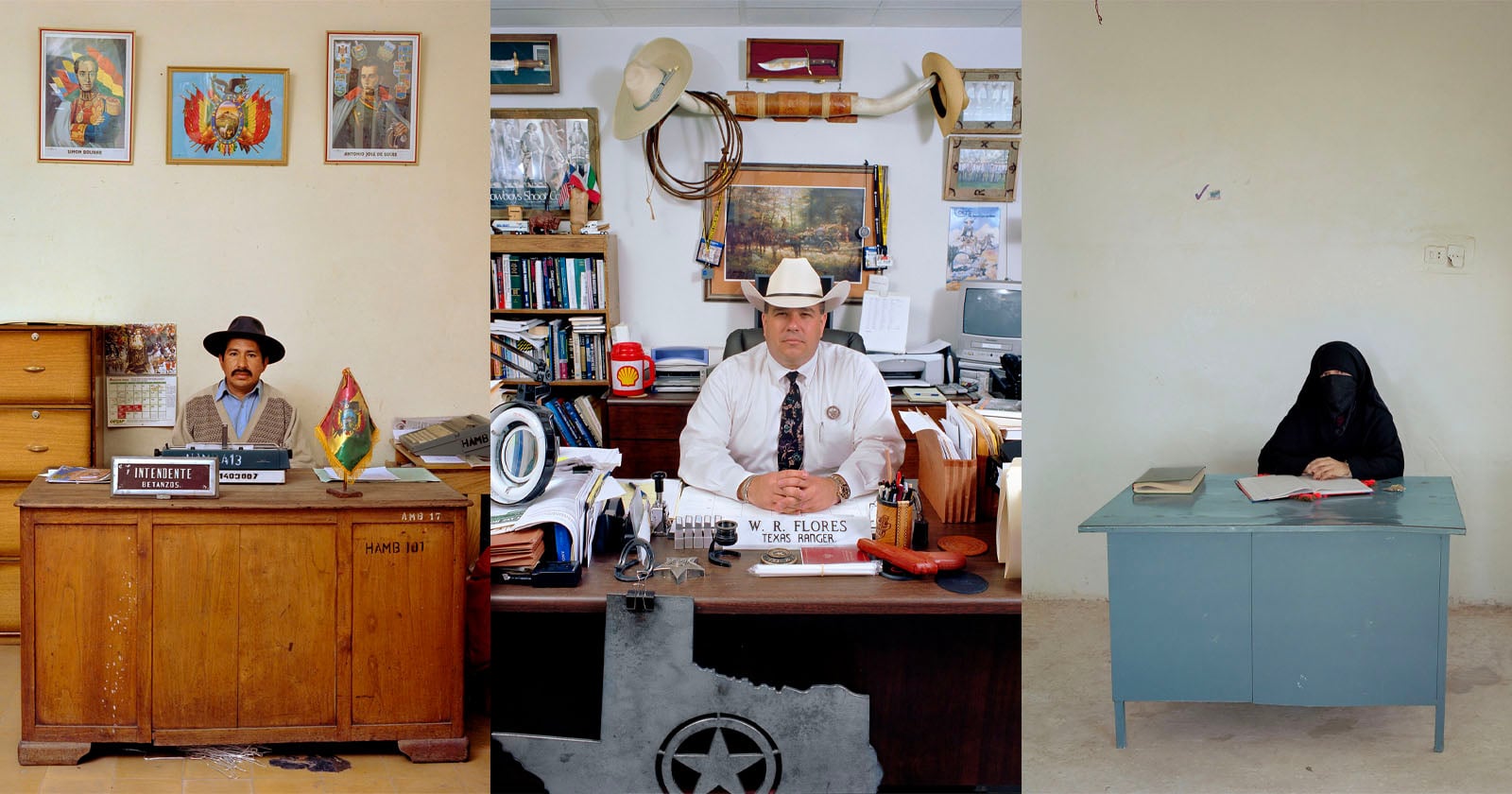
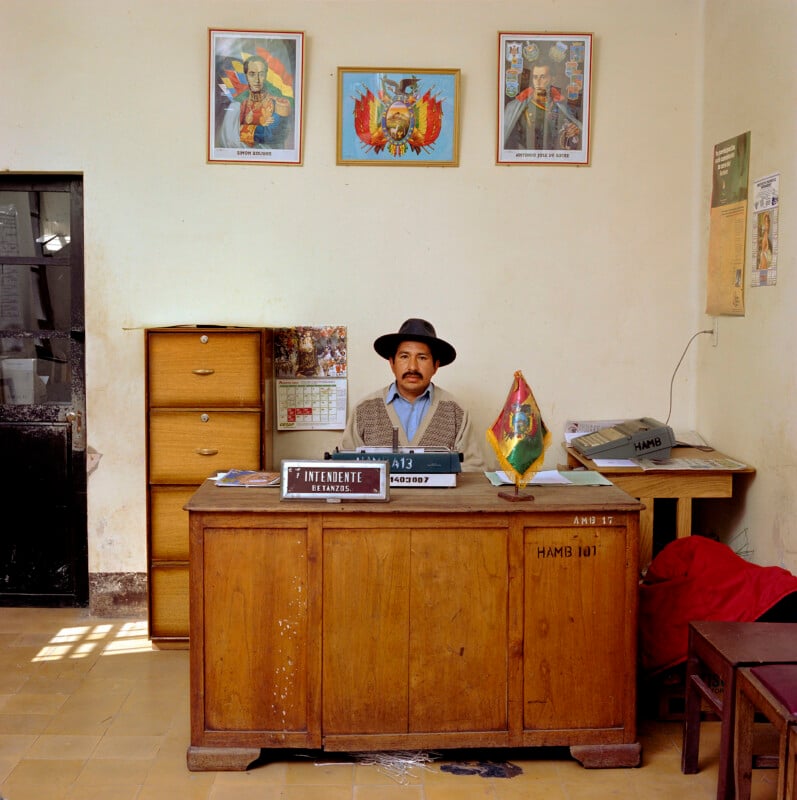
Bolivia, in 2005, presents a picture of grassroots governance. Constantino Aya Viri Castro (b. 1950), a former construction worker, became a police officer third class for the municipality of Tinguipaya, Tomáš Frías province. His police station lacked basic amenities such as a phone, car, or typewriter, starkly illustrating the resource limitations faced by public servants in remote areas. Similarly, Rodolfo Villca Flores (b. 1958), chief supervisor of market and sanitary services in Betanzos, Cornelio Saavedra province, brought a background as a bricklayer, electrician, plumber, and handyman to his administrative role, embodying the practical, multi-skilled nature of local governance in regions with limited specialized infrastructure. Portraits of national heroes like Simón Bolívar and Antonio José de Sucre on his wall connect the present-day bureaucrat to the nation’s foundational history.
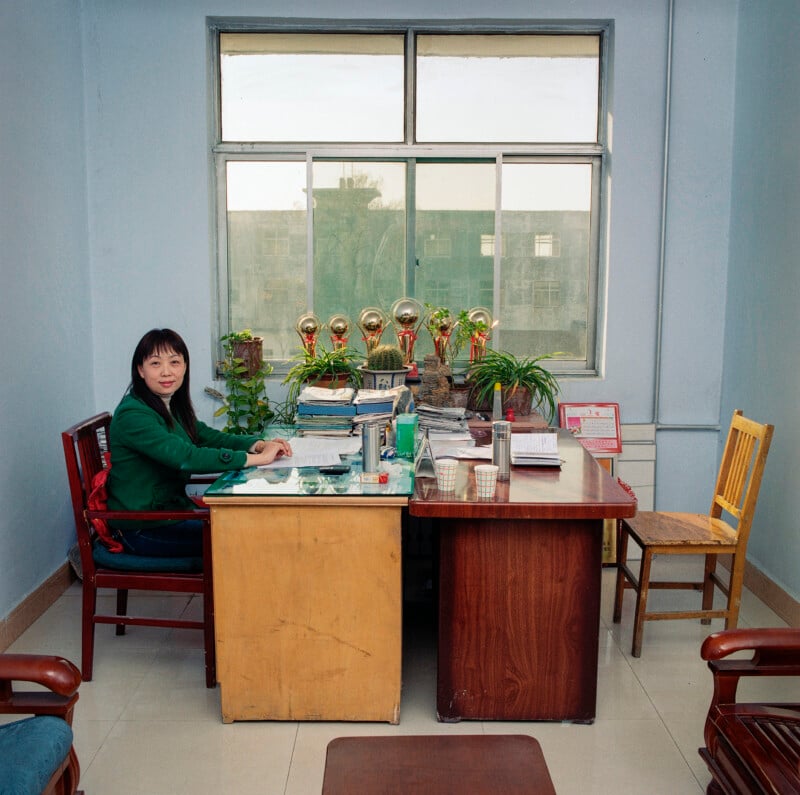
In China, Yao Hong Yu, the vice director of the publicity office in Tianping (approx. 1 million inhabitants) in Daiyue District, Tai’an City, was photographed in 2007. Responsible for promoting local government policies and managing media relations, her office, with trophies and potted plants, hints at the blend of official communication and personal aspiration within the highly structured Chinese administrative system.
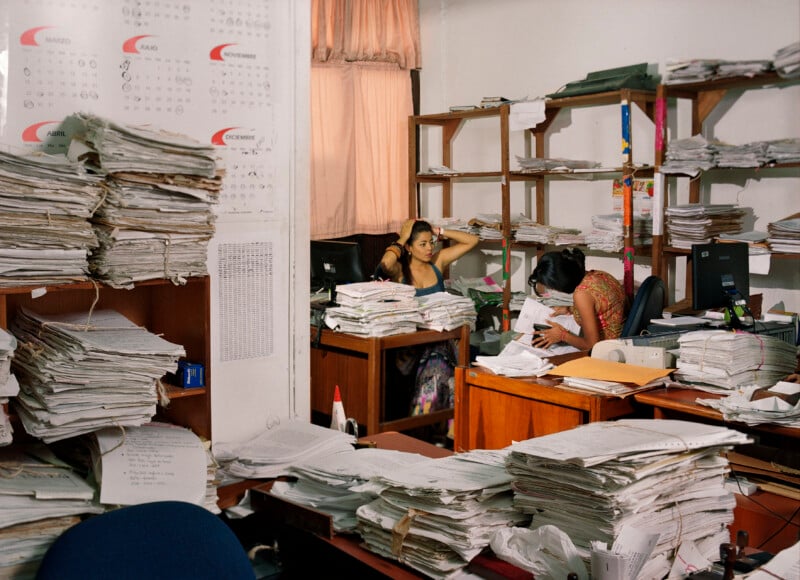
Colombia, in 2011, shows clerks at Cartagena’s Juzgado 2 Penal del Circuito diligently working amidst vast piles of paper documents. Their task was to expedite proceedings under the now-abolished Code of Criminal Procedure (Law 600), applicable to crimes committed before 2005. This image vividly portrays the challenges of transitioning legal systems and the immense archival burden that can characterize administrative justice.
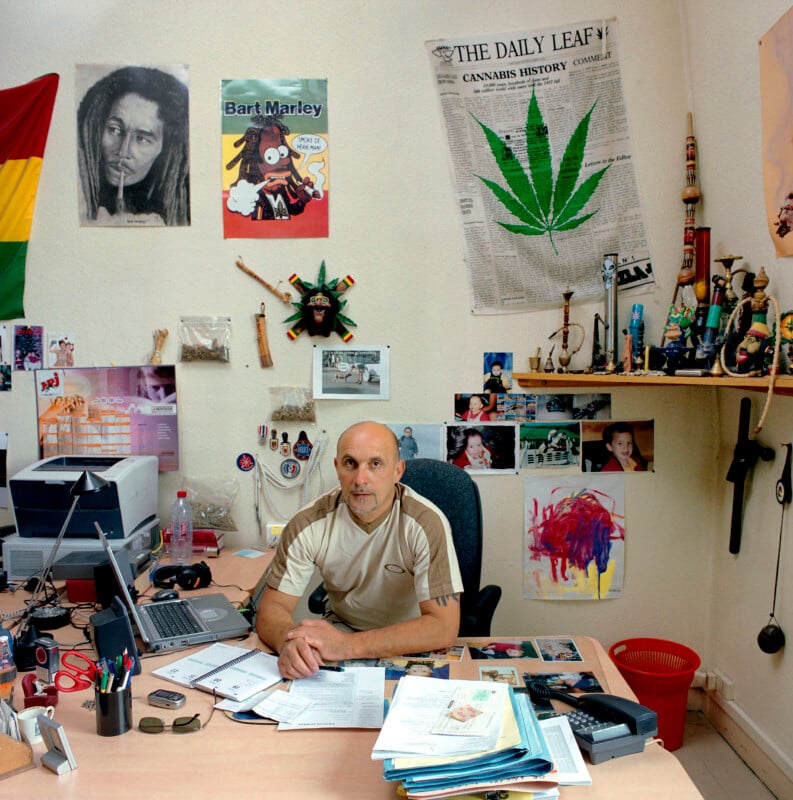
In France, Roger Vacher (b. 1957), a narcotics agent with the national police force in Clermont-Ferrand, Auvergne region, was captured in 2006. His office, unexpectedly decorated with posters of Bob Marley, Bart Simpson, and cannabis-themed imagery, offers a rare, humorous glimpse into the personal expressions that can coexist with the formality of law enforcement, suggesting an individual personality behind the uniform.
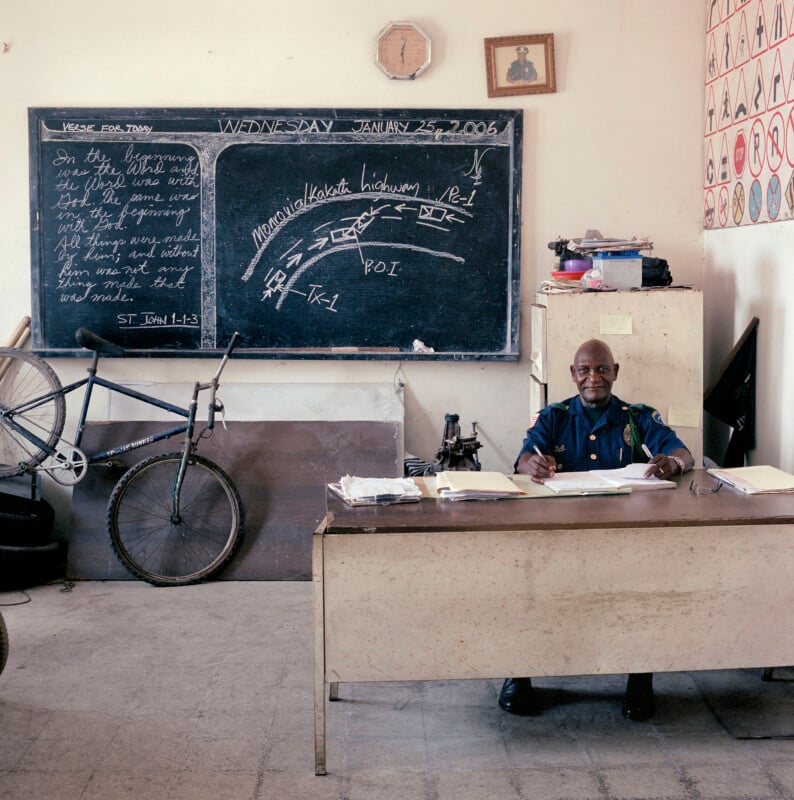
Liberia, in 2006, features Major Adolph Dalaney (b. 1940) working in the Reconstruction Room of the Traffic Police at the Liberia National Police Headquarters in Monrovia. His office, with a chalkboard displaying a traffic diagram and a Bible verse, reflects the unique blend of practical instruction and moral guidance often found in post-conflict or developing nations where institutions are being rebuilt.
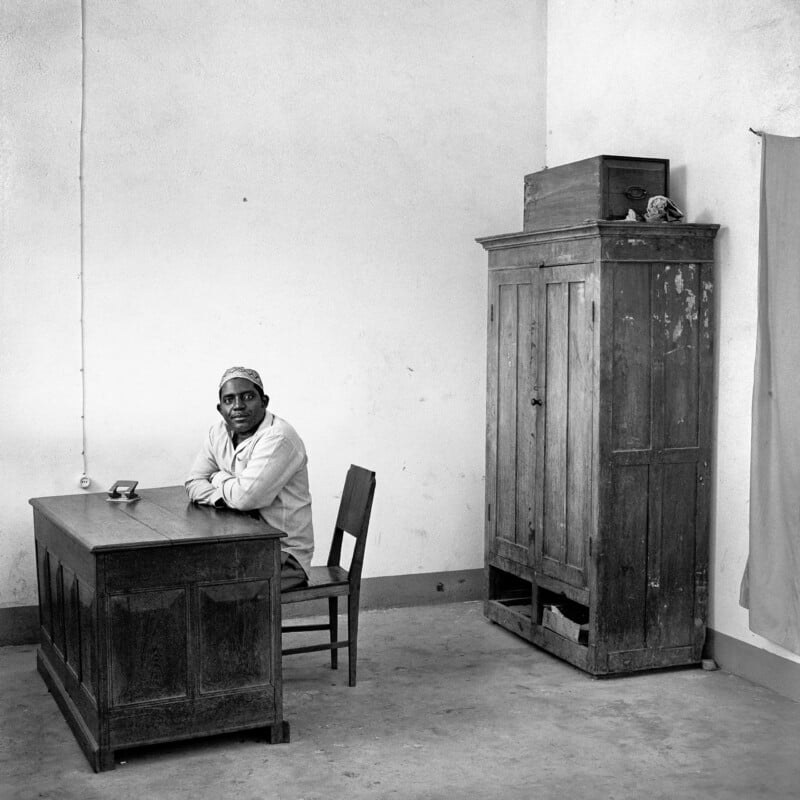
From Mozambique in 2002, Carlos Roska, the secretario do posto administrativo (Administrative secretary) of Boila-Nametoria, oversees a community of 3,857 inhabitants. His sparsely furnished room with a tall wooden cabinet emphasizes the basic infrastructure supporting local governance. Duarte Xavier, an adjunct-superintendente and police commander in Maputo, commanding approximately 100 men, embodies the more formal, hierarchical aspect of state security, with his rank and the strategic secrecy around his unit’s exact numbers.
In Siberia, Russia, in 2004, Sergej Michailovich Osipchuk (b. 1974) stands as the lone police officer in the village of Oktyabrsky (some 2,000 inhabitants) in Tomsk province. His lack of a police car or even a bicycle underscores the immense challenges of providing public services across vast, sparsely populated territories.
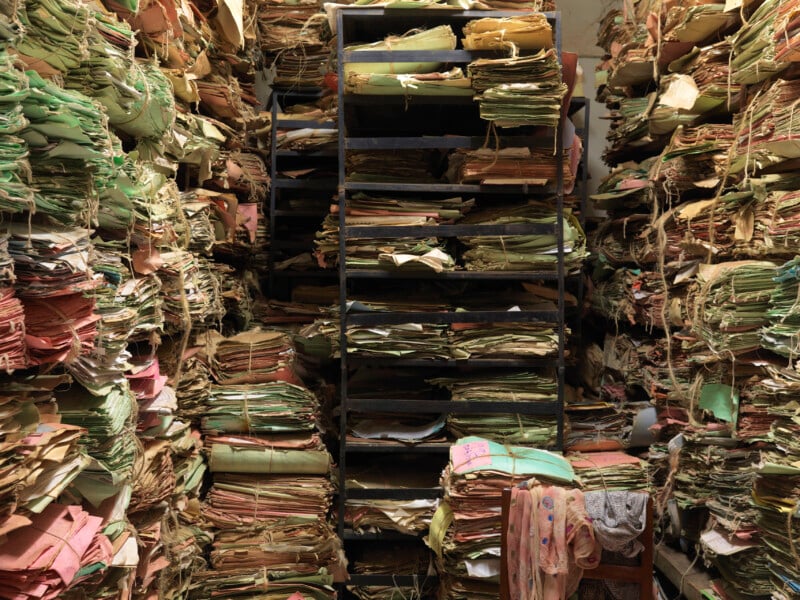
Uganda offers several compelling insights, particularly from 2010 and 2013. PC #11431, Ndalira John (age 54), is seen at Kakira Police Station, Jinja Town, in a sparse office adorned with handwritten signs and election posters, reflecting the immediacy of public communication and political cycles. At Kirinya Main Prison, Uganda’s second maximum-security prison, Ivan Niwamanya (29), Chief Jailor and Principal Officer II, oversees 922 inmates in a facility built for 336. His role also includes arbitrating conflicts among inmates, highlighting the multifaceted responsibilities of prison officials in overburdened systems. The image of the Chief Magistrate’s Court archive in Kampala, crammed with floor-to-ceiling paper files, visually represents the enormous logistical challenge of managing legal records in a high-volume judicial environment.
Finally, in the USA, two distinct bureaucratic roles are portrayed from 2007. Rudy Flores (b. 1963), one of the 118 Texas Rangers, is based in Palestine, Anderson County. His office, decorated with Western memorabilia, framed photos, and a large metal Texas-shaped sign, speaks to the strong regional identity and historical legacy that can infuse state law enforcement. Marty Stein, the council agenda director for the city of Houston (population over 2 million), Texas, is seen at a cluttered desk amidst stacks of papers, office supplies, and a computer. This image captures the relentless pace and information density characteristic of urban administration in a major global city.
In Yemen, Nadja Ali Gayt (b. 1969), an adviser at the Ministry of Agriculture’s education center for rural women in Manakhah, Sana Governorate, was photographed in 2006. Dressed in a black niqab and abaya, she sits at a blue metal desk with an open book, symbolizing the crucial role of education and empowerment, particularly for women, within development initiatives in conservative societies.
The Irony and Humanity of Bureaucracy: A Dialogue of Spaces
Banning’s project masterfully creates a "subtle dialogue" between the official function of the office and the personal space of the individual. The office, in its ideal form, is a formal, performative representation of government authority—a neutral stage for the execution of duties. Yet, each photograph reveals how this official space is inevitably imprinted with the personality, history, and daily realities of the civil servant who inhabits it. From the personalized decor in Roger Vacher’s office to the sheer volume of paperwork surrounding Sushma Prasad, these details humanize the often-abstract concept of bureaucracy.
The project is, at once, an anthropological study and a work of visual poetry. It delves into the diverse organizational cultures and material conditions that shape administrative work across continents. By presenting these individuals and their environments with such clarity, Banning offers an "ironic yet humane exploration" of the administrative machineries that underpin our societies. These systems, while critical for order and progress, often remain "largely invisible" in their day-to-day operation. Banning shines a spotlight on the individuals who sustain these systems, revealing their dedication, the challenges they face, and the quiet dignity they bring to their roles. The work encourages viewers to look beyond stereotypes of inefficiency or impersonality, inviting empathy and a deeper understanding of the individuals behind the seals and stamps.
Critical Acclaim and Enduring Relevance
The original Bureaucratics was met with significant critical acclaim, praised for its unique concept, rigorous execution, and profound insights. Martin Parr, a titan in the world of documentary photography, lauded Banning’s ability to gain access to such sensitive environments and capture such compelling portraits. His foreword to the book highlights the sheer difficulty and triumph involved in the logistical and creative aspects of the project.
The enduring relevance of "Bureaucratics" lies in its timeless subject matter. Bureaucracy, in its various forms, is a fundamental aspect of modern governance, from local municipalities to international organizations. As societies evolve, so do their administrative structures, but the core function of processing information, enforcing rules, and providing services remains. Banning’s work offers a historical snapshot of these processes at a specific juncture, providing invaluable material for sociologists, political scientists, and cultural historians.
"Bureaucratics Revisited": A Renewed Perspective
The recent release of Bureaucratics Revisited underscores the continued significance of Banning’s archive. This updated edition allows for a fresh examination of the original work, potentially including previously unpublished images, new contextual information, or reflections on how the world of bureaucracy has evolved since the initial photographs were taken. It also serves as a testament to the longevity and depth of Banning’s commitment to this subject. In a world increasingly dominated by digital interactions, these portraits, many captured over a decade ago, serve as powerful reminders of the human element that underpins even the most technologically advanced administrative systems. The "revisited" edition invites viewers to re-engage with these stories, drawing new conclusions and appreciating the nuances that may have gained additional resonance over time.
The Enduring Legacy of the Bureaucrat
Jan Banning’s "Bureaucratics" and its revisited edition stand as a pivotal contribution to documentary photography, offering a comprehensive and deeply humanistic portrayal of global bureaucracy. By meticulously documenting the individuals who operate these vast systems and the spaces they inhabit, Banning not only demystifies state power but also celebrates the quiet dedication of those who, day in and day out, ensure the functioning of our societies. The project is a powerful reminder that behind every policy, every regulation, and every official document, there is a human story, a personal space, and a life lived within the grand machinery of the state. It compels us to acknowledge, understand, and perhaps even appreciate, the often-invisible individuals who keep the world turning. Bureaucratics Revisited is available directly via Banning’s website, ensuring continued access to this vital body of work.