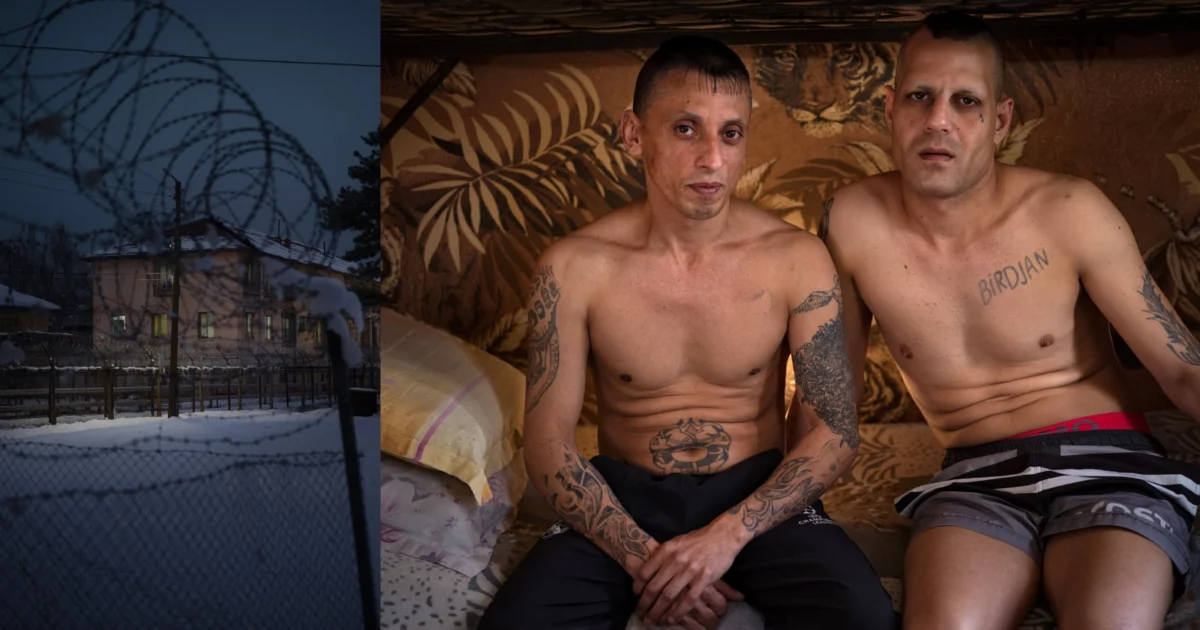
A profound and unprecedented photographic project by Vladimir Karamazov, titled For the Grace of God, offers the public an intimate and unflinching look into the lives of inmates within Bulgaria’s most heavily guarded penal institution, Belene Prison. Karamazov, a distinguished photographer, was granted exclusive and historic access to document the facility and its inhabitants over a full calendar year, culminating in a forthcoming photobook set to be published by GOST Books in August 2026. This endeavor marks the first time a photographer has been allowed such deep and sustained access to Belene, a prison notorious for housing the largest number of individuals serving life sentences for murder in Bulgaria.
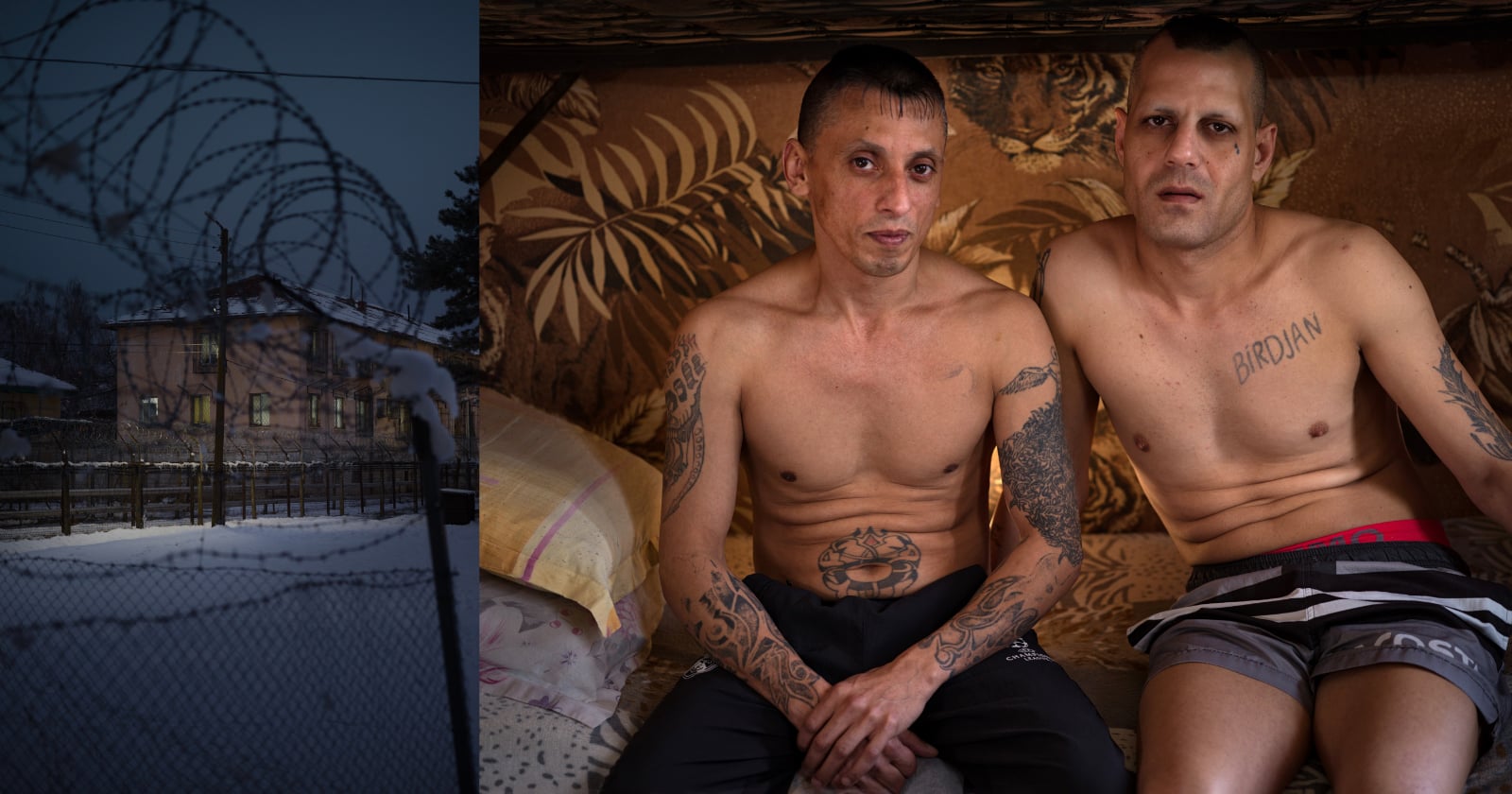
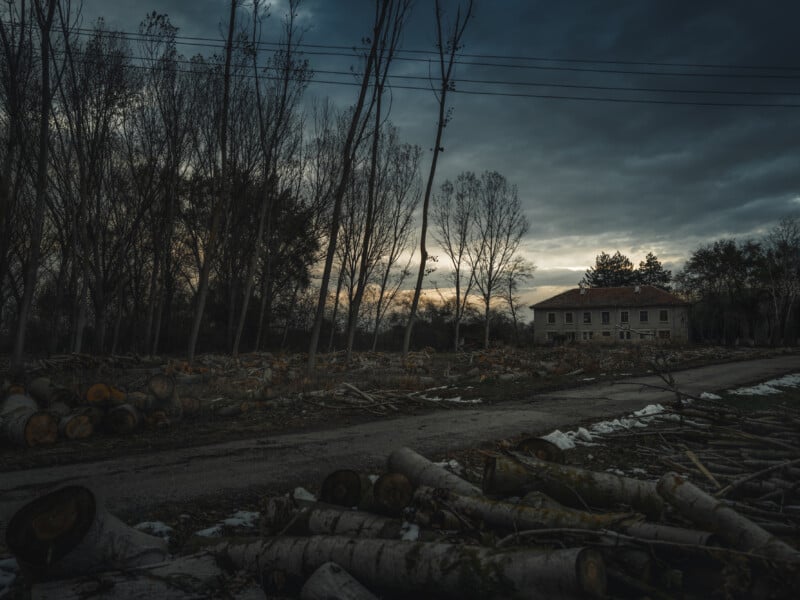
Belene Prison, strategically located on an island in the Danube River near the border with Romania, represents the pinnacle of Bulgaria’s maximum-security penal system. Its isolation, deliberately chosen during its construction, renders escape virtually impossible, solidifying its reputation as an impenetrable fortress for the nation’s most dangerous offenders. The facility’s formidable architecture, characterized by imposing brick walls, extensive barbed-wire fences, and its remote, often snow-covered island setting, forms a stark backdrop to the human narratives Karamazov sought to capture. Beyond its physical constraints, Belene carries a complex historical weight, having served not only as a criminal prison but also, notoriously, as a labor camp for political dissidents during Bulgaria’s communist era, particularly in the 1950s. This darker past adds another layer of grim significance to its present-day function, making Karamazov’s access all the more remarkable.
Karamazov’s year-long immersion, spanning from October 2023 to November 2024, went far beyond mere observation. He committed himself to building relationships and understanding the complex tapestry of lives confined within Belene’s walls. This intensive period allowed him to engage deeply with current inmates, former prisoners who had served time there, and the dedicated staff responsible for the facility’s operation. His objective was not to sensationalize or judge, but to connect with the individuals behind bars, to listen to their stories, and to better comprehend the often-complex circumstances that led to their crimes. This humanistic approach underpins the entire project, aiming to strip away the dehumanizing labels often associated with incarceration and reveal the shared humanity beneath.
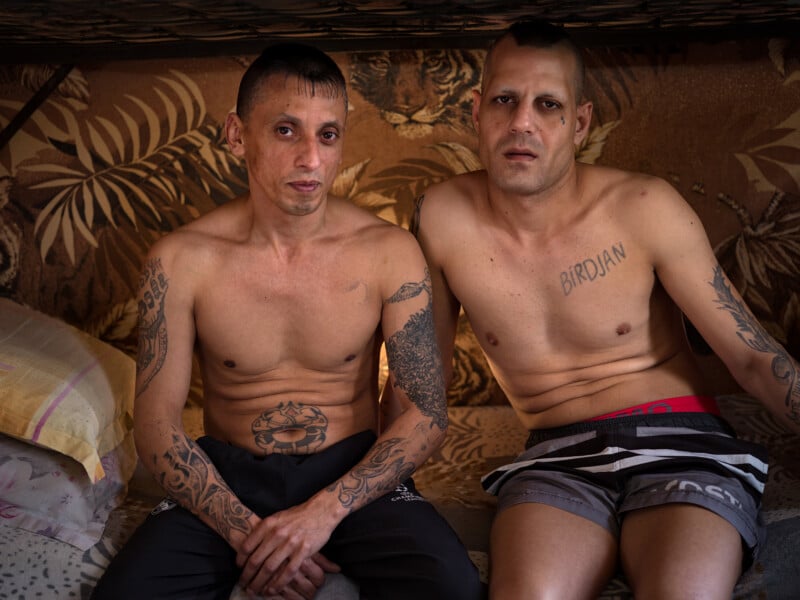
The photographic collection, which forms the core of For the Grace of God, is diverse in its subject matter, yet unified by its empathetic gaze. It includes stark, evocative images of the prison’s forbidding architecture, emphasizing its role as a place of confinement and separation from the outside world. Views of the snow-laden landscape surrounding the island prison, seen through the cold geometry of fences and walls, powerfully convey the isolation experienced by those within. However, the heart of the book lies in its portraits: intimate depictions of prisoners in their cells, often alongside their fellow inmates. These subjects range from individuals serving life sentences for murder to those convicted of lesser crimes such as pickpocketing, gambling, and theft. Each portrait is an attempt to capture a moment of vulnerability, reflection, or resilience, offering a rare window into their daily existence and inner worlds.
Beyond the visual documentation, Karamazov enriched his project by collecting a wealth of personal materials from the inmates. The book integrates drawings, letters, poems, and testimonies gathered during his numerous visits and extensive conversations. These handwritten notes and artistic expressions serve as powerful, unfiltered voices from within, providing direct insights into the prisoners’ thoughts, regrets, hopes, and fears. Such supplementary materials are crucial in amplifying the narratives of those who are often silenced or overlooked by society, adding a profound layer of personal narrative to the photographic record. This multi-modal approach transforms the book into a comprehensive ethnographic study, offering a holistic glimpse into the lived realities of those incarcerated at Belene Prison.
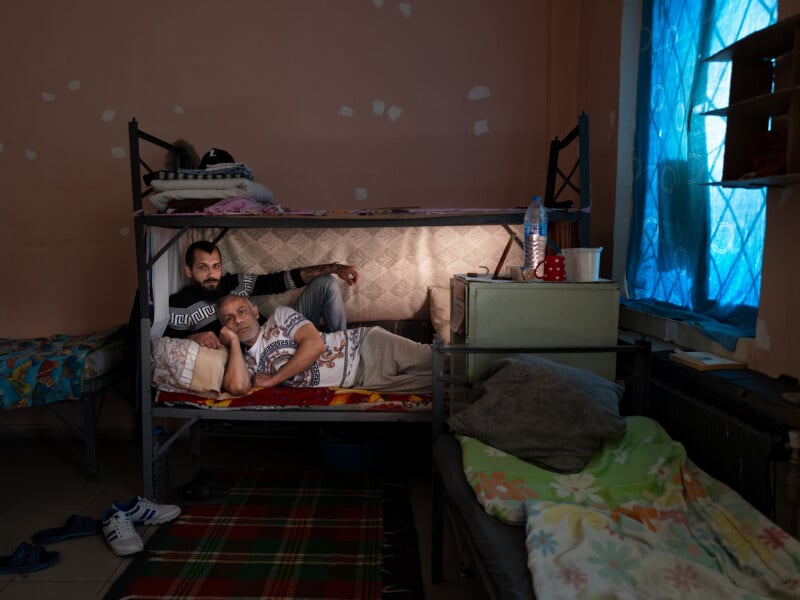
The decision by Bulgarian prison authorities to grant Karamazov unprecedented access to Belene is a significant development in itself. While the exact motivations behind this decision have not been explicitly stated, it can be inferred as a step towards greater transparency within a correctional system that, like many globally, often operates behind a veil of secrecy. Such access suggests a potential shift towards acknowledging the importance of public understanding and external scrutiny, possibly in line with broader European trends towards prison reform and human rights advocacy. For Karamazov, navigating the bureaucratic hurdles and security protocols to gain and maintain this access for an entire year would have been a monumental task, demanding patience, perseverance, and a deep commitment to his artistic and social objectives.
Karamazov’s personal philosophy driving this project is clear and compelling. He articulates a desire to bridge the chasm of ignorance that often separates the general public from the realities of prison life. "Ordinary citizens in my country know nothing about prisons and have no real idea what it means to be confined or to serve a sentence of deprivation of liberty," Karamazov states, highlighting a critical gap in public awareness. His primary aim is "to open this door and reveal the reality, to tell the stories and demonstrate that a crime often has roots in childhood and that, very often, we as a society are also to blame because of our inaction." This statement is a powerful indictment of societal neglect, suggesting that the origins of criminal behavior are frequently found in systemic failures and adverse early life experiences, rather than solely individual malice. It encourages a societal introspection into the collective responsibility for creating conditions that can lead individuals down destructive paths.
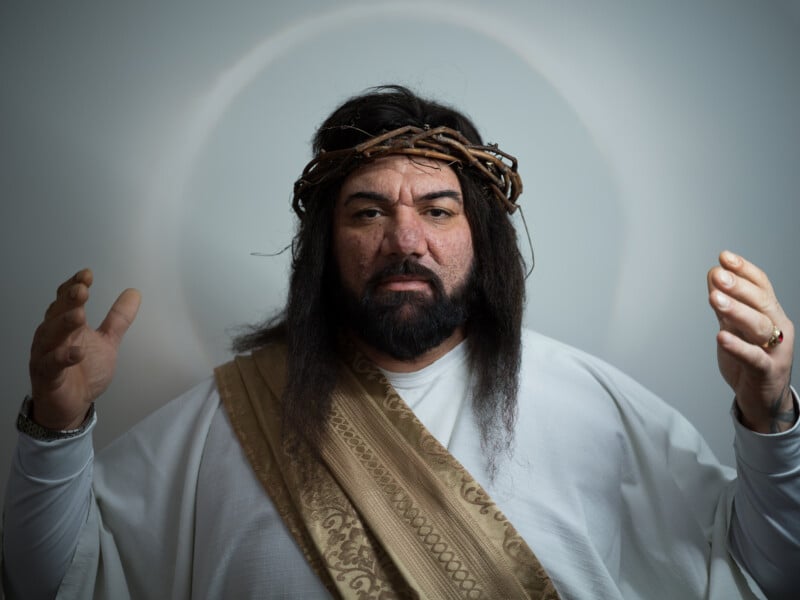
Further elaborating on his motivation, Karamazov uses a compelling metaphor: "The people in the basement are just as real as those in the ‘light’ outside. And one way to bring more light into the basement, to help more people come out into the light, is for someone to dare to open the door." This analogy underscores his belief in the fundamental humanity of incarcerated individuals, irrespective of their crimes. By "opening the door" through his photography and collected narratives, he hopes to illuminate their existence, challenge preconceived notions, and foster a more empathetic understanding. His ultimate aspiration is that "this book offers a different, humane perspective toward the most hated people, to show that they are human beings too." This is a bold and potentially controversial stance, urging society to look beyond the crime and acknowledge the person, fostering a dialogue about redemption, rehabilitation, and the inherent dignity of all individuals.
The publication of For the Grace of God by GOST Books, a highly respected independent photography publisher known for its commitment to challenging and socially relevant documentary work, further solidifies the project’s significance. GOST Books’ involvement signals the international importance and artistic integrity of Karamazov’s work, positioning it within a global discourse on criminal justice, human rights, and the power of photography as a tool for social commentary. The book’s release in August 2026 is highly anticipated within photographic and social justice circles, expected to spark considerable debate and reflection both in Bulgaria and abroad.
The broader implications of Karamazov’s project extend to several critical areas. Firstly, it contributes to the ongoing conversation about prison conditions and human rights within Bulgaria and the wider European context. While Bulgaria’s penal system has undergone reforms since the communist era, challenges related to overcrowding, mental health support, and rehabilitation programs persist. Karamazov’s intimate portrayal, while not an investigative report, can serve as a powerful catalyst for public awareness and potential advocacy for further reforms. Secondly, it challenges the often-simplistic public narrative surrounding crime and punishment. By delving into the personal histories and internal lives of inmates, the project complicates the black-and-white perception of "good" versus "evil," forcing a confrontation with the nuances of human experience and the complex factors that shape individual destinies.
Ultimately, For the Grace of God stands as a testament to the transformative power of documentary photography. Through Karamazov’s unwavering commitment and the unprecedented access he secured, the project offers a rare and invaluable window into a world often deliberately hidden from view. It invites viewers and readers to engage with uncomfortable truths, to question societal assumptions, and to consider the profound meaning of humanity, even in its most challenging and confined manifestations. The work promises to be a vital contribution to the understanding of incarceration, human dignity, and the role of society in shaping individual lives.