Macro wildlife photography stands as one of the most enthralling and scientifically valuable disciplines within the vast realm of photographic pursuits. By meticulously directing focus towards subjects often deemed too small for conventional observation, practitioners are granted an unparalleled opportunity to unearth intricate details and profound complexities that typically elude the naked eye. This specialized approach not only yields stunning, captivating imagery of creatures and flora rarely witnessed in such intimacy but also serves as a critical tool for scientific study and public education. While the allure of larger wildlife photography captures widespread attention, the world magnified by a macro lens reveals an equally, if not more, diverse and visually arresting universe.
Traditionally, macro photographers have gravitated towards readily accessible and visually striking subjects such as insects and flowers. These organisms inherently possess characteristics—vibrant colors, delicate structures, and intriguing behaviors—that make them ideal candidates for close-up examination. From the intricate, jewel-like facets of a jumping spider’s eyes to the breathtaking, symmetrical perfection of a dew-kissed flower petal, the minute details of bugs and botanical specimens have long dominated the spotlight in this photographic genre. However, the true breadth of macro wildlife photography extends far beyond these conventional choices, inviting photographers to explore a richer tapestry of overlooked subjects that are often closer and more abundant than one might initially perceive. This exploration necessitates not only a refined photographic skill set but also a keen understanding of specialized equipment and, crucially, an unwavering commitment to ethical practice.
Expanding the Macro Repertoire: Beyond Conventional Subjects
The intrinsic beauty of macro wildlife photography lies in its omnipresent nature; photo-worthy subjects abound in virtually every environment, provided one possesses the discernment to locate them. While insects and flowers remain invaluable starting points for their rich detail and accessibility, the macro subject library is, in reality, boundless. The world offers a near-infinite array of wildlife opportunities, ranging from the delicate translucence of a glass frog to the intricate barbs of a bird’s feather captured in exquisite close-up. Venturing beyond the well-trodden paths of conventional subjects can unlock new creative avenues and contribute fresh perspectives to the field.
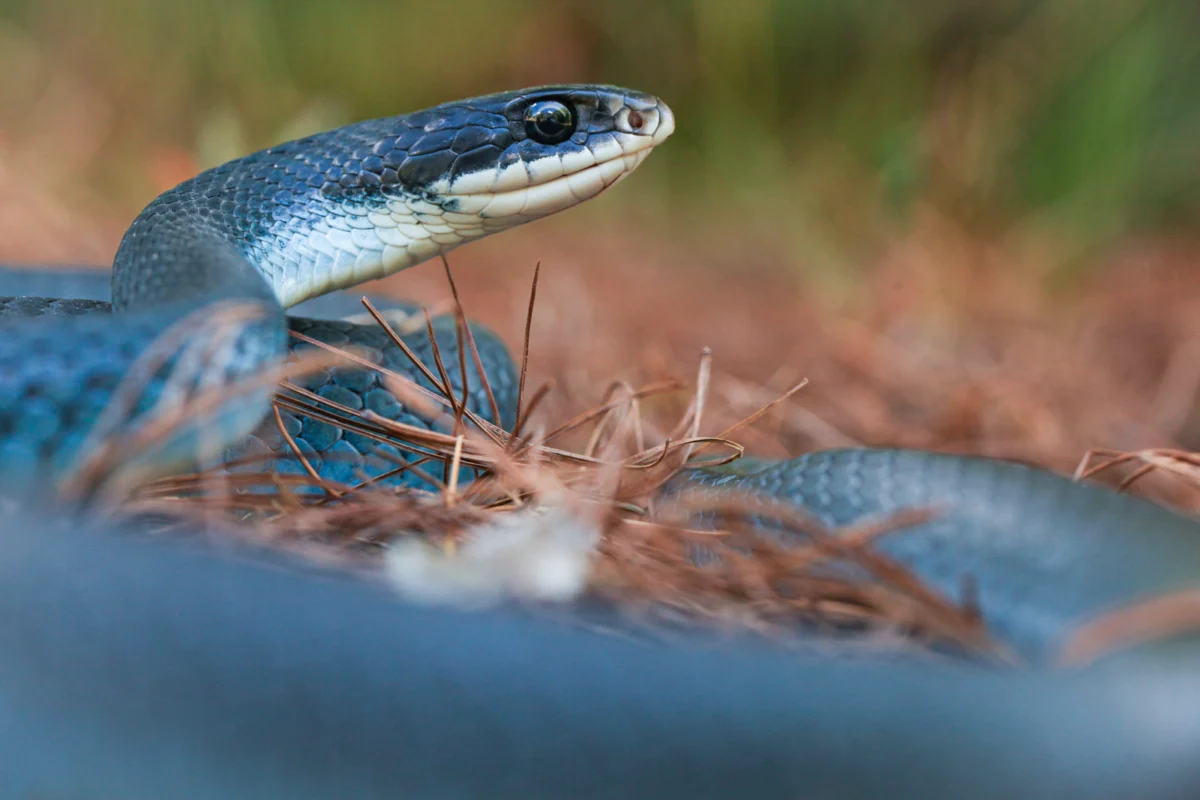
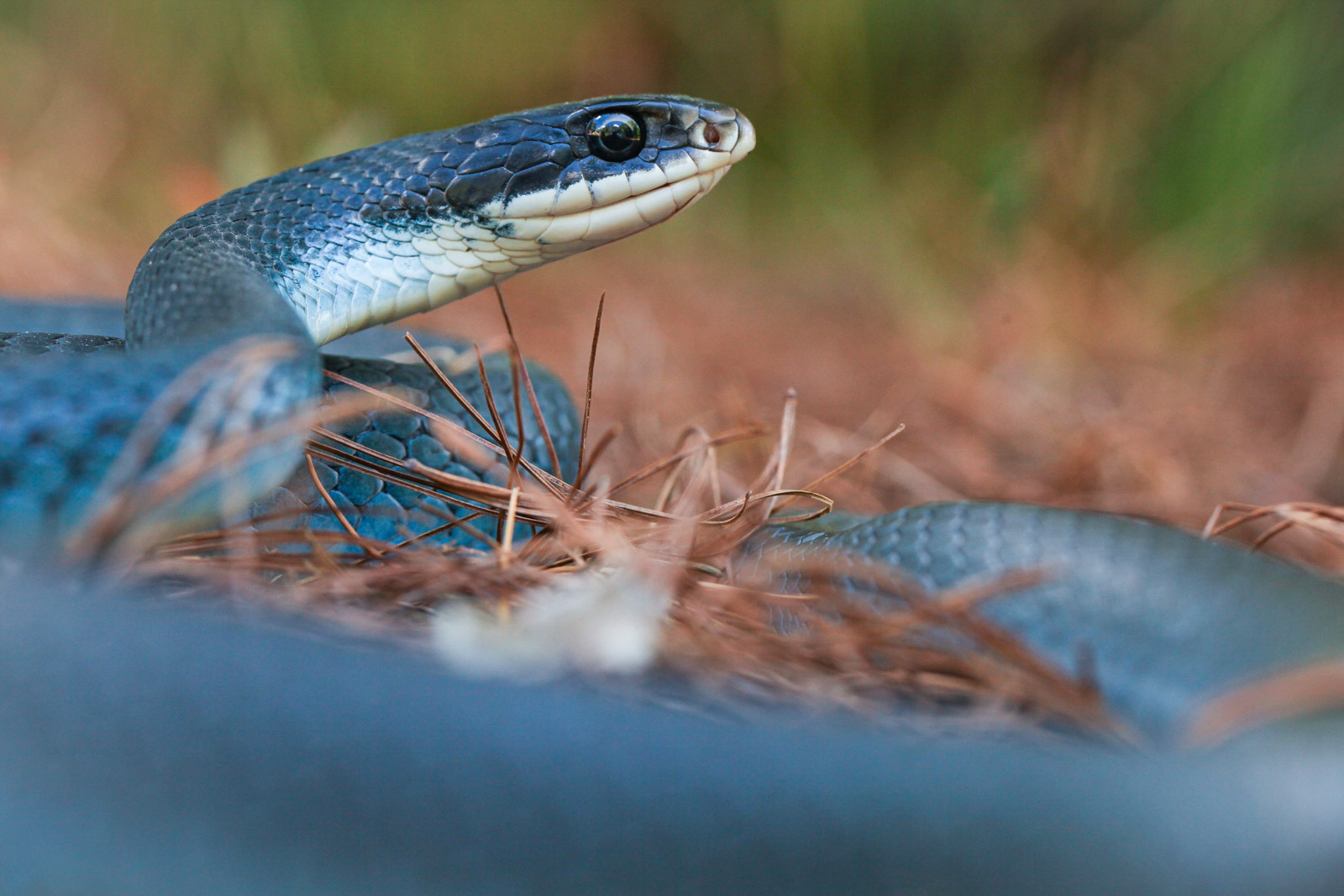
Reptiles and Amphibians: These cold-blooded creatures, with their often-complex skin textures and vibrant patterns, present a fascinating challenge for macro photographers. The scales of a snake, for instance, can reveal a mosaic of iridescent colors and geometric designs, transforming a commonly feared animal into a subject of remarkable beauty. Lizards, with their ancient eyes and finely textured skin, offer similar opportunities for detailed exploration. Amphibians like frogs and newts, often found in damp, shaded environments, exhibit a diverse range of skin types, from smooth and glossy to warty and granular, all of which become strikingly apparent under magnification. Capturing these textures and the reflective qualities of their skin can produce truly unique and visually arresting portraits, highlighting evolutionary adaptations often hidden by distance.
Birds: While most bird photography focuses on capturing flight or full portraits, macro photography can reveal the astonishing micro-details of avian life. Individual feathers, for example, are marvels of engineering, showcasing intricate interlocking structures that provide insulation, waterproofing, and aerodynamic efficiency. A macro lens can expose the minute barbs and barbules that compose a single feather, transforming it into an abstract work of art. Similarly, the textures of talons, the minute ridges on a beak, or even the subtle iridescence around an eye can provide compelling macro subjects, offering a unique perspective on these familiar creatures. These close-ups can also be invaluable for ornithological study, aiding in species identification and understanding feather structure.
Mammals: The fleeting and often shy nature of mammalian subjects can make macro photography challenging, yet the rewards are substantial. A macro lens can capture the delicate fur patterns of a small rodent, the intricate whiskers of a fox, or the surprising detail within the eye of a deer. Even common backyard mammals like squirrels or rabbits can offer macro opportunities, revealing the soft texture of their fur, the sharpness of their claws, or the nuanced expressions in their eyes. Such images can foster a deeper connection with these animals, highlighting their individual characteristics and subtle beauty often lost in broader wildlife shots.

Marine Life: The underwater world is a treasure trove of potential macro subjects, demanding specialized equipment but promising extraordinary visual returns. From the vibrant, almost alien forms of nudibranchs to the delicate tentacles of anemones and the intricate patterns on fish scales, marine invertebrates and smaller fish offer an astonishing spectrum of colors, shapes, and textures. Many of these organisms possess unique features—bioluminescent capabilities, camouflage patterns, or symbiotic relationships—that are rarely captured with clarity due to their size and aquatic environment. Underwater macro photography not only produces stunning artistic images but also plays a crucial role in marine biology, documenting species and behaviors that are vital for understanding ocean ecosystems.
Fungi: Perhaps one of the most accessible yet consistently overlooked macro subjects, fungi offer an endless array of abstract and captivating visuals. Unlike animals, they do not move, allowing photographers ample time for meticulous composition and lighting. Mushrooms, molds, and lichens boast an incredible diversity of shapes, colors, and textures, from the velvety undersides of a bracket fungus to the delicate gills of a toadstool or the fractal patterns of a slime mold. When magnified, these often-humble organisms transform into architectural wonders, revealing complex structures and subtle gradients that make for compelling, artistic imagery. Fungi are found in nearly every terrestrial ecosystem, from rainforests to urban parks, making them a perennially available subject for macro enthusiasts.
Whether exploring the dense foliage of a rainforest, the stark landscapes of a desert, or the familiar confines of one’s own backyard, a worthy macro wildlife photography subject is invariably within reach. The key lies in shifting perception, actively seeking out the miniature marvels that populate our world.
The Technical Craft: Essential Gear for Micro-Exploration

Achieving successful macro wildlife photography requires a deliberate selection of specialized equipment designed to render small subjects with immense detail. Beyond the camera body itself, a dedicated macro lens and effective lighting are paramount.
Macro-Capable Lenses: The cornerstone of macro photography is a lens capable of achieving a high magnification ratio, typically 1:1 (life-size) or greater. These lenses are specifically engineered to focus very closely on subjects while maintaining sharpness across the frame. Focal lengths for macro lenses vary, with longer focal lengths (e.g., 100mm, 150mm, 180mm) often preferred for wildlife as they allow for a greater working distance between the camera and the subject. This increased distance is crucial for minimizing disturbance to live animals and for accommodating shy species. For photographers new to the discipline or operating on a budget, more economical alternatives exist. Extension tubes, which fit between the camera body and a standard lens, increase the lens’s minimum focusing distance and magnification. Close-up filters, which screw onto the front of a lens, act like magnifying glasses. While these options are cost-effective, they may introduce some optical compromises compared to a dedicated macro lens.
Lighting Solutions: Effective lighting is arguably as critical as the lens itself in macro photography. Due to the extremely close focusing distances and often small apertures used (to maximize depth of field), natural light can frequently be insufficient, leading to dark images or requiring excessively high ISO settings. Therefore, supplementary artificial light is almost always necessary to illuminate the subject and create dramatic visual effects.
- Flash Units: A dedicated external flash unit is often the preferred lighting solution. Unlike built-in camera flashes, external flashes offer greater power, faster recycle times, and, most importantly, the flexibility to be positioned off-camera. This allows photographers to control the direction and quality of light, creating dynamic shadows and highlights. Ring flashes, which attach to the front of the lens, provide even, shadowless illumination, ideal for revealing fine details, though they can sometimes produce a flatter look. Twin flashes, mounted on either side of the lens, offer more directional control and can create more sculptural lighting.
- Diffusers: A flash, by itself, can produce harsh, specular highlights and deep shadows, especially on reflective surfaces or small subjects. To soften and spread the light, a diffuser is indispensable. Diffusers come in various forms, from small, collapsible softboxes that attach to the flash head to larger custom-built diffusers that encircle the lens and flash setup. The choice of diffuser is often a matter of personal preference and the specific effect desired, but a good diffuser transforms harsh light into a soft, even glow, enhancing textures and reducing distracting reflections.
- LED Lights: Continuous LED lights are also gaining popularity, particularly for video or for subjects that are less sensitive to continuous illumination. They offer a constant visual of the lighting effect, which can be advantageous for composition. However, they typically lack the power and speed of a flash for freezing fast-moving subjects.
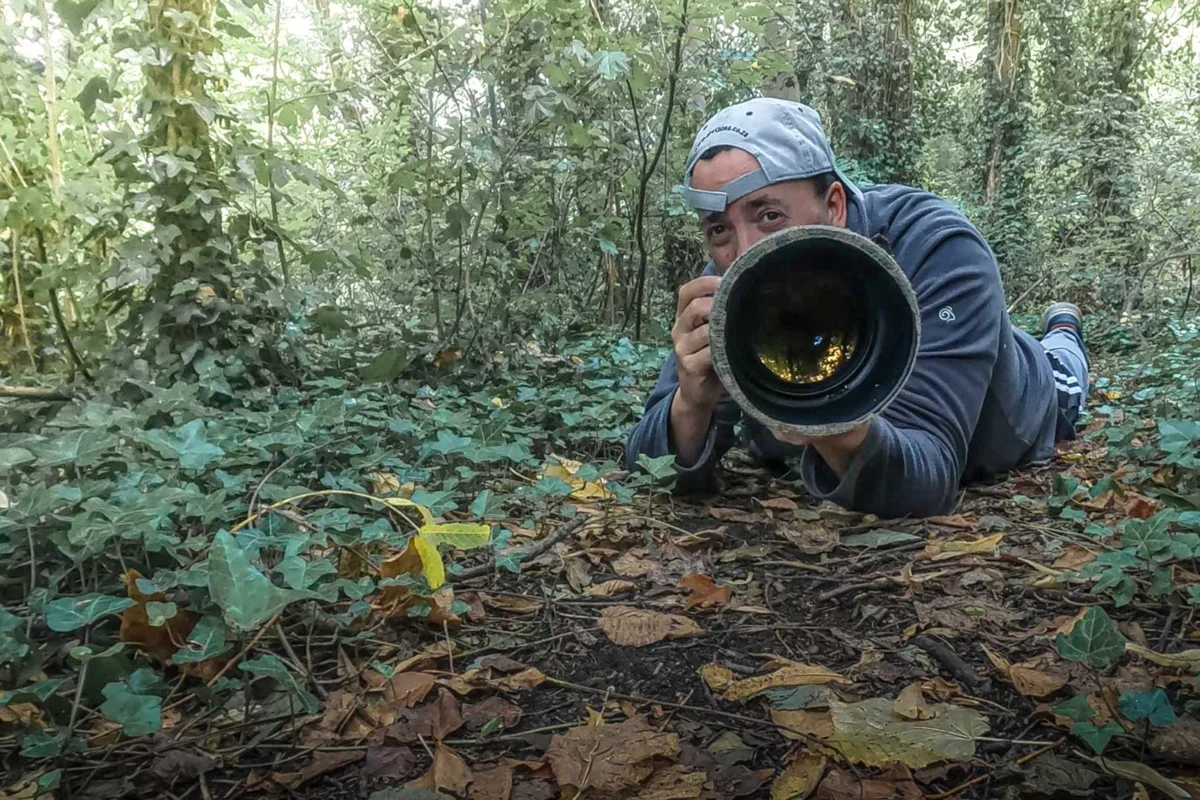
Camera Stabilization: While tripods are invaluable for static subjects like flowers or fungi, small-subject macro wildlife photography often demands greater mobility. Handholding the camera is frequently necessary to track moving insects or capture fleeting moments. To enhance stability, photographers often brace themselves, use a beanbag, or employ a small monopod or tabletop tripod for low-angle shots. For ground-dwelling creatures, lying prone and using a beanbag under the lens can provide crucial stability, minimizing camera shake and allowing for precise framing.

Mastering the Macro Lens: Key Photographic Techniques
Beyond the gear, successful macro wildlife photography hinges on a mastery of specific techniques that address the unique challenges of working at high magnifications.
Focusing Strategies: Achieving critical focus is paramount in macro photography, where depth of field is exceptionally shallow.
- Autofocus (AF): Modern cameras offer sophisticated autofocus systems. AI-based tracking modes can be surprisingly effective for moving subjects, predicting their path. "One-shot" or single-point AF allows for precise targeting, which can be useful for static or slow-moving subjects, especially when aiming for a specific detail like an eye.
- Manual Focus (MF): For ultimate control and precision, many macro photographers prefer manual focus. This allows for minute adjustments, particularly when subjects are very close or have complex structures. Focus peaking and magnification aids in mirrorless cameras are invaluable tools for manual focusing.
- Focus Stacking: This advanced technique involves taking multiple images at slightly different focus points and then merging them in post-processing to create a single image with a vastly extended depth of field. This is particularly useful for subjects with significant front-to-back depth, like a long-bodied insect or a detailed mushroom, where a single shot at a narrow aperture might still leave parts out of focus.
Aperture Choice: The extremely shallow depth of field inherent in macro photography means aperture selection is critical. While wider apertures (e.g., f/2.8, f/4) are common in other genres for background blur, macro often requires narrower apertures (e.g., f/8 to f/16, or even smaller) to achieve sufficient sharpness across the subject. A good starting point for small-subject macro shots is often around f/11, offering a balance between depth of field and avoiding excessive diffraction (a loss of sharpness at very small apertures). Experimentation is key to finding the ideal aperture for each subject and desired aesthetic.

Shutter Speed and ISO: For moving subjects, a fast shutter speed (e.g., 1/250s or faster) is essential to freeze motion. When using flash, the flash duration often becomes the primary factor in freezing motion, allowing for lower ambient light shutter speeds. Keeping ISO as low as possible (e.g., ISO 100-400) is crucial to minimize digital noise, which can degrade image quality, especially when capturing fine details.
Composition and Perspective: Composition remains vital. Employing leading lines, the rule of thirds, and negative space can enhance the artistic impact. Experimenting with different angles—shooting from eye-level with the subject, from above, or from below—can dramatically alter the narrative and emotional resonance of an image. Capturing the subject within its environment, even if blurred, can add context.
Shooting in RAW: This is a fundamental practice for serious photographers, especially in macro wildlife photography. RAW files contain significantly more image data than compressed JPEG files, offering far greater flexibility and latitude for adjustments during post-processing. In dynamic field conditions where lighting or subject behavior can be unpredictable, shooting RAW provides the ability to comprehensively correct exposure, white balance, color, and sharpness, salvaging images that might otherwise be unusable. This is particularly valuable when encountering fleeting wildlife moments.
Patience and Persistence: Beyond technical prowess, macro wildlife photography demands immense patience. Subjects may be elusive, lighting conditions challenging, or the desired pose fleeting. Mistakes are inevitable, and the ability to calmly reset, learn from setbacks, and persist in the face of frustration is paramount to achieving consistently rewarding results. Cultivating a calm, observant demeanor allows photographers to anticipate animal behavior and capture decisive moments. Practicing techniques at home with static models can help refine skills before heading into the unpredictable field.

The Ethical Imperative: Responsible Macro Wildlife Photography
In all forms of wildlife photography, but particularly when operating in close proximity to subjects as required by macro work, ethical considerations must take absolute precedence. The welfare of the animal or plant should always be the paramount concern; no photograph, however spectacular, is worth causing harm or undue stress to a living organism. Leading conservation organizations and professional wildlife photographers universally advocate for strict adherence to ethical guidelines.
Minimize Disturbance: The core principle is to observe and photograph without altering natural behavior. This means maintaining a respectful distance whenever possible, moving slowly and quietly, and avoiding sudden movements or loud noises. For macro subjects, this often translates to finding the animal already in a suitable position rather than attempting to move it or its environment. Hone skills in a controlled environment (e.g., a home studio with artificial setups or static subjects) to ensure efficiency and minimize time spent disturbing wild subjects in the field. As renowned wildlife photographer Art Wolfe often states, "A good photograph is never worth harassing an animal."
Know Your Subject and Environment: Before venturing into the field, it is crucial to research the local wildlife. Understanding the behavior, habitat, and conservation status of potential subjects is vital. Is the species protected, venomous, or particularly sensitive to human presence? Are there local regulations or guidelines concerning wildlife interaction? Consulting local field guides, conservation websites, and reputable wildlife blogs can provide invaluable knowledge. For example, knowing that certain insects are nocturnal might inform your timing, or understanding a frog’s breeding habits might dictate areas to avoid during sensitive periods.

Respect the Habitat: Avoid trampling vegetation, disturbing nests, or altering the environment to get a shot. Leave no trace of your presence. This includes not introducing foreign objects or bait unless absolutely necessary for scientific purposes and with appropriate permits. The integrity of the ecosystem must be preserved.
Do Not Handle or Feed: Directly handling wildlife, especially small and delicate macro subjects, can cause injury, stress, or transfer pathogens. Feeding wild animals can alter their natural foraging behaviors and create dependency. Unless you are a trained wildlife rehabilitator or researcher, avoid physical interaction.
Transparency and Representation: Ensure your photographs accurately represent the natural world. Avoid misleading portrayals or staging scenes that misrepresent natural behavior. Authenticity builds trust and enhances the educational value of your work.
By prioritizing animal welfare and adhering to these ethical guidelines, photographers not only uphold professional standards but also serve as ambassadors for conservation. Their actions set a positive example for others and contribute to the long-term health and survival of the diverse species they aim to capture.

Broader Implications and Impact
The practice of macro wildlife photography extends far beyond the individual artistic pursuit, yielding significant contributions across several domains.
Scientific Contribution: Macro photography is an invaluable tool for scientific research. Entomologists use highly magnified images to identify species, document morphological features, and study insect behavior in intricate detail. Botanists rely on close-ups to examine plant structures, reproductive organs, and adaptations. Marine biologists utilize underwater macro photography to document new species, monitor coral health, and observe the nuanced interactions within marine micro-ecosystems. The visual data collected can provide critical evidence for scientific papers, educational materials, and conservation assessments.
Conservation Awareness and Education: By revealing the hidden beauty and complexity of the miniature world, macro photography fosters a deeper appreciation for biodiversity. Images of endangered insects, rare fungi, or delicate marine invertebrates can highlight the fragility of these ecosystems and the urgent need for their protection. When people witness the intricate details of a spider’s web or the vibrant colors of a microscopic organism, it can spark a sense of wonder and empathy, translating into greater support for conservation efforts. Educational institutions frequently use macro photographs to teach biology, ecology, and environmental science, making abstract concepts tangible and engaging.

Artistic Expression and Public Engagement: The unique aesthetic possibilities of macro photography allow artists to create stunning, abstract compositions that transcend mere documentation. The interplay of light, shadow, texture, and color at this scale can transform common subjects into extraordinary works of art. These images frequently go viral on social media, captivating millions and introducing them to a world they never knew existed. This widespread public engagement is crucial for raising awareness and inspiring new generations of nature enthusiasts and photographers.
Economic Impact: The growing popularity of macro photography has also spurred a significant market for specialized photographic equipment, accessories, workshops, and educational resources. This creates economic opportunities for manufacturers, retailers, professional photographers, and educators, further solidifying its place as a vibrant and dynamic segment of the photography industry.
In conclusion, macro wildlife photography is far more than a mere hobby; it is an exciting, rewarding, and critically important discipline that bridges art and science. The ability to capture often-overlooked subjects at a level that reveals their hidden qualities and profound intricacies offers a unique window into the natural world. Not only do viewers of these photographs begin to interpret their environment with renewed curiosity, but the photographers themselves develop a heightened awareness and appreciation for the smaller side of wildlife. Whether it is the iridescent sheen on a butterfly’s wing, the ancient patterns on a snake’s scales, or the surprisingly human-like features of a primate’s hand, macro investigation is rarely a dull experience. For those ready to embark on this journey, the macro lens promises a world of discovery, transforming the mundane into the magnificent and inspiring a deeper connection with the planet’s diverse and often unseen inhabitants. The invitation is clear: get out there and discover the macro world for yourself.