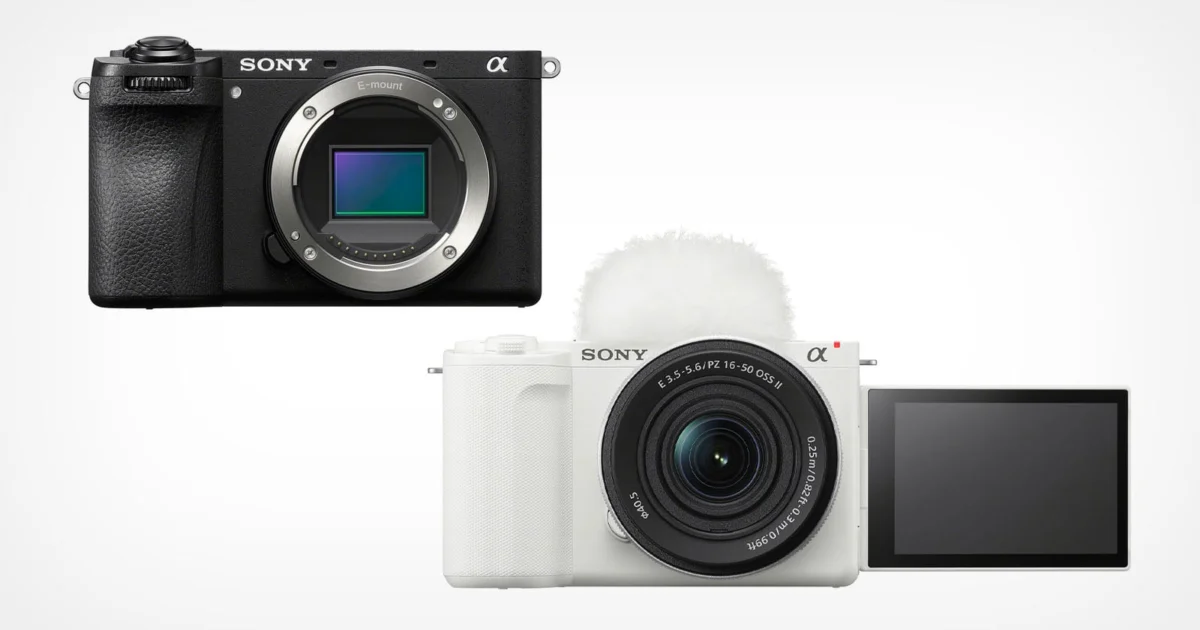
Despite the considerable attention and marketing resources Sony’s full-frame Alpha cameras command, particularly among high-end enthusiasts, professional photographers, and hybrid content creators, the company has explicitly stated its unwavering commitment to the APS-C sensor format. In an exclusive interview with PetaPixel at CP+ 2026, Sony executives underscored a significant and steady increase in demand for APS-C products over recent years, signaling a strategic focus on this accessible yet powerful segment of the imaging market. This commitment highlights Sony’s intention to cater to a broad spectrum of users, from aspiring beginners to seasoned professionals seeking compact and cost-effective solutions.
Sony’s Strategic Stance Amidst a Full-Frame Narrative
The perception that Sony primarily prioritizes its full-frame lineup is understandable, given the frequent launches and extensive promotion surrounding models like the Alpha 7 and Alpha 9 series. These cameras often showcase Sony’s cutting-edge imaging technology, pushing boundaries in resolution, autofocus performance, and video capabilities. However, a closer examination of Sony’s current product portfolio reveals a relatively robust and competitive APS-C offering, especially when compared to other full-frame mirrorless camera manufacturers.
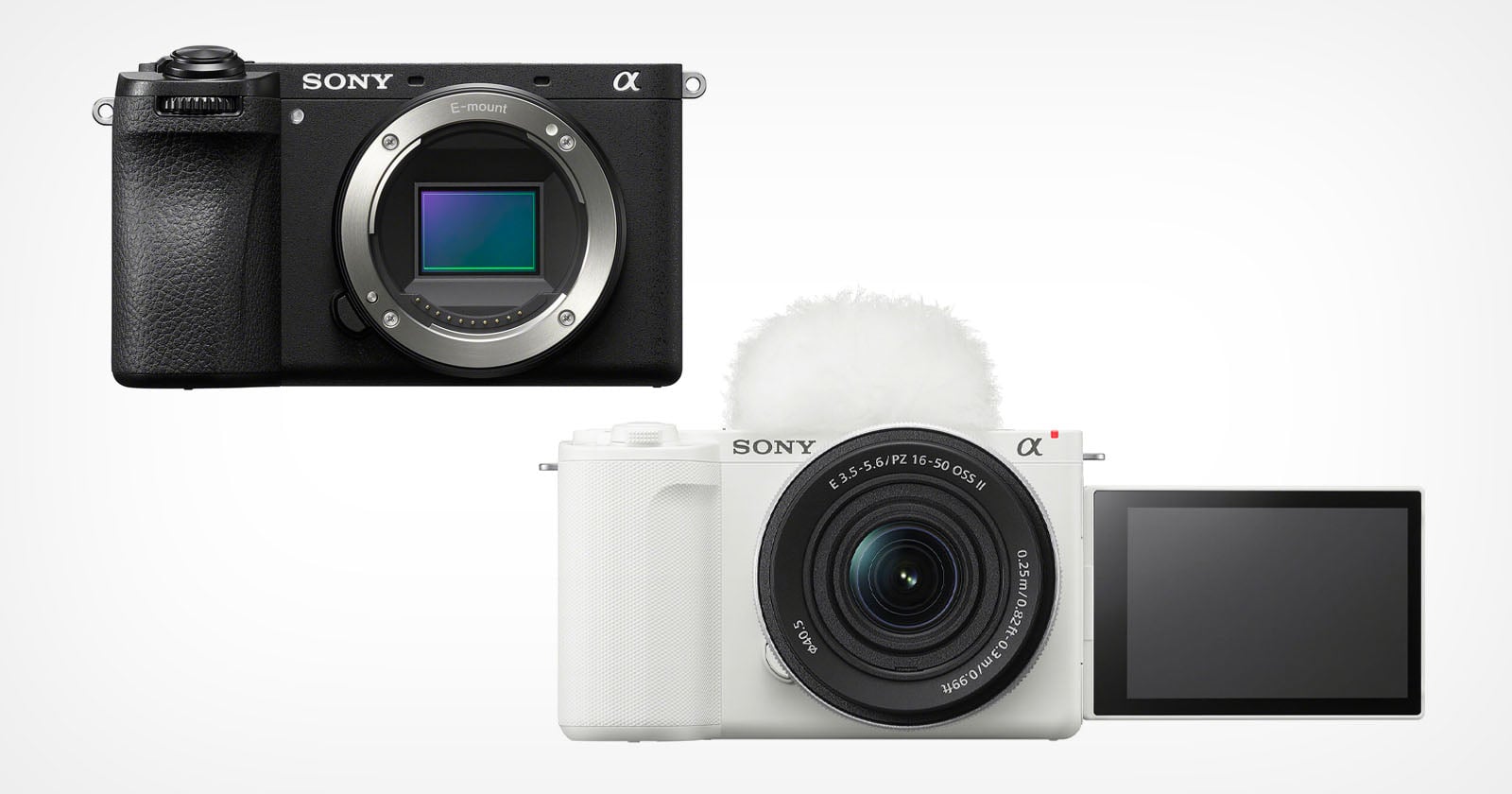
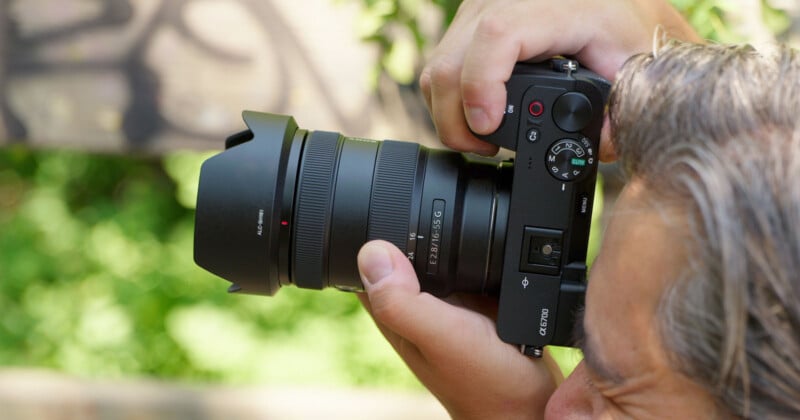
Sony’s current interchangeable-lens Alpha camera lineup features five distinct APS-C models: the ZV-E10 II and ZV-E10, both tailored for the burgeoning vlogging and content creation market, alongside the more traditional, photo-centric Alpha 6100 (a6100), a6400, and a6700. This diverse range allows Sony to address different user needs and price points within the APS-C ecosystem. Complementing these bodies, Sony offers a respectable selection of 15 APS-C E-mount lenses, including specialized converters, providing a comprehensive system for various photographic and videographic pursuits. While competitors such as Canon and Nikon also offer APS-C mirrorless cameras and lenses, many industry observers and consumers note that neither matches Sony’s quantity or, arguably, the overall quality and breadth of its APS-C lens and body ecosystem.
The Chronology of Releases: A Perceived Imbalance
A chronological review of Sony’s recent product launches does, however, lend credence to the perception of a full-frame bias. Since the release of the ZV-E10 II in July 2024, Sony has introduced four new full-frame Alpha cameras, demonstrating a vigorous development cycle for its flagship segment. The lens market exhibits an even more pronounced lean towards full-frame FE models. Seven new FE lenses have been launched since the E-mount 16-50mm f/3.5-5.6 PZ OSS II, an APS-C lens, arrived in 2024. Notably, the 16-50mm Mark II was merely a refresh of an existing model, and it stands as the sole APS-C lens among Sony’s latest 15 lens introductions. This pattern contrasts with a notable "APS-C blowout" in June 2022, when Sony simultaneously unveiled three significant new APS-C lenses: the 10-20mm f/4 PZ G, 15mm f/1.4 G, and 11mm f/1.8. While these additions were well-received, the subsequent period has seen a comparatively slower pace of dedicated APS-C development, particularly for new camera bodies.
Despite this evident focus on full-frame innovation, Sony’s leadership maintains that the APS-C segment remains a vital strategic pillar. Yasufumi Machitani, General Manager of the Camera Business Department within Sony’s Imaging Entertainment Business Unit, articulated this commitment at CP+ 2026, stating, "APS-C is important. Looking at the market, we believe it’s growing." He further elaborated, "APS-C demand has been steadily growing, so we see it as important as well. We want to see the market trend and discuss future development." This statement underscores a responsive approach to market dynamics rather than a diminishing interest in the format.
Empirical Evidence: APS-C’s Undeniable Market Appeal
The robust demand for APS-C cameras is not merely an internal projection for Sony; it is substantiated by independent market data. Japanese retailer Map Camera’s list of the 10 best-selling digital cameras of 2025 featured only one Sony camera, the full-frame a7C II. However, a striking five out of the ten cameras on that prestigious list were APS-C models, compared to just three full-frame image sensor cameras. This data indicates a significant consumer preference for the APS-C format among a broad purchasing demographic.
Further reinforcing this trend, Japanese retail analyst BCN+R, which captures approximately 40 percent of Japan’s retail market including major electronics stores, published its own list of the 10 most popular cameras in Japan for 2025. Sony’s ZV-E10 II secured the second position, with its predecessor, the ZV-E10, and the a6400 ranking fourth and fifth, respectively. In contrast, the full-frame a7C II placed eighth. This consistent performance across different retail analyses highlights the strong, sustained appeal of APS-C cameras, particularly in key consumer markets.
The enduring popularity of APS-C cameras among a wide range of photographers can be attributed to several compelling factors. These cameras typically offer a more compact and lightweight design than their full-frame counterparts, making them ideal for travel, street photography, and everyday use. Critically, they are also generally more affordable, providing an excellent entry point for beginners and a cost-effective upgrade path for those transitioning from smartphones or older camera systems. Furthermore, modern APS-C sensors, particularly Sony’s, deliver strong photo and video features, often incorporating advanced autofocus, high-resolution video recording, and robust image stabilization, blurring the lines between enthusiast and professional-grade performance. As demonstrated by the widespread success of Fujifilm’s X System, which is built entirely around the APS-C format, these cameras appeal to a broad spectrum of users, from casual photographers to seasoned professionals seeking a secondary, more portable system.
Strategic Positioning: APS-C as a Gateway to the Alpha Ecosystem
Sony executives express no difficulty in marketing their APS-C products concurrently with their full-frame offerings, despite the latter often boasting superior image quality and performance advantages. The company views APS-C as a crucial entry point into its extensive Alpha ecosystem. "Even if customers start with APS-C, some will upgrade to full-frame once they enjoy our products," Machitani explained. "We don’t limit the APS-C business." This strategy positions APS-C cameras not just as standalone products but as foundational elements that introduce users to Sony’s innovative technology, user experience, and expansive E-mount lens system, fostering brand loyalty and facilitating future upgrades to full-frame. This approach allows Sony to capture a wider market share, nurturing customers through different stages of their photographic journey.
The vlogging-focused models, specifically the ZV-E10 series, have proven to be a particularly successful segment for Sony’s APS-C system. Their emphasis on hybrid performance, user-friendly video features, and dedicated vlogging functionalities—such as flip-out screens, product showcase settings, and clear audio interfaces—has resonated deeply with content creators. Sony was among the first major manufacturers to seriously commit to this specialized niche, and this foresight has paid significant dividends, establishing a strong foothold in a rapidly expanding market. While competitors like Canon have attempted to capture a share of this market with cameras such as the PowerShot V1 and the EOS R50 V, Sony’s early and sustained commitment has given it a distinct advantage.
Future Trajectories and Unmet Demands
Looking ahead, the direction of Sony’s APS-C product lineup remains a key point of discussion among industry analysts and consumers. While the entry-level and mid-range markets, where APS-C cameras typically reside, do not necessarily demand constant, rapid upgrades, there is a clear appetite for further innovation. Many photographers express a desire to see Sony integrate higher-end photographic features into its APS-C cameras, bridging the gap between its current offerings and its more advanced full-frame models.
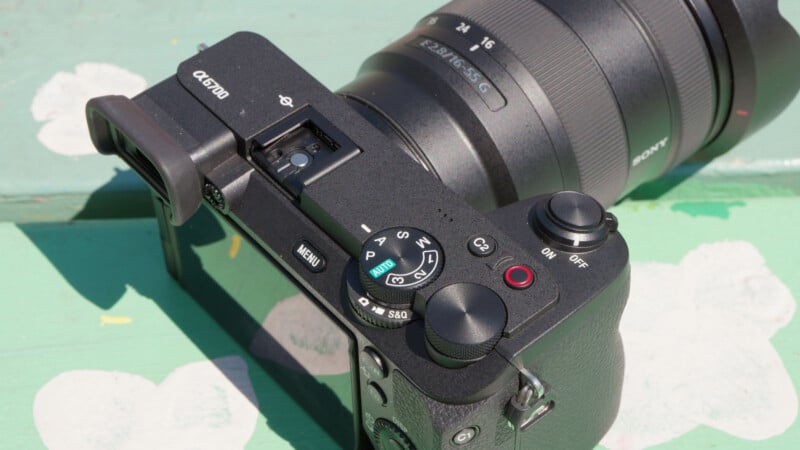
Sony, in line with industry practice, refrains from discussing future products. However, the market signals suggest an opportunity for an enthusiast-level APS-C camera. Such a camera could potentially feature a compact yet rugged body design reminiscent of the a7-series, integrating Sony’s latest processor for enhanced performance, advanced autofocus capabilities, and improved dynamic range and low-light performance. The current a6700, priced at $1,599, offers a compelling blend of features, but there might be room for a model positioned slightly above it, catering to users who demand more professional-grade photographic tools without the full-frame premium.
The development of APS-C cameras and lenses always involves a delicate balance. To maintain their core appeal of being smaller, lighter, and more affordable than their full-frame counterparts, there are inherent limits to how rugged cameras can be built and how fast lenses can be made without compromising these attributes or escalating costs. Integrating all of Sony’s latest and greatest technology into an APS-C camera while targeting an aggressive price point presents a significant engineering and marketing challenge.
However, a strategic gap exists in Sony’s current lineup, particularly below the full-frame a7 V. An "APS-C a7 lite," for instance, could offer a more compelling blend of features and value than an older full-frame model, such as the 2018 a7 III, which still carries an MSRP of $1,998. An APS-C camera with a sophisticated a7-series design, perhaps priced around $2,000, could provide an excellent option for photographers seeking a robust, high-performance camera that is still more portable and potentially more specialized (e.g., for wildlife photography due to the 1.5x crop factor) than an entry-level full-frame.
Competitor Benchmarking and Sony’s Potential
Observing the competitive landscape, the Canon EOS R7 serves as a compelling benchmark for what an advanced enthusiast-level APS-C camera can achieve. Upon its launch, the R7 successfully integrated many of Canon’s highest-end features—such as sophisticated autofocus, rapid burst shooting, and robust video capabilities—into a slightly smaller, reasonably affordable body design. This model resonated with photographers who appreciated its performance without the bulk and cost of a full-frame system.
Sony possesses nearly all the necessary components to create a camera with a similar spirit, infused with its proprietary Alpha technology and soul. The company boasts an impressive array of lenses suitable for wildlife and sports photography, genres that significantly benefit from the 1.5x crop factor of APS-C image sensors, effectively extending the reach of telephoto lenses. Developing an enthusiast-focused APS-C body that leverages Sony’s leading autofocus, sensor technology, and image processing capabilities within a robust, ergonomic design could be a highly strategic move. Such an addition would not only bolster Sony’s APS-C family but also cater to a segment of photographers eager for a powerful yet compact system that can tackle demanding photographic tasks.
In conclusion, Sony’s commitment to the APS-C market is not merely a verbal assurance but a reflection of sustained market demand and a strategic vision to cultivate a broad user base within its Alpha ecosystem. While the spotlight often shines on its full-frame innovations, the consistent performance of its APS-C lineup in sales charts and the expressed interest from both consumers and industry analysts for more advanced APS-C offerings underscore the format’s enduring relevance. The future development of Sony’s APS-C cameras, particularly in addressing the enthusiast segment with higher-end features and refined designs, will be crucial in solidifying its leadership across the entire spectrum of the mirrorless camera market.