The transition to this realism-centric era follows a decade of rapid iteration in LinkedIn’s interface and algorithmic priorities. In the early 2010s, the platform was characterized by a static, "LinkedIn Blue" aesthetic, where professional imagery was synonymous with stiff, studio-lit headshots and generic office environments. By the early 2020s, the introduction of native video and carousels began to disrupt this monotony. However, the true paradigm shift occurred between 2024 and 2026, as the proliferation of generic AI-generated content led to a "digital fatigue" among users. Consequently, the 2026 algorithm now heavily favors content that demonstrates "human-first" attributes—visuals that possess physical depth, organic imperfections, and genuine emotional resonance.

To maintain visibility in an increasingly crowded feed, brands must adhere to three core visual pillars: Tactile Realism, Radical Authenticity, and Optimized Data Visualization. Tactile Realism involves the use of high-resolution imagery that emphasizes sensory details, such as the grain of a wooden desk, the weave of linen fabric, or the soft shadows of natural morning light. These elements ground a brand in reality, providing a necessary counterpoint to the sterile, digital aesthetics of the past. Radical Authenticity, often referred to as the "anti-stock" movement, focuses on capturing professionals in mid-motion or candid scenarios. Whether it is a creative team collaborating in a sun-drenched, slightly cluttered studio or a remote worker in a casual hybrid-office setting, these visuals tell a story of real work being performed by real people.
The third pillar, Data Visualization, addresses the continued dominance of the carousel format. As carousels remain a primary driver of engagement, the demand for sophisticated backgrounds has surged. In 2026, high-performing carousels utilize minimalist, earthy-toned backgrounds that provide high contrast for text overlays without distracting from the data being presented. Marketing data indicates that carousels utilizing textured, organic backgrounds see a 22% higher completion rate than those using flat, solid colors. This trend underscores the importance of aesthetic consistency; a brand’s visual identity must feel cohesive across static posts, multi-slide decks, and video content.

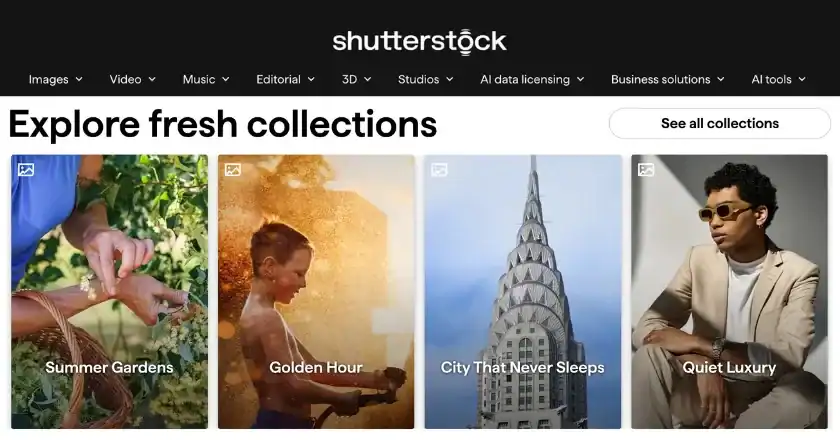
The rise of video content represents perhaps the most significant statistical shift on the platform. Current industry data reveals that video consumption on LinkedIn has spiked by 36% year-over-year in 2026. While LinkedIn experimented with various dedicated video tabs, the current strategy focuses on high-quality clips integrated directly into the native feed. This has elevated video from a supplementary asset to a primary driver of authority and thought leadership. For B2B marketers, the challenge lies in producing high-volume video content without depleting annual budgets. The solution has been the strategic integration of premium stock footage. Modern stock libraries, such as Shutterstock, have responded to this need by offering over 40 million clips that can be filtered by orientation—specifically targeting the vertical format that dominates mobile consumption.
Effective video strategy in 2026 requires a tiered approach to production. For short-form educational content, "Human-First B-Roll" is essential. These clips provide the visual foundation for vertical shorts, featuring diverse professionals engaged in collaboration or deep-work moments. Conversely, long-form thought leadership videos now demand "Cinematic Gravitas." To maintain viewer retention during a three-to-five-minute industry analysis, experts are interspersing their "talking head" footage with 4K drone shots of sustainable urban architecture or extreme close-ups of emerging technologies. This visual variety prevents viewer fatigue and signals a level of production quality that command respect in a professional context.

Accessibility has also moved to the forefront of visual design. A majority of LinkedIn users in 2026 continue to scroll through their feeds with the sound muted, often while in professional environments or during commutes. Consequently, burned-in captions and "sound-off" design are no longer optional. Visual assets must be selected with "negative space" in mind—areas of plain walls or blurred backgrounds that serve as a clean canvas for high-contrast text. This ensures that the core message of a video is communicated effectively even in total silence. Designers are now trained to view every video clip through the lens of legibility, ensuring that captions do not obscure vital visual information.
The logistics of sourcing these visuals have been streamlined by the evolution of stock media agencies. Shutterstock has emerged as a gold standard for 2026 marketers by offering more than just a repository of images. Their platform now includes AI-powered search tools that can identify "authentic" aesthetics, as well as built-in editing suites that allow brands to maintain color consistency across different media types. Furthermore, the economic model for visual sourcing has become more flexible. Exclusive discounts, such as 25% off 25-image packs or 15% off annual subscriptions, allow small-to-medium enterprises (SMEs) to compete with larger corporations on a visual level. This democratization of high-quality media has led to a more vibrant and diverse LinkedIn ecosystem.

From a broader perspective, the shift in LinkedIn visuals reflects a fundamental change in the B2B buyer’s journey. In 2026, the path to a sale is rarely linear; it is built on a series of micro-interactions, most of which are visual. A prospect may first encounter a brand through a "tactile" static image, follow them after seeing a high-production drone shot in a video, and eventually convert after engaging with a data-rich carousel. Each of these touchpoints must reinforce the brand’s reliability and modern relevance. Industry analysts suggest that brands that fail to update their visual strategy in 2026 risk a "perception gap," where their services may be cutting-edge, but their visual presentation suggests they are out of touch with modern professional standards.
The implications of these trends extend into the realm of employer branding as well. In the competitive 2026 talent market, prospective employees use LinkedIn to gauge a company’s culture. Visuals that showcase real office life, diversity in leadership, and a commitment to modern work-life balance are more effective than any written mission statement. Radical Authenticity in recruitment visuals has been shown to increase high-quality applicant leads by nearly 40%. Candidates are looking for "feelable" evidence of a company’s values, and the high-resolution, textured imagery of 2026 provides exactly that.

Looking toward the end of the decade, the integration of augmented reality (AR) and more immersive visual experiences is expected to be the next frontier for LinkedIn. However, for the current year, the priority remains firmly rooted in realism. The goal for any professional or brand on the platform is to ensure their visual strategy serves as an inviting "front door." By selecting, designing, and deploying images and videos with intentionality, professionals can ensure that their first digital handshake is not only memorable but also deeply rooted in trust.
In conclusion, the definitive visual strategy for LinkedIn in 2026 is one that balances high-production value with an unyielding commitment to authenticity. The 36% growth in video consumption and the shift toward tactile, human-centric imagery are not merely temporary trends but permanent shifts in the way professional information is processed. By leveraging advanced tools and diverse libraries from partners like Shutterstock, and by adhering to the principles of sound-off accessibility and data clarity, brands can elevate their presence and secure their place at the forefront of the global B2B conversation. The era of the generic professional is over; the era of the authentic professional has begun.