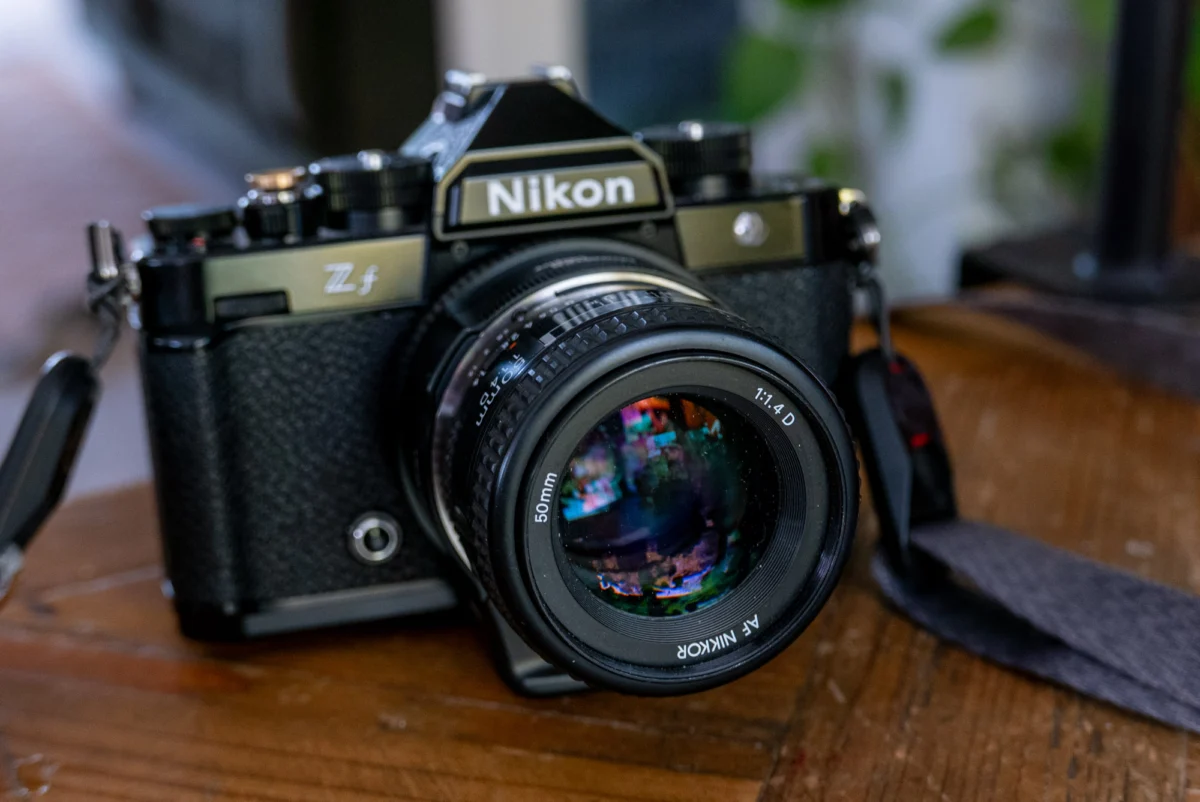
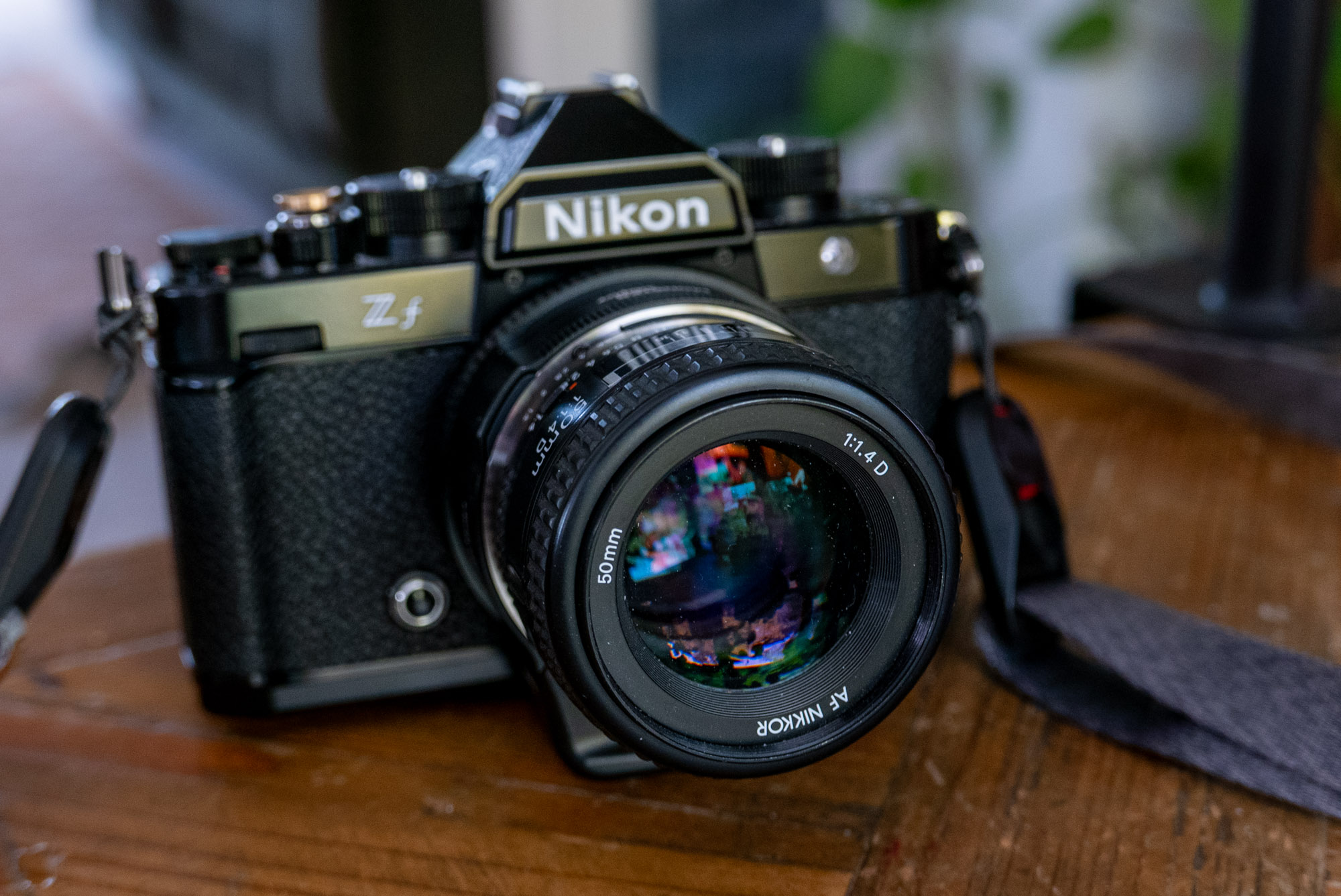
The Nikon 50mm f/1.4 AF-D occupies a unique position in the history of 35mm photography, representing a bridge between the mechanical era of film and the high-resolution requirements of modern digital sensors. Originally released in 1995 as an update to the non-D autofocus version, this lens utilizes an optical formula that traces its lineage back to the 1970s. Despite the advent of sophisticated computer-aided lens design and the introduction of superior glass elements, the 50mm f/1.4 AF-D remains a subject of intense interest for both hobbyists and professional photographers. This resurgence is driven in part by the development of advanced lens adapters, such as the Monster Adapter LA-FZ1, which allow legacy screw-drive lenses to function with modern autofocus capabilities on mirrorless systems like the Nikon Z series.
A Chronological History of the NIKKOR 50mm f/1.4
To understand the significance of the AF-D variant, one must examine the evolution of Nikon’s standard prime lenses. The 50mm focal length has long been considered the "normal" perspective, approximating the field of view of the human eye. Nikon’s commitment to the f/1.4 aperture in this focal length began in earnest during the rangefinder era, but it was the transition to the F-mount in 1959 that solidified the lens’s status as a professional staple.
The optical design of the 50mm f/1.4 AF-D—a configuration of seven elements in six groups—was largely perfected during the AI (Aperture Indexing) and AIS eras of the 1970s and 1980s. When Nikon introduced its first autofocus SLR cameras in the mid-1980s, the company transitioned these proven optical formulas into plastic-bodied, motor-driven housings. The "D" designation, added in the mid-90s, signifies the inclusion of a microchip that transmits subject-to-camera distance information to the camera body. This data was critical for the advancement of 3D Matrix Metering and more accurate flash exposures using Nikon’s Creative Lighting System (CLS).
Throughout the early 2000s, the 50mm f/1.4 AF-D served as the fastest standard prime in Nikon’s lineup, remaining the preferred choice for low-light photography until the release of the AF-S 50mm f/1.4G in 2008. Even after its official successor arrived, the AF-D remained in production for years, favored for its compact size and compatibility with older film bodies.
Technical Specifications and Optical Engineering
The Nikon 50mm f/1.4 AF-D is a classic "Double Gauss" derivative. This design is renowned for its ability to provide a fast maximum aperture while maintaining relatively compact dimensions.

Key Technical Data:
- Aperture Range: f/1.4 to f/16
- Optical Construction: 7 elements in 6 groups
- Diaphragm Blades: 7 (straight)
- Minimum Focus Distance: 0.45 meters (1.5 feet)
- Filter Thread: 52mm
- Weight: Approximately 230 grams (8.1 oz)
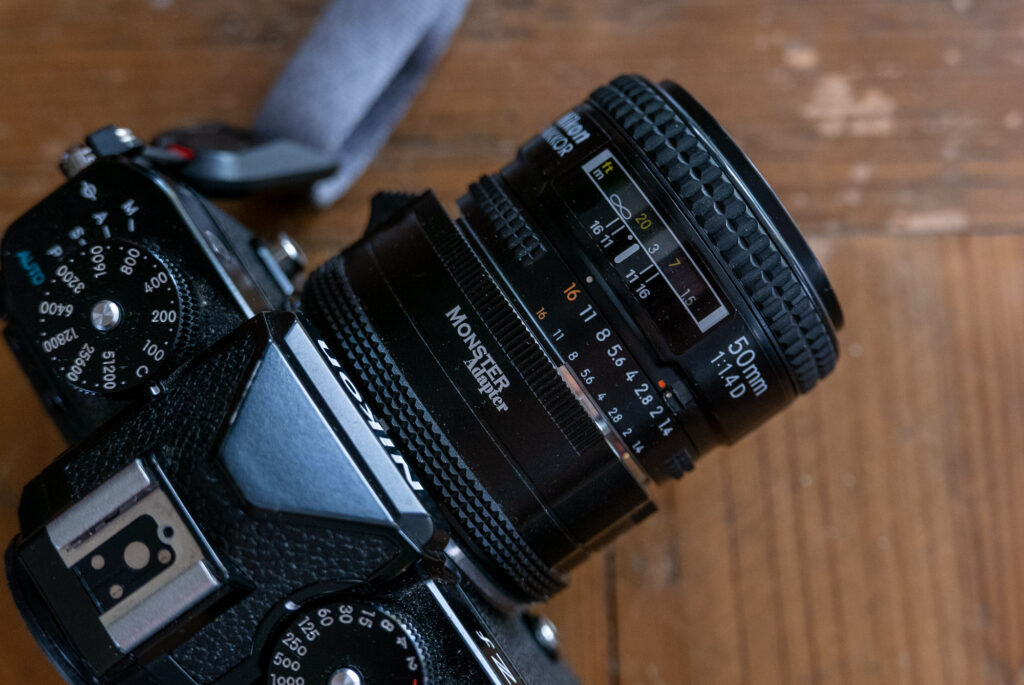
- Autofocus Mechanism: Mechanical screw-drive (requires a camera body with an internal AF motor or a specialized electronic adapter)
The lens is characterized by its unit-focusing design, meaning the entire optical block moves forward and backward to achieve focus. While this is a mechanically simple and robust approach, it lacks the sophisticated "floating elements" found in modern high-end primes, which are designed to correct aberrations across the entire focus range. Consequently, the AF-D exhibits distinct optical behaviors depending on the subject distance and selected aperture.

Optical Characteristics: The Balance of Sharpness and Character
In the contemporary photographic landscape, there is a growing divergence between lenses designed for "objective perfection" and those valued for "rendering character." The Nikon 50mm f/1.4 AF-D falls firmly into the latter category when used on modern high-resolution digital cameras.
At its maximum aperture of f/1.4, the lens displays a noticeable degree of spherical aberration. This manifests as a "glow" or a slight softening of high-contrast edges, particularly when the subject is more than five meters away. This characteristic was often viewed as a limitation during the early digital era when photographers sought to maximize every pixel of their 6- or 10-megapixel sensors. However, in the modern era of 45-megapixel sensors, this softness is frequently recontextualized as a desirable "dreamy" or "vintage" aesthetic, particularly suitable for portraiture where it can provide a natural skin-smoothing effect.

By stopping the lens down to f/2.0, the spherical aberration is significantly reduced, and by f/2.8, the lens reaches a level of central sharpness that rivals many modern designs. The transition from in-focus to out-of-focus areas (bokeh) is another area of interest. The seven-blade diaphragm produces heptagonal highlights when stopped down, but wide open at f/1.4, the bokeh is relatively smooth with a slight "swirl" at the edges of the frame—a byproduct of sagittal coma flare.
Mechanical Build and the Mirrorless Transition
The build quality of the AF-D series has often been a point of contention among Nikon enthusiasts. While the internal barrels are metal, the exterior is primarily constructed of high-quality polycarbonate. This makes the lens exceptionally light and portable, though it lacks the tactile density of the all-metal AI-S lenses or the weather-sealed robustness of modern Z-mount "S-Line" optics.

A significant mechanical drawback of the AF-D design is the manual focus ring. Because the ring is directly coupled to the internal screw-drive mechanism, it cannot be damped with heavy grease without putting undue strain on the camera’s autofocus motor. As a result, the focus ring feels "loose" or "plasticky" when operated manually, offering very little resistance. Furthermore, the focus ring rotates during autofocus, requiring the user to keep their hands clear of the barrel to avoid impeding the motor.
The emergence of the Nikon Z-mount and Sony E-mount systems initially seemed to signal the end for screw-drive lenses, as basic adapters lacked the internal motors required to drive the AF-D’s mechanical focus system. However, third-party manufacturers like Monster Adapter have addressed this gap. The Monster Adapter LA-FZ1 incorporates a high-torque motor within the adapter housing, effectively giving the 50mm f/1.4 AF-D a "new lease on life" by enabling full autofocus on mirrorless bodies. This technological bridge allows photographers to utilize the unique rendering of 1990s glass with the precision of modern Eye-Detection AF.

Market Analysis and Community Response
The secondary market for the Nikon 50mm f/1.4 AF-D has remained remarkably stable. While the newer AF-S and Z-mount versions command higher prices due to their superior corner-to-corner sharpness and silent focusing, the AF-D continues to sell for between $150 and $250 on the used market. This price point makes it one of the most accessible f/1.4 lenses available for full-frame systems.
Photographic communities and forums have seen a resurgence in "legacy glass" discussions. Many professionals who migrated to "clinical" lenses like the Sigma Art series or the Nikon Z 50mm f/1.8 S are reportedly returning to AF-D primes for their personal work. The consensus among these users is that while modern lenses are objectively "better" in a laboratory setting, the AF-D lenses offer a "roundness" and "three-dimensional pop" that is often lost in highly corrected modern formulas.

Industry analysts suggest that this trend is part of a broader cultural movement within photography—a reaction against the perceived sterility of perfectly corrected digital images. This is evidenced by the rising popularity of film photography and the use of vintage filters in post-processing. The Nikon 50mm f/1.4 AF-D provides a middle ground: it offers the convenience of autofocus and digital communication while retaining the optical "soul" of the analog era.
Broader Impact and Implications for Lens Design
The enduring popularity of the 50mm f/1.4 AF-D highlights a critical lesson for lens manufacturers: technical perfection is not the only metric of success. The lens’s ability to produce pleasing images despite its objective flaws suggests that there is a permanent market for optics that prioritize "look" over "resolution."

Furthermore, the success of adapters like the LA-FZ1 demonstrates the importance of backward compatibility. As camera systems transition from mechanical to fully electronic interfaces, a vast library of high-quality optics risks becoming obsolete. The ability to bridge these generations not only provides value to consumers but also preserves the history of optical engineering.
In conclusion, the Nikon 50mm f/1.4 AF-D is far from a relic. It is a functional piece of history that continues to deliver professional results in the hands of those who understand its temperament. Its journey from a film-era workhorse to a digital-era "character lens" reflects the evolving priorities of the photographic community. Whether used on a vintage Nikon F4 or a state-of-the-art Nikon Z9, the lens remains a testament to the longevity of Nikon’s F-mount legacy and the timeless appeal of the "nifty fifty."