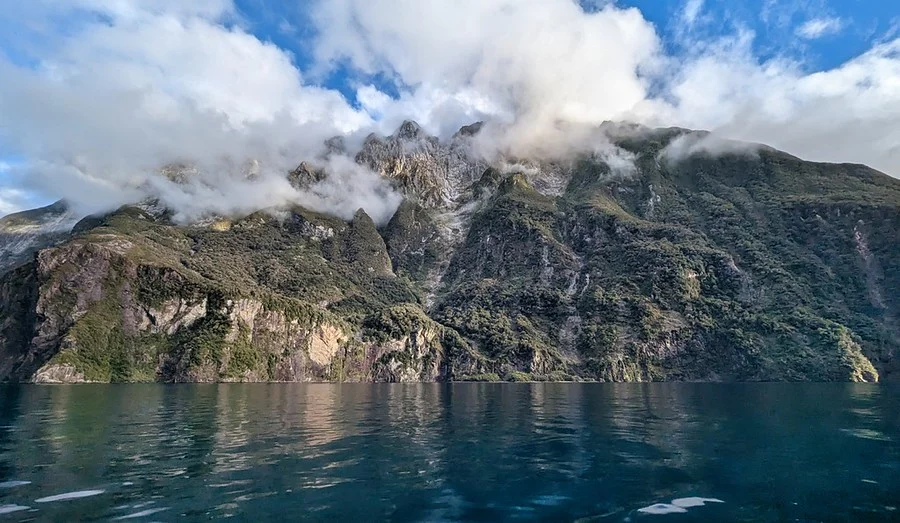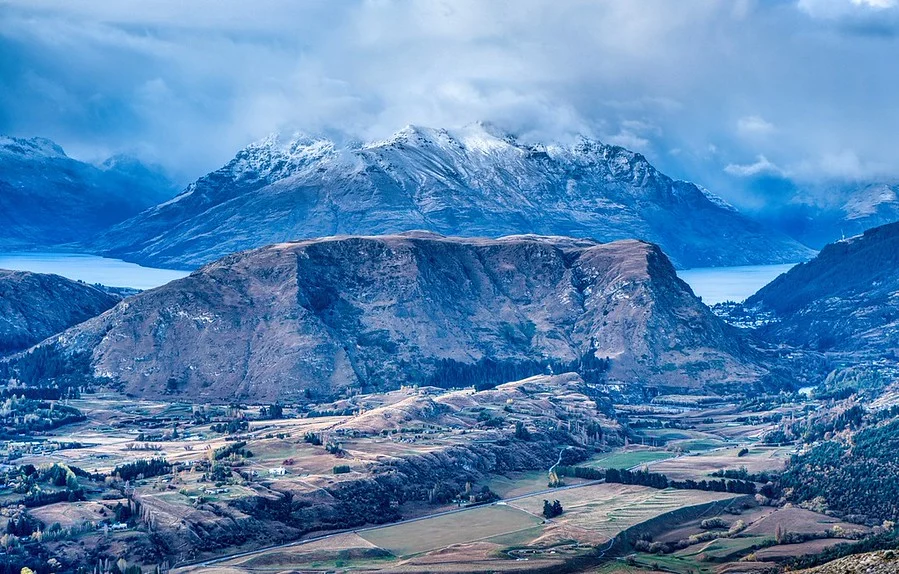
The image, titled "Mountain Layers," captures a familiar vista stretching from one mountain range to another. The accompanying description notes the transition into spring in a region experiencing reverse seasons, suggesting that remnants of snow are soon to disappear. While the image itself is a visual representation of a landscape, the context provided, however brief, hints at a broader environmental narrative concerning seasonal changes and the visual impact of these shifts on natural environments. This particular image, sourced from Stuck in Customs, presents a photographic moment that can serve as a focal point for discussing the geological formations of mountain ranges, the ecological significance of seasonal transitions, and the role of photography in documenting these phenomena.
The Geological Tapestry of Mountain Ranges
Mountain ranges are colossal geological formations sculpted over millions of years through a complex interplay of tectonic forces, erosion, and volcanic activity. The "familiar view from one range to another" depicted in the photograph likely showcases the result of these immense geological processes. Tectonic plates, colossal slabs of Earth’s lithosphere, collide, diverge, or slide past each other, creating immense pressure that folds and uplifts the Earth’s crust. This process, known as orogeny, is responsible for the formation of the world’s most prominent mountain chains, such as the Himalayas, the Andes, and the Rockies.
The visual layering observed in mountainous terrain is a direct consequence of these geological events and subsequent erosional processes. Different rock strata, formed under varying conditions over vast geological timescales, are exposed and tilted by tectonic uplift. Over eons, wind, water, and ice relentlessly erode these uplifted layers, carving valleys, shaping peaks, and revealing the intricate geological history embedded within the mountains. The photograph, therefore, is not just a snapshot of a beautiful landscape but a visual representation of Earth’s dynamic geological past. For instance, the Appalachian Mountains in North America, though older and more eroded than younger ranges like the Himalayas, still exhibit distinct layering that speaks to their long and complex geological evolution, involving multiple periods of mountain building and subsequent denudation. Understanding the geological underpinnings of these landscapes allows for a deeper appreciation of their formation and the forces that continue to shape them.
Seasonal Transitions and Ecological Dynamics
The statement "It’s heading into spring here now (in reverse season land) so not long until all signs of snow are gone" provides a crucial ecological context. This refers to a region in the Southern Hemisphere, where seasons are opposite to those in the Northern Hemisphere. As spring approaches, temperatures rise, leading to the melting of snow and ice. This seasonal transition has profound implications for the ecosystems residing within and around mountain ranges.
Snow cover acts as a vital water reservoir, slowly releasing meltwater throughout the warmer months. This meltwater is critical for rivers, streams, and lakes, supporting aquatic life and providing essential hydration for terrestrial flora and fauna. As snow recedes, dormant vegetation begins to emerge and grow, triggering a cascade of ecological events. This includes the awakening of hibernating animals, the migration of birds, and the blooming of alpine flowers. The specific timing and intensity of snowmelt are influenced by factors such as winter snowfall accumulation, temperature fluctuations, and solar radiation.
The accelerating rate of global warming is significantly impacting these seasonal cycles. Studies have shown that in many mountainous regions, snowmelt is occurring earlier in the spring, and the duration of snow cover is decreasing. This shift can lead to a mismatch between the timing of snowmelt and the life cycles of plants and animals that depend on it. For example, early snowmelt can affect the availability of forage for grazing animals and disrupt the reproductive cycles of insects and birds. The long-term implications of these changes include altered biodiversity, shifts in plant communities, and increased vulnerability to drought and wildfires. The visual disappearance of snow, as noted in the caption, is a tangible indicator of these broader climatic shifts. Data from organizations like the National Snow and Ice Data Center (NSIDC) consistently report trends of declining snow cover extent and duration in many parts of the world, underscoring the global relevance of such observations.
The Role of Photography in Documenting Environmental Change
The photograph, "Mountain Layers," serves as more than just an aesthetically pleasing image; it is a form of environmental documentation. Photography, particularly landscape photography, has a long history of capturing the state of natural environments at specific points in time. This visual record can be invaluable for scientific research, conservation efforts, and public awareness.
When viewed in conjunction with other images taken over time, such photographs can reveal subtle or dramatic changes in a landscape. For instance, comparing current images of a glacier with historical photographs can starkly illustrate glacial retreat. Similarly, observing changes in vegetation cover, the extent of snowpack, or the presence of human development over successive images can provide compelling evidence of environmental transformation.
The internet and digital photography have democratized the ability to capture and share these visual narratives. Platforms like Stuck in Customs, which feature curated collections of photography, can become unintentional archives of environmental conditions. While the photographer’s primary intent may be artistic expression, the resulting images can contribute to a broader understanding of our planet’s changing face. This visual evidence can be crucial for advocating for environmental protection and informing policy decisions. The International Union for Conservation of Nature (IUCN) frequently utilizes photographic evidence to highlight species endangerment and habitat loss, demonstrating the power of visual storytelling in conservation.
Broader Implications of Seasonal Shifts in Mountainous Regions
The seasonal shifts occurring in mountainous regions, as hinted at by the "Mountain Layers" photograph, have far-reaching implications that extend beyond the immediate visual changes. These impacts can be felt at local, regional, and even global levels.
Water Resources: Mountain ranges are often the "water towers" of the world, feeding major river systems that supply water for drinking, agriculture, and industry to vast populations downstream. Changes in snowpack and glacial melt due to warming temperatures can lead to reduced water availability in the long term, impacting food security and economic stability. For example, the Indus River basin, fed by Himalayan glaciers, supports hundreds of millions of people. Projections indicate a significant risk of water scarcity in this region due to glacial melt.
Biodiversity and Ecosystem Services: Mountain ecosystems are characterized by unique biodiversity, with many species adapted to specific temperature and altitude ranges. As temperatures rise, these species may be forced to migrate to higher altitudes, but many may not be able to adapt quickly enough, leading to population declines and extinctions. The loss of these species can disrupt ecosystem services such as pollination, pest control, and carbon sequestration. The delicate balance of alpine meadows, for instance, is threatened by the encroachment of lower-altitude plant species as the climate warms.
Natural Hazards: Changes in snowpack and permafrost can also influence the frequency and intensity of natural hazards. For instance, reduced snowpack can lead to drier conditions, increasing the risk of wildfires. The thawing of permafrost can destabilize slopes, increasing the likelihood of landslides and rockfalls. Glacial retreat can also lead to the formation of glacial lakes, which pose a risk of outburst floods if their moraine dams fail. The increasing frequency of extreme weather events, such as heavy rainfall and prolonged droughts, further exacerbates these risks.
Tourism and Recreation: Mountainous regions are popular destinations for tourism and outdoor recreation, activities that often depend on specific climatic conditions, such as snow for skiing or clear skies for hiking. Changes in snow cover, increased risk of avalanches, and altered natural landscapes can impact these industries, affecting local economies.
Official Responses and Scientific Understanding
While the "Mountain Layers" image is a singular observation, it aligns with broader scientific consensus and ongoing research into climate change impacts on mountainous environments. Meteorological agencies and environmental research institutions worldwide are continuously monitoring temperature trends, precipitation patterns, snow cover, and glacial mass balance.
Organizations like the Intergovernmental Panel on Climate Change (IPCC) synthesize vast amounts of scientific data to provide comprehensive assessments of climate change and its impacts. Their reports highlight the particular vulnerability of mountain ecosystems to warming temperatures. Governments and international bodies are increasingly recognizing the need for adaptation and mitigation strategies. These can include investing in water management infrastructure, promoting sustainable land-use practices, developing early warning systems for natural hazards, and supporting research into climate-resilient ecosystems.
The scientific community’s understanding of these processes is built upon decades of data collection, modeling, and analysis. Remote sensing technologies, such as satellite imagery, play a crucial role in monitoring changes across vast and often inaccessible mountainous terrains. Ground-based measurements from weather stations and glaciological surveys provide detailed, localized data. This combined approach allows for a robust understanding of the complex interactions between climate, geology, and ecology in mountain environments. The consistent reporting of trends such as earlier spring thaw and reduced snowpack by agencies like the World Meteorological Organization (WMO) provides a factual basis for understanding the phenomena hinted at in the image’s caption.
In conclusion, the simple yet evocative "Mountain Layers" photograph, with its brief contextual note on seasonal change, opens a window into the intricate and dynamic world of mountainous landscapes. It serves as a reminder of the powerful geological forces that shape our planet and the profound ecological transformations driven by seasonal cycles and the overarching influence of climate change. The visual evidence, amplified by scientific understanding and ongoing monitoring, underscores the critical importance of appreciating and protecting these vital natural environments. The disappearance of snow is not merely an aesthetic shift but a tangible indicator of larger environmental processes at play, demanding continued scientific scrutiny and informed stewardship.