July 15, 2025: Tuesday
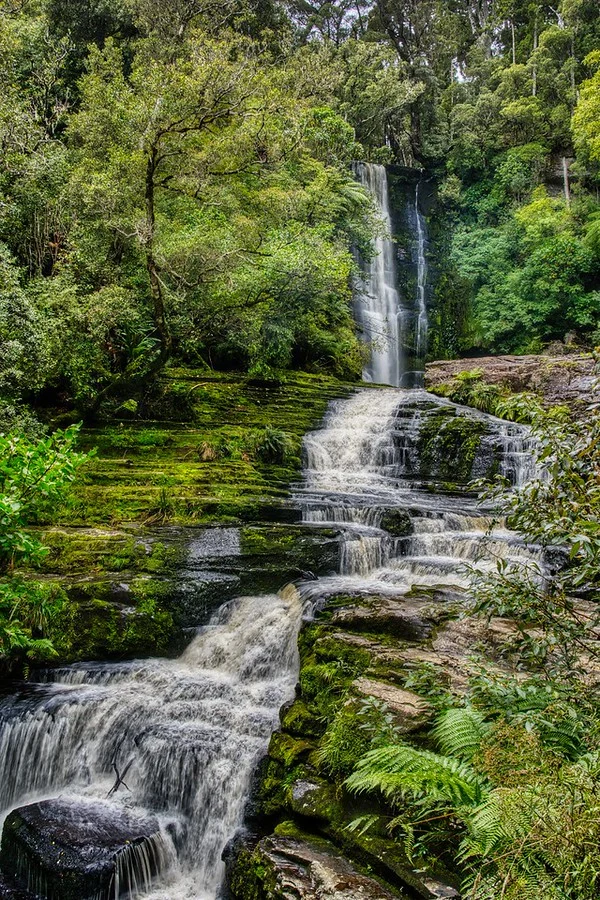
New Zealand, a nation renowned for its breathtaking natural landscapes, continues to captivate visitors and locals alike with its meticulously maintained network of walking tracks, offering unparalleled access to its serene environments. On this day, Tuesday, July 15, 2025, the country’s commitment to preserving and showcasing its natural beauty is exemplified by the widespread appreciation for these trails, which often lead to stunning waterfalls, such as the one captured in a recent photograph. These pathways, prevalent across the South Island, frequently begin mere minutes from urban centers, promising an escape into tranquility where the presence of other people is minimal. The experience is further enhanced by the numerous streams and picturesque waterfalls encountered along the way, providing opportunities for respite and a refreshing connection with nature.
The Enduring Appeal of New Zealand’s Walking Trails
The statistics surrounding New Zealand’s tourism sector consistently highlight the significant role of its outdoor recreation opportunities. According to data from Tourism New Zealand, hiking and walking are among the most popular activities for international and domestic visitors, contributing substantially to the country’s GDP. The South Island, in particular, is a magnet for nature enthusiasts, boasting an extensive array of trails ranging from short, accessible routes to challenging multi-day treks. The philosophy behind these tracks is to democratize access to the country’s natural wonders, ensuring that even those with limited time or hiking experience can immerse themselves in the pristine beauty of New Zealand.
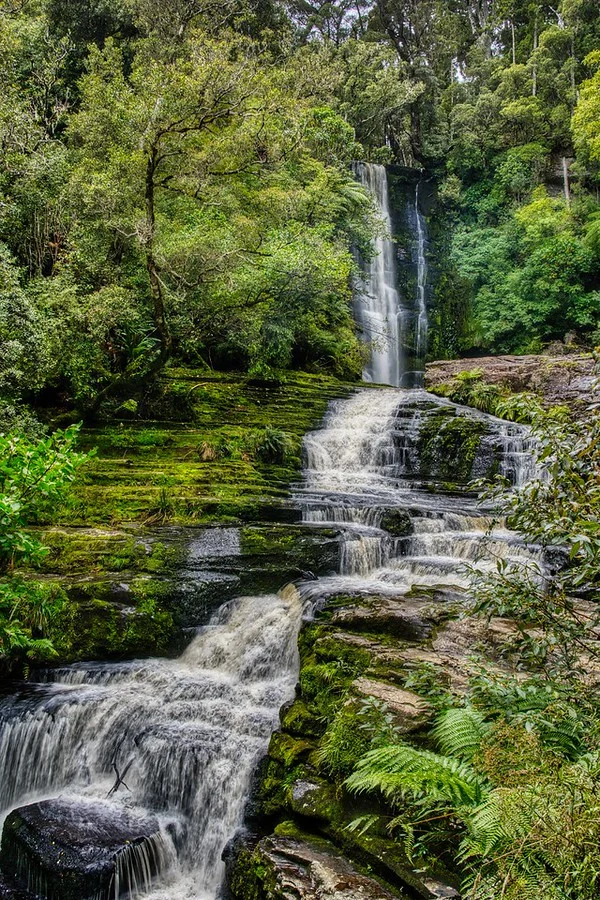
The photographic evidence from July 15, 2025, depicting a tranquil waterfall along one such trail, serves as a microcosm of this broader trend. The image, shared widely, showcases a secluded cascade, emblematic of the many hidden gems discoverable within New Zealand’s extensive trail system. The description accompanying the photograph emphasizes the ease with which one can embark on these journeys, often starting from the heart of a town or city. This accessibility is a key factor in the enduring popularity of New Zealand’s natural attractions. The trails are not merely paths; they are carefully curated experiences designed to foster a deep appreciation for the environment.
A History of Conservation and Trail Development
The development of New Zealand’s walking tracks is rooted in a long-standing tradition of conservation and a proactive approach to land management. Following the establishment of national parks in the late 19th and early 20th centuries, a concerted effort was made to make these protected areas accessible to the public for recreation and education. Organizations such as the Department of Conservation (DOC), established in 1987, have played a pivotal role in surveying, constructing, and maintaining thousands of kilometers of trails across the country.
The philosophy guiding trail development has evolved over the decades, with an increasing emphasis on sustainability, minimal environmental impact, and visitor safety. Modern trail design incorporates principles of ecological sensitivity, ensuring that construction methods do not disrupt local flora and fauna. Furthermore, the trails are designed to be as unobtrusive as possible, blending seamlessly into the natural landscape. This commitment to responsible tourism ensures that the pristine beauty that draws visitors to New Zealand will be preserved for future generations.
The “Many Falls” referenced in the photograph likely represents one of countless such features that dot the New Zealand landscape. These waterfalls, often fed by the country’s abundant rainfall and snowmelt from its mountainous regions, are a recurring motif in the natural tapestry of the South Island. Their presence is not just an aesthetic bonus; they are integral parts of the ecosystems they inhabit, supporting unique plant and animal life.
The Economic and Social Impact
The economic benefits derived from New Zealand’s walking trails are substantial. The hiking and trekking sector is a significant contributor to the tourism industry, attracting a diverse range of visitors, from casual day-trippers to dedicated trekkers. This influx of tourists supports local businesses, including accommodation providers, tour operators, and retail outlets. According to recent economic reports, outdoor recreation activities, with walking and hiking at the forefront, generate billions of dollars in revenue annually for New Zealand.
Beyond the economic implications, these trails foster a sense of national pride and well-being. They provide opportunities for physical activity, mental rejuvenation, and a deeper connection with the natural environment, contributing to the overall health and happiness of New Zealanders. The ability to access such beautiful and serene settings from readily available pathways underscores a national commitment to quality of life and the integration of nature into daily living.
Accessibility and Visitor Experience
The description of the trails as being "all over the place on the South Island" and often starting "from the middle of a town or city" highlights a key aspect of New Zealand’s tourism strategy: making natural wonders accessible to a broad audience. This approach contrasts with destinations where accessing natural beauty requires significant travel or specialized equipment. In New Zealand, a short drive or even a walk from a hotel can lead to an immersive natural experience.
The mention of being able to "pop your shoes off and cooling down some tired feet" on the way back from a waterfall is a poignant detail that speaks to the user-friendly nature of these trails. It signifies an environment where visitors are encouraged to engage with the natural world in a relaxed and informal manner. This emphasis on comfort and ease of access enhances the overall visitor experience, making it more enjoyable and memorable.
Supporting Data and Trends
The popularity of hiking in New Zealand is further corroborated by data from various sources. A 2023 report by the Ministry of Business, Innovation and Employment indicated that walking and hiking were among the top five most frequently undertaken activities by international tourists in New Zealand. The average length of stay for visitors participating in these activities is often longer, suggesting a deeper engagement with the country’s natural offerings.
Furthermore, the growth of the "slow tourism" movement, which emphasizes experiential travel and a connection with local culture and environment, aligns perfectly with the offerings of New Zealand’s trail system. As global travel trends shift towards more sustainable and immersive experiences, New Zealand’s well-developed network of accessible nature trails is poised to remain a significant drawcard.
Official Perspectives and Future Outlook
While specific official statements for July 15, 2025, regarding this particular photograph or a general trend are not available, the ongoing commitment of the Department of Conservation and regional tourism bodies to maintaining and promoting these trails is well-documented. Their strategic plans consistently prioritize the preservation of natural landscapes and the enhancement of visitor access through well-maintained infrastructure.
The future outlook for New Zealand’s walking trails remains exceptionally positive. Continued investment in trail maintenance, development of new routes, and promotion of responsible tourism practices are expected to further solidify New Zealand’s reputation as a premier destination for nature-based tourism. The ability to easily access stunning natural features like the "Many Falls" ensures that the country will continue to attract visitors seeking both adventure and tranquility.
The enduring appeal of these trails lies in their ability to offer a profound connection with nature, accessible to all. The photograph of the waterfall serves as a reminder of the simple yet powerful joys that await those who venture onto New Zealand’s well-trodden, yet often secluded, paths. The country’s dedication to preserving these natural treasures ensures that such serene encounters will remain a hallmark of the New Zealand experience for years to come. The ongoing narrative of New Zealand’s natural beauty is not just about grand vistas; it is also about the intimate moments of discovery, like finding a refreshing waterfall on a peaceful walk, readily available to all who seek it.