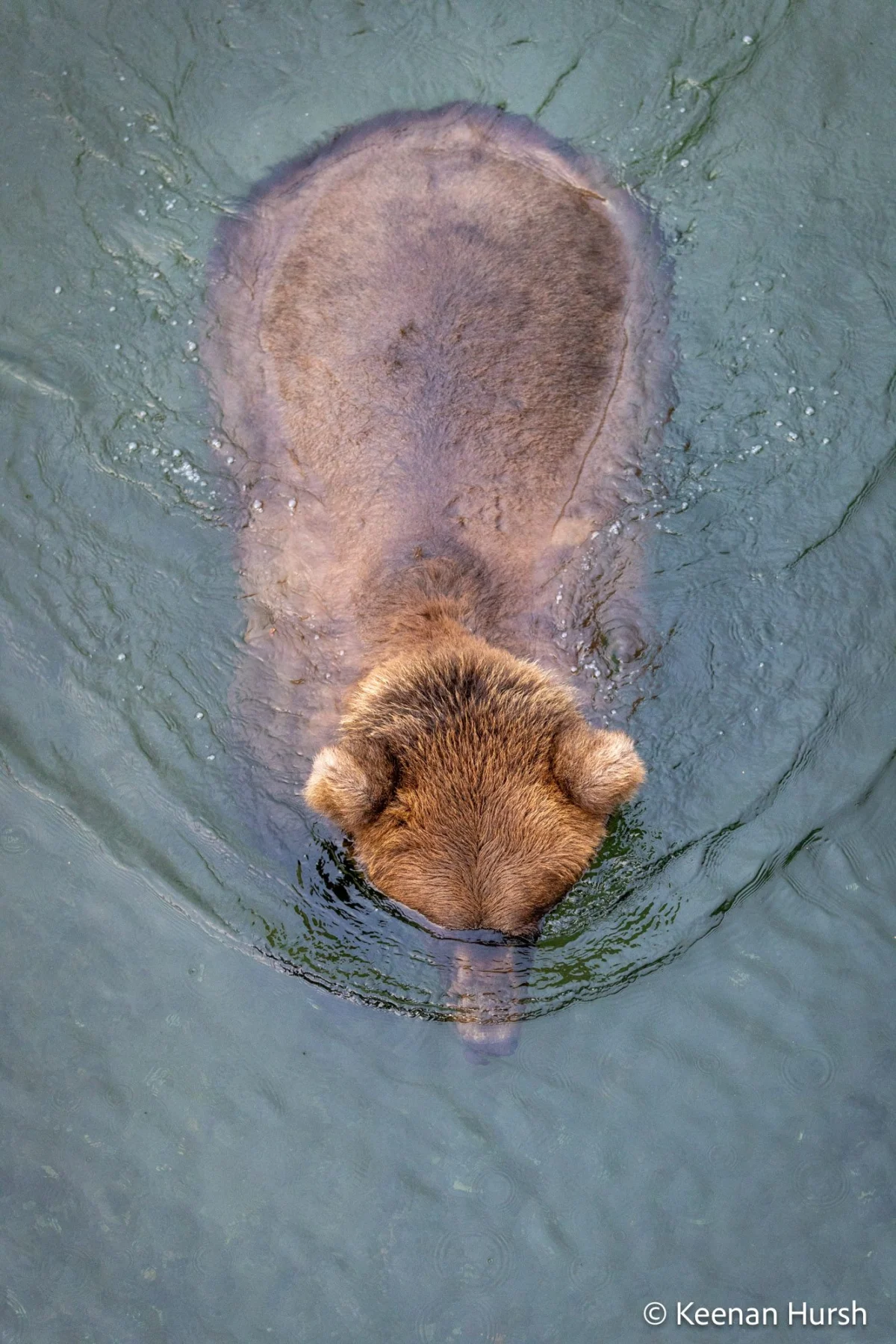
A seasoned professional photography trip leader, known for their expertise in capturing wildlife in some of the world’s most remote and challenging environments, recently embarked on a critical assignment to Katmai National Park, Alaska. This expedition, focusing on the iconic brown bears of Brooks Falls, served as a real-world crucible for evaluating Canon’s highly anticipated RF 100-300mm f/2.8 L IS USM lens. The strategic decision to rent this specialized lens from Lensrentals for two intensive, back-to-back workshops underscores a growing trend among professionals to leverage rental services for optimizing gear selection for specific photographic objectives, thereby enhancing both operational efficiency and creative output. The successful deployment and performance of the Canon RF 100-300mm f/2.8 in the demanding Alaskan wilderness not only yielded exceptional imagery but also provided invaluable insights into its capabilities, affirming its position as a significant tool for wildlife photographers.
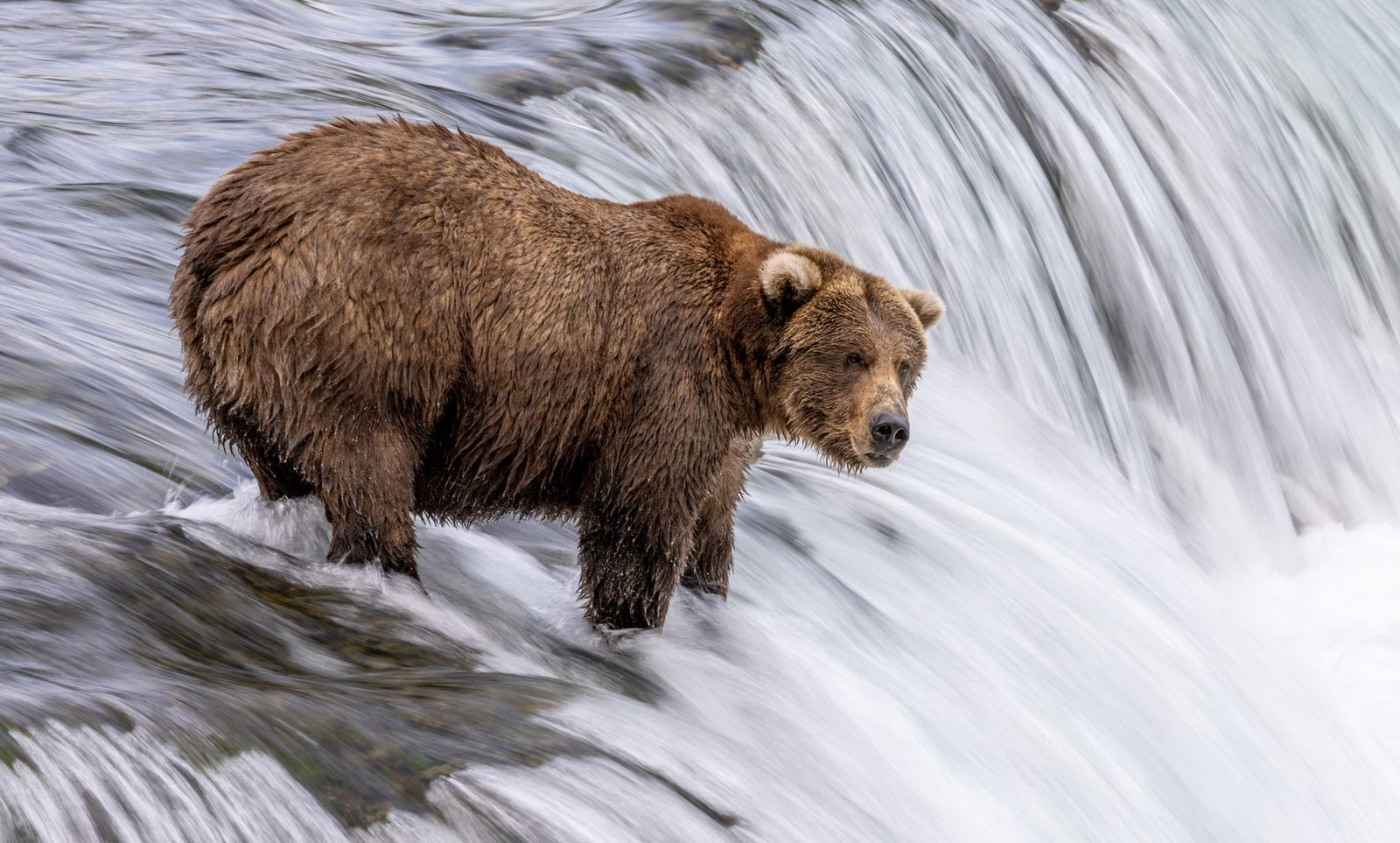
Strategic Planning for Elite Wildlife Expeditions
For professional photography trip leaders affiliated with organizations like Backcountry Journeys, meticulous planning is the bedrock of successful expeditions. These workshops, often conducted in remote and environmentally sensitive locations, demand not only profound logistical foresight but also an exacting approach to photographic equipment. The individual in question, a Canon gear user, routinely dedicates significant time to envisioning the precise shots required for each adventure, a process crucial for curating the optimal camera bodies, lenses, and accessories. This preparatory phase is not merely an exercise in imagination but a tactical necessity to ensure that every piece of equipment aligns with the creative vision and the practical demands of the environment.
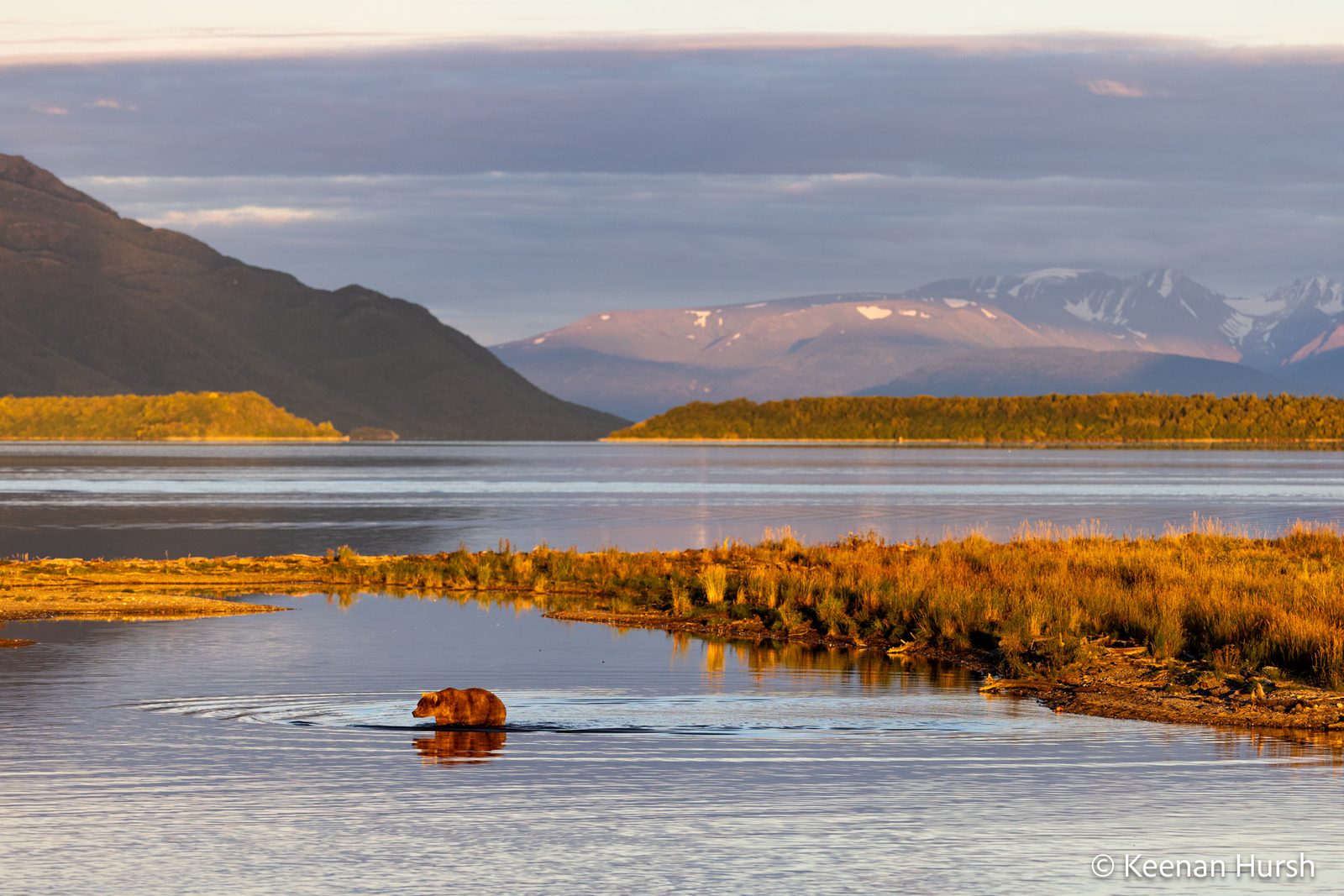
The upcoming assignment to Katmai National Park presented a unique set of challenges and opportunities. Katmai, globally renowned for its dense population of Alaskan brown bears, particularly at Brooks Falls during the salmon run, offers unparalleled close-range wildlife viewing. The objective for these two workshops was multifaceted: to capture intimate portraits of bears with softly blurred backgrounds, broader environmental shots illustrating the bears within their natural habitat, and dynamic action sequences of bears actively fishing in the river. Having previously photographed in Katmai, the trip leader possessed a clear understanding of the desired aesthetic and technical requirements. While their personal arsenal included the formidable Canon EF 600mm f/4L IS III, a staple for distant wildlife, the close proximity to bears at Brooks Falls necessitated a more versatile, slightly wider focal length that could still deliver superior optical performance. This specific requirement highlighted a gap in their personal kit, leading to the decision to explore rental options for the Canon RF 100-300mm f/2.8.
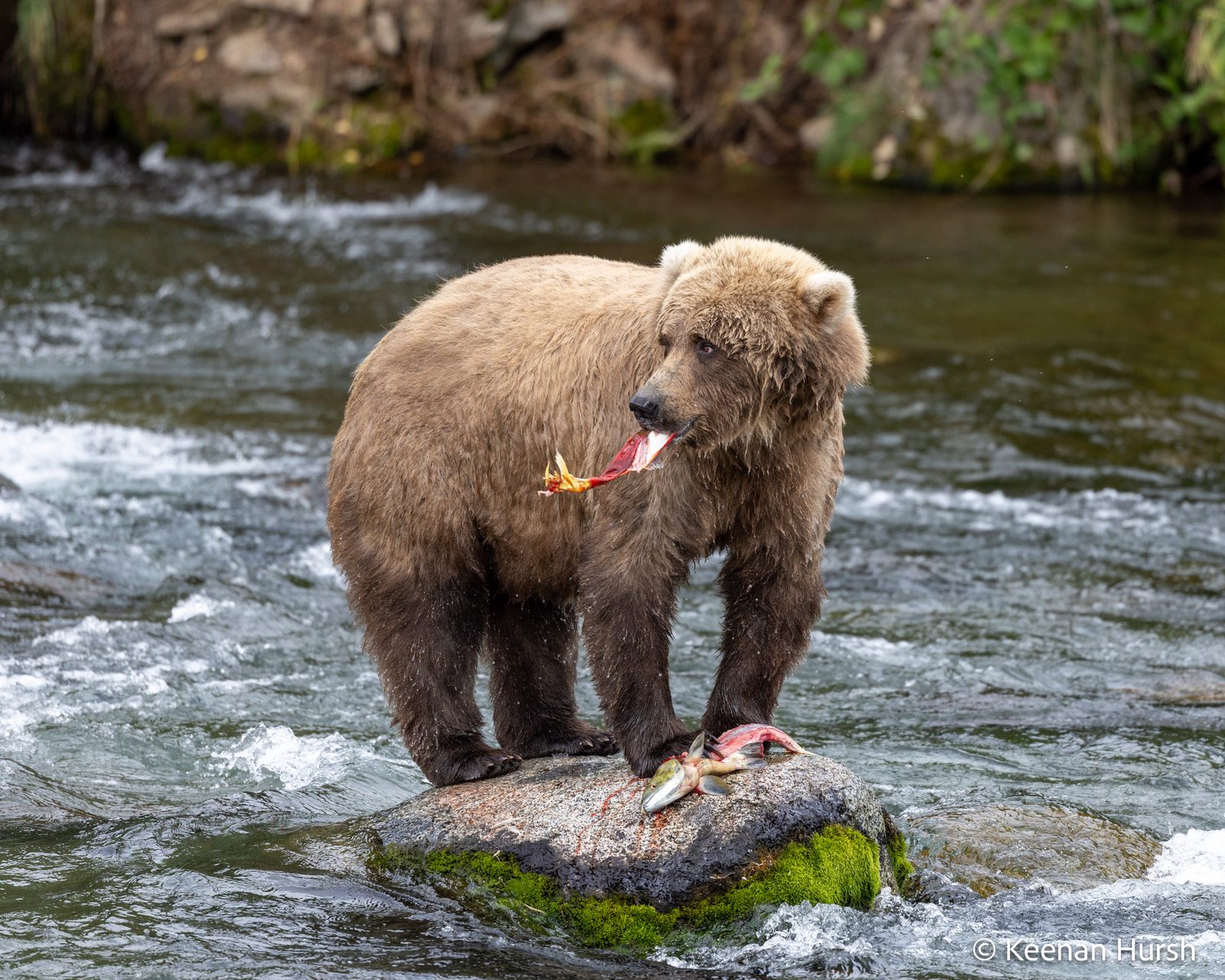
The Canon RF 100-300mm f/2.8: A New Paradigm in Telephoto Zooms
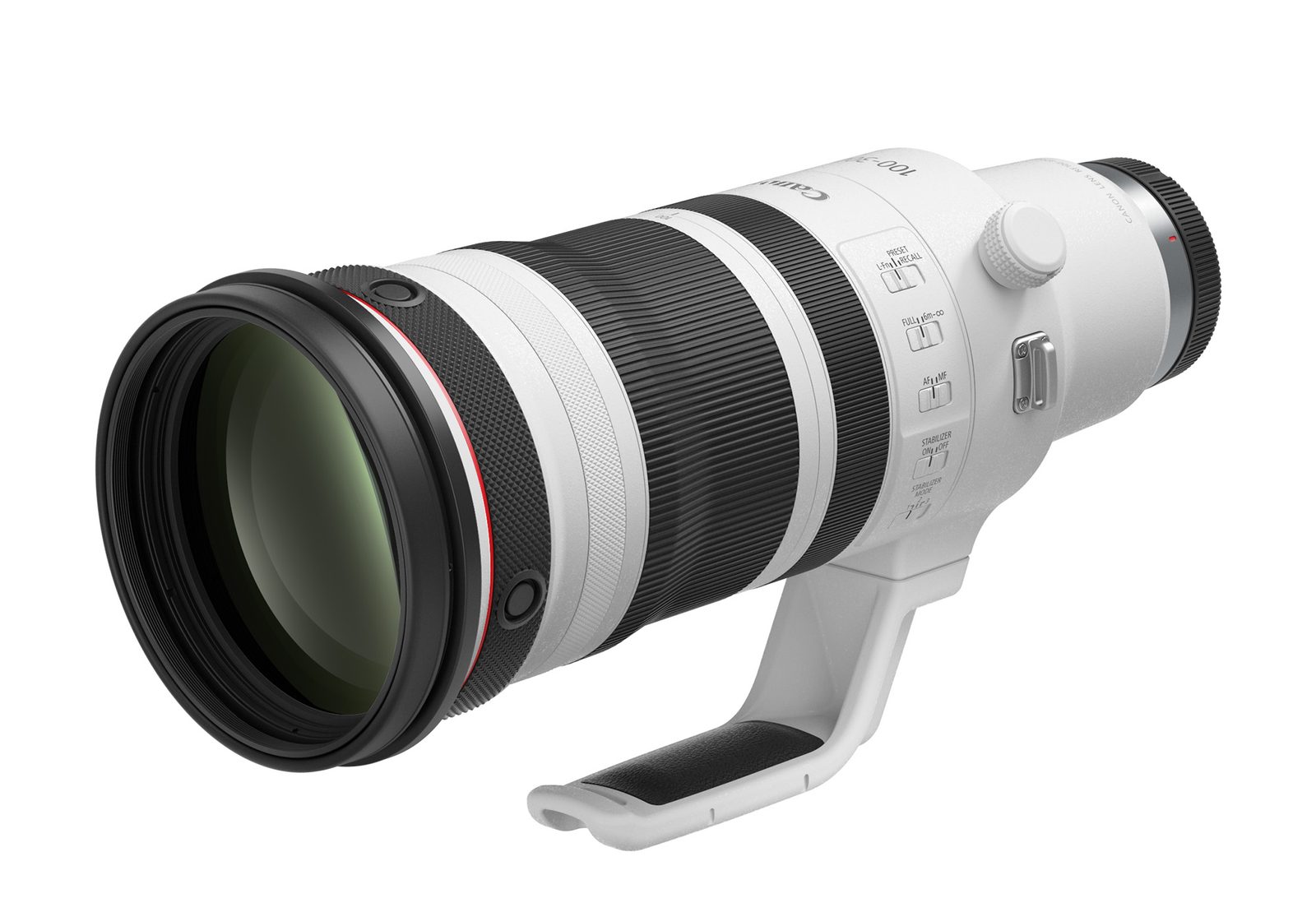
The announcement of the Canon RF 100-300mm f/2.8 L IS USM lens marked a pivotal moment in the evolution of professional telephoto optics. Released approximately a year prior to this expedition, it signaled Canon’s strategic commitment to developing fast telephoto and super-telephoto zoom lenses that rival the sharpness and optical integrity traditionally associated with prime lenses. This lens represents a significant engineering achievement, offering a constant maximum aperture of f/2.8 across an expansive 100-300mm focal range. Such a combination of speed and versatility is a rare commodity in the photographic market, distinguishing it from offerings by many other brands.
From a technical perspective, the RF 100-300mm f/2.8 boasts a sophisticated optical design comprising 23 elements in 18 groups, including one fluorite element, two UD (Ultra-low Dispersion) elements, and one aspherical element. This complex arrangement is engineered to suppress chromatic aberrations, distortion, and flare, ensuring razor-sharp images with exceptional contrast and color fidelity across the entire zoom range. The lens features a 9-blade circular aperture, contributing to a pleasing bokeh, which is critical for isolating subjects from busy backgrounds—a key requirement for the desired bear portraits. Weighing approximately 2.59 kg (5.7 lbs) and measuring about 32.3 cm (12.7 inches) in length, it balances robust construction with a manageable form factor for a lens of its specifications. It also incorporates Canon’s renowned optical image stabilization, rated at 5.5 stops, which can extend to 6 stops when paired with a camera featuring in-body image stabilization (IBIS). This stabilization is paramount for handheld shooting in variable light conditions, particularly for capturing fast-moving subjects without resorting to excessively high ISO settings. The dual Nano USM motors provide rapid, silent, and precise autofocus performance, essential for tracking unpredictable wildlife.
The Indispensable Role of Rental Services
The decision to rent the Canon RF 100-300mm f/2.8 from Lensrentals was a pragmatic choice driven by several factors. For highly specialized and premium-priced equipment, outright purchase may not always be economically viable for every professional, especially for lenses required for specific, infrequent assignments. The RF 100-300mm f/2.8 carries a substantial retail price, reflecting its advanced technology and build quality. Rental services like Lensrentals offer a flexible and cost-effective alternative, allowing photographers to access cutting-edge gear without the significant capital investment. This model also enables photographers to thoroughly test a lens in real-world conditions before committing to a purchase, mitigating financial risk.
The photographer’s past positive experiences with Lensrentals underscored their reliability and efficiency. This service provides insured shipping, well-maintained equipment, and responsive customer support, which are critical considerations when gear must arrive pristine and on time for time-sensitive expeditions. For a trip to a remote location like Katmai, where equipment failures or delays could jeopardize an entire workshop, the trust placed in a rental provider is paramount. The ability to "expand the arsenal" for a specific trip, rather than burdening one’s permanent kit with every conceivable focal length, exemplifies a modern, agile approach to professional photography.
Field Performance at Brooks Falls: A Comprehensive Assessment
The Canon RF 100-300mm f/2.8 truly distinguished itself during the eight days of intensive brown bear photography at Brooks Falls. The unique environment of Katmai, where regulations allow relatively close proximity to bears on designated viewing platforms, meant that a super-telephoto prime like a 600mm could often be "too much lens." The versatility of the 100-300mm zoom proved invaluable, allowing the photographer to quickly adapt to changing distances and compositions.
Key Observations on Performance:
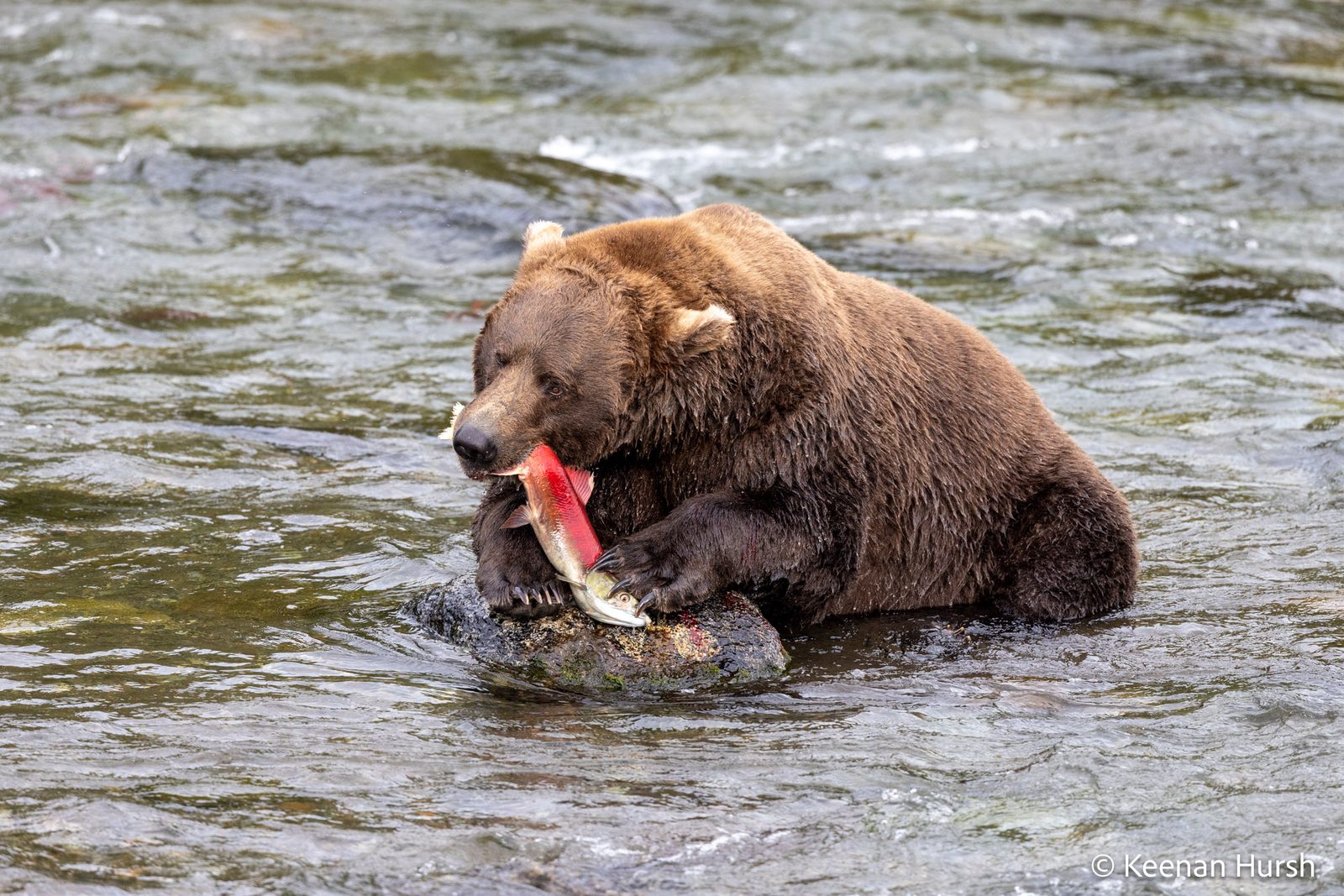
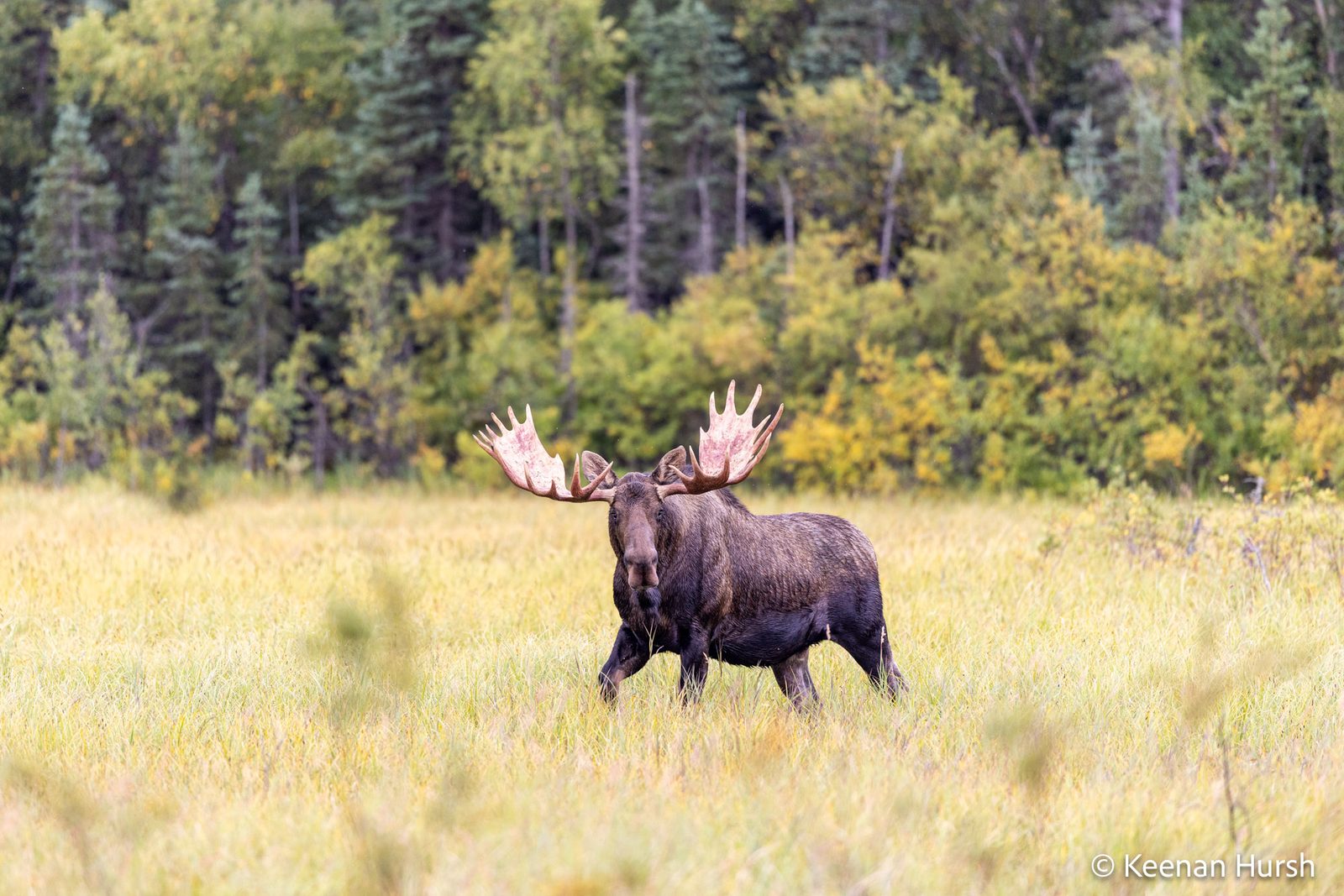
- Versatility and Focal Range: The 100-300mm range was perfectly suited for Brooks Falls. It allowed for wide environmental shots capturing bears amidst the falls and river, while also enabling tighter portraits as bears approached the viewing areas. The ability to fluidly zoom between these compositions without changing lenses significantly reduced missed opportunities, especially during dynamic interactions. The photographer noted frequently starting with their 600mm prime for distant subjects and seamlessly transitioning to the 100-300mm as bears moved closer, often within 50-75 yards. This adaptability was deemed essential for the diverse photographic demands of the location.
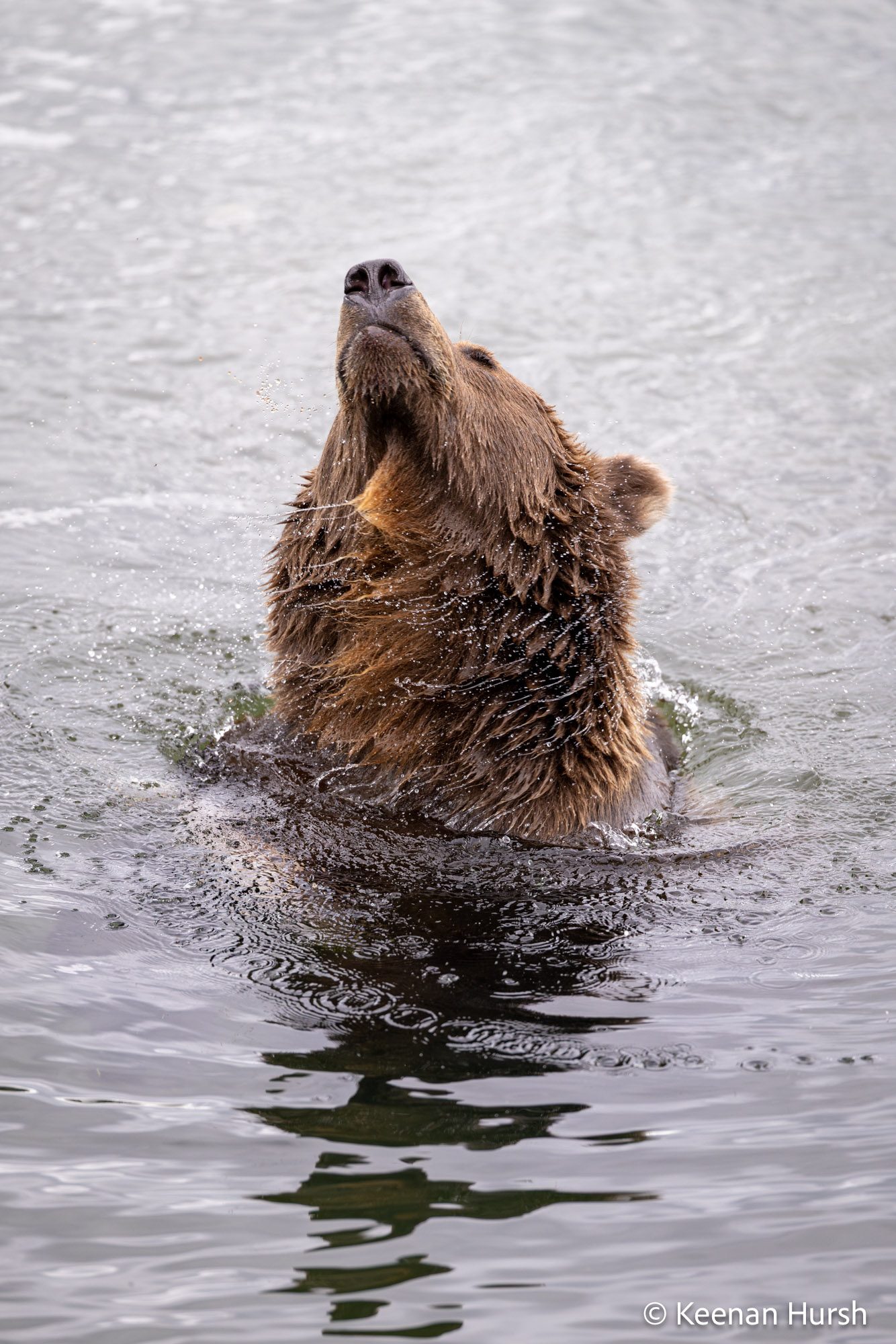
- Optical Sharpness and Image Quality: The lens delivered consistently razor-sharp images, a testament to its advanced optical design. Details in the bears’ fur, water droplets, and fish were rendered with exceptional clarity and micro-contrast. This performance validated Canon’s ambition to imbue zoom lenses with prime-level optics.
- Constant f/2.8 Aperture and Bokeh: The constant f/2.8 aperture was a significant advantage. It provided excellent subject isolation, producing creamy, aesthetically pleasing backgrounds (bokeh) that made the bears stand out beautifully. This was crucial for achieving the desired portrait shots. Moreover, the wide aperture excelled in challenging low-light conditions, such as early morning or late evening shoots, minimizing the need to drastically increase ISO sensitivity and thereby maintaining image quality.
- Autofocus Speed and Accuracy: The dual Nano USM motors provided incredibly fast, quiet, and precise autofocus. This was critical for tracking bears charging through the river, leaping for salmon, or engaging in playful sparring. The lens maintained focus with remarkable consistency, even with erratic subject movement, ensuring a high hit rate for action shots.
- Image Stabilization: The highly effective image stabilization system allowed for sharper handheld shots at slower shutter speeds than would otherwise be possible. This was particularly beneficial for maintaining low ISOs in dim light and for composing shots from the viewing platforms where tripods might not always be practical or permitted in crowded conditions.
Expert Review: Strengths and Considerations
Positives (Expanded):
- Exceptional Versatility: The 100-300mm focal range, coupled with its f/2.8 aperture, makes it incredibly adaptable for various wildlife scenarios. It bridges the gap between mid-telephoto and super-telephoto, reducing the need for multiple lenses in the field.
- Prime-Lens Optical Quality: The images produced are virtually indistinguishable from those taken with high-end prime lenses in terms of sharpness, contrast, and color rendition. This allows for significant cropping flexibility without loss of detail.
- Superior Low-Light Performance: The f/2.8 aperture, combined with robust image stabilization, enables photographers to work effectively in challenging light, preserving image quality by keeping ISO values lower.
- Blazing Fast and Accurate Autofocus: The advanced autofocus system ensures that even the most unpredictable and fast-moving subjects are captured in sharp focus, minimizing missed shots.
- Robust Build Quality and Weather Sealing: As an L-series lens, it features Canon’s professional-grade construction, including comprehensive weather sealing, which is essential for working in environments like Katmai, where rain, mist, and dust are common. This durability ensures reliable performance in harsh conditions.
- Pleasing Bokeh: The wide aperture and circular blade design create a beautiful, smooth background blur, effectively isolating subjects and adding a professional polish to images.
Considerations (Negatives, Expanded):
- Weight and Size: While impressive for its specifications, the lens is still a substantial piece of equipment, weighing over 2.5 kg. Carrying it for extended periods, especially in the field, can be physically demanding. This is a common trade-off for high-performance, fast telephoto lenses.
- Cost: The Canon RF 100-300mm f/2.8 is a premium lens with a price point reflecting its advanced technology and optical excellence. This significant investment is a primary reason why rental services are so valuable for many professionals. For some, the cost may limit its accessibility as a permanent acquisition.
These observations, while rooted in personal experience, provide an objective assessment of the lens’s capabilities under specific, demanding conditions. The balance of its strengths significantly outweighed the considerations for the purpose of the Katmai expedition.
Broader Implications for Wildlife Photography and the Industry
The successful application of the Canon RF 100-300mm f/2.8 in Katmai carries several implications for the professional photography landscape:
- Validation of Canon’s Mirrorless Strategy: This lens exemplifies Canon’s aggressive push into the RF mirrorless ecosystem, demonstrating their commitment to delivering innovative, high-performance optics that leverage the benefits of the shorter flange distance and wider mount of the RF system. Its success reinforces the appeal of the R-series cameras for professional wildlife photographers.
- Evolving Gear Selection for Professionals: The experience highlights the increasing sophistication in how professional photographers select and acquire gear. The traditional model of owning every piece of equipment is being supplemented by a strategic approach that integrates rental services for specialized needs, allowing for greater flexibility and cost efficiency.
- Enhancing Workshop Experiences: For photography workshop leaders, having access to and being proficient with such versatile tools directly translates to a richer learning experience for participants. The ability to capture a wider array of images, from intimate portraits to sweeping environmental shots, provides diverse teaching opportunities and inspirational content.
- Impact on Conservation Photography: High-quality imagery of iconic wildlife like the Katmai brown bears plays a crucial role in conservation efforts. Lenses that enable photographers to capture these animals with stunning clarity and emotional depth contribute significantly to raising awareness and fostering appreciation for natural habitats.
Conclusion: A Testament to Performance and Preparedness
The expedition to Katmai National Park, culminating in two successful photography workshops, served as a compelling demonstration of the Canon RF 100-300mm f/2.8 L IS USM lens’s exceptional capabilities. Its razor-sharp optics, versatile focal range, constant f/2.8 aperture, and robust image stabilization proved to be invaluable assets in capturing the diverse behaviors of the Alaskan brown bears. The strategic decision to rent this specialized lens from Lensrentals underscores the growing importance of flexible gear acquisition models for professional photographers navigating specific project requirements and budgetary considerations.
The images captured with the RF 100-300mm f/2.8 during this challenging assignment stand as a testament to its performance, fulfilling the photographer’s precise creative vision. This review not only offers detailed insights for prospective users considering this lens for purchase or rental but also reaffirms the critical role of thorough planning and access to advanced photographic tools in achieving outstanding results in demanding environments. As the field of wildlife photography continues to evolve, the integration of cutting-edge technology and intelligent resource management, as exemplified by this expedition, will remain paramount for success.