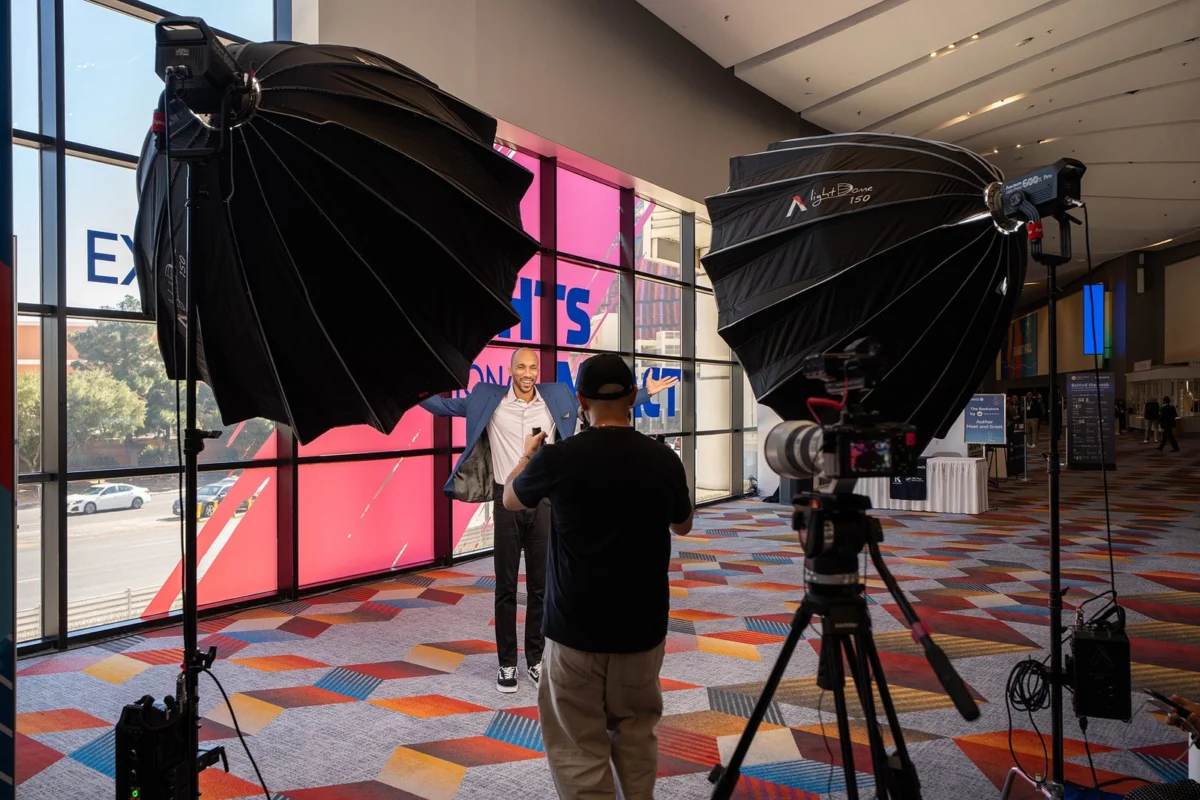
Following an earlier examination of the camera technology behind recent Oscar-nominated films, a new analytical exercise has commenced, shifting focus from recording devices to the intricate art of cinematic lighting. This initiative aims to demystify the complex lighting techniques employed by top-tier cinematographers in contemporary film and television, encouraging a deeper appreciation and understanding among enthusiasts and aspiring professionals alike. While the selection of cameras for major productions is often readily available information, the granular details of lighting setups for specific scenes are significantly more challenging to ascertain, a testament to the specialized expertise that commands premium compensation within the industry.
The Unseen Architect of Mood and Narrative
Cinematography, and specifically lighting design, stands as a cornerstone of visual storytelling. It shapes atmosphere, highlights character emotions, defines spaces, and guides the audience’s gaze, often subtly influencing perception without explicit awareness. The effective manipulation of light and shadow can elevate a scene from merely functional to profoundly impactful, transforming ordinary moments into iconic imagery. This recent exercise, spearheaded by a dedicated analyst, endeavors to bridge the gap between passive consumption and active deconstruction, providing a framework for dissecting the lighting choices that contribute to a film’s overall aesthetic and narrative power.
Industry experts consistently emphasize the critical role of lighting in production budgets and critical reception. According to a 2023 report by FilmMarketPro, lighting equipment and crew often account for 15-20% of a film’s total production budget, underscoring its financial and creative significance. The American Society of Cinematographers (ASC) frequently honors DPs whose innovative lighting designs push artistic boundaries, further cementing the craft’s importance. Understanding these techniques is not merely an academic pursuit; it offers invaluable insights for emerging filmmakers seeking to master their craft.
Methodology and Technological Facilitation
To accurately analyze and recreate these sophisticated lighting schemes, the exercise utilizes specialized software known as set.a.light 3d by elixxier. This intuitive 3D modeling application is designed specifically for visualizing and planning intricate lighting diagrams for both still photography and video production. Its user-friendly interface allows for the virtual construction of sets, placement of subjects, and precise positioning and adjustment of various light sources and modifiers. The analyst, a long-time user of the software, affirms its utility in reverse-engineering complex lighting scenarios from existing visual media. It’s important to note that while this software facilitates highly accurate theoretical reconstructions, the specific gear listed in the breakdowns serves as illustrative examples rather than definitive claims of the actual equipment used on set. The primary objective is to demonstrate the principles of lighting at play.
Case Studies in Illumination: Deconstructing Masterful Scenes
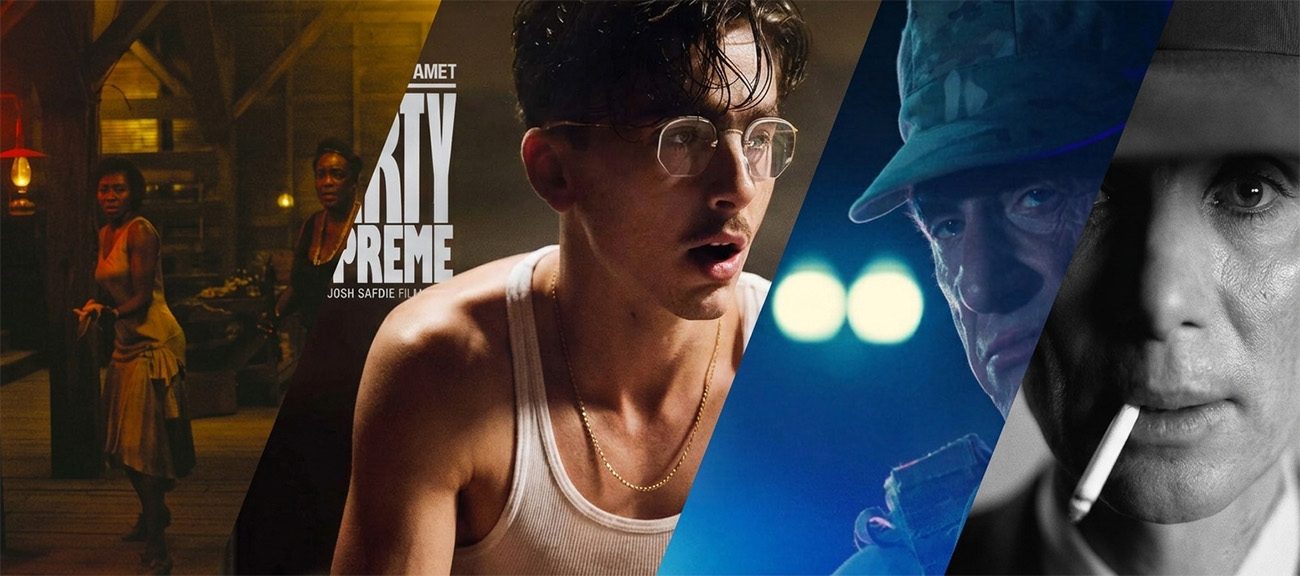
The analysis delved into several prominent examples from recent popular films and television series, chosen for their distinctive and impactful lighting designs. Each case study provided a unique challenge and opportunity to explore diverse lighting philosophies and techniques.
Marty Supreme – Key Advert Image: The Power of Hard Light
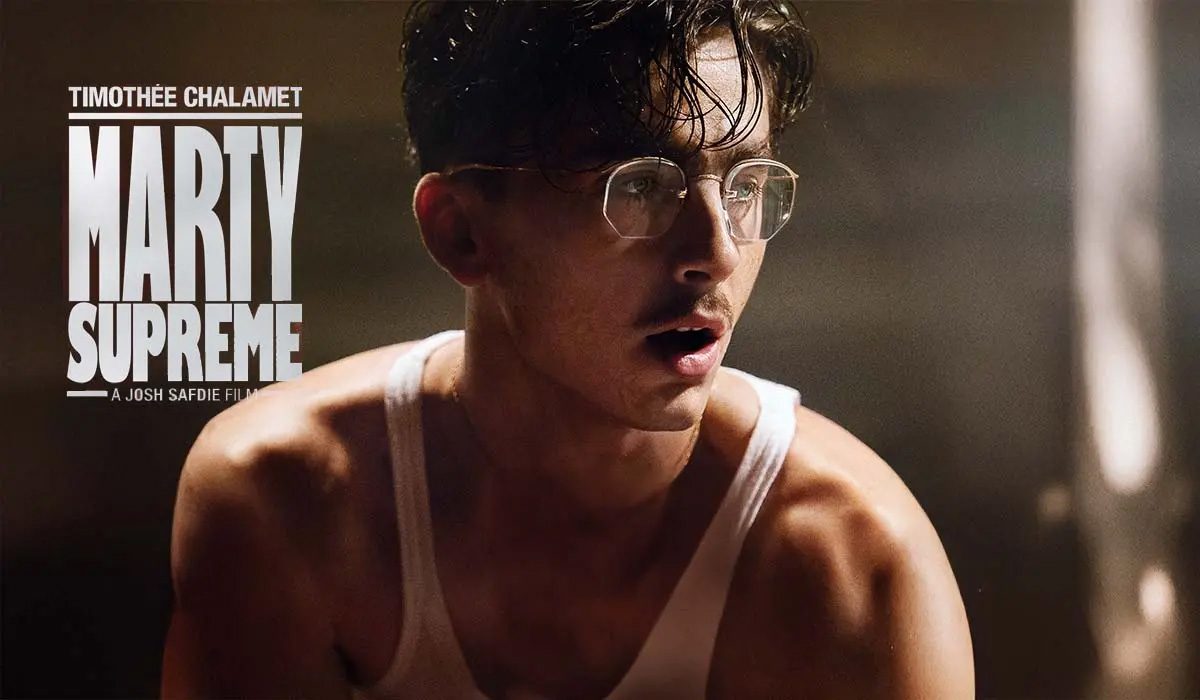
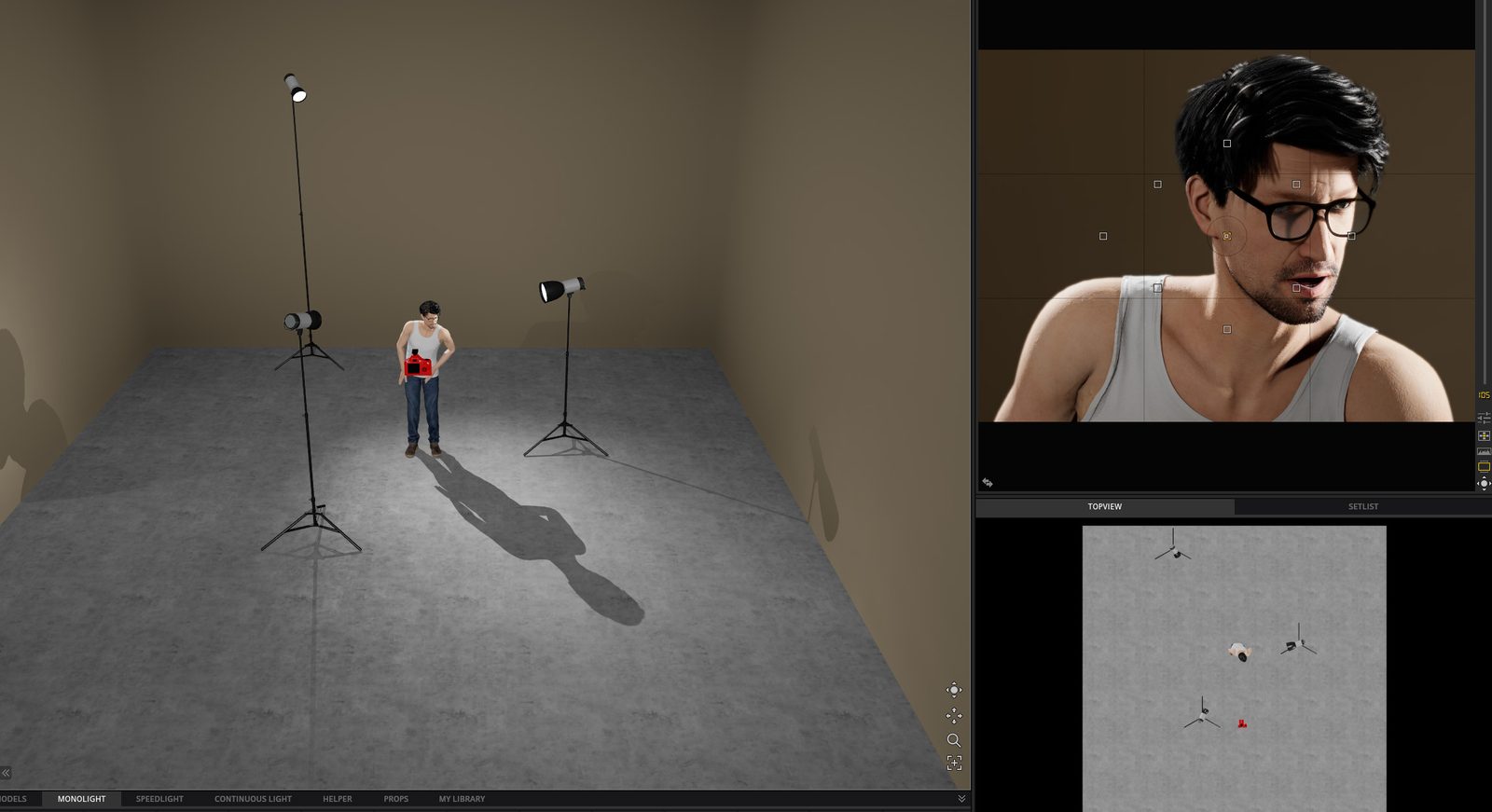
The promotional image for "Marty Supreme" presents a compelling study in the use of hard light to achieve dramatic effect. The photograph, characterized by its striking specular highlights and pronounced shadows, immediately suggests a deliberate choice against diffusion. Observational cues, such as the sharp shadows delineating the subject’s nose and those cast by his eyeglasses, reinforce this assessment.
The recreated lighting setup for this image employed a three-light configuration, all utilized without diffusion. A key element was a gridded light positioned to the subject’s right. The grid served to concentrate the light, directing focus to both his shoulders and the pronounced rim light on his face, creating a strong sense of definition and intensity. A similar, undiffused light was placed on the opposite side, contributing to the stark backlighting that is a recurring motif throughout the film. To mitigate the deepest shadows and ensure adequate exposure on the less illuminated side of the face, a fill light was introduced camera-left, balancing the contrast without sacrificing the image’s inherent hardness. This approach exemplifies how controlled hard light can evoke tension and highlight textural details, a technique frequently employed in high-stakes dramatic narratives.
Sinners – Key Group Scene: Crafting Atmosphere with Color
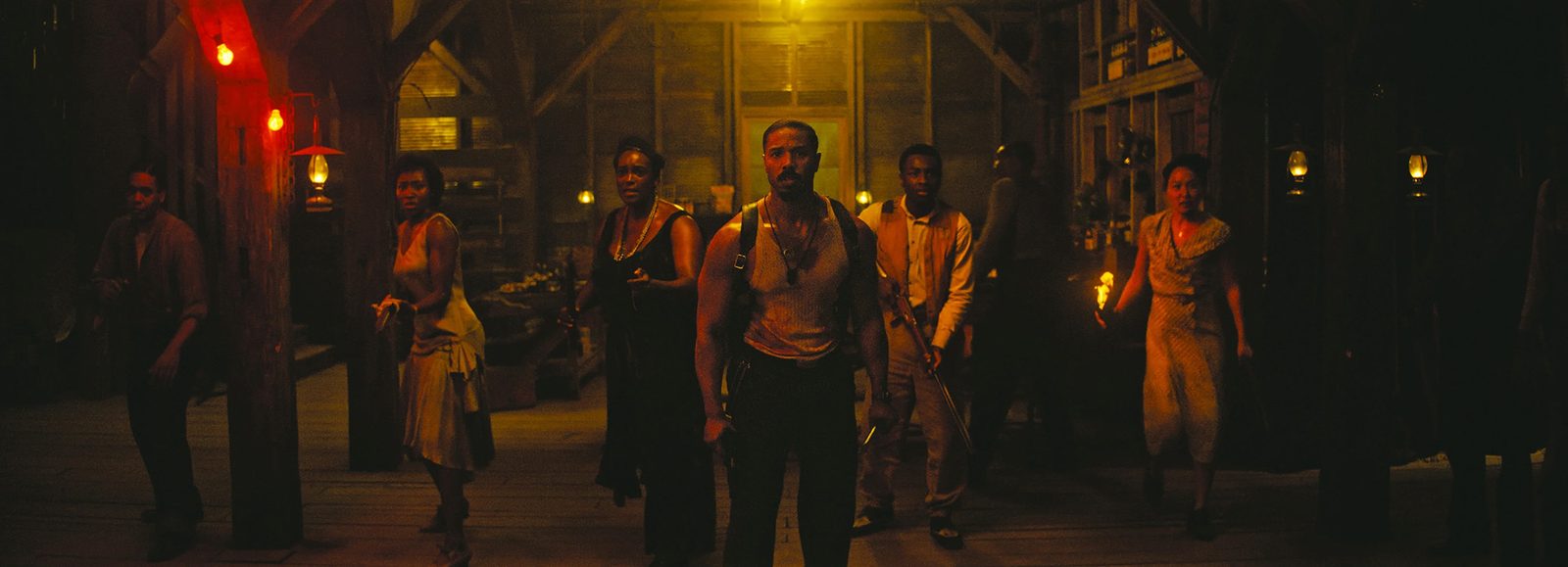
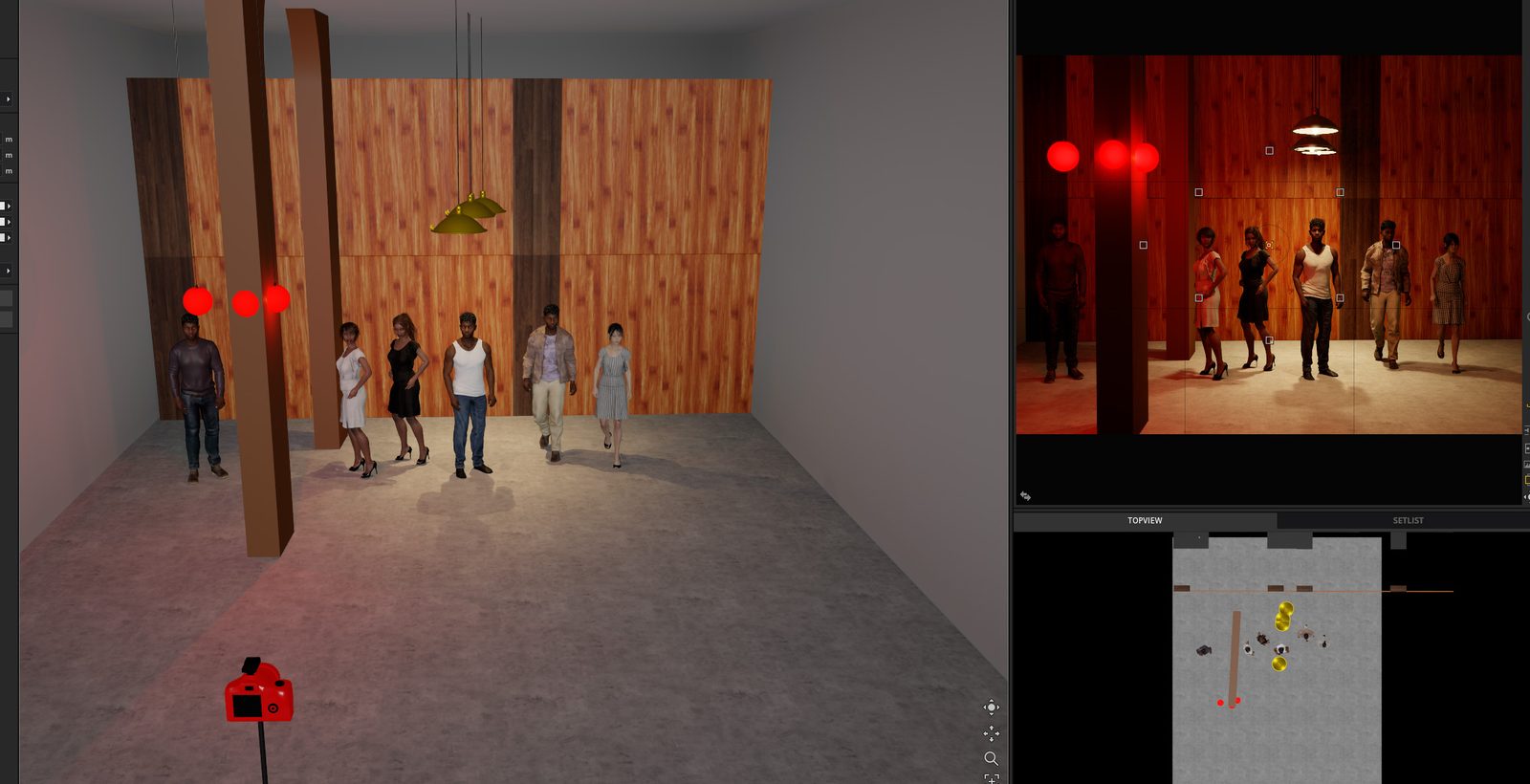
The pivotal group scene in the film "Sinners" is a masterclass in atmospheric lighting, particularly through the effective deployment of multicolored light sources. The scene, largely illuminated by various practical fires and an array of red and orange bulbs, exemplifies the intentional use of color temperature to forge a specific mood. Given its interior setting, the analytical process commenced with constructing a basic architectural model of the building. The structure itself plays a crucial role in framing the shot and introducing depth, essential for understanding the light’s interaction with the environment.
The placement of light sources was then meticulously referenced against the original scene, determining their precise positions relative to the subjects. Figures were arranged in a staggered pattern, a technique often used to create visual contrast and depth within a group shot, ensuring that individual faces and bodies were distinct yet harmoniously integrated. Subsequently, the in-frame lights were added, speculatively identified as Aputure B7c bulbs or similar RGBWW LED units, chosen for their ability to accurately replicate a broad spectrum of colors. Once the foundational placement was established, fine-tuning involved adjusting the power output of each light until the desired dramatic and emotional impact, mirroring the original cinematic vision, was achieved. This detailed breakdown highlights the deliberate artistry behind using colored light to convey narrative and emotional weight.
Oppenheimer – Hero Shot: The Drama of Contrast and Emotion
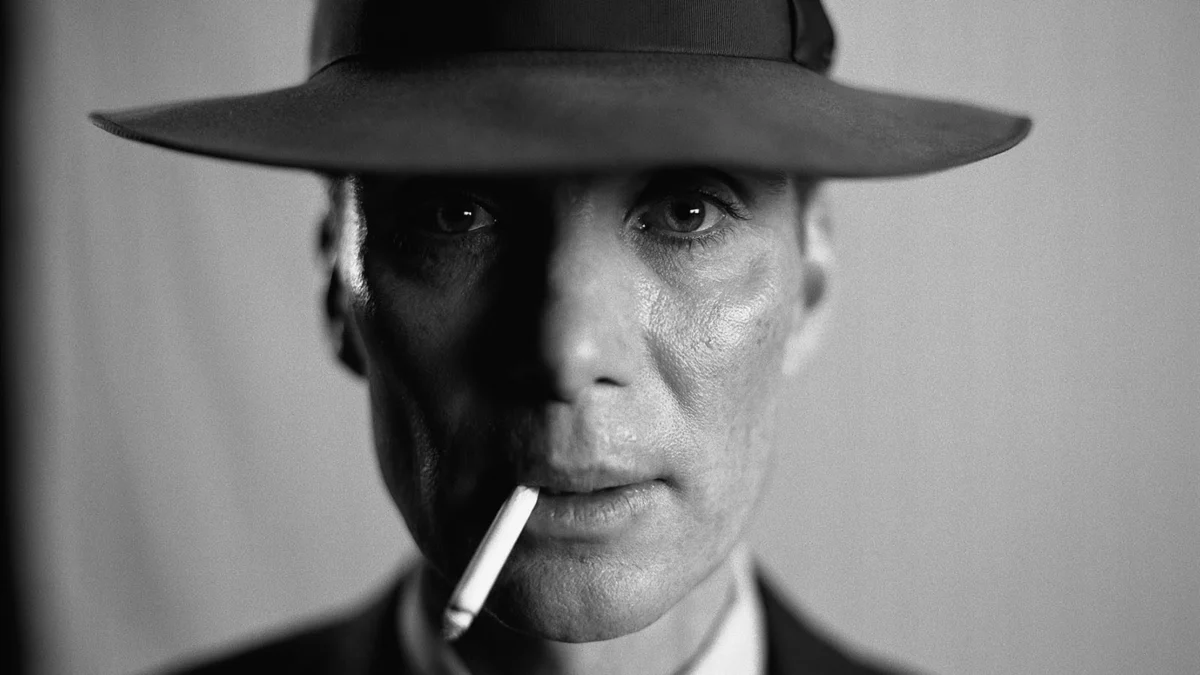
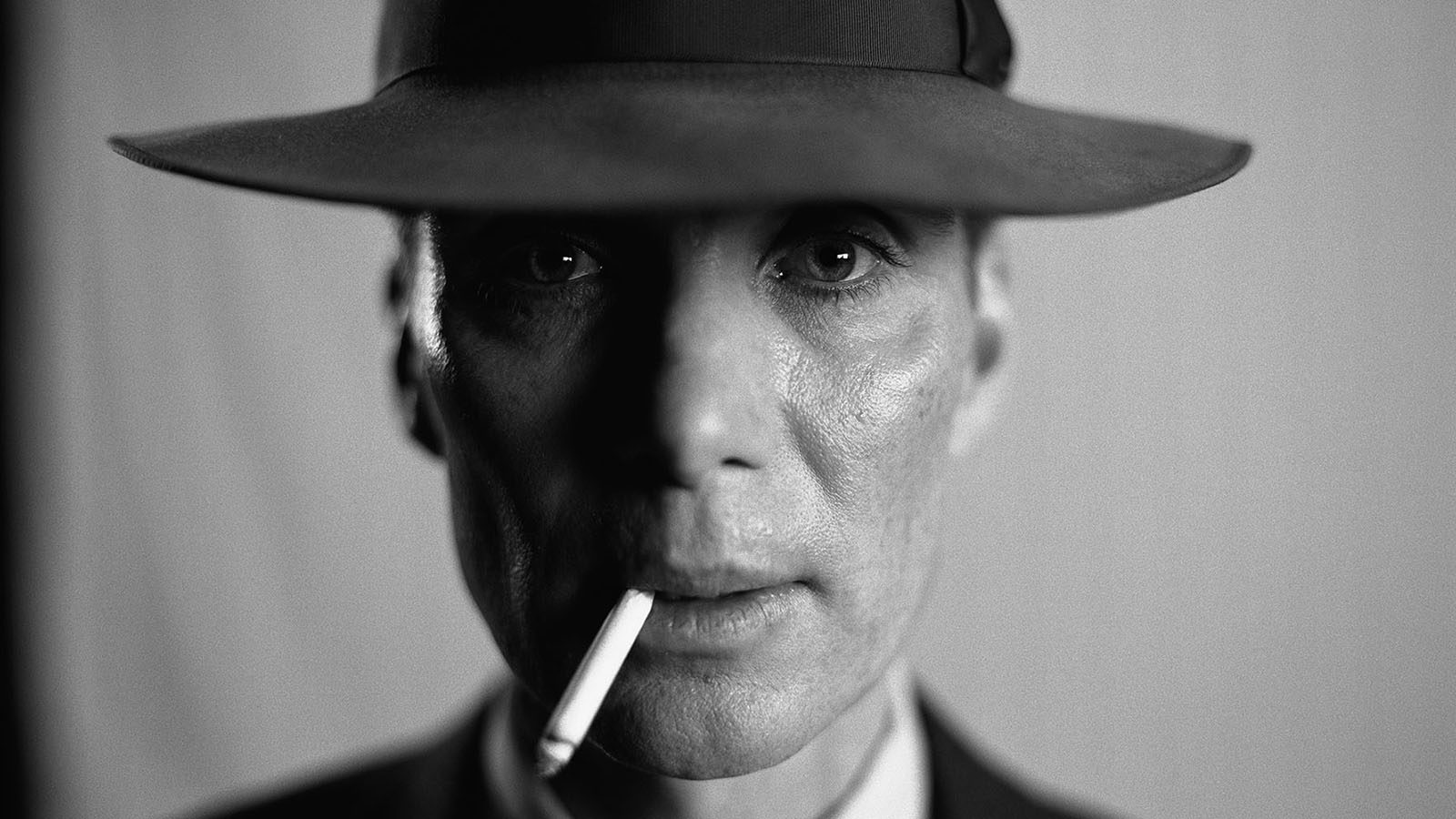
The iconic "hero shot" of Cillian Murphy as J. Robert Oppenheimer, widely used in the film’s promotional campaign, offers a compelling study in high-contrast dramatic lighting. The image masterfully employs a stark interplay of rim and split lighting shadows, imbuing the frame with profound drama. Crucially, the catchlights in Murphy’s eyes add layers of emotion and character, drawing the viewer into the psychological depth of the portrayal.
The lighting recreation for this shot began with a relatively small, gridded Octobox positioned camera-right. The grid’s function was to precisely control the light spread, preventing spill and ensuring sharp definition. The Octobox, while gridded, was chosen to create a slightly larger catchlight than a bare light, a subtle but effective technique for conveying heightened emotion and intensity in the subject’s eyes. To further enhance the contrast between highlights and shadows, a black blocking board was strategically placed close to the subject on camera-left. This negative fill effectively absorbed ambient light, deepening the shadows and emphasizing the dramatic fall-off. Finally, a bare light was introduced from behind and to the left, serving as a powerful rim light. This backlighting accentuated Murphy’s profile, separating him from the background and adding a final layer of dramatic contour. The overall effect is a testament to the power of controlled contrast in crafting a memorable and emotionally resonant portrait.
One Battle After Another – Lockjaw Scene: Narrative Through Atmospheric Hard Light
"One Battle After Another," celebrated for its masterful cinematography and poignant storytelling, garnered critical acclaim, including the Best Picture Oscar. While much of the film visually embraced natural light and on-location shooting, its night scenes, particularly those featuring Sean Penn’s antagonist, Lockjaw, stand out for their deliberate and impactful lighting design.
One such iconic scene featuring Lockjaw was selected for breakdown. The pronounced shadows on Sean Penn’s face clearly indicate the pervasive use of hard lights throughout the shot. The reconstruction commenced with the establishment of harsh rim lights on each side of the subject. Crucially, one of these rim lights was rendered with a distinct blue hue, cleverly signifying the presence of police car lights in the background – a subtle yet potent narrative cue. Following the setup of these defining rim lights, a bare light, powered down to a lower intensity, was positioned at the front. This served as a subtle fill light, preventing the shadows on Penn’s face from becoming absolute black, thus retaining some detail while preserving the scene’s inherently gritty, high-contrast aesthetic. An additional observation, the horizontal lens flare visible on the right side of the frame, strongly suggests the use of an anamorphic lens, a choice often made to impart a cinematic, widescreen feel and characteristic visual artifacts. This scene exemplifies how lighting, even when seemingly utilitarian, can powerfully contribute to character development and narrative tension.
Broader Implications for Film Education and Appreciation
This detailed deconstruction of lighting techniques holds significant implications for various stakeholders within the film ecosystem. For aspiring cinematographers, it provides a practical, hands-on method for learning from the masters. By actively analyzing and attempting to replicate these setups, students can develop a keener eye for light quality, direction, and its psychological impact. Furthermore, this exercise underscores the value of pre-visualization tools like set.a.light 3d in planning and executing complex lighting schemes, reducing guesswork and increasing efficiency on set.
For film enthusiasts and critics, understanding these underlying technical choices enriches the viewing experience, allowing for a more nuanced appreciation of a film’s artistic merit. It shifts the focus beyond merely "what happened" in a scene to "how it was made to feel," deepening engagement with the craft of filmmaking. The ability to identify hard versus soft light, key versus fill, and the purposeful use of color temperature transforms passive viewing into an active, analytical process.
The Evolving Landscape of Production Tools
The advent and accessibility of sophisticated software like set.a.light 3d democratize the learning process. Historically, such detailed analysis and pre-visualization were confined to high-budget productions with extensive pre-production phases. Now, independent filmmakers, students, and educators can experiment with complex lighting designs virtually, refining their vision before committing resources to physical setups. This technological advancement fosters innovation and allows for greater creative exploration, ultimately raising the bar for visual storytelling across all production levels.
This analytical deep dive serves as a powerful reminder that while cameras capture images, light creates them. The painstaking effort and artistic vision behind cinematic lighting are fundamental to a film’s success, shaping its mood, character, and narrative. The exercise encourages everyone, from casual viewers to seasoned professionals, to look beyond the surface and appreciate the masterful manipulation of light that brings stories to life on screen.
Are there specific scenes from recent cinematic works that have particularly resonated with you due to their lighting? Engaging in such analytical exercises can significantly enhance one’s understanding and appreciation of the art form. For those inspired to experiment with their own lighting designs, an extensive array of professional lighting equipment is available for rental, providing the tools necessary to translate theoretical knowledge into practical application.