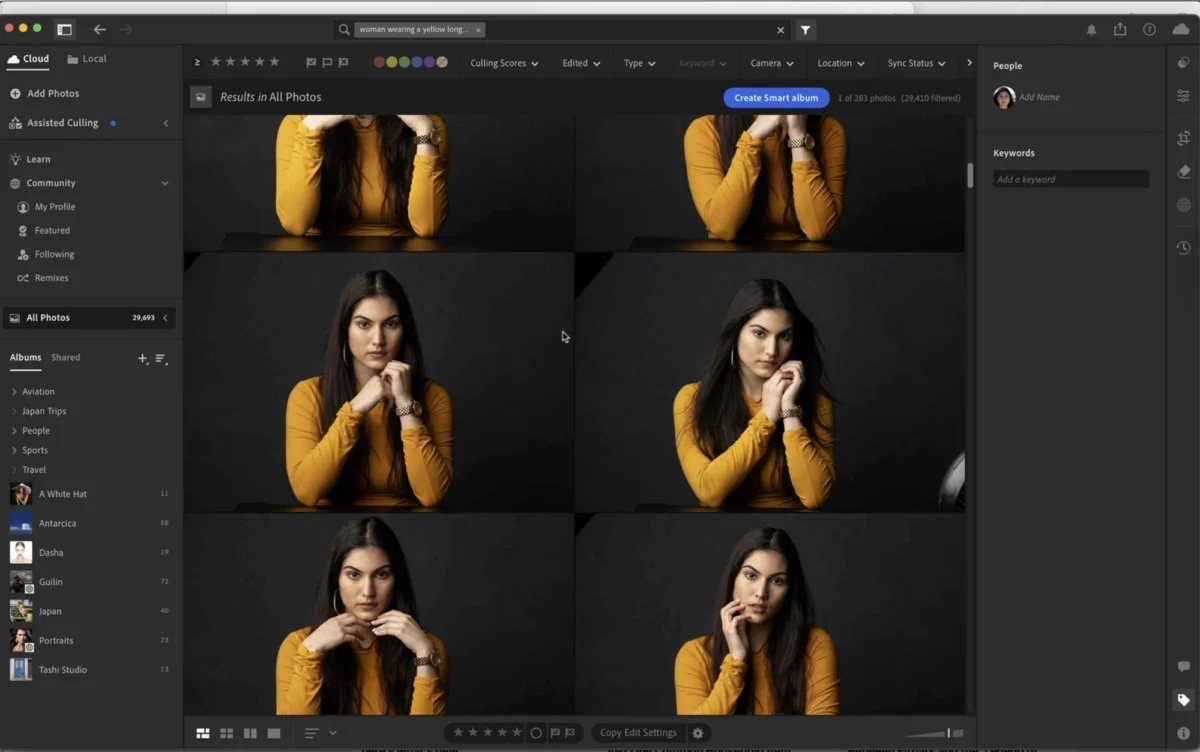
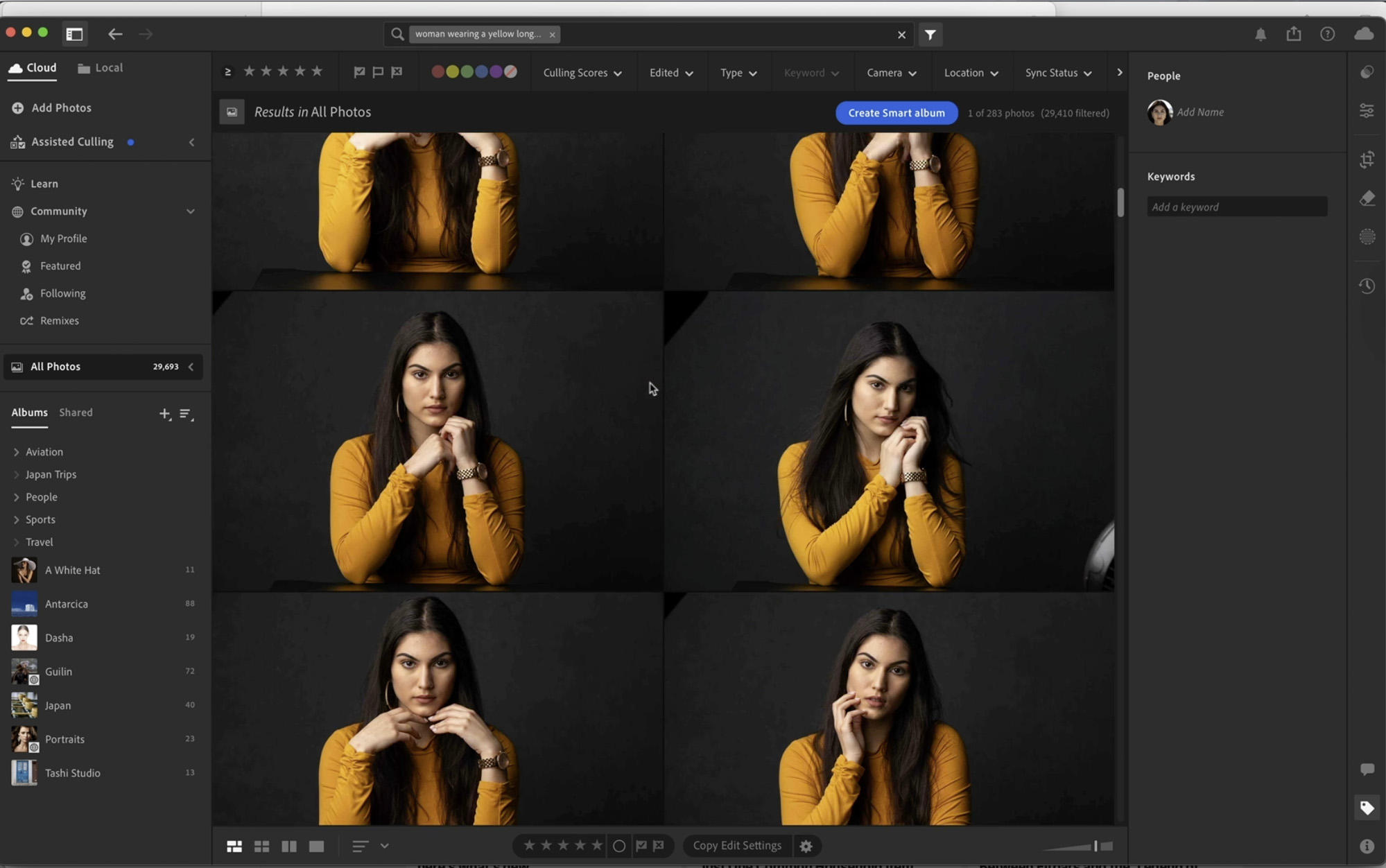
On February 24, 2026, Scott Kelby, a prominent figure in the photography and Adobe Lightroom community, unveiled a sneak peek of an unreleased Lightroom feature, positing it as a "game-changer" for photographers grappling with the arduous task of keywording. The announcement, disseminated through his widely followed platform, highlighted a forthcoming innovation designed to dramatically accelerate image retrieval, particularly for users who find traditional keywording processes cumbersome yet require rapid access to specific images within vast digital libraries. This "next-level stuff," as described by Kelby, signals a significant advancement in digital asset management integrated directly into Adobe’s flagship photo editing and organization software.
The Persistent Challenge of Digital Asset Management (DAM)
For decades, photographers, both professional and amateur, have faced the escalating challenge of organizing ever-growing digital image collections. The proliferation of high-resolution cameras, continuous shooting modes, and mobile photography has led to individuals accumulating thousands, often hundreds of thousands, of images. The ability to efficiently locate a specific photograph from such an extensive archive is paramount for creative workflow, client delivery, and long-term asset preservation.
Traditionally, digital asset management has relied heavily on manual methods:
- Folder Structures: While foundational, hierarchical folder systems often prove rigid and inefficient for cross-category searches. An image of a "red car at sunset" might reside in a "Sunset" folder, a "Cars" folder, or a "Vacation 2025" folder, making it discoverable only if the user remembers its specific storage location.
- Manual Keywording: The most robust method to date involves assigning descriptive keywords (tags) to each image. For instance, an image might be tagged with "sunset," "beach," "ocean," "couple," "romantic," "golden hour," etc. While powerful, this process is notoriously time-consuming and often inconsistent. A professional photographer might spend hours, if not days, after a major shoot simply inputting metadata. The sheer volume of images often leads to "keyword fatigue," resulting in sparse or omitted tags, rendering large portions of an archive effectively unsearchable by theme or content.
- Metadata Fields: EXIF (Exchangeable Image File Format) and IPTC (International Press Telecommunications Council) metadata offer structured fields for information like camera settings, date, location, and copyright. While essential, these fields do not inherently describe the visual content or semantic meaning of an image.
The lack of efficient search mechanisms directly impacts productivity and creative potential. Photographers often find themselves recreating shots because they cannot quickly locate a similar image they know they possess, or they miss out on commercial opportunities because their vast archives are not adequately indexed for licensing or stock photography platforms. The "needle in a haystack" problem is a universal frustration, making any solution that streamlines image discovery a highly anticipated development.
Adobe’s Strategic Integration of Artificial Intelligence
Adobe’s foray into Artificial Intelligence (AI) and Machine Learning (ML) is not a recent phenomenon but a strategic evolution embedded across its Creative Cloud suite. The company’s Sensei AI platform serves as the backbone for numerous intelligent features that have progressively automated complex tasks, enhanced creative possibilities, and streamlined workflows. This background provides crucial context for understanding the plausibility and potential impact of the new Lightroom feature.
Over the past several years, Adobe has introduced groundbreaking AI-powered functionalities in applications like Photoshop and Lightroom, demonstrating a clear commitment to leveraging advanced computing for creative solutions:
- Content-Aware Fill (Photoshop): An early and widely lauded AI feature that intelligently removes unwanted objects or fills selections by analyzing surrounding pixels, dramatically simplifying complex retouching tasks.
- Sky Replacement (Photoshop): Allows users to quickly select and replace skies in images, automatically adjusting lighting, shadows, and reflections to match the new sky.
- Super Resolution (Lightroom/Camera Raw): Utilizes AI to intelligently upscale images, doubling their linear resolution while maintaining or even enhancing detail, particularly beneficial for cropping or printing large formats.
- Enhanced Masking Tools (Lightroom): AI-driven selections for subjects, skies, and objects have revolutionized local adjustments, allowing for precise edits with minimal manual effort.
- Neural Filters (Photoshop): A suite of AI-powered filters that enable users to perform advanced edits like portrait adjustments, landscape mixing, and style transfers with remarkable ease and speed.
These innovations illustrate Adobe’s consistent approach: identify a complex, time-consuming, or technically challenging task for creatives, and then apply AI to simplify or automate it. The problem of manual keywording aligns perfectly with this pattern, making an AI-driven solution a logical next step in Lightroom’s development. The announcement by Scott Kelby, known for his close ties and training collaborations with Adobe, further underscores the legitimacy and strategic importance of this upcoming feature.
Deconstructing the "Next-Level" Feature: Inferred Capabilities and Mechanism
While specific technical details of the unreleased feature remain under wraps, Scott Kelby’s description — "hates keywording but wants to get to images fast" and "next-level stuff" — strongly implies an AI-powered content analysis and semantic search capability. This would represent a significant leap beyond existing organizational tools, offering a more intuitive and powerful way to interact with image libraries.

Based on current AI advancements and Adobe’s trajectory, the inferred capabilities of this feature likely include:
-
Automated Content Recognition and Tagging:
- Object Detection: The AI would automatically identify and tag prominent objects within an image (e.g., "tree," "car," "person," "building," "mountain," "flower").
- Scene Understanding: Beyond individual objects, the system would recognize the broader context or scene (e.g., "beach," "cityscape," "forest," "wedding," "sports event," "portrait").
- Attribute Recognition: Identification of descriptive attributes such as colors ("blue sky," "red dress"), lighting conditions ("golden hour," "night," "studio light"), and potentially even emotions ("happy," "serious").
- Activity Recognition: Identifying actions or events depicted (e.g., "running," "eating," "dancing," "playing").
- Facial Recognition and Grouping: While Lightroom already has basic face recognition, this new feature might enhance its accuracy, speed, and ability to identify individuals across different images and contexts more reliably.
-
Semantic Search and Natural Language Processing (NLP):
- The most significant departure from traditional keywording would be the ability to perform highly specific and nuanced searches using natural language queries. Instead of typing individual keywords like "sunset" AND "beach" AND "couple," a user could potentially type a query like: "Find all images of a couple walking on a beach at sunset with warm light."
- The AI would then interpret the semantic meaning of the query, cross-reference it with its comprehensive analysis of the image content, and present relevant results. This moves beyond simple keyword matching to understanding the intent behind the search.
-
Intelligent Categorization and Smart Collections:
- The system could automatically suggest or create smart collections based on identified themes, subjects, or events, providing a dynamic and adaptive organization structure.
- For instance, after importing a new batch of photos, Lightroom might automatically suggest tags like "Winter Holiday 2025" or "Family Gathering" based on content, dates, and people identified.
This "next-level" functionality would effectively shift the burden of tagging from the user to the software, allowing photographers to focus on capturing and refining images rather than meticulously cataloging them. It represents a paradigm shift from manual input to intelligent automation, making vast archives not just stored, but truly accessible.
Impact on Photography Workflows and Productivity

The introduction of such an AI-powered organizational feature in Lightroom holds profound implications for photographers and their creative and commercial endeavors:
-
Dramatic Time Savings: The most immediate and tangible benefit would be the significant reduction in time spent on post-production administrative tasks. What previously took hours or days of manual keywording could potentially be accomplished in minutes, freeing up valuable time for shooting, editing, client communication, or personal creative pursuits. For a professional photographer managing hundreds of thousands of images over a career, this could translate into weeks or months of reclaimed productivity.
-
Enhanced Discoverability and Monetization:
- Unlocking Archives: Many photographers have "dark archives" – images that are technically stored but practically inaccessible due to poor organization. This feature would illuminate these archives, making forgotten gems discoverable and potentially repurposable for new projects or sales.
- Stock Photography: For those who license images through stock agencies, robust and accurate keywording is crucial for visibility. Automated, intelligent tagging would ensure images are properly indexed, increasing their chances of being found by buyers and boosting potential revenue.
- Client Work: Quickly finding specific images for client requests or portfolio presentations becomes effortless, enhancing professionalism and responsiveness.
-
Streamlined Creative Process: By removing the mental burden of organization, photographers can maintain a more fluid creative flow. The ability to quickly pull up visual references or past work based on content rather than memory can inspire new ideas and accelerate project development.
-
Democratization of Advanced DAM: High-end Digital Asset Management systems with sophisticated search capabilities have historically been costly and complex, often reserved for large enterprises. Integrating advanced AI-driven DAM directly into Lightroom makes these powerful tools accessible to every photographer, leveling the playing field and raising the standard for personal and small business photo organization.
-
Improved Archival Integrity: Consistent and comprehensive tagging, even if automated, contributes to the long-term integrity and usability of digital archives, ensuring that images remain accessible and understandable for future generations.

Industry Context and Competitive Landscape
While consumer-grade photo applications like Google Photos and Apple Photos have offered AI-driven search capabilities for several years (e.g., searching for "dogs," "food," "mountains," or specific faces), these solutions are generally designed for casual users and often lack the precision, control, and integration required by professional photographers. Their metadata handling, export options, and integration with professional editing workflows are typically limited.
Adobe’s entry into this advanced AI-driven organization space within Lightroom positions it uniquely. Unlike standalone DAM solutions or consumer apps, Lightroom is already central to the workflow of millions of photographers globally, serving as the hub for import, organization, editing, and output. Integrating "next-level" AI search directly into this ecosystem means:
- Seamless Workflow: Photographers won’t need to export images to a separate platform for advanced search, maintaining a unified and efficient workflow.
- Professional-Grade Accuracy: Given Adobe’s track record, the AI is expected to be highly accurate and context-aware, catering to the nuanced demands of professional image management.
- Metadata Integration: The AI-generated tags and metadata will likely be fully editable, exportable, and integrated with existing IPTC/EXIF standards, crucial for professional use.
This move by Adobe is not just about convenience; it’s about maintaining its leadership in a rapidly evolving creative technology landscape where AI is becoming an indispensable tool. It anticipates and responds to the growing demand from its professional user base for smarter, more automated solutions to complex problems.
Adobe’s Strategic Direction and Influencer Collaboration
Adobe’s decision to allow an industry luminary like Scott Kelby to provide a "sneak peek" of this unreleased feature is a calculated strategic move. Kelby, known for his extensive training materials, books, and online presence, holds significant sway within the Adobe user community. His endorsement as a "game-changer" immediately generates buzz, builds anticipation, and lends credibility to the feature even before its official announcement. This strategy leverages the trust and influence of community leaders to gauge user reaction and build excitement.

The timing of such sneak peeks often precedes major product updates or announcements, typically aligning with events like Adobe MAX, the company’s annual creativity conference, where new features are officially unveiled and detailed. The date of Kelby’s post, February 24, 2026, suggests that a formal rollout or further details might be expected in the coming months, possibly in late 2026 or early 2027, depending on Adobe’s development and release cycles. This approach allows Adobe to control the narrative, build a strong foundation of anticipation, and gather preliminary feedback from a passionate user base.
Anticipation and Future Outlook
The unveiling of this "next-level" Lightroom feature marks a pivotal moment in the evolution of digital asset management for photographers. While specific details surrounding its release date, full functionality, and pricing structure remain forthcoming, the promise of an AI-driven solution to the long-standing challenge of keywording has ignited significant anticipation within the photography community.
As AI continues to advance, the integration of such sophisticated tools within core creative applications like Lightroom will only deepen. Future iterations might see even more personalized recommendations, predictive organization based on user habits, or deeper integration with other Adobe services. The ongoing dialogue between Adobe and its user base, often facilitated by influencers like Scott Kelby, will undoubtedly shape the development and refinement of these critical tools.
This forthcoming feature, once fully implemented, has the potential to redefine how photographers interact with their archives, empowering them to reclaim valuable time, unlock hidden creative potential, and navigate their vast collections with unprecedented speed and precision. The wait for official details and the ultimate rollout will be keenly observed by a community eager to embrace this promised "game-changer."