Passerine birds, often known as perching birds, form the largest and most diverse avian order, Passeriformes, encompassing over 6,500 species—more than half of all known bird species globally. These agile creatures, instantly recognizable by their specialized anisodactyl toe arrangement (three toes pointing forward and one backward for optimal perching), inhabit an astonishing array of environments, from bustling urban gardens and dense ancient forests to expansive open fields across every continent except Antarctica. Their ubiquity and vibrant behaviors make them a perennially captivating subject for wildlife photographers, offering both a significant technical challenge and immense artistic reward.

The Diverse World of Passeriformes: An Ecological Overview
The order Passeriformes is a testament to evolutionary success, with its members displaying an incredible range of adaptations. From the diminutive, insectivorous wrens to the larger, seed-eating finches and the melodious thrushes, passerines play crucial roles in ecosystems worldwide. They contribute significantly to seed dispersal, pollination, and insect control, acting as vital bioindicators of environmental health. Their diverse diets include insects, seeds, nectar, fruit, and even small vertebrates, reflecting their adaptability to various ecological niches.

The unique toe structure is a key evolutionary advantage, enabling them to grip branches, reeds, and even vertical surfaces with remarkable stability. This anatomical feature is central to their "perching bird" moniker and facilitates their often acrobatic movements through dense foliage. Their vocalizations are equally diverse, ranging from simple contact calls to complex, species-specific songs used for territorial defense and mate attraction. Ornithologists and bird enthusiasts often leverage these distinct vocal patterns for identification, especially when visual confirmation is difficult.
The Rise of Accessible Wildlife Photography: Passerines in Focus

In an era of increasing interest in nature and outdoor pursuits, backyard bird photography has surged in popularity. Passerine birds, by virtue of their widespread presence, offer an accessible entry point for aspiring wildlife photographers. Unlike larger, more elusive species, many passerines frequent human-modified landscapes, including gardens and parks, making them ideal subjects for observation and photography without requiring extensive travel or specialized permits. This accessibility, however, belies the technical demands of capturing these small, fast-moving subjects. The vibrant goldfinch, the familiar robin, the energetic chickadee, and the soaring swallow are just a few examples of species that, despite their commonality, present a dynamic photographic challenge that yields deeply rewarding images.
Cultivating an Optimal Environment: Attracting Passerines for Photography

Successful passerine photography often begins with creating an inviting habitat. Understanding and catering to their needs for food, water, and shelter can significantly increase photographic opportunities, transforming a garden or local patch into a vibrant outdoor studio.
-
Establishing a Strategic Feeding Station:
Feeding stations are arguably the most effective tool for attracting a diverse range of passerines, particularly during lean periods such as winter or harsh weather conditions when natural food sources are scarce. The increased competition during these times can also lead to more dynamic and photographically engaging interactions between birds.
- Food Variety: Offering a diverse selection of high-quality food is crucial. Black oil sunflower seeds are a universal favorite, attracting many finches, tits, and sparrows. Nyjer seeds are particularly appealing to smaller finches like goldfinches. Suet cakes provide essential fats and energy, especially in cold weather, drawing woodpeckers, nuthatches, and various tit species. Mealworms can attract insectivores like robins and wrens. Fruits, such as berries or apple slices, may tempt thrushes and waxwings.
- Feeder Placement: Strategic placement is key for both bird safety and photographic advantage. Position feeders in areas that receive ample natural light, ideally with soft, diffused morning or late afternoon sun. Avoid the middle of wide-open spaces, as passerines are naturally wary and prefer the security of nearby foliage, trees, or shrubs for cover and escape routes from predators. Consider the background—a distant, uncluttered backdrop will create a pleasing bokeh effect.
- Hygiene Protocols: Feeder hygiene is paramount to prevent the spread of diseases among bird populations. Regular cleaning with a mild bleach solution (one part bleach to nine parts water) followed by thorough rinsing and drying is essential. The frequency should increase during warmer months or periods of high bird activity.
-
The Allure of a Water Source:
A reliable water source is as vital as food for birds, attracting species that may not visit feeders. It also provides exceptional opportunities for unique photographic moments.- Bird Baths and Drippers: A simple bird bath can be a magnet for bathing and drinking. Adding a dripper or mister can make the water more appealing by creating movement and sound.
- Reflection Pools: For photographers, a shallow reflection pool can be particularly rewarding. A large, rectangular planting tray filled with water and positioned carefully can create stunning mirrored images. Placing a rock or log within the pool provides a natural perch. Critically, consider the reflections: aim for reflections of distant trees or soft foliage rather than bright, overpowering sky, which can create blown-out highlights and detract from the subject.
-
The Perfect Perch: Enhancing the Aesthetic:
The environment surrounding the feeding station, especially the perches, plays a critical role in the aesthetic quality of your images.
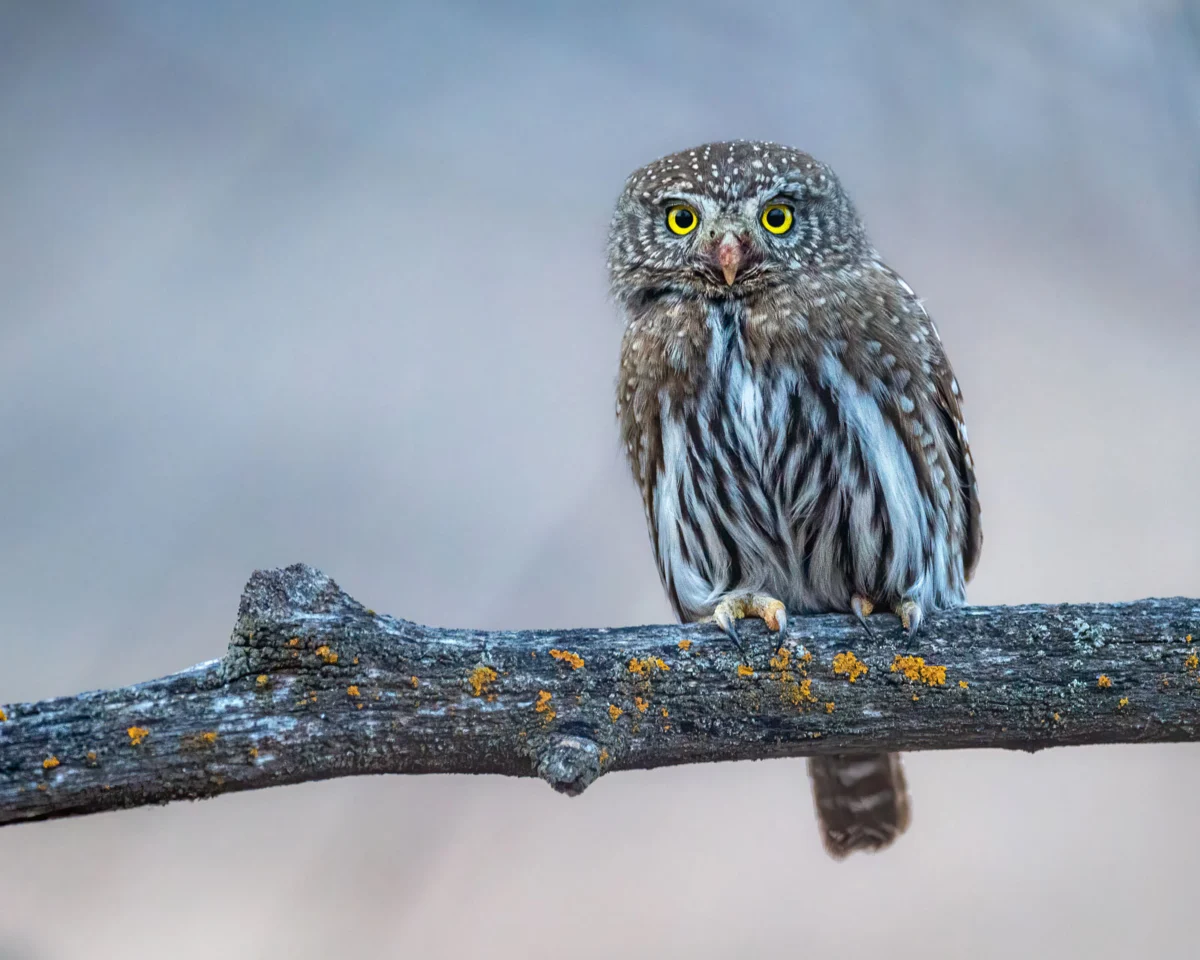
- Sourcing Natural Perches: Actively seek out natural branches, twigs, or even flowering plants that are aesthetically pleasing and complement the birds’ natural habitat. Moss-covered branches, lichen-encrusted logs, or a sprig of blossom in spring can transform a simple portrait into a captivating scene. Ensure the chosen perches appear natural and not contrived, avoiding anything that looks out of place.
- Strategic Positioning: Position perches to receive optimal natural light, allowing for experimentation with front-lighting, side-lighting, or even dramatic backlighting during the golden hour. Overcast days, with their soft, diffused light, are excellent for highlighting intricate feather details and subtle colors without harsh shadows.
- Backgrounds and Depth: To achieve a professional, uncluttered look, ensure backgrounds are sufficiently distant to be rendered completely out of focus (bokeh). The degree of blur depends on your lens’s focal length and aperture. A long focal length and wide aperture (e.g., f/2.8-f/5.6) will maximize background separation. Pay attention to background colors, seeking those that complement the subject rather than distracting from it. Utilizing areas of deep shadow can create a dramatic, dark background, making the bird stand out with striking impact.
Mastering the Lens: Essential Camera Settings for Passerine Photography
Photographing passerines demands technical precision and swift camera handling due to their diminutive size and rapid, erratic movements.

- Shutter Speed: Freezing the Action:
For static passerine portraits, a minimum shutter speed of 1/1000th of a second is recommended to effectively freeze any slight movement. For capturing birds in flight, or dynamic actions like taking off or landing, this speed must be increased significantly, often to 1/2500th of a second or even faster (e.g., 1/3200s or 1/4000s) to render sharp wings and eliminate motion blur. - Aperture: Controlling Depth of Field:
A wide aperture, typically ranging from f/2.8 to f/5.6, is ideal for creating a shallow depth of field. This isolates the bird from its surroundings, ensuring it remains the sharp focal point while the background beautifully blurs into a creamy bokeh. When shooting frame-filling portraits, however, where the bird is very close and occupies a significant portion of the frame, you might need to stop down slightly (e.g., f/8) to ensure that both the eye and crucial chest feather details are sharp, as depth of field becomes extremely narrow at very close distances. For multiple birds in the frame, a slightly smaller aperture might also be necessary to keep all subjects acceptably sharp. - ISO: Embracing Sensitivity:
Modern cameras handle high ISO settings remarkably well, making it acceptable—and often necessary—to increase ISO in low-light conditions. Prioritize achieving critical sharpness over minimizing noise. A sharp image with some visible noise is almost always preferable to a clean, noise-free image that lacks focus or suffers from motion blur. Contemporary post-processing software also offers excellent noise reduction capabilities. - Autofocus Modes: Precision and Speed:
- Continuous Autofocus (AI Servo/AF-C): This mode is indispensable for tracking moving birds, constantly adjusting focus as the subject moves towards or away from the camera.
- Eye Detection Focus: Many advanced mirrorless cameras feature sophisticated eye-detection AF, which can be exceptionally effective at locking onto and tracking a bird’s eye. However, in cluttered environments or with very small/fast birds, it may struggle.
- Single-Point or Group Focus: When eye-detection struggles, switching to a single-point or small group AF mode, positioned at the center of the frame, can offer maximum accuracy, allowing the photographer to precisely place the focus point on the bird’s eye.
- Back-Button Focus: Separating the autofocus activation from the shutter button allows for greater control, enabling photographers to pre-focus on a perch and then fire bursts of shots as a bird enters that plane of focus, particularly useful for capturing birds in flight or landing.
- Burst Mode: Maximizing Opportunities:
Utilize continuous high-speed shooting mode (burst mode) to capture a rapid sequence of frames. Passerines are unpredictable, and burst mode significantly increases the chances of capturing that split-second peak action, a subtle head tilt, or a perfect wing position.
Composition and Framing: Crafting Visually Striking Images
Beyond technical settings, strong composition is paramount in transforming a snapshot into a compelling photographic narrative. Thoughtful visualization before pressing the shutter is key.

- The Rule of Thirds: Imagine dividing your frame into nine equal segments with two horizontal and two vertical lines. Positioning your subject or key compositional elements along these lines or at their intersections (power points) often creates a more dynamic and aesthetically pleasing image than centering the subject.
- Incorporating the Environment: Instead of simply isolating the bird, integrate elements of its natural habitat to tell a richer story. Leaves, flowers, berries, or even a glimpse of the surrounding landscape can provide context, depth, and a sense of place.
- Eye-Level Perspective: Getting down to the bird’s eye level creates a more intimate and engaging connection between the subject and the viewer. It allows for a more natural perspective, as if the viewer is part of the bird’s world.
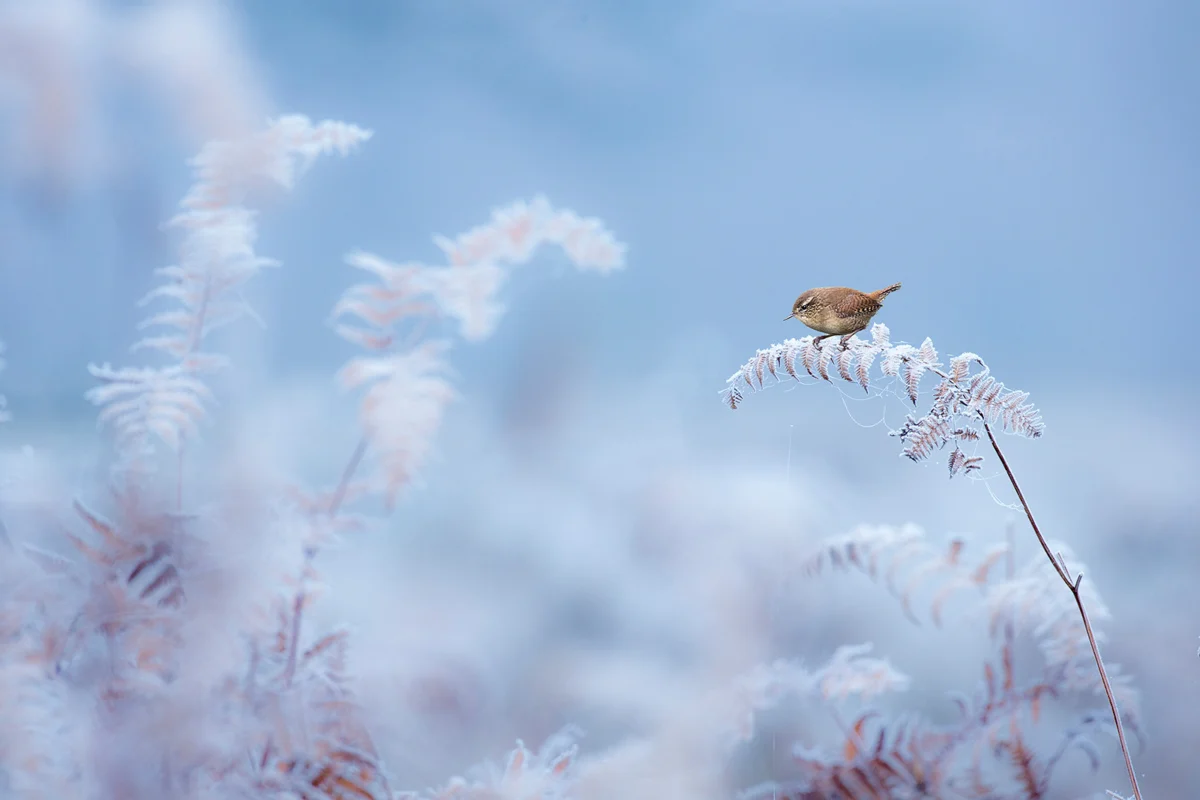
- Negative Space: Deliberately leaving empty space around the bird can emphasize its isolation, highlight its small size within a vast environment, or draw attention to its movement into the frame. This technique is particularly effective in minimalistic compositions, such as a bird on a snow-covered branch.
- Leading Lines: Utilize natural lines within the scene—branches, tree trunks, fences, or even patterns in the snow—to guide the viewer’s eye towards the main subject, adding depth and direction to the composition.
- Color and Texture: Be mindful of the interplay of colors and textures between the bird and its surroundings. Seek backgrounds and perches that complement the bird’s plumage, enhancing its beauty rather than clashing with it. Areas of shadow can also be used creatively to simplify backgrounds and add drama.
Unveiling Behavior: The Art of Storytelling Through Observation
Beyond static portraits, capturing the diverse behaviors and interactions of passerines elevates photography to storytelling. Patience and keen observation are the photographer’s greatest allies.

- Understanding Fieldcraft: Wildlife photography experts consistently emphasize that deep knowledge of your subject’s behavior is as important as technical skill. Spend time observing patterns: when do they feed? What are their preferred perches? How do they interact with other birds? This understanding allows for anticipation, enabling you to be ready for those fleeting moments.
- Documenting Key Behaviors:
- Feeding Habits: Capture birds actively foraging, cracking seeds, or consuming insects. Interactions over food, especially during harsh weather, can create dramatic action shots.
- Vocalizations: During breeding season, many passerines (e.g., robins, wrens, blackbirds, song thrushes) sing vigorously to defend territories and attract mates. A bird caught mid-song, with its beak open, conveys a powerful sense of its natural world.
- Flocking and Fights: Passerines often congregate in flocks, particularly outside the breeding season. These gatherings can offer dynamic opportunities for capturing collective movement or intense territorial disputes.
- Parental Care: Observing parents feeding chicks or teaching fledglings to fly offers heartwarming and poignant imagery. Ethical considerations are paramount here; maintain extreme distance and avoid any disturbance to nesting or fledgling birds. Only photograph if there is absolutely no risk of causing stress or abandonment. Often, parents will bring fledglings to garden feeders, providing accessible, ethical photo opportunities.
- Bathing and Preening: Birds frequently clean themselves, splashing vigorously in water or meticulously arranging their feathers. These intimate moments offer chances for both action shots and detailed close-ups.
- Flight: Capturing birds in various stages of flight—taking off, landing, or hovering—requires fast shutter speeds and excellent tracking skills, yielding some of the most spectacular and challenging images.
The Photographer’s Arsenal: Recommended Equipment
While passion and patience are key, suitable equipment can significantly enhance the success rate in passerine photography.

- Camera Body: A DSLR or mirrorless camera with rapid autofocus and a high continuous shooting rate (10+ frames per second) is ideal. Mirrorless cameras often offer advantages like silent shooting, advanced eye-detection AF, and electronic viewfinders that show exposure in real-time.
- Lenses: A telephoto lens of at least 300mm is essential for photographing birds without disturbance. Lenses in the 500mm-600mm range are often preferred for their ability to compress backgrounds and isolate subjects. Tele-zoom lenses (e.g., 150-600mm) offer versatility in framing, while prime lenses (e.g., 400mm f/2.8) often provide superior image quality and low-light performance. Teleconverters can extend the reach of a lens but come with a slight reduction in light and potential loss of sharpness.
- Tripod and Head: A sturdy tripod is indispensable for stability, especially with long telephoto lenses, minimizing camera shake and reducing photographer fatigue during long sessions. A gimbal head is highly recommended for telephoto lenses, allowing for smooth, fluid tracking of moving subjects with minimal effort.
- Hides and Camouflage: Utilizing a portable hide, camouflage netting, or a purpose-built bird photography hide can significantly increase proximity to birds without disturbing them. The ability to blend into the environment allows for more natural behavior and closer observations.
- Accessories: A remote shutter release minimizes camera vibration, especially when pre-focusing. High-speed memory cards are crucial for handling burst mode photography, and always carry spare batteries, as cold weather can rapidly drain them. A beanbag can provide stable support for cameras on low surfaces or in hides.
Ethical Considerations and Conservation Impact
The pursuit of stunning wildlife images must always be balanced with a strong commitment to ethical practices and the well-being of the birds.

- Minimizing Disturbance: Maintain a respectful distance and avoid any actions that could stress, alter the behavior of, or endanger birds, particularly during nesting season. Never disturb nests or young birds.
- Responsible Feeding: While feeding stations are beneficial, ensure the food offered is appropriate and feeders are meticulously cleaned to prevent disease transmission. Avoid "baiting" with unnatural or harmful substances.
- Habitat Preservation: Recognize that the best photography often occurs in healthy habitats. Support conservation efforts and advocate for the protection of natural spaces.
- Citizen Science: Wildlife photographers can contribute valuable data to citizen science projects by reporting sightings and behaviors, aiding ornithological research and conservation strategies.
- Raising Awareness: Compelling images of passerines can serve as powerful tools for conservation, inspiring others to appreciate and protect these vital components of our natural world.
Conclusion
Passerine bird photography is a journey that intertwines technical mastery with artistic vision and profound patience. It is an invitation to connect with nature, to observe the intricate lives of these common yet extraordinary birds, and to capture their essence through the lens. From the initial thrill of identifying a new species by its song to the triumphant moment of freezing a bird in flight, the process offers endless learning and creative satisfaction. By understanding their behavior, establishing an optimal photographic environment, mastering camera settings, and adhering to ethical guidelines, photographers can create breathtaking images that not only showcase the beauty and charm of passerine birds but also foster a deeper appreciation for the natural world and inspire its preservation. So, arm yourself with knowledge, grab your camera, and step into the enchanting world of passerine photography—a rewarding endeavor that awaits just outside your door.