Macro wildlife photography, an increasingly popular and profoundly rewarding discipline within the broader photographic arts, is revolutionizing how we perceive the natural world. By meticulously focusing on subjects often overlooked due to their diminutive size, this specialized field unearths a universe of astonishing details, intricate textures, and vibrant patterns that remain hidden to the unaided eye. Beyond its aesthetic appeal, macro photography serves as a critical tool for scientific discovery, ecological documentation, and fostering a deeper appreciation for Earth’s vast and often unseen biodiversity. It allows both photographers and viewers to encounter truly captivating imagery of creatures and phenomena that many rarely, if ever, get to witness in such intimate detail.
The Microscopic World Unveiled: A New Perspective on Biodiversity
Traditionally, the realm of macro photography has been dominated by insects and flowers. These subjects, with their readily accessible locations and inherently striking visual characteristics—from the iridescent wings of a dragonfly to the delicate symmetry of a wildflower petal—have long provided fertile ground for photographers seeking to capture eye-catching visuals. The intricate mechanics of a jumping spider or the masterful architecture of a dew-kissed bloom often take center stage, drawing enthusiasts into the discipline with their undeniable charm. However, the true potential of macro wildlife photography extends far beyond these conventional muses, inviting practitioners to explore a much broader spectrum of life forms that are closer and more diverse than commonly imagined. This expansion of focus is not merely an artistic whim but a crucial step in documenting the immense biodiversity that surrounds us, much of which remains poorly understood or even undiscovered. Scientists estimate that millions of species, particularly invertebrates and microorganisms, still await formal description, and detailed photographic records can play an invaluable role in this ongoing endeavor.
Beyond the Conventional: Expanding the Macro Subject Repertoire
The beauty of macro wildlife photography lies in its omnipresence; photo-worthy subjects abound, provided one knows where and how to look. While insects and flora remain excellent starting points, the macro subject library is virtually boundless. From the translucent skin of a tree frog to the intricate barbs of a fallen bird feather, the opportunities for capturing unique perspectives on wildlife are nearly endless. By venturing beyond the most popular and conventional subjects, photographers can uncover a wealth of alternative subjects that offer fresh challenges and unparalleled visual rewards.

-
Reptiles and Amphibians: Textures and Iridescence Up Close
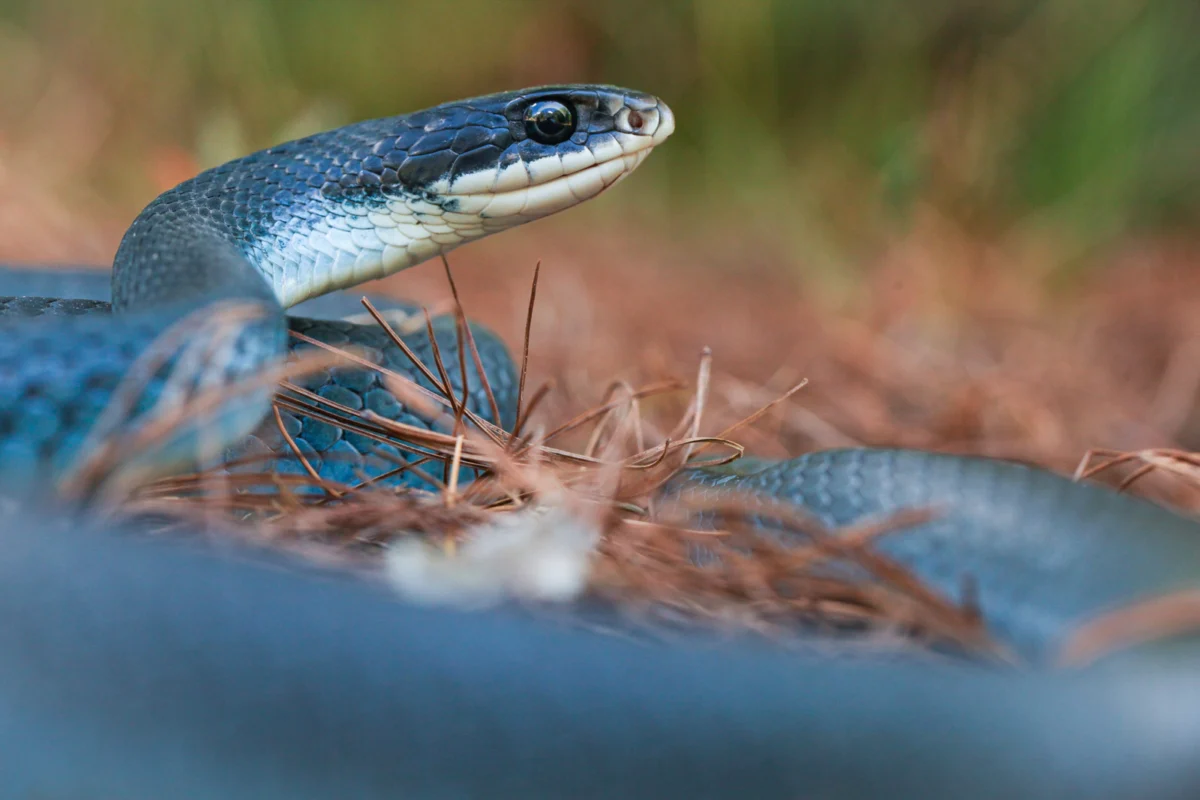
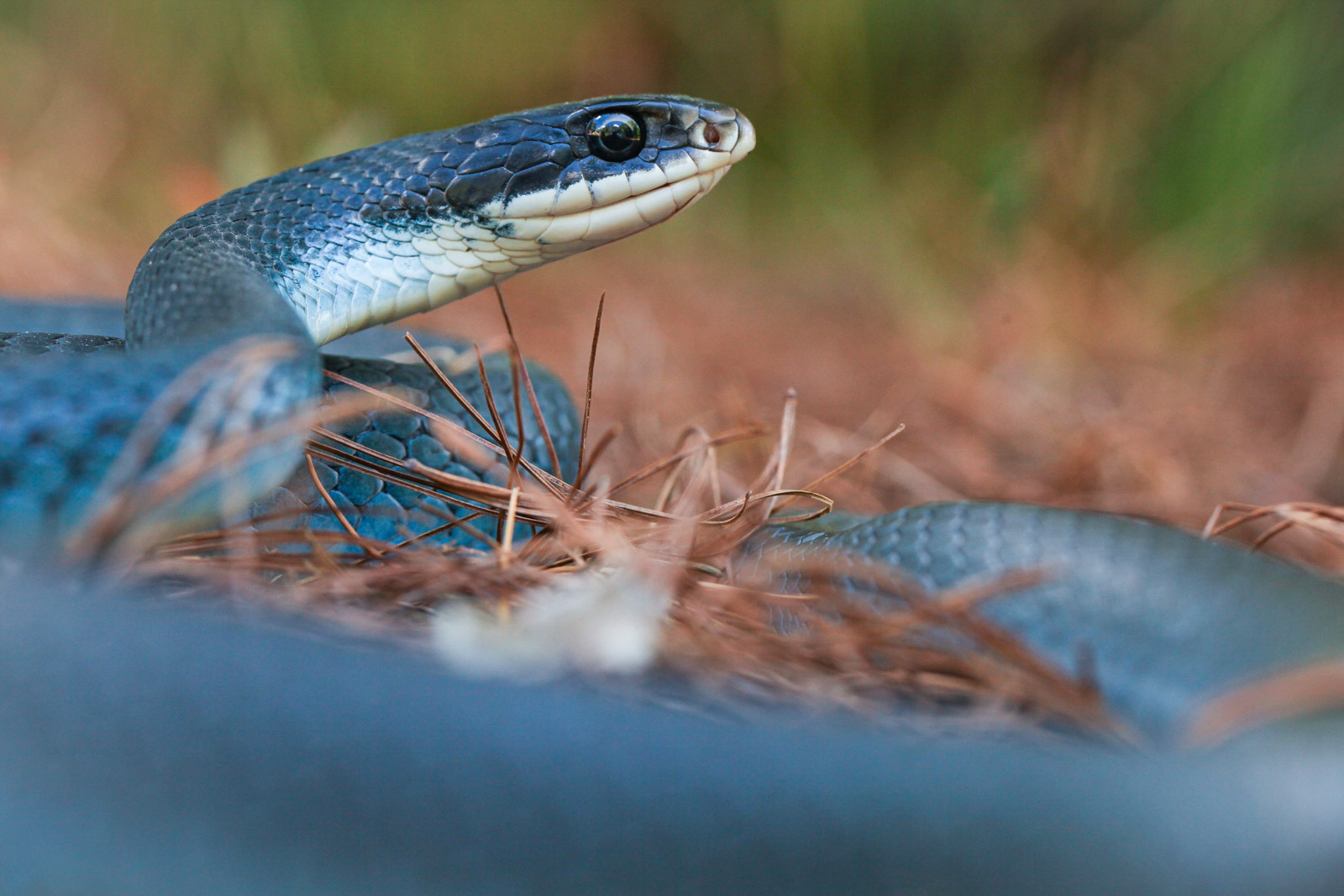
Snakes, lizards, frogs, and other scaled or moist-skinned creatures present an extraordinary canvas for macro-level investigation. These cold-blooded animals are often adorned with a spectacular array of textures, patterns, and iridescence. The granular skin of a toad, the overlapping scales of a serpent, or the vibrant hues of a dart frog, when magnified, transform into abstract masterpieces. Macro photography allows for a detailed study of their adaptive camouflage, unique epidermal structures, and often mesmerizing eye details. Conservationists and herpetologists note that documenting these species through macro imagery can highlight their unique beauty and ecological significance, drawing attention to the often-precarious conservation status of many amphibians and reptiles worldwide. -
Avian Details: Feathers, Talons, and Beaks
While the majority of bird photography focuses on capturing these creatures in flight or at a distance, macro opportunities can occasionally arise and offer truly distinctive views. Close-ups of individual feathers, the sharp contours of talons, or the specialized structure of a beak reveal an astonishing level of detail. A single feather, with its complex network of barbs and barbules, can tell a story of flight, insulation, and adaptation. Macro images of these elements can contribute to ornithological studies, aiding in species identification or the study of feather morphology and parasites, providing data that complements broader field observations. -
Mammalian Miniatures: Fur, Whiskers, and Expressive Eyes
Similar to birds, photographing larger mammalian subjects often involves capturing them from a distance. However, the macro lens can bring us surprisingly close to the smaller details of mammals, or even to the entirety of micro-mammals like shrews, voles, or bats. Fur, whiskers, eyes, and various reflective surfaces offer a plethora of possibilities. The intricate patterns of a squirrel’s fur, the sensitive vibrissae of a rodent, or the expressive depth of a deer’s eye can be transformed into compelling macro portraits. These close-ups can reveal nuances of adaptation, sensory perception, and even individual identity, deepening our connection to these often-familiar creatures.
-
Marine Life: A Kaleidoscope Beneath the Waves
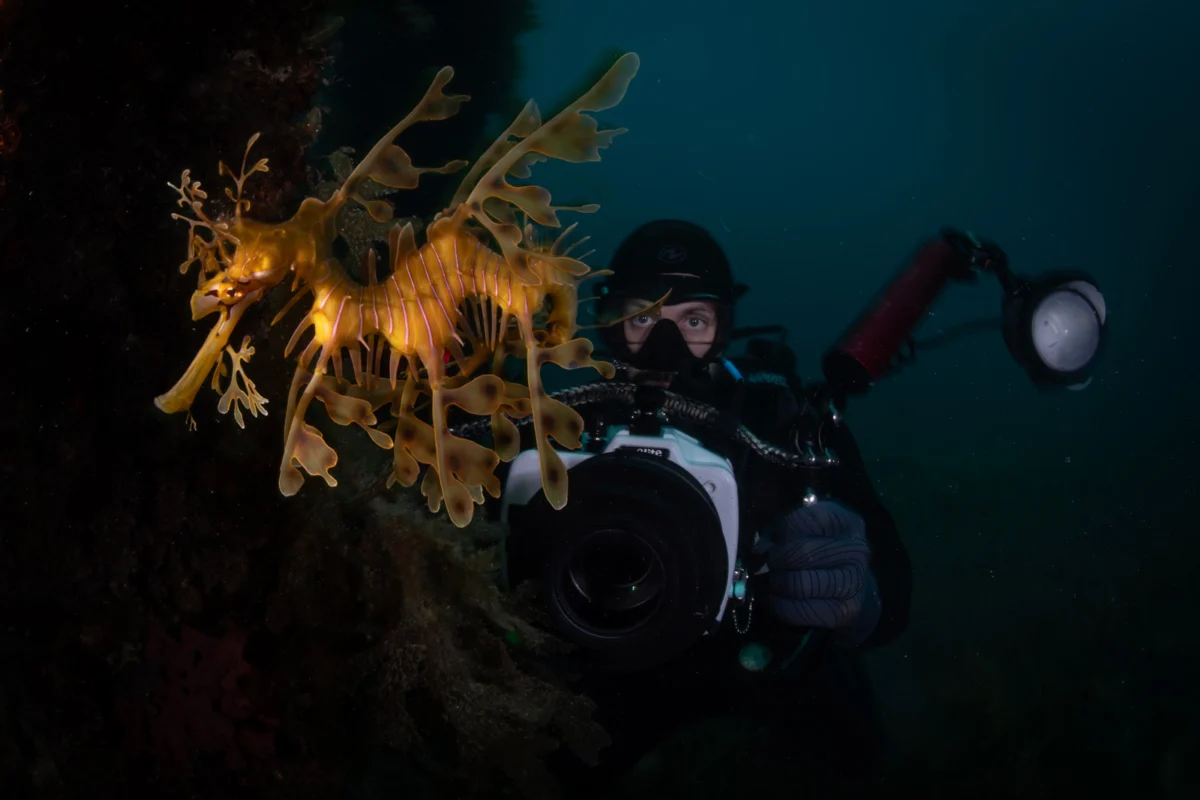
With the appropriate underwater photography setup, an entirely new dimension of potential macro subjects unfolds. The marine environment, a treasure trove of biodiversity, is home to fish, nudibranchs, crustaceans, and countless invertebrates that display an unparalleled spectrum of colors, forms, and unique features. Many of these organisms are incredibly small and rarely observed in their natural habitats, making macro underwater photography a frontier for discovery. From the delicate gills of a sea slug to the intricate camouflage of a pygmy seahorse, these images not only showcase breathtaking beauty but also contribute vital data to marine biology, helping researchers understand cryptic species and the health of coral reef ecosystems, which are increasingly under threat globally. -
Fungi: The Silent Architects of the Ecosystem
Perhaps one of the most overlooked, yet easiest to find, macro subjects is fungi. These stationary organisms boast an astounding variety of unique surfaces, textures, and architectural forms. When captured through a macro lens, a simple mushroom can become an abstract landscape, revealing intricate gill structures, velvety caps, or dewdrops clinging to mycelial threads. Fungi play a crucial role as decomposers and symbionts in nearly every ecosystem, and macro photography aids mycologists and enthusiasts alike in documenting their diverse forms and understanding their ecological functions. Their static nature also allows for more controlled photographic experiments, making them an ideal subject for honing macro techniques.
Ultimately, whether one is exploring a dense rainforest, a barren desert, or simply their own backyard, a compelling macro wildlife photography subject is perpetually within reach. The act of seeking out and capturing these hidden wonders transforms the mundane into the magnificent, revealing the extraordinary tapestry of life that thrives unseen.

The Essential Toolkit for Miniature Expeditions
Achieving successful macro wildlife photography necessitates a specialized toolkit designed to magnify the minute. Beyond the camera body itself, a macro-capable lens and carefully managed lighting are paramount. For those embarking on this photographic journey, understanding the fundamental equipment is the first step toward unlocking the unseen.
-
Specialized Optics: The Macro Lens and Its Alternatives
To render small subjects as frame-filling close-ups, a dedicated macro lens is indispensable. These lenses are designed to achieve high magnification ratios, typically 1:1 (life-size) or greater, allowing for extreme detail. The choice of macro lens often hinges on factors such as budget, the specific subjects being pursued, and practical considerations for field use. For newcomers or those on a tighter budget, more accessible alternatives exist. Extension tubes, which fit between the camera body and a standard lens, decrease the minimum focusing distance and increase magnification. Similarly, close-up filters (or diopters) screw onto the front of a lens, acting like a magnifying glass. While these alternatives offer a cost-effective entry point, a dedicated macro lens generally provides superior optical quality and working distance.
-
Illuminating the Unseen: The Role of Controlled Lighting
Perhaps even more critical than the lens itself, the precise management of light is paramount in macro photography. The extreme close-up distances and often dense environments mean that natural light alone is frequently insufficient or unflattering. To achieve standout images, photographers typically combine an artificial light source, most commonly a flash, with a diffuser.- Flash: While a camera’s built-in flash can be used, it offers limited control over light direction and quality. For serious macro work, an off-camera flash or specialized ring lights are preferred. Off-camera flashes provide flexibility to illuminate subjects from various angles, creating depth and dimension. Ring flashes, which mount around the lens, offer even, shadowless illumination, often favored for scientific documentation. Balancing flash output with ambient light is a key skill, allowing photographers to control the overall mood and background exposure.
- Diffuser: A diffuser transforms harsh, direct flash into soft, enveloping light, crucial for revealing subtle textures without creating distracting hot spots or deep shadows. The choice of diffuser is often a matter of personal preference and shooting style. Simple foldable diffusers are excellent for softening on-camera flash, while larger softboxes are ideal for off-camera setups, providing a broader, more controlled light spread. Effective diffusion is the hallmark of professional macro imagery, ensuring that details are illuminated gracefully and naturally.
With a macro-capable lens mounted to a camera and a flash paired with a diffuser, photographers are well-equipped to embark on their journey into the micro-world.
Mastering the Art: Key Techniques for Macro Wildlife Photographers

Beyond gear, several fundamental techniques converge to produce compelling macro wildlife photographs. Mastering these elements is crucial for capturing the fleeting moments and intricate details of small subjects.
-
Stabilization and Mobility: Adapting to Dynamic Subjects
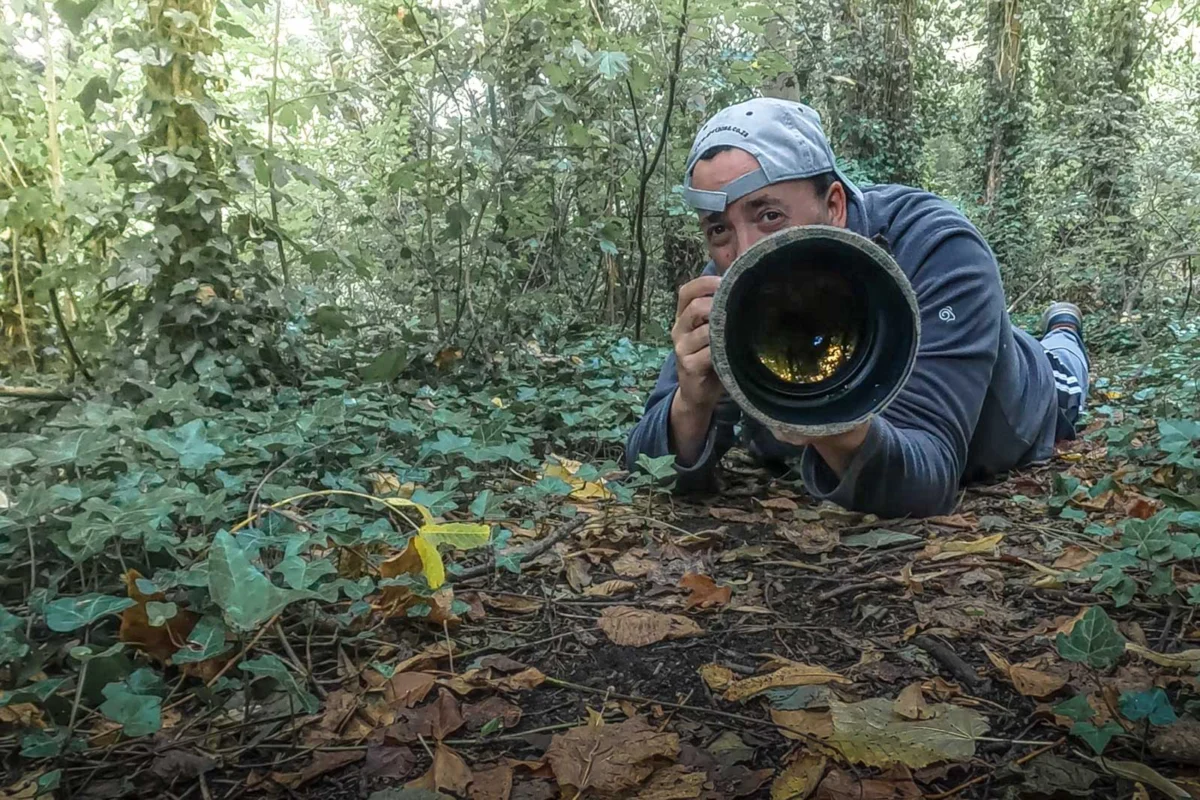
While tripods are often recommended for static subjects like flowers, small-subject macro wildlife photography frequently demands greater mobility and responsiveness. For highly active or ground-dwelling creatures, holding the camera body with two hands, often with the flash mounted to the hot shoe, provides the necessary agility. For subjects closer to the ground, a beanbag or even a rolled-up towel placed under the camera rig can offer a versatile and quickly adjustable stabilization solution, allowing photographers to get down to the subject’s level without being encumbered by a bulky tripod. The ability to move quickly and quietly is often more valuable than absolute rigidity when pursuing live subjects. -
Precision Focus and Aperture Control
The choice of focusing mode is highly personal and often dependent on the camera system and the subject’s behavior. Advanced AI-powered autofocus systems can track moving subjects effectively. Alternatively, a "one-shot" autofocus mode allows for precise focus locking before recomposing. For ultimate control, manual focusing is often preferred by seasoned macro photographers, allowing for minute adjustments. Regardless of the mode, the critical focus point is usually a key detail, such as an eye (the most common and impactful choice), a specific scale, or a unique hair. In terms of aperture, a starting point of f/11 is often recommended for small-subject macro shots. This aperture typically provides a reasonable depth of field to keep the primary subject sharp while still blurring the background sufficiently to isolate the subject. Experimentation from this baseline is encouraged to find the optimal balance between sharpness and artistic blur for different subjects and lighting conditions.
-
The RAW Advantage: Maximizing Post-Processing Potential
Shooting in RAW format is a widely accepted best practice in photography, and it is particularly critical in macro wildlife photography. RAW files retain significantly more image data than compressed formats like JPEG, offering immense flexibility during post-processing. In the often-unpredictable environment of wildlife photography, where opportunities can be fleeting, RAW files allow photographers to comprehensively adjust or correct elements that might have been missed in the field—such as exposure, white balance, or color rendition—without compromising image quality. This extended latitude in editing can salvage what might otherwise be a lost shot, making it an indispensable asset for serious practitioners. -
Cultivating Patience: The Unsung Hero of Wildlife Photography
Beyond technical proficiency, patience is arguably the most crucial trait for a macro wildlife photographer. The pursuit of elusive or shy subjects, coupled with the technical demands of macro work, can be challenging and often frustrating. Mistakes are inevitable, and the ability to clear one’s mind, manage frustration, and calmly refocus on the task at hand is paramount. Waiting for the perfect moment—for an insect to emerge from cover, a frog to settle, or a mammal to display a specific behavior—can make the difference between a mediocre snapshot and an extraordinary image. This mental fortitude not only leads to better results but also enhances the overall experience of connecting with nature.
To refine these techniques, practicing at home with static models or readily available subjects before venturing into the field is highly recommended. This allows photographers to familiarize themselves with their gear, lighting setups, and focusing methods, ultimately streamlining their process when encountering live wildlife.

Ethical Imperatives: Responsible Engagement with Wildlife
When engaging in any form of wildlife photography, the welfare of the plant or animal subject must always take precedence. No photograph, no matter how spectacular, is worth causing harm, distress, or disturbance to a living creature. Adhering to a strict code of ethics is not just a moral obligation but also a professional standard that reflects respect for the natural world.
-
Minimizing Disturbance and Respecting Habitats: The most skilled photographers consistently achieve outstanding imagery without disrupting the animals they observe. This often involves maintaining a respectful distance, moving slowly and quietly, and avoiding sudden movements or loud noises. Practicing skills in controlled environments, as mentioned, can enhance efficiency in the field, reducing the time spent near a subject and thus minimizing potential disturbance. Adhering to "leave no trace" principles, ensuring that the habitat remains undisturbed, is also fundamental. This means not altering the environment for a shot, such as moving branches or disturbing foliage unnecessarily.

-
Knowledge and Preparation: Understanding Your Subjects: Entering the field equipped with knowledge about the local wildlife is a smart and responsible practice. Understanding whether a species is protected, venomous, poisonous, or particularly susceptible to human contact is vital for both the photographer’s safety and the animal’s well-being. Consulting local field guides, wildlife blogs, or conservation resources before an outing can provide invaluable insights into the behavior, habitat, and sensitivities of potential subjects. For example, knowing a specific frog species is nocturnal will prevent fruitless daytime searches and ensure the photographer is present when the animal is naturally active, minimizing stress.
Prioritizing the animal’s welfare sets a positive example for fellow photographers and the public, contributing to a culture of responsible wildlife observation. This commitment helps ensure that the diverse and fascinating creatures we cherish and photograph will continue to thrive for future generations.
Conclusion: A Gateway to Deeper Appreciation and Conservation

The enduring popularity of macro photography, particularly in the age of social media, is easily understood. Its unique ability to capture and reveal the hidden qualities of often-overlooked subjects is profoundly captivating. It transforms the familiar into the extraordinary, offering a fresh perspective on the intricate beauty that exists at the smallest scales. As photographers delve into macro wildlife, not only do their audiences begin to interpret the world with renewed wonder, but the photographers themselves cultivate a heightened awareness of the smaller facets of nature.
Whether it’s the delicate venation of a butterfly’s wing, the mesmerizing patterns of a snake’s scales, or the surprisingly human-like dexterity of a tiny monkey’s hand, macro investigation is rarely a dull experience. It is a gateway to deeper appreciation, a tool for scientific documentation, and a powerful medium for inspiring conservation. For those eager to explore the miniature marvels that lie just beyond ordinary sight, the macro lens offers an invitation to discover a hidden world teeming with life and wonder. Get out there, explore, and unveil the macro world for yourself.