Nature TTL’s exclusive interview series, "From Amateur to Professional," delves into the transformative journeys of established nature photographers, charting their evolution through shared imagery and candid insights. This installment features Victor Soares, a South African-born wildlife photographer whose nearly two-decade dedication to capturing the natural world has culminated in a thriving professional career now based in the UK. Soares, whose work has earned widespread recognition and publication in leading journals and by prominent associations, offers a compelling narrative of passion, perseverance, and the strategic decisions that underpin a successful transition in the highly competitive field of nature photography. Readers will trace the progression of his images, uncover the origins of his passion, and learn the practical steps and philosophical shifts that enabled his transition from enthusiast to acclaimed professional.
Early Life and the Genesis of a Wildlife Passion
Victor Soares’ profound connection to nature was forged in the rich, diverse landscapes of South Africa, his birthplace. Growing up surrounded by unparalleled wildlife, his childhood was a canvas painted with the vivid experiences of the natural world. He describes this environment as a cherished escape from a "dramatic world," a sentiment often echoed by those who find solace and purpose in the wild. Birds, in particular, captivated his imagination, their myriad species offering endless hours of observation through binoculars. South Africa, a biodiversity hotspot, provided an extraordinary classroom for a budding naturalist, fostering an innate appreciation for its ecosystems and inhabitants. This foundational love for wildlife, deeply rooted in his formative years, would later become the driving force behind his photographic endeavors.
The Digital Dawn and a Fortuitous Mentorship
Soares’ entry into wildlife photography was, by his own admission, a "chance encounter," catalyzed by the advent of digital photography in the early 2000s. In 2004, he acquired his first DSLR, a Canon 300D (known as the Canon EOS Digital Rebel in North America). This camera, a groundbreaking model at the time, represented a significant leap in photographic accessibility, offering advanced technical capabilities at a relatively affordable price point. Its introduction marked a pivotal moment for many aspiring photographers, democratizing a hobby previously dominated by film’s higher costs and slower feedback loop.

His initial motivation for purchasing the camera was to document holiday memories, but a trip to Kruger National Park soon transformed this casual interest into a burgeoning passion. It was after this safari, while developing prints at a local photo lab, that fate intervened. The lab owner, Johan Combrink, himself a wildlife photography enthusiast, had his own striking images displayed. Soares, upon seeing a captivating shot of a Cattle Egret, blurted out his desire to capture such images. Combrink’s unexpected offer – "Then come back here tomorrow with your camera, and I will show you a few things" – proved to be the turning point.
This serendipitous mentorship became the bedrock of Soares’ early development. He spent "countless days" in Combrink’s shop, receiving invaluable instruction in camera techniques and post-processing. Beyond the technical guidance, Combrink served as a "motivational coach," guiding Soares through the inevitable "dark times" of artistic frustration. This relationship underscores the critical role mentors play in nurturing talent, particularly in creative fields where self-doubt can be a significant hurdle. Soares credits Combrink, who never asked for compensation, as the singular individual responsible for launching his journey into professional wildlife photography.

Evolution of Technique: From Blurry Cormorants to Focused Steenbok
Soares’ early photographic attempts were, like many beginners, characterized by ambition often exceeding technical skill. He vividly recalls his very first image with the Canon 300D: a blurry, distant Cormorant in terrible light, an ambitious shot that ultimately demonstrated the steep learning curve ahead. This image, a symbol of his initial amateur struggles, was eventually discarded, reflecting a desire to move forward unburdened by past imperfections.
His first "liked" image came in 2007, following a significant camera upgrade to a Canon Rebel XT (EOS 400D), a Christmas gift that marked a fresh start. This particular image, a Steenbok captured during another visit to Kruger Park, represented a noticeable improvement. While he acknowledges its flaws – cropped feet, an unoptimised aperture (f/8), and the use of Aperture Priority (Av) mode instead of the more controlled Manual mode he now favors – it was a clear step forward. The animal was in focus, and the lighting was decent.

This early image also highlights the technological constraints of the era. Auto ISO was not yet a standard feature, and noise reduction capabilities were far less advanced. Consequently, photographers like Soares were hesitant to push ISO beyond 400, severely limiting their flexibility in low-light conditions. Today’s cameras, with their vastly improved sensors and sophisticated noise reduction algorithms, allow for much higher ISOs, enabling photographers to capture sharp images in challenging environments that would have been impossible two decades ago. Soares’ progression from relying on automatic modes to mastering manual control, and his evolving understanding of light, composition, and depth of field, exemplify the journey of an amateur striving for artistic and technical excellence.
Defining Moments: The Yawning Fox and NHM Recognition
Soares’ career is punctuated by several pivotal images and accolades that affirmed his path. One such image, a yawning fox, remains among his all-time favorites, representing a powerful confluence of artistic vision and fortunate timing. His move to the UK in 2016, and then to London in 2018, introduced him to a new range of wildlife subjects. Having seen only a handful of foxes in his life prior to this, their presence in urban UK parks sparked a deep fascination.

The opportunity arose in a small London park in Sutton, home to a family of five foxes. One particularly friendly individual allowed Soares and a friend to approach. It was during this encounter, as the fox jumped a hedge and settled in a bed of autumn leaves, that it delivered a "huge yawn." Soares’ quick reflexes and practiced technique allowed him to capture the moment. The image, which impressed him on his camera’s small screen, truly came to life when viewed on a larger monitor. The details were extraordinary: the visible mist of the fox’s cold breath, the rich autumn hues, the intricate structure of its teeth, and the perfectly executed shallow depth of field that blurred the background into an abstract wash of color. For Soares, this image transcended mere documentation; it brought a "childhood fantasy" to life, transforming the red fox of fairytales into a tangible, breathtaking reality.
Another significant milestone arrived in 2012 when one of his images reached the final round of the Natural History Museum’s (NHM) Photography Awards, then known as the Veolia Environmental Awards. This competition, now globally renowned as the Wildlife Photographer of the Year (WPY), is one of the most prestigious contests in nature photography. Attracting over 48,000 entries from around the world annually, reaching the final stages is an extraordinary achievement that signifies world-class photographic skill and artistic merit. For Soares, it was a moment of profound validation, a "feather in my cap" that whispered, "Maybe I am good enough… maybe." Though the image did not progress to be displayed at the NHM, the experience instilled a powerful sense of confidence and remains a cherished memory, marking a crucial turning point in his self-perception as a photographer.

Revisiting Landscapes and Refined Perspectives
Soares’ geographical shift from South Africa to the UK has profoundly influenced his photographic subjects and approach. While living in South Africa, he frequently visited its renowned game parks, developing an intuitive understanding of how to photograph from a vehicle, anticipate animal movements, and identify optimal shooting conditions. This immersion in the African wilderness laid the groundwork for his technical and observational skills. Now, living in the UK, his visits to African parks are less frequent but imbued with a heightened sense of appreciation and purpose.
When he returns to safari, his approach is significantly more deliberate and nuanced. He no longer takes the elements for granted, consciously evaluating the sun’s direction, the quality of light, potential background distractions, foreground elements, and the most advantageous shooting angles. His understanding of animal behavior has deepened, allowing him to interpret actions and predict interactions between species, a critical skill in capturing compelling wildlife narratives. Each safari now serves as an intensive learning experience, a continuous refinement of his craft.

Similarly, in the UK, Soares has found new subjects to revisit with a more sophisticated eye. The annual deer rut is a prime example. Initially drawn to the spectacle of bellowing stags and occasional fights, his current approach seeks more intricate and artistic moments. He now actively looks for the "bellow steam" on cold mornings, the interplay of autumn light breaking through trees, or subtle interactions between females, even amidst the dominant display of the stags. This shift illustrates an evolution from simply capturing the obvious to seeking out unique, emotive, and visually complex narratives within familiar events. He also champions the "less favoured fallow deer," recognizing the intensity of their fights as opportunities for "epic photography," underscoring his commitment to exploring diverse subjects with renewed artistic intent.
The Leap to Professionalism: A Calculated Risk
The aspiration to become a professional photographer had been a long-simmering thought for Soares, residing in his subconscious for many years. He explored various avenues but consistently lacked the confidence to make the decisive "jump." This hesitation is common among aspiring creatives, as the financial realities of professional photography often fall short of more traditional careers. As an engineer by trade, Soares acknowledges that his engineering salary far outstripped any potential earnings from photography, framing the professional pursuit as an "extension of a hobby" for many. Despite entering competitions with varying success and accumulating a wealth of experience, his focus was never entirely on photography as a primary income source.

However, the landscape began to shift in 2023. Soares started taking clients on trips and teaching photography in his spare time, generating a modest income that, while not comparable to his engineering wages, provided valuable experience and affirmation. The true catalyst for his full transition arrived unexpectedly in early 2024. A company-wide decision to reduce staff led to his position being made redundant. While initially difficult news, this event presented a serendipitous opportunity, a forced pivot that aligned with his long-held ambition. With the unwavering support of his wife, whom he credits as his "biggest fan and strongest supporter," Soares made the pivotal decision to dedicate himself entirely to wildlife photography as a full-time professional. This transition, born from both ambition and circumstance, highlights the often unpredictable paths individuals take to align their careers with their deepest passions.
Philosophical Shifts and Continuous Learning
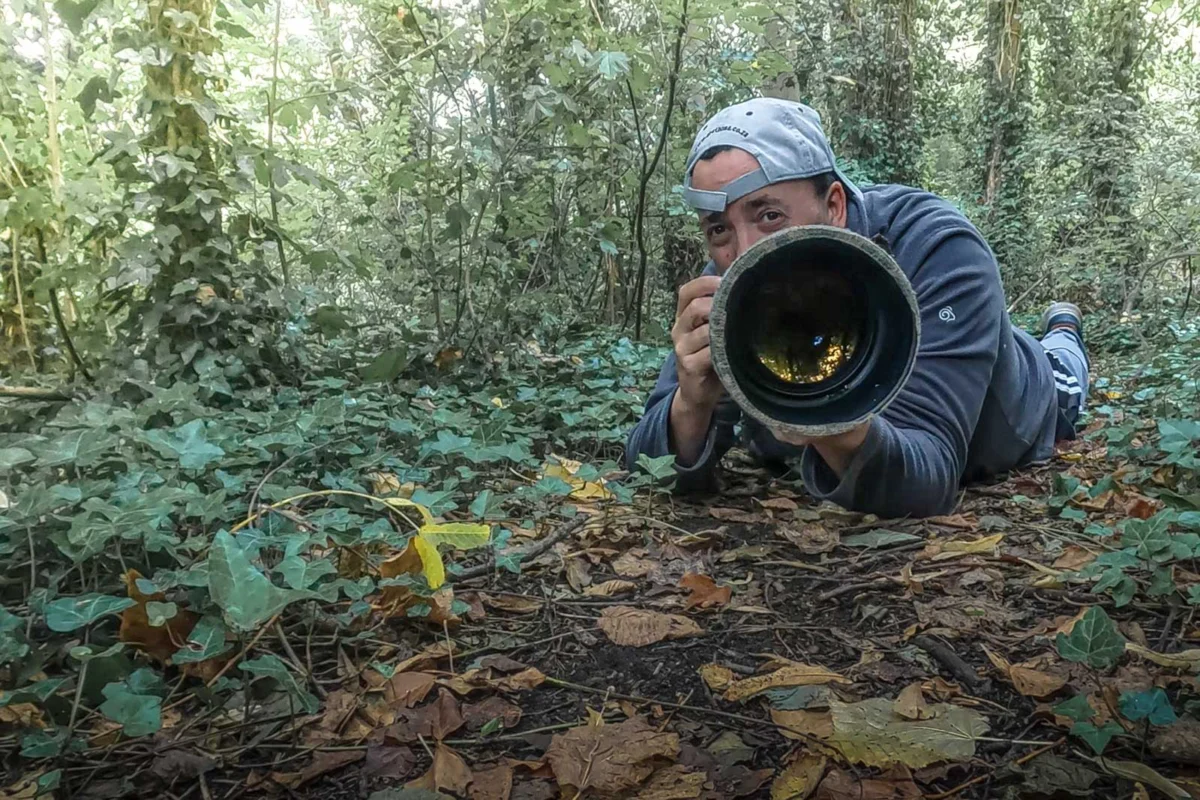
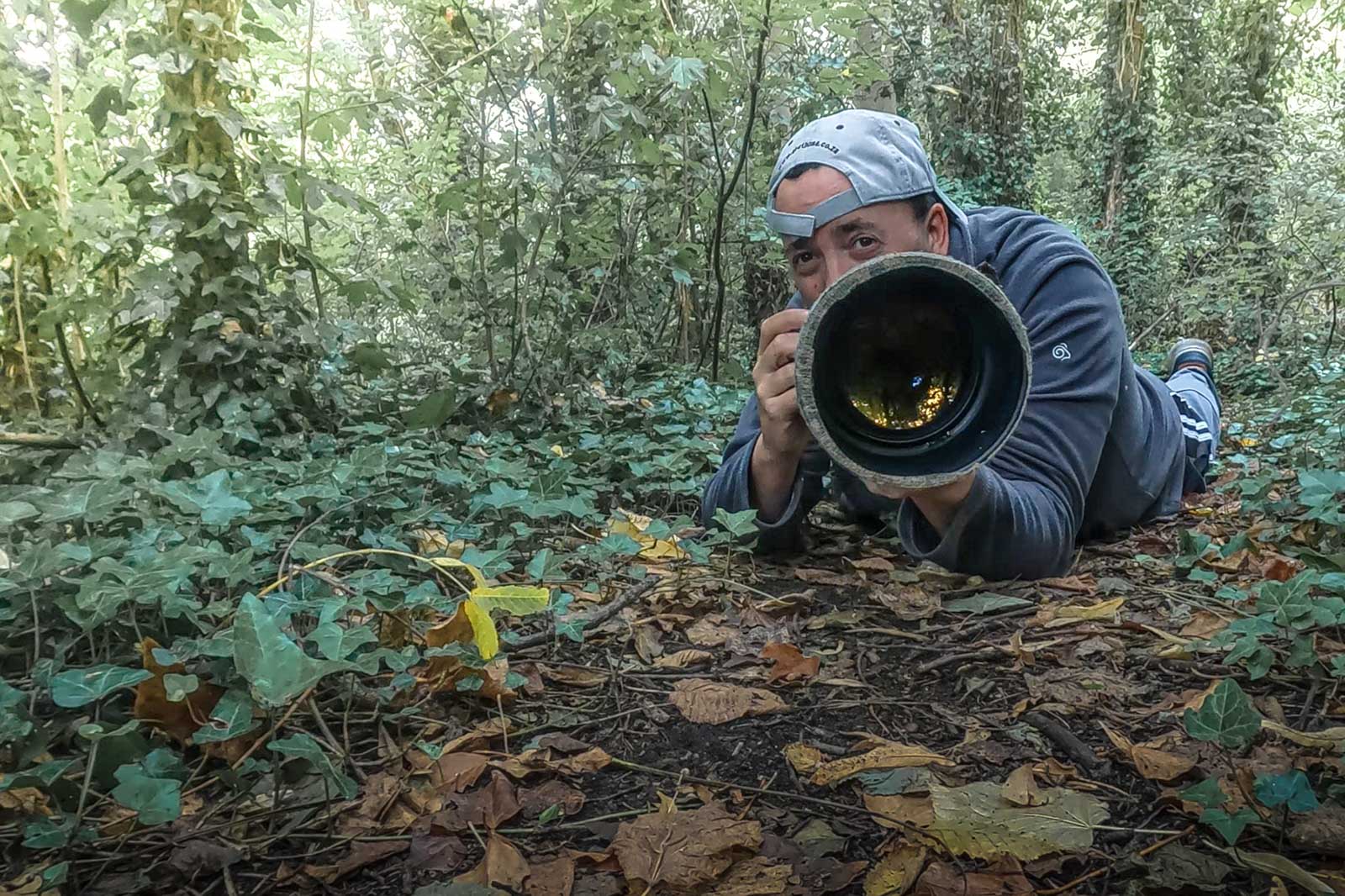
Soares’ journey has been marked by significant shifts in his photographic philosophy and process. He describes a constant willingness to experiment, adapting to modern techniques and diverse styles inspired by the work of others. His most notable evolution lies in his capture and post-processing workflow. He now particularly favors "low-down photography," getting as close to ground level as possible, combined with a very shallow depth of field. This technique, often requiring investment in "expensive glass" like his beloved 300mm f/2.8 lens, allows the subject to stand out with striking clarity against a beautifully blurred background, creating an intimate and immersive perspective.

Beyond technical precision, Soares emphasizes the portrayal of emotion in his subjects. While easier with mammals, he strives to create images that convey specific feelings – "calm, anger, fear, cunning, eagerness, desperation, resolve." This focus on emotional narrative adds a layer of depth and reality to his wildlife portraits, elevating them beyond mere documentation to evocative storytelling.
The biggest challenge he faced initially was maintaining motivation amidst the overwhelming talent of others. The pervasive feeling of "not being good enough" and the tendency to place admired photographers on an unreachable pedestal are common pitfalls for emerging artists. Soares acknowledges the truth that one may never be "as good as your heroes" but stresses the importance of continuous striving and perseverance. He advises embracing criticism and viewing it as an opportunity for growth, a mindset essential for navigating the often-harsh realities of the creative world.

His most profound piece of advice, if he could travel back in time, would be to "be patient." In an age demanding instant gratification, Soares reflects on his own impatience, often equating progress with new camera features rather than fundamental skill development. He cautions against the trap of believing a higher frames-per-second rate makes one quicker, or more focus points equate to better focus, without first mastering the underlying skills. True photographic advancement, he argues, comes from diligently learning the "art and basics of photography," which will endure far longer than any technological trend. Patience is also paramount in wildlife photography itself, where the most impactful images often arise from "hours spent watching and observing," waiting for that fleeting, perfect moment.
The Enduring Art of Nature Photography
After nearly two decades, Victor Soares’ learning journey continues unabated. He remains an active member of a camera club, valuing the insights and diverse techniques shared by fellow enthusiasts. His commitment to staying current is evident in his consistent engagement with photography articles and magazines, which offer a constant stream of news, tips, and techniques. Furthermore, he regularly collaborates with other photographers, benefiting from their unique approaches and the shared experience of being in the field.

Soares’ overarching advice to aspiring photographers is to "put yourself out there." He encourages sharing one’s work and actively seeking feedback, both positive and negative. Viewing criticism not as a deterrent but as an "opportunity to reflect and develop" is crucial for artistic growth. In a world saturated with imagery, distinguishing oneself requires not just technical skill but also resilience, a continuous thirst for knowledge, and the courage to evolve. Victor Soares’ journey is a testament to the power of sustained passion, strategic adaptation, and the enduring magic of capturing the wild through a discerning lens.