Those who contemplate the beauty of the earth find reserves of strength that will endure as long as life lasts. – Rachel Carson
The decision to relocate a young family from the sprawling prairies of Saskatchewan to the stark, remote beauty of the Arctic represented a profound departure from the familiar. For the author’s parents, whose roots were deeply embedded in farming traditions, this move signified an embrace of the unknown, a deliberate trade of predictable comforts for an adventure that would redefine their understanding of home and resilience. The predictable cycles of seasons, the ease of access to extended family, and the gentle rhythms of prairie life were exchanged for the raw, untamed majesty of the North. Yet, as the author reflects, the ensuing years revealed that the profound connection forged with nature in this extreme environment far surpassed the conveniences left behind.
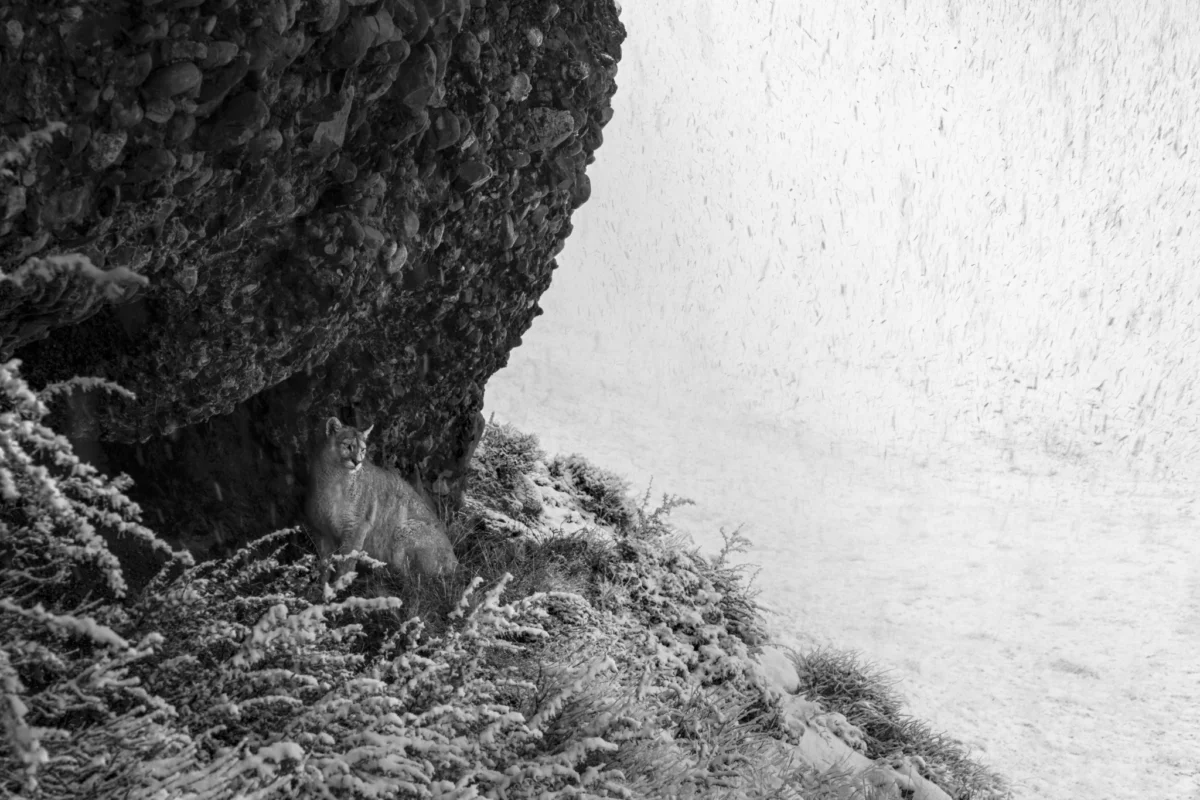
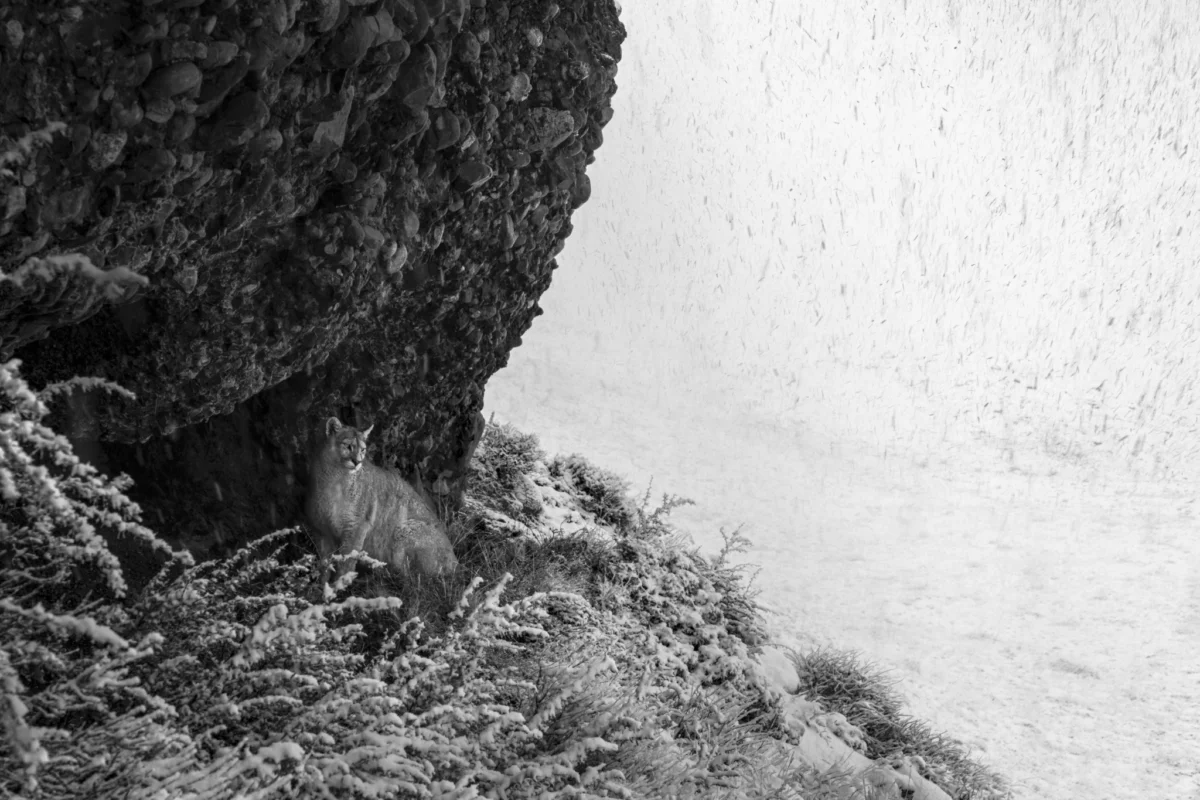
This foundational experience in the Arctic instilled a lifelong appreciation for the natural world, a sentiment that would later blossom into a career as a wildlife photographer. The author’s lens became a conduit, seeking to bridge the gap between humanity and the wild kin that inhabit our planet. From the elusive spirit bear and the powerful wolf to the sleek penguin and the formidable shark, each creature captured on film represents a moment of profound privilege, a testament to the Earth’s astonishing biodiversity and enduring beauty. Among these countless encounters, the author identifies the majestic whales, the true titans of our oceans, as holding a particularly significant place, offering some of the most profound gifts of observation and understanding.
Whales: Misunderstood Giants of the Ocean
Whales, much like the Arctic wildlife that shaped the author’s formative years, evoke a complex blend of awe and apprehension in the human psyche. Creatures such as orcas and sperm whales, despite their immense size and their apex predator status in marine ecosystems, are remarkably devoid of any documented history of unprovoked attacks on humans. Scientific records and extensive field observations suggest a gentle disposition and a profound intelligence that often remains obscured by pervasive myths and misconceptions, frequently fueled by fictional narratives.
Sperm whales, in particular, have been subject to a mystique amplified by literary and cinematic portrayals, most notably Herman Melville’s Moby Dick. This iconic tale, while a literary masterpiece, has contributed to a perception of sperm whales as monstrous, vengeful beings. However, the author’s personal experiences paint a far different picture, one characterized by curiosity and a surprising gentleness.
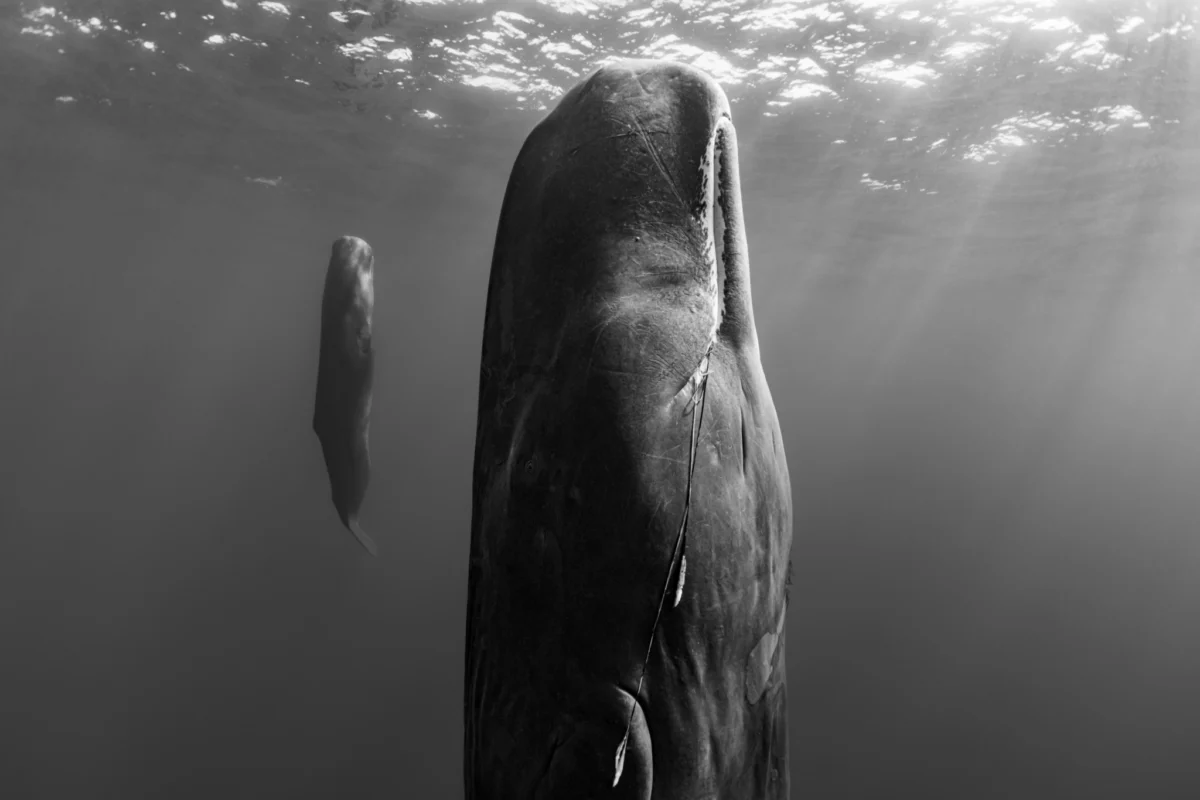
One particularly transformative encounter occurred off the coast of Dominica, a Caribbean island renowned for its vibrant marine life. Here, the author had the extraordinary opportunity to free-dive with a pod of sperm whales. Suspended vertically in the water column, the whales were in a state of rest, a behavior that sees them ascend from the ocean depths to breathe and recuperate. This allowed for an unprecedented level of proximity, facilitated by the author’s snorkel and a deliberate, non-intrusive approach.
Ariel: A Calf’s Curiosity and a Photographer’s Calm
During this immersive experience, the matriarch and her pod exhibited a remarkable level of comfort and awareness of the photographer’s presence. The shoot was progressing smoothly, with the whales seemingly unperturbed by the observer. However, a shift in dynamics occurred as the author ascended for air. The youngest member of the pod, a calf affectionately nicknamed "Ariel" by local guides, became captivated.
Evidently roused from her slumber, Ariel, a juvenile sperm whale measuring approximately twenty feet in length, veered directly towards the photographer. In a moment that could have been fraught with tension, the author braced for impact, only to find Ariel’s large, toothless mouth gently nuzzling the camera housing. This behavior, described as akin to an overgrown toddler playfully gumming a toy, underscored the calf’s inherent curiosity and lack of aggression. The author’s years of experience working with large, unpredictable wildlife enabled a calm and measured response, allowing for a safe retreat to regain breath. This interaction vividly contrasted with the menacing leviathan of Captain Ahab’s obsession, revealing Ariel as a spirited, inquisitive, and remarkably tender young creature.
The image capturing Ariel’s playful bubble stream has become an iconic representation of this encounter, a visual testament to the gentle nature of these magnificent animals. This moment, far from being a terrifying confrontation, served as a profound reminder of the individual personalities and the inherent innocence that exists within even the largest of marine mammals.

The Enduring Power of Nature
The author’s life journey, from the expansive skies of Saskatchewan to the sun-drenched waters of Dominica, underscores a singular truth: the deepest connections are often forged in the wild. The early experiences of observing and emulating the movements of arctic wildlife provided a crucial foundation for future engagements with the planet’s most extraordinary creatures. Each immersion into natural environments, whether it be the frigid north or the tropical seas, has consistently yielded new perspectives and unparalleled experiences.
In an era increasingly defined by rapid technological advancement and the allure of modern conveniences, the author posits that nature offers a far more profound form of enrichment. It is within the embrace of the natural world that true connection—to ourselves, to other species, and to the planet—is most powerfully realized. This connection, cultivated through observation, respect, and a willingness to step outside of our comfort zones, stands as the most invaluable gift of all, providing a reservoir of strength and wonder that endures throughout a lifetime.
Scientific Context and Conservation Implications
The encounters described highlight the critical importance of understanding marine megafauna beyond their popular, often sensationalized, portrayals. Sperm whales ( Physeter macrocephalus ) are the largest toothed whales and possess the largest brains of any animal on Earth. Their deep-diving capabilities, reaching depths of over 2,000 meters, enable them to hunt colossal squid, their primary food source. This specialized ecological niche underscores their importance in deep-sea food webs.
The observed gentle behavior of sperm whales, particularly mothers with their calves, aligns with extensive scientific research. Studies by organizations such as the U.S. National Oceanic and Atmospheric Administration (NOAA) and the International Whaling Commission (IWC) have consistently documented the social structures and generally non-aggressive interactions of sperm whales with humans. Their complex vocalizations, including echolocation clicks and social calls, suggest a sophisticated communication system and a high degree of intelligence, further challenging the myth of the mindless sea monster.
However, these magnificent creatures face significant threats. Commercial whaling in the 19th and 20th centuries drastically reduced sperm whale populations. Today, primary threats include entanglement in fishing gear, ship strikes, and pollution, particularly plastic debris and chemical contaminants that accumulate in their blubber. Climate change also poses a long-term risk by altering oceanographic conditions and potentially impacting the distribution and availability of their prey.
The author’s photographic work serves as a powerful tool for conservation, aiming to foster empathy and understanding by showcasing the individual personalities and the intrinsic value of these animals. By humanizing these giants through intimate portrayals, such as the interaction with Ariel, the narrative shifts from fear to fascination, encouraging a greater commitment to their protection.
Broader Impact and Future Outlook
The narrative of moving from Saskatchewan to the Arctic and subsequently encountering whales globally speaks to a universal human need for connection with the natural world. This profound appreciation for biodiversity is increasingly recognized as crucial for fostering a sense of stewardship and responsibility towards the environment. As highlighted by environmental psychologists, direct experiences with nature can lead to increased pro-environmental attitudes and behaviors.
The story serves as a powerful illustration of how personal journeys can intersect with broader scientific and conservation efforts. The photographic evidence and the author’s reflections contribute to a growing body of work that advocates for marine protected areas, sustainable fishing practices, and a reduction in ocean pollution. The success of initiatives like those focused on whale sanctuaries and responsible ecotourism in regions like Dominica demonstrates that a balance can be struck between human interaction and wildlife preservation.
The author’s concluding sentiment, that true connection with nature is the greatest gift, resonates with the growing scientific consensus on the benefits of nature exposure for human well-being, both psychological and physiological. As urbanization continues to expand, the intentional cultivation of experiences in wild spaces becomes ever more vital for maintaining a healthy relationship between humanity and the planet. The legacy of the Arctic’s embrace, and the subsequent encounters with the gentle giants of the sea, continues to inform a life dedicated to celebrating and safeguarding the Earth’s most precious inhabitants.