When my parents chose to move our small family from Saskatchewan to the remote Arctic and undertake the biggest adventure of our lives, we had to let go of certain comforts. Both my mother and father came from farming families and inherited the unyielding work ethic that serves as the backbone of Canada’s heartland. Still, we found joy in the simple pleasures afforded by society – easy access to family, mild summer evenings, and the predictable cycles of the seasons. Uprooting to the Arctic meant trading the familiar for the unknown, but I quickly found that the benefits of living closer to nature far exceeded what we left behind. This profound shift in perspective, from the vast, often stark beauty of the Arctic to the vibrant, teeming life of the oceans, has shaped my career and my understanding of our planet’s extraordinary biodiversity.
A Life Dedicated to Capturing the Wild
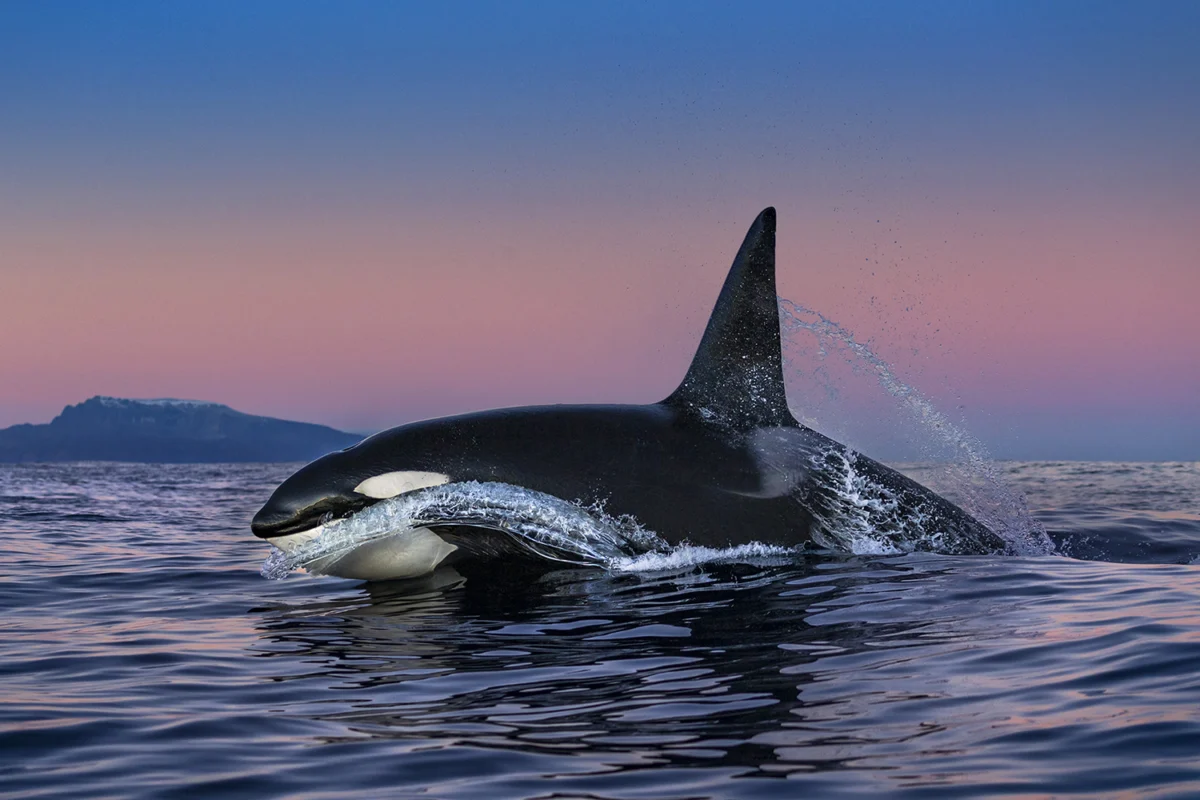
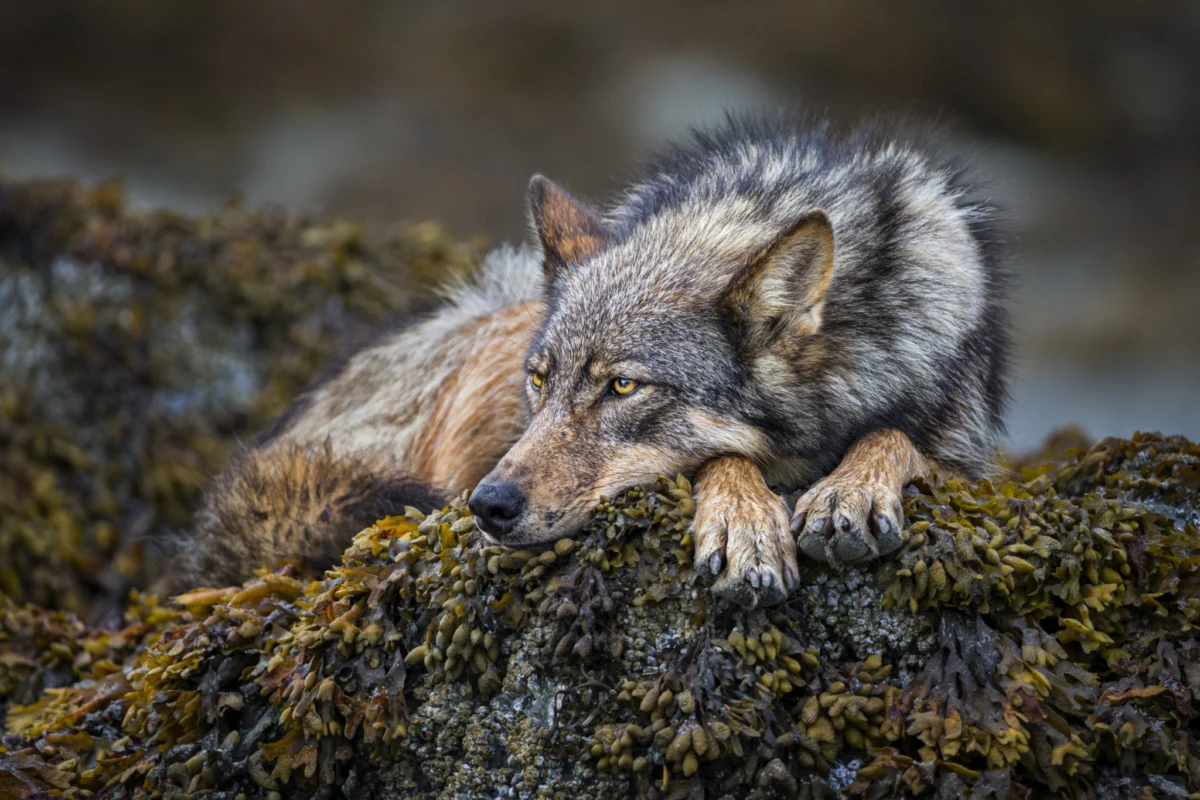
Since those early years, the best gifts in my life have always come from nature. After becoming a photographer, I used my camera to get closer to our wild kin. Wolves, penguins, lynx, sharks, and even the more elusive animals like spirit bears all became subjects of my lens. In my eyes, there is no greater privilege than living each day on a planet overflowing with more species and beauty than we could ever fully grasp. My work has taken me to the furthest corners of the globe, from the frozen expanses of the Arctic, where polar bears roam in a world increasingly threatened by climate change, to the lush rainforests teeming with unseen life, and the deep blue oceans that hold some of Earth’s most magnificent creatures. Each assignment, each encounter, has reinforced the vital importance of conservation and the urgent need to protect these wild spaces and the beings that inhabit them.
Of all the encounters I have shared with wildlife around the world, my experiences with whales, the true giants of Earth, have been some of the greatest gifts. These intelligent, complex marine mammals represent a pinnacle of evolutionary success and evoke a profound sense of wonder and respect in all who witness them. Their sheer scale, their ancient lineage, and their enigmatic lives beneath the waves offer a unique window into the intricate web of life that sustains our planet.
Challenging Perceptions: The Gentle Giants of the Deep
Like the Arctic wildlife I grew up with, such as wolves and polar bears, creatures like orcas and sperm whales inspire a mix of fear and awe in people. Despite their size and status as some of the ocean’s greatest hunters, there is no definitive record of orcas or sperm whales ever killing anyone. In fact, my own experiences have revealed their gentle nature and deep intelligence – a side that often goes unnoticed beneath the myths and misconceptions. The pervasive image of the leviathan, often fueled by dramatic fictional accounts like Herman Melville’s "Moby Dick," has cast a long shadow over these magnificent animals, leading to a public perception that often overlooks their nuanced social structures and their capacity for calm interaction.
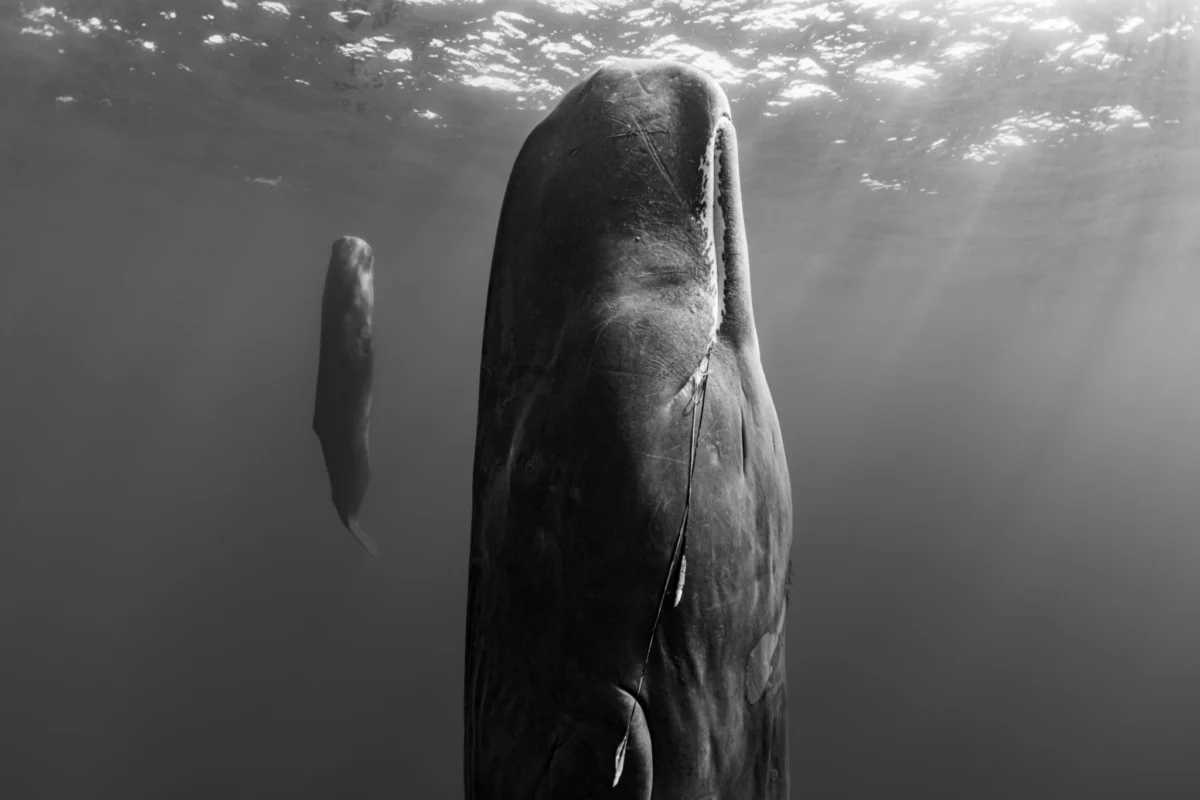
Sperm whales, in particular, have garnered a reputation fueled in part by works of fiction, stories, and legends. Of all my encounters with whales, however, swimming with a pod off the coast of Dominica proved to be one of the most wholesome and eye-opening experiences of my life. Free-diving with a snorkel, I was able to get fairly close to a group dozing vertically in the water column. Sperm whales spend most of their time deep below the surface until they finally come up to breathe and rest, suspended with their heads pointed skyward. This behavior, known as "logging," allows them to conserve energy while remaining alert to their surroundings. Their massive size, with adult males reaching up to 60 feet in length and weighing over 50 tons, can be intimidating, yet observing them in their natural state reveals a profound peacefulness.
An Unforgettable Encounter: "Ariel" and the Curiosity of Youth
The shoot was going well, with the matriarch and her group fully aware and comfortable with my presence. The whales, accustomed to respectful human observers in this well-managed marine environment, displayed a remarkable degree of calm. However, as I drifted up to catch my breath, I suddenly caught the attention of the youngest member in the group – a little calf affectionately dubbed "Ariel" by locals.

Evidently bored from napping with her mom, Ariel made a beeline straight for me, and I suddenly found myself staring down a 20-foot baby whale charging at full speed. I braced myself as she opened her thankfully toothless mouth, and the next thing I knew, she was happily gumming my camera housing like an overgrown toddler. This playful, inquisitive behavior is characteristic of young whales, who are naturally curious and explore their world through touch and interaction. Years of experience around large, unpredictable wildlife allowed me to calmly backtrack until I could take a breath. Far from the sea monster that haunted Captain Ahab and his crew, Ariel was a bubbly, curious, and surprisingly gentle little whale. Her actions underscored the fact that while these animals are powerful, their immediate motivations are often driven by curiosity and playfulness, especially in their juvenile stages.
This specific encounter, captured in stunning photographs, highlights the importance of responsible wildlife tourism and the potential for humans to coexist peacefully with even the largest marine creatures. The Dominica sperm whale watching industry, for example, operates under strict guidelines to minimize disturbance to the animals, ensuring that encounters are brief, respectful, and non-intrusive. This approach not only protects the whales but also allows for incredible educational opportunities for visitors.
The Enduring Gifts of Nature
Looking back on my life, I realize that those early years of following in the footsteps of bears and foxes gave me the chance to connect even more deeply with Earth’s wildest creatures – like Ariel and her pod. The more time we spend immersed in nature, the more the world opens up to us with new experiences. Beyond any luxury or comfort that the fast pace of modern society can provide, nature offers us true connection. This connection is not merely aesthetic; it is deeply psychological and spiritual. Scientific studies have increasingly demonstrated the benefits of spending time in nature, often referred to as "ecotherapy," including reduced stress levels, improved mood, and enhanced cognitive function. The immersion in natural environments, particularly those with rich biodiversity, can foster a sense of awe and perspective, reminding us of our place within a larger ecological tapestry.
The implications of this connection are far-reaching. As global populations continue to urbanize, and our daily lives become increasingly mediated by technology, the opportunities for genuine engagement with the natural world diminish. This disconnect can lead to a diminished appreciation for the environment and, consequently, a reduced commitment to its conservation. Photographer Paul Nicklen’s work, therefore, serves a dual purpose: it not only captures the breathtaking beauty of wildlife but also acts as a powerful advocacy tool, aiming to re-establish that vital link between humanity and the natural world.
The conservation efforts surrounding whale populations, for instance, are critical. Historically, many whale species faced severe endangerment due to commercial whaling. While international agreements and conservation initiatives have led to significant recovery for some species, threats such as ship strikes, entanglement in fishing gear, and plastic pollution continue to pose serious challenges. The International Whaling Commission (IWC) has played a crucial role in regulating whaling and promoting whale research and conservation. However, ongoing vigilance and adaptive management strategies are essential to ensure the long-term survival of these magnificent creatures. The sperm whale, listed as Vulnerable by the IUCN, exemplifies the ongoing need for dedicated conservation efforts.
The narrative of Ariel, the curious calf, transcends a simple anecdote; it is a testament to the inherent curiosity and gentle spirit that often characterize wildlife, a spirit too frequently overshadowed by sensationalized accounts and a lack of direct experience. It serves as a powerful reminder that our interactions with the natural world should be guided by respect, understanding, and a willingness to see beyond preconceived notions.
And that, I believe, is the greatest gift of all. The profound, life-altering gift of understanding and appreciating the intricate beauty and complex lives of the creatures with whom we share this planet. It is a gift that enriches the individual and, collectively, can inspire the actions necessary to protect our shared natural heritage for generations to come. The journey from the stark grandeur of the Arctic to the vibrant depths of the ocean, as experienced through the lens of a photographer dedicated to the wild, offers a compelling vision of what is at stake and what is still possible.