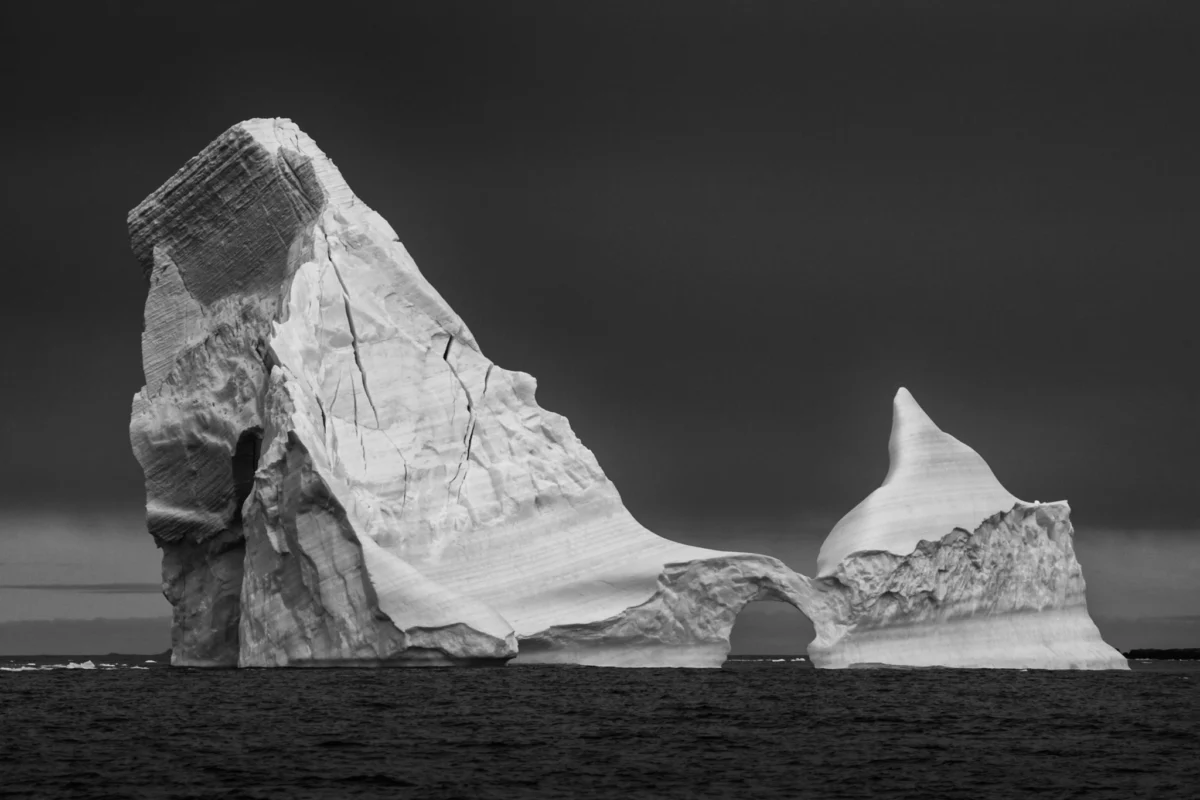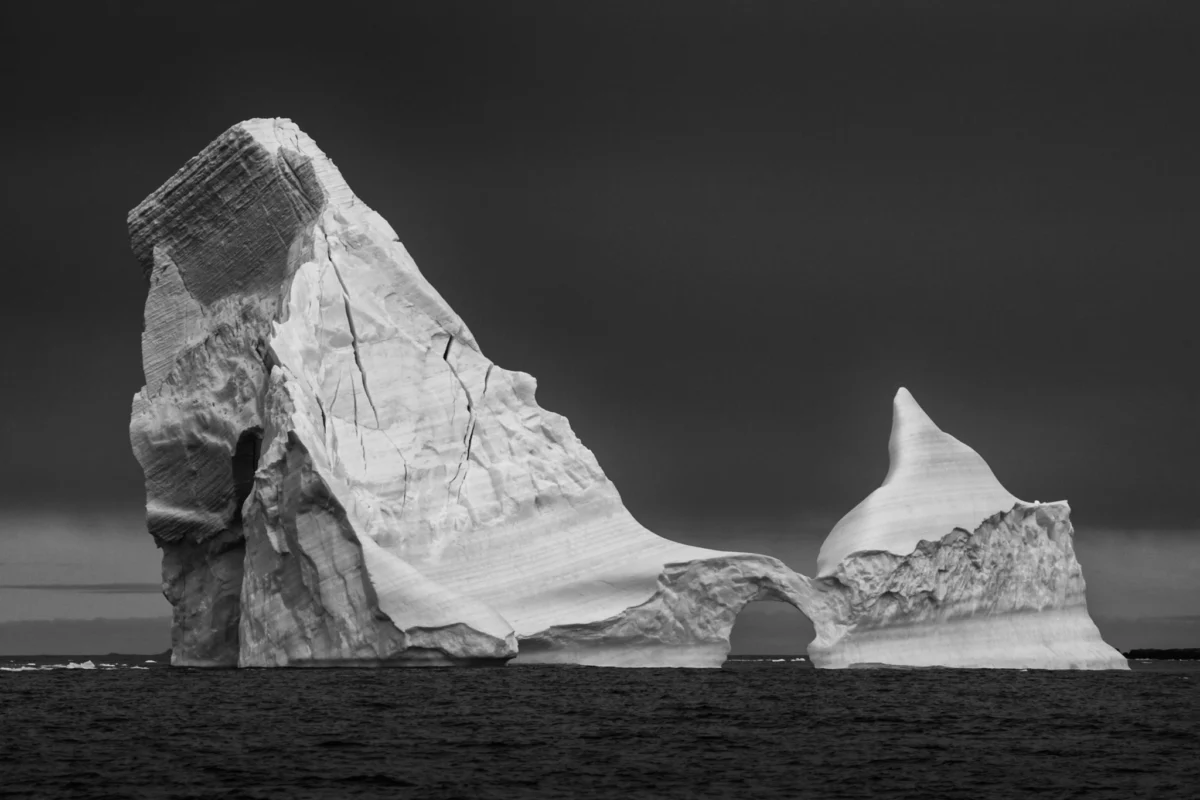
The enduring strength found in contemplating the beauty of the Earth is a reservoir that lasts a lifetime. This sentiment, eloquently captured by Rachel Carson, resonates deeply with photographer and naturalist Paul Nicklen, whose journey from the windswept plains of Saskatchewan to the stark, majestic Arctic profoundly shaped his perspective on life and instilled in him an unshakeable appreciation for the natural world. The decision by his parents to relocate their young family to the remote Arctic was not merely a change of scenery; it was an expedition into the unknown, a deliberate shedding of familiar comforts in pursuit of an adventure that would ultimately offer riches far exceeding material possessions.
Nicklen’s upbringing in the Arctic, a stark contrast to the predictable agricultural rhythms of his parents’ farming heritage, fostered an intimate connection with the untamed. While the ease of access to family, the gentle caress of mild summer evenings, and the reliable ebb and flow of the seasons were relinquished, they were supplanted by a more elemental form of joy. This immersion in a landscape governed by raw, natural forces, where wildlife and wilderness were not distant spectacles but daily companions, laid the foundation for a lifelong dedication to documenting and advocating for the planet’s biodiversity.
From Arctic Plains to Oceanic Giants: A Photographer’s Journey of Discovery
From his earliest years, Nicklen recognized that nature was the most generous provider of life’s most meaningful gifts. This nascent understanding blossomed into a career dedicated to capturing the essence of the wild. As a photographer, he honed his craft by seeking out and observing a breathtaking array of creatures, from the iconic wolves and penguins to the elusive spirit bears and powerful sharks. Each click of his camera became an act of reverence, an attempt to immortalize the sheer abundance and intricate beauty of Earth’s diverse species, a privilege he considers unparalleled.
Among his myriad encounters with the planet’s fauna, his experiences with whales—the true leviathans of our oceans—stand out as particularly profound. These magnificent beings, much like the Arctic predators he grew up with, evoke a primal mix of awe and trepidation in the human psyche. Yet, Nicklen’s extensive interactions with species like orcas and sperm whales have consistently revealed a gentler, more intelligent side, often obscured by popular myths and sensationalized portrayals.
Challenging Perceptions: The Gentle Intelligence of Sperm Whales
Sperm whales, in particular, have long been subject to a mystique fueled by literature and folklore, most famously in Herman Melville’s "Moby Dick." This narrative, depicting the whale as a formidable, vengeful antagonist, has deeply ingrained itself in the collective imagination. However, Nicklen’s firsthand encounters paint a starkly different picture. Despite their immense size and apex predator status, there are no documented instances of sperm whales or orcas intentionally harming humans. Instead, Nicklen’s experiences reveal a profound, often overlooked, gentleness and a complex social intelligence.
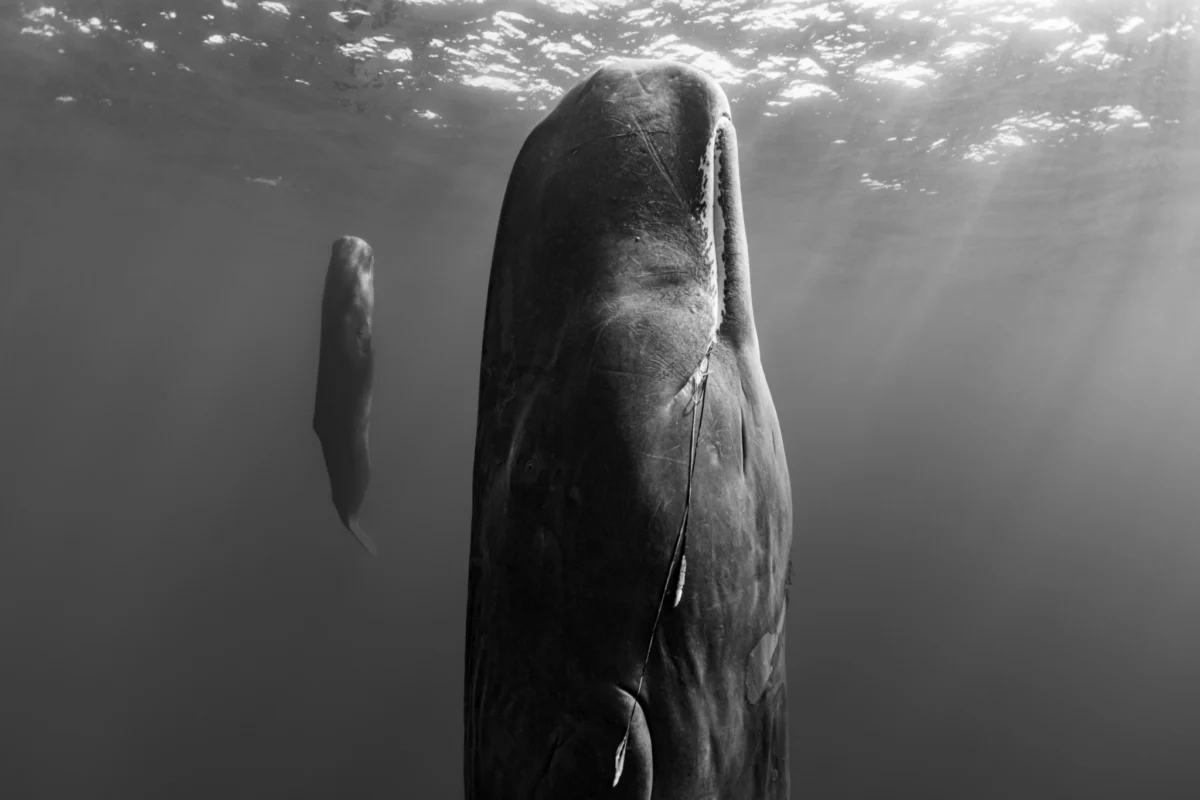
One such transformative encounter occurred off the coast of Dominica, a Caribbean island renowned for its resident sperm whale population. Here, Nicklen experienced the profound privilege of free-diving with a snorkel alongside a pod of these majestic creatures. Sperm whales, known for their deep-diving capabilities, typically spend much of their lives in the ocean’s depths, surfacing primarily for rest and respiration. During these periods, they ascend vertically, their massive heads pointed towards the sky, creating an almost surreal tableau.
Ariel’s Playful Approach: Redefining Encounters with Marine Giants
On this particular occasion, Nicklen was documenting a group of sperm whales dozing in this characteristic posture. The matriarch and her pod were demonstrably aware of his presence, exhibiting a remarkable level of comfort and acceptance. As Nicklen ascended for a breath, a sudden, unexpected interaction unfolded. The youngest member of the pod, a calf affectionately nicknamed "Ariel" by local researchers and guides, detached itself from its mother and made a direct course for the photographer.
What followed was a moment that encapsulated the unexpected nature of wildlife encounters. Ariel, described as a "little calf," charged at Nicklen with an exuberance that belied her 20-foot length. Bracing for impact, Nicklen observed the calf’s mouth open, revealing no teeth, and then experienced a gentle, albeit firm, gumming of his camera housing. This playful, almost childlike, interaction shattered any lingering notions of the whale as a monstrous entity. Nicklen, drawing on years of experience working with large and unpredictable wildlife, calmly maneuvered away, allowing himself to breathe. The encounter with Ariel was not one of fear or danger, but of pure, unadulterated curiosity and a surprising, tender playfulness—a far cry from the mythical sea monsters of maritime lore.

This specific incident, documented in a photograph that shows Ariel emitting a playful stream of bubbles as she barrels past Nicklen, has become a poignant symbol of the potential for peaceful coexistence between humans and even the largest marine animals. The image serves as visual evidence of Ariel’s inquisitive nature, highlighting a behavior that defies the aggressive stereotypes often associated with her species.
The Enduring Value of Natural Immersion
Reflecting on his life, Nicklen draws a direct line from his early Arctic childhood, where he followed in the footsteps of local wildlife, to his present-day immersion in the natural world. These formative experiences, he contends, cultivated a deeper capacity to connect with Earth’s wild inhabitants. The more one allows oneself to be enveloped by nature, the more the world reveals its wonders, offering a continuous stream of novel experiences and profound insights.
In a world increasingly defined by rapid technological advancement and the relentless pursuit of material comfort, Nicklen posits that nature offers something far more valuable: genuine connection. The simple act of spending time in natural environments, observing its rhythms, and engaging with its inhabitants fosters a sense of belonging and purpose that manufactured luxuries can never replicate. This connection, he believes, is the ultimate gift, a wellspring of strength and well-being that sustains us throughout our lives.
Broader Implications: Conservation and the Human-Nature Dichotomy
Nicklen’s narrative underscores a critical contemporary issue: the growing disconnect between humanity and the natural world. As urban populations expand and digital engagement intensifies, the opportunities for direct, meaningful interaction with nature dwindle. This detachment can lead to a diminished understanding of ecological processes, a lack of empathy for other species, and ultimately, a weakening of the impetus for conservation.
The encounters described by Nicklen, particularly the playful interaction with Ariel, serve as powerful counterpoints to the prevailing narratives of human dominance over nature. They highlight the inherent sentience and complex social lives of wild animals, challenging anthropocentric viewpoints. Such experiences can foster a sense of shared existence, promoting a more ethical and sustainable relationship with the environment.
The implications of Nicklen’s work extend beyond personal reflection; they have tangible impacts on conservation efforts. By capturing the beauty and vulnerability of wildlife through his photography, he raises awareness and inspires action. Images of majestic whales, playful calves, and resilient Arctic creatures can galvanize public support for policies that protect habitats and mitigate threats such as pollution, overfishing, and climate change.
The scientific community has long recognized the importance of such visceral connections for fostering conservation ethics. Studies in environmental psychology consistently demonstrate that positive experiences in nature, especially during childhood, correlate with higher levels of environmental concern and pro-environmental behaviors in adulthood. Nicklen’s personal journey serves as a compelling real-world illustration of these principles.
Furthermore, understanding the social structures and intelligence of species like sperm whales is crucial for effective marine conservation. Research into whale communication, migration patterns, and social dynamics, often facilitated by dedicated researchers and photographers, informs strategies for managing marine protected areas, reducing bycatch in fisheries, and mitigating the impacts of shipping noise and plastic pollution. The seemingly simple act of a calf playing with a human can open a window into a complex, intelligent world that deserves our protection.
The data supporting the importance of biodiversity is stark. The International Union for Conservation of Nature (IUCN) Red List of Threatened Species currently lists over 44,000 species as threatened with extinction, a testament to the pressures facing global ecosystems. Whales, while having seen some recovery from historical whaling, still face numerous anthropogenic threats. Understanding their behavior, as facilitated by individuals like Nicklen, is vital for developing targeted conservation interventions.
In conclusion, Paul Nicklen’s narrative is a profound testament to the transformative power of nature. His journey from the Arctic wilderness to the depths of the ocean, culminating in a heartwarming encounter with a baby sperm whale, encapsulates the essence of a life enriched by direct experience with the wild. It serves as a powerful reminder that true wealth lies not in material possessions, but in the enduring connections we forge with the natural world and the profound understanding it offers of our place within the grand tapestry of life. This understanding, nurtured through observation and empathy, is the bedrock upon which a sustainable future for all species, including our own, must be built.