The Rise of High-Fidelity Professionalism: Nano Banana Pro
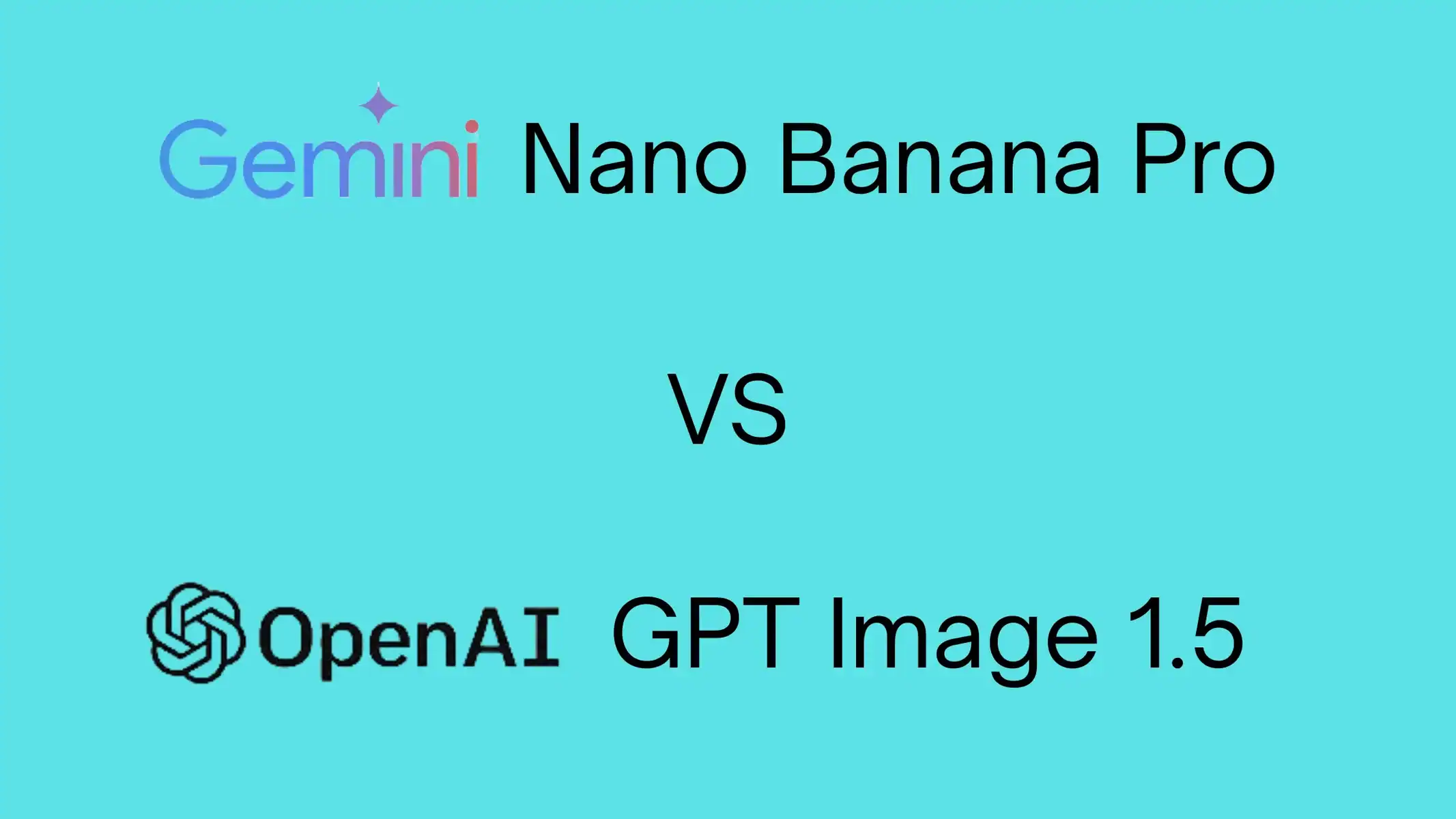
Google’s late-November 2025 release of Nano Banana Pro, a high-performance variant within the Gemini ecosystem, signaled a shift in strategy toward the professional creative sector. Unlike earlier iterations of AI image generators that often prioritized stylistic flair over anatomical or physical accuracy, Nano Banana Pro was engineered specifically for photorealism and commercial utility. Industry analysts note that the model appears designed to challenge the dominance of traditional stock photography by offering "stock-like" precision—images that possess the lighting, composition, and clarity required for high-end print and digital media.
One of the most significant breakthroughs attributed to Nano Banana Pro is its proficiency in rendering human subjects. Historically, AI models have struggled with the complexities of human anatomy, particularly hands, eyes, and skin textures. Early user feedback from professional photographers and art directors indicates that Nano Banana Pro has largely mitigated these "uncanny valley" effects. Furthermore, the model has demonstrated a reduced propensity for algorithmic bias, a persistent issue in previous generative models, by utilizing a more diverse and curated training dataset that reflects global demographics more accurately.
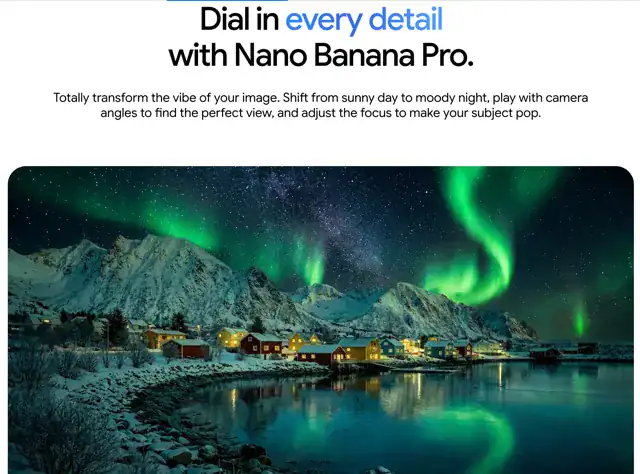
The interface of Nano Banana Pro deviates from the standard conversational AI model. It provides a dedicated creative suite that allows for granular control over image parameters. The standout feature, according to early adopters, is its non-destructive editing capability. Users can isolate specific elements within a generated image—such as a piece of clothing or a background object—and modify them through text prompts without altering the overall composition or lighting of the scene. This "localized iteration" is a critical requirement for professional workflows where consistency is paramount.
OpenAI’s Iterative Leap: GPT Image 1.5
In mid-December 2025, OpenAI responded to Google’s momentum with the release of GPT Image 1.5. This version represents a substantial departure from the previous GPT Image 1 architecture, focusing on two primary pillars: generation speed and creative versatility. By integrating the image generation engine more deeply into the ChatGPT ecosystem, OpenAI has maintained its lead in accessibility, allowing users to generate complex visuals through fluid, natural language conversations rather than technical prompting.
GPT Image 1.5 excels in what researchers call "creative flare." The model is programmed to interpret vague or abstract prompts with a high degree of artistic intuition, making it an ideal tool for rapid prototyping, concept art, and social media content creation. Data from initial user testing suggests that GPT Image 1.5 can generate a standard high-definition image in under four seconds, a marginal but noticeable lead over Nano Banana Pro’s average of six to eight seconds.
However, the tool’s reliance on the chat-based interface remains a point of contention for professional users. While the conversational approach is user-friendly for laypeople, it often lacks the precision required for complex revisions. When a user requests a minor change to a generated image, GPT Image 1.5 occasionally struggles with "contextual persistence," sometimes regenerating the entire image or introducing new artifacts rather than modifying the specific requested area. Despite these hurdles, its ability to weave text and imagery together in a single, coherent workflow makes it a formidable competitor in the broader consumer market.
A Chronology of 2025 AI Image Milestones
The current rivalry is the culmination of a year-long series of developments that have reshaped the AI landscape:

- January 2025: OpenAI releases GPT Image 1.2, introducing basic "consistent character" features to help storytellers maintain visual continuity across multiple frames.
- March 2025: Google integrates Gemini-powered image generation into its Workspace suite, allowing enterprise users to generate visuals directly within Slides and Docs.
- June 2025: Midjourney and Adobe Firefly announce a collaborative metadata standard (C2PA) to combat deepfakes, forcing Google and OpenAI to adopt similar transparency protocols.
- September 2025: Rumors of "Project Banana" at Google leak, suggesting a focus on "micro-diffusion" techniques for ultra-fast, high-resolution rendering.
- November 2025: Google officially launches Nano Banana Pro, targeting the professional design market.
- December 2025: OpenAI counters with GPT Image 1.5, prioritizing speed and conversational integration just before the holiday season.
Technical Performance and Comparative Data
Comparative analysis of the two models reveals distinct strengths. In blind quality tests conducted by digital media groups, Nano Banana Pro consistently scored higher (4.8/5) in "Photorealism" and "Anatomical Accuracy." In contrast, GPT Image 1.5 dominated the "Creative Originality" and "Prompt Adherence" categories, particularly when prompts involved complex metaphors or abstract concepts.
From a technical perspective, Nano Banana Pro utilizes a hybrid architecture that combines traditional diffusion models with a neural-rendering engine. This allows the model to "understand" 3D space more effectively, leading to superior lighting and shadows. GPT Image 1.5, meanwhile, leverages a refined transformer-based approach that prioritizes the semantic relationship between words and pixels, which explains its superior performance in translating conversational nuances into visual details.
Industry Reactions and Commercial Implications
The reaction from the stock photography and creative services industry has been a mixture of apprehension and strategic adaptation. Major stock agencies have begun integrating the APIs of both models into their platforms, offering "AI-generated but human-curated" libraries to their clients.
"The race between Nano Banana Pro and GPT Image 1.5 isn’t just about who has the better pixels," says Marcus Thorne, a senior analyst at Digital Visionary Research. "It’s about who controls the workflow. Google is positioning itself as the ‘Photoshop’ of AI—a precision tool for pros. OpenAI is positioning itself as the ‘operating system’ for creativity—a ubiquitous assistant for everyone."

Legal experts also note that the commercial viability of these tools is heavily dependent on their respective licensing frameworks. Google has introduced a "Commercial Indemnity" clause for Nano Banana Pro users, promising legal protection against copyright claims for enterprise subscribers. OpenAI has followed suit with its "Copyright Shield" program, though the specifics of its training data remains a subject of ongoing discussion in intellectual property circles.
Broader Impact on the Creative Economy
The emergence of these two tools has significant implications for the creative economy. For freelance designers and small agencies, the barrier to entry for high-quality visual production has been drastically lowered. A task that previously required a professional photo shoot or hours of manual retouching can now be accomplished in minutes.
However, this democratization of high-end imagery also brings challenges. The market for entry-level graphic design and basic commercial photography is experiencing downward pricing pressure. Professionals are increasingly finding that their value lies not in the "production" of the image, but in the "curation" and "conceptualization" of the visual narrative.
Furthermore, the environmental and ethical costs of these models remain a topic of debate. The computational power required to run Nano Banana Pro and GPT Image 1.5 at scale is immense. Both Google and OpenAI have committed to using carbon-neutral data centers, yet the sheer volume of images being generated daily—estimated in the hundreds of millions—continues to grow.
Future Outlook: Toward 2026
As 2025 concludes, the competition shows no signs of stagnating. Rumors within the industry suggest that OpenAI is already working on a video-integrated version of GPT Image, while Google is reportedly refining its "Banana" architecture to support real-time 3D environment generation for virtual reality applications.
The current "race to dominate" has ultimately benefited the end-user. Whether a creator requires the surgical precision and photorealism of Nano Banana Pro or the rapid, intuitive, and conversational creativity of GPT Image 1.5, the tools available today represent a level of technological sophistication that was considered science fiction only a few years ago. The focus for 2026 will likely shift from "image quality" to "workflow integration," as these AI models move from being standalone tools to becoming the invisible backbone of the global creative industry.