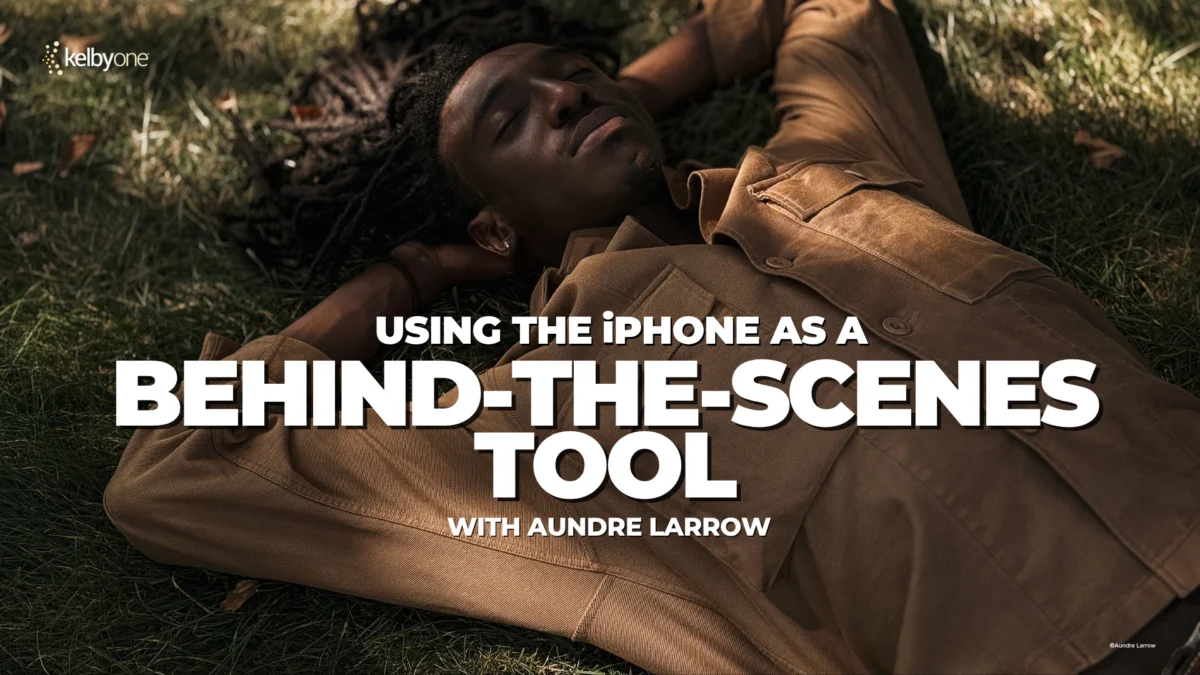
This week, on the widely followed photography discussion program The Grid, hosts Scott Kelby and Erik Kuna delved into a pressing question resonating with an increasing number of photographers across the globe: whether the ubiquitous smartphone, particularly advanced models like the iPhone Pro, has effectively supplanted the traditional camera bag as the primary tool for image capture. The conversation illuminated the remarkable strides made in mobile photography, presenting a compelling argument for the smartphone’s capabilities while also acknowledging its inherent limitations compared to dedicated photographic equipment.
The episode served as a pivotal point for examining the current landscape of photography, showcasing Kelby’s own extensive portfolio of travel, landscape, and portrait images—all meticulously captured using recent iPhone Pro models. This demonstration underscored the sophisticated advancements in mobile imaging, from the nuanced rendering of "Studio Light" portraits to the seamless precision of panoramic stitching, and the impressive focal length versatility spanning an equivalent of 13mm to 200mm. The discussion, anchored by these visual proofs, effectively highlighted the formidable power now contained within the compact device in one’s pocket.
The Evolution of the Pocket Camera: A Chronology of Innovation
The journey from rudimentary camera phones to the sophisticated imaging devices we carry today is a testament to rapid technological innovation. While the concept of a phone with a built-in camera first emerged in the early 2000s, it was arguably the launch of the original iPhone in 2007 that truly democratized mobile photography, shifting the paradigm from a niche feature to a core functionality. Early iterations of smartphone cameras were often limited by small sensors, basic lenses, and minimal processing power, resulting in images suitable primarily for casual sharing rather than serious photographic pursuits.
However, the past decade has witnessed an exponential acceleration in mobile imaging technology. Key milestones include the introduction of High Dynamic Range (HDR) processing, which combines multiple exposures to create a single image with extended tonal range, and the advent of Portrait Mode, which leverages computational photography to simulate the shallow depth of field typically associated with larger sensor cameras and fast lenses. Subsequent advancements brought forth multiple lens systems—ultra-wide, wide, and telephoto—providing photographers with a versatile array of perspectives without the need for interchangeable lenses. Night Mode, another significant leap, transformed low-light photography on smartphones, enabling surprisingly detailed and bright images in challenging conditions.
Recent iPhone Pro models, specifically referenced by Kelby and Kuna, epitomize this technological zenith. The "13mm-200mm lens range" mentioned in their discussion refers to the combined capabilities of the ultra-wide lens (approximately 13mm equivalent), the standard wide lens (around 24mm equivalent), and the telephoto lens (typically 77mm or 120mm equivalent on current Pro models), augmented by advanced digital zoom and computational techniques that can extend effective reach to the 200mm mark. Features like the Photonic Engine, Deep Fusion, and ProRAW further enhance image quality, dynamic range, and post-processing flexibility, enabling results that were once exclusive to professional-grade equipment. This chronological progression illustrates a relentless pursuit of photographic excellence, culminating in devices that are not just convenient, but genuinely capable.
Supporting Data and the Computational Photography Revolution
The shift towards smartphone photography is not merely anecdotal; it is substantiated by robust industry data. Market research firms consistently report a sustained decline in sales of traditional point-and-shoot cameras, a segment largely absorbed by the pervasive smartphone. While DSLR and mirrorless camera sales remain stable or show marginal growth in the professional and enthusiast segments, the sheer volume of photos captured globally is overwhelmingly dominated by smartphones. Industry analysts estimate that over 90% of all photographs taken annually are now captured on mobile devices, underscoring their unchallenged ubiquity. This trend is further amplified by the proliferation of social media platforms, which are inherently designed for mobile-first content creation and sharing.
At the heart of this revolution lies computational photography—a paradigm shift that leverages software algorithms, artificial intelligence, and machine learning to overcome the physical limitations of small sensors and fixed optics. Unlike traditional photography, where image quality is predominantly determined by hardware (lens quality, sensor size), computational photography actively processes and enhances images using sophisticated software before they are even stored.
Examples abound:
- Deep Fusion: Introduced in 2019, this technology captures multiple frames at different exposures and stitches them together pixel by pixel, optimizing for detail and low noise, especially in medium-light conditions.
- ProRAW: While still a processed file, ProRAW offers a hybrid approach, combining the benefits of computational photography with the flexibility of a traditional RAW file, providing greater control for editing.
- Photonic Engine: A more recent advancement, it applies computational techniques earlier in the imaging pipeline, allowing for greater detail, richer colors, and improved dynamic range across all lighting conditions.
- Smart HDR: Continuously evolving, Smart HDR captures multiple exposures and intelligently merges them to preserve detail in both highlights and shadows, producing images with a broader dynamic range.
- Portrait Mode: Utilizes depth mapping and machine learning to accurately separate subjects from backgrounds, applying an artificial bokeh effect that mimics the shallow depth of field of professional lenses.
- Night Mode: Automatically detects low-light conditions and captures a series of frames over several seconds, aligning and merging them to produce brighter, more detailed, and less noisy images than previously possible.
These innovations collectively empower smartphones to achieve results that would be technically challenging, if not impossible, for traditional cameras without significant post-processing or specialized equipment. The discussion on The Grid underscored how these features are not mere gimmicks but fundamental tools that enhance image quality and expand creative possibilities, effectively "leveling the playing field" for photographers of all skill levels.
Beyond built-in features, Scott and Erik also touched upon "must-know settings and helpful apps" that can further elevate mobile photography. This typically includes understanding manual controls available in third-party apps like Halide or Moment Pro Camera, which unlock granular control over ISO, shutter speed, and white balance, mimicking a traditional camera interface. Utilizing native features like Photographic Styles for consistent looks, or Action Mode for stabilized video, further enhances the creative toolkit. These software and application layers are crucial supporting elements that transform a powerful camera into a versatile photographic system.
Where Mobile Photography Shines and Its Persistent Limitations
The episode’s hosts articulated distinct scenarios where iPhone photography truly excels, often surpassing the convenience and sometimes even the practical utility of traditional camera setups. Travel photography stands out as a prime example. The compact nature of a smartphone, coupled with its robust imaging capabilities and instant connectivity, makes it an ideal companion for capturing moments on the go. There’s no need to carry multiple lenses, heavy camera bodies, or cumbersome accessories. Images can be instantly reviewed, edited, and shared with friends, family, or social media followers, streamlining the entire workflow.
Similarly, street photography benefits immensely from the discreetness and speed of a smartphone. Its unassuming appearance allows photographers to blend into their surroundings, capturing candid moments without drawing undue attention, a stark contrast to the often intimidating presence of a large DSLR. For everyday shooting, the smartphone is unparalleled. It’s the camera that’s always with you, ensuring that no fleeting moment, whether a spontaneous family gathering or an unexpected beautiful sunset, goes uncaptured.
Despite these undeniable strengths, Kelby and Kuna also addressed the critical area where traditional cameras still maintain a decisive edge. The most significant limitation of smartphones remains the fundamental physics of sensor size. Even the most advanced smartphone sensors are significantly smaller than those found in mirrorless or DSLR cameras. This physical constraint directly impacts low-light performance, dynamic range, and the ability to achieve true optical depth of field (bokeh) without computational assistance. While computational photography works wonders to mitigate these issues, it cannot entirely replicate the inherent light-gathering capabilities and image fidelity of a larger sensor.
Furthermore, ergonomics and physical controls are often cited as areas where traditional cameras retain superiority. Dedicated cameras offer a comfortable grip, customizable buttons, and tactile dials that allow for quick, intuitive adjustments, especially critical in fast-paced shooting environments. Battery life for extended professional shoots can also be a concern for smartphones, which are designed for multi-purpose use. The versatility of interchangeable lenses on traditional cameras also provides a level of creative control and specialization (e.g., extreme telephoto for wildlife, specialized macro lenses) that smartphones, despite their impressive lens arrays, cannot yet match. Optical zoom on dedicated lenses still generally outperforms digital zoom or computationally enhanced zoom on phones, particularly when pixel-peeping. For professional contexts such as high-stakes sports photography, remote wildlife observation, or controlled studio portraiture demanding maximum resolution and flexibility, specialized camera systems remain indispensable.
Broader Impact and Implications for the Photographic Industry
The ascent of mobile photography, championed by devices like the iPhone Pro, carries profound implications that extend beyond mere image capture, reshaping the photographic industry, the definition of a photographer, and the very accessibility of visual storytelling. The most significant impact is arguably the democratization of photography. With powerful cameras now standard in billions of pockets worldwide, the barrier to entry for producing high-quality images has been drastically lowered. This "leveling of the playing field," as highlighted by The Grid‘s discussion, means that individuals previously constrained by the cost and complexity of traditional gear can now express themselves visually with remarkable fidelity. This has fostered an explosion of new content creators, visual journalists, and artists, enriching the global visual lexicon.
For the traditional camera industry, the rise of smartphones has necessitated a strategic pivot. While the point-and-shoot market has largely vanished, manufacturers of DSLRs and mirrorless cameras have responded by focusing on innovation in higher-end segments, emphasizing larger sensors, advanced autofocus systems, superior video capabilities, and specialized features that smartphones cannot replicate. This has pushed the boundaries of professional imaging technology, ensuring that dedicated cameras continue to serve niche markets requiring absolute technical superiority.
Moreover, the shift impacts the very skill sets required of photographers. While technical mastery of camera settings was once paramount, the computational prowess of smartphones often handles many of these parameters automatically. This frees photographers to focus more intently on the foundational elements of image-making: composition, lighting, storytelling, and emotional resonance. The emphasis moves from how to capture a technically perfect image to what story the image tells and how it engages the viewer. This paradigm shift encourages creativity and visual literacy over purely technical proficiency, fostering a new generation of visually astute individuals.
The "camera bag" itself is undergoing a transformation. While fewer photographers may carry a bulky bag filled with lenses and bodies, a new ecosystem of mobile accessories has emerged. Gimbals for stable video, external microphones for superior audio, portable LED lights, and specialized mobile lenses (clip-on or mounted) are becoming common additions for serious mobile content creators, effectively creating a "mobile camera bag" tailored to the smartphone’s form factor.
Upcoming iPhone Photography Conference and Continued Exploration
The episode concluded with an exciting preview of the upcoming iPhone Photography Conference, hosted by KelbyOneLive.com. This event, dedicated entirely to the art and science of mobile photography, serves as a clear indicator of the professionalization and growing interest in this field. Such conferences offer invaluable opportunities for learning advanced techniques, exploring new apps, and connecting with a community of like-minded mobile photographers, further solidifying the smartphone’s place as a legitimate and powerful photographic tool. The inclusion of "great giveaways" also adds an element of community engagement, reinforcing the idea that this burgeoning field is dynamic and rewarding.
In essence, the discussion on The Grid did not merely ask if the iPhone has replaced the camera bag; it implicitly explored the evolving definition of photography itself in the digital age. While traditional cameras will undoubtedly retain their essential role in specific professional domains, the iPhone Pro and its contemporaries have undeniably reshaped the landscape, offering unparalleled accessibility, powerful computational capabilities, and an exciting future for visual creators worldwide. The invitation to "watch the replay below and see how far you can push the camera that’s already in your pocket" serves as a compelling call to action, encouraging everyone to explore the vast photographic potential residing within their everyday device.