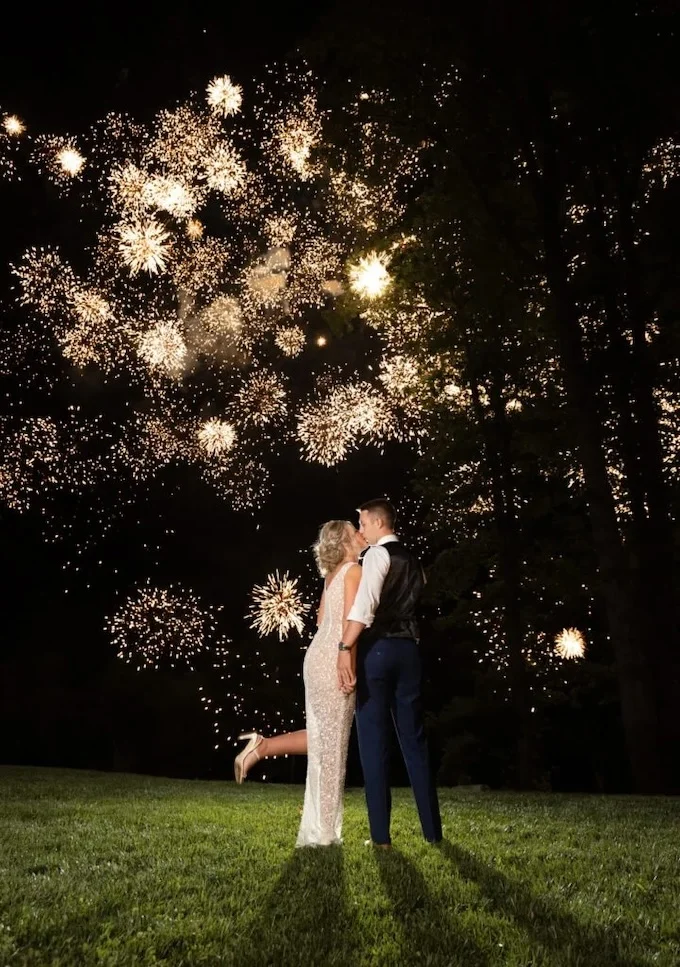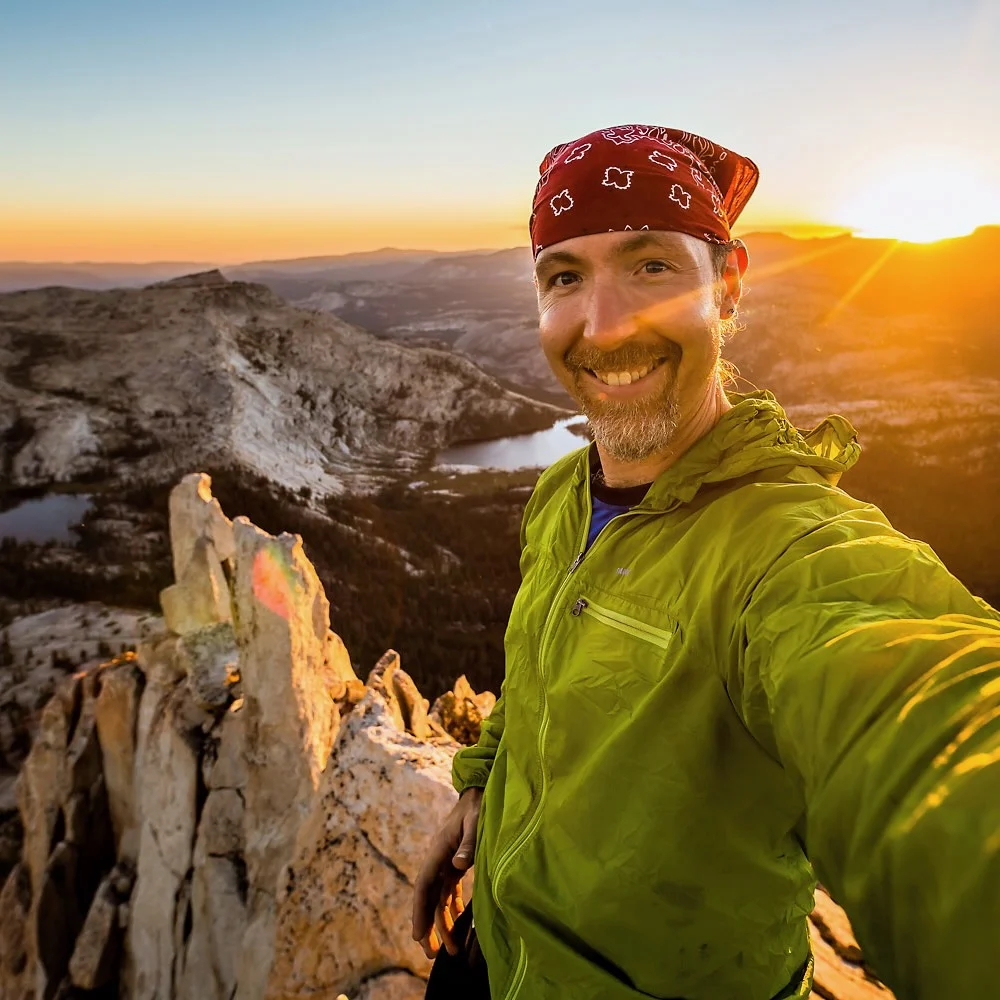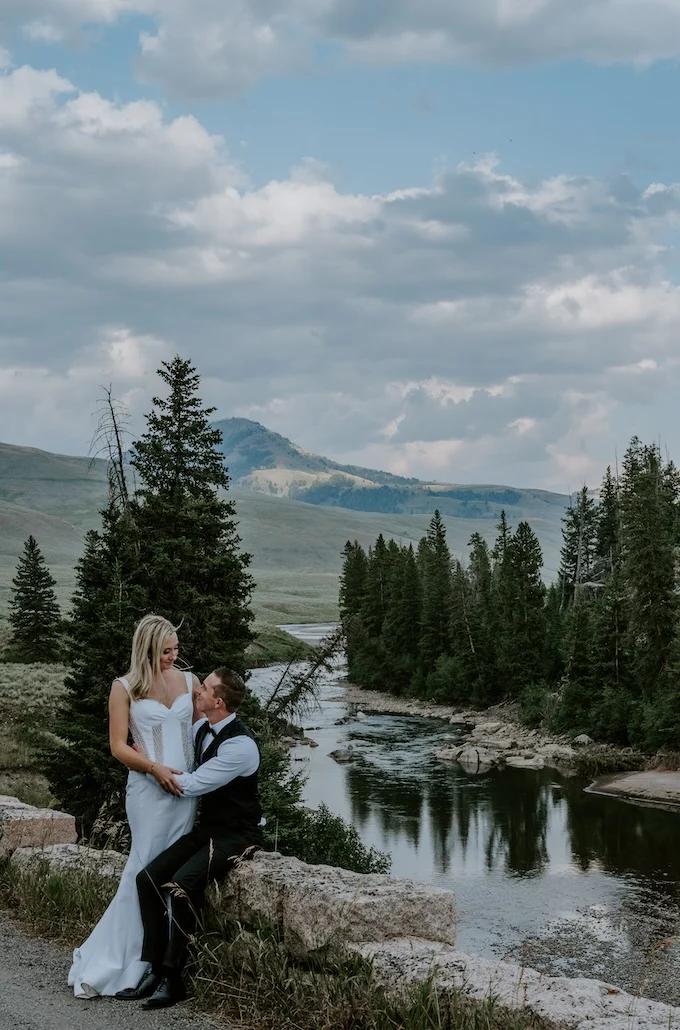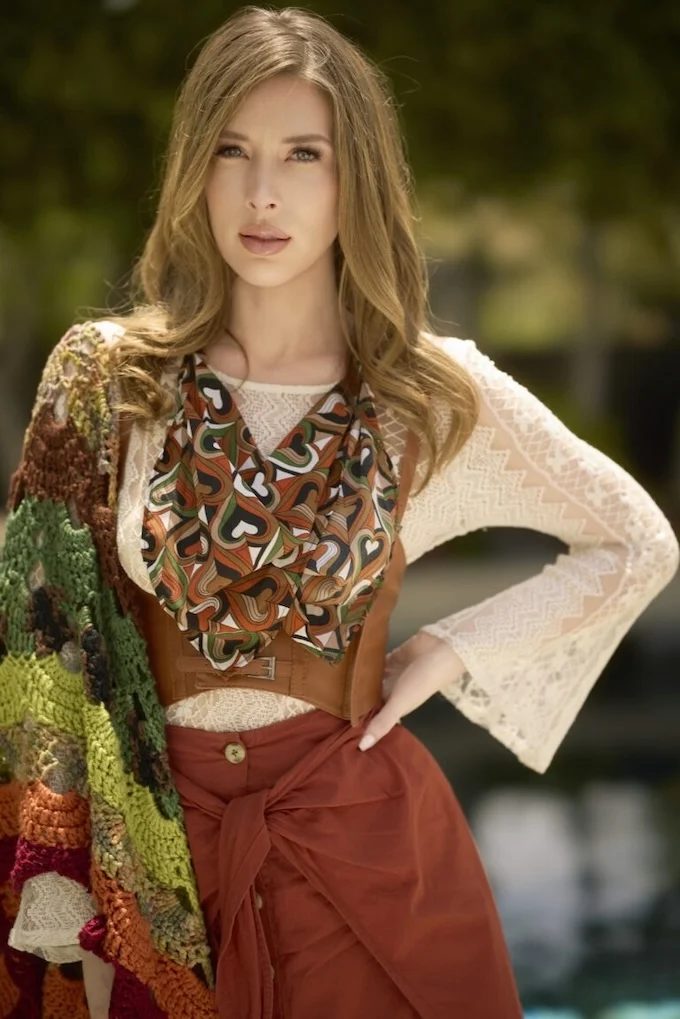
When it comes to lighting in photography, a pervasive inclination exists among many practitioners to gravitate towards soft, diffused light. This preference often manifests in the widespread use of diffusers for flashes, shooting through umbrellas, and strategically seeking out overcast skies. However, renowned photographer Roberto Valenzuela is challenging this conventional wisdom, asserting that some of the most captivating and impactful portraits are born from the deliberate embrace of hard light. Valenzuela’s groundbreaking insights are now accessible through his “Dynamic Lighting Masterclass,” available on WPPI On Demand, offering a transformative perspective that could fundamentally alter how photographers approach portraiture.
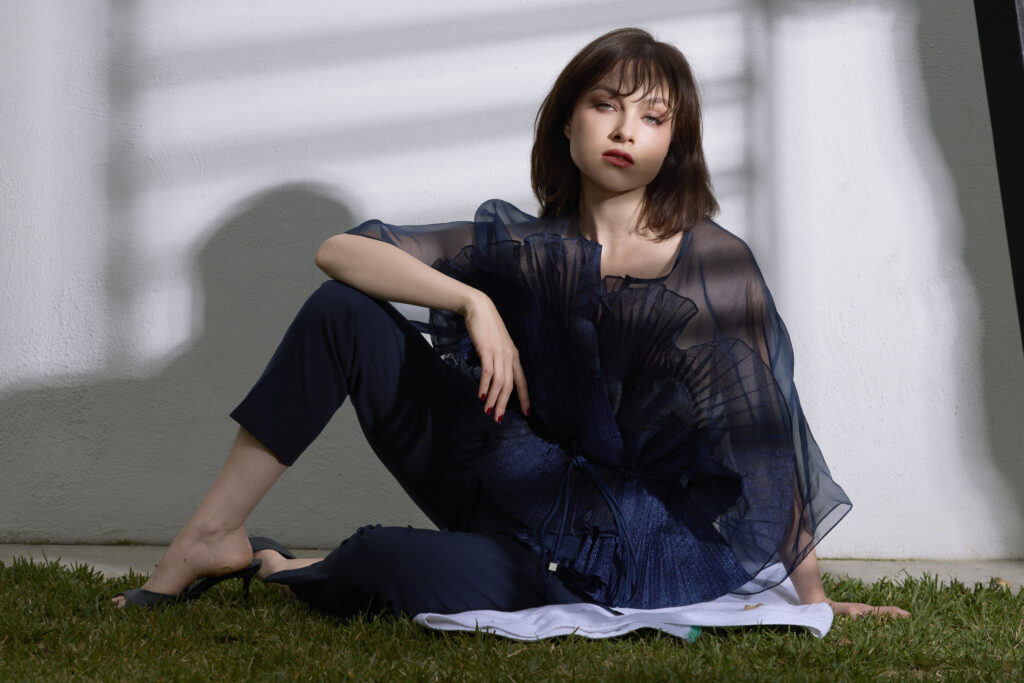
The common perception of hard light in photography is that it is inherently difficult to manage, often leading to unflattering shadows and harsh highlights. This perception, Valenzuela argues, stems from a misunderstanding of its potential and a lack of control over its application. “Hard light gets a bad reputation because it’s more difficult to use. But it’s not really difficult,” Valenzuela explains. “If you have some control over your subjects, hard light is going to look ten times more dynamic, ten times more amazing.” The efficacy of hard light, according to Valenzuela, lies in its ability to create images that possess a unique visual intensity. Such lighting techniques can result in portraits that are not only striking but also command sustained viewer attention, often due to their departure from the expected. “People are going to look at the photo, and they can’t stop looking at it. There’s something beautiful about it because it’s not normal to see lighting like that,” he elaborates. This inherent visual dynamism can elevate a portrait from merely a representation of a subject to a compelling work of art that evokes emotion and curiosity.
Valenzuela’s masterclass, which premiered on WPPI On Demand, represents a significant contribution to photographic education, particularly in the realm of lighting. WPPI (Wedding & Portrait Photographers International) is a globally recognized organization that provides resources, education, and networking opportunities for professionals in the wedding and portrait photography industry. The WPPI On Demand platform serves as a digital hub, offering a vast library of educational content from leading industry experts, accessible to photographers worldwide at their convenience. The release of Valenzuela’s course signifies the platform’s commitment to providing cutting-edge instruction on essential photographic techniques.

The Undeniable Power of Hard Light in Modern Portraiture
The inherent characteristics of hard light—defined by sharp, well-defined shadows and bright highlights—lend themselves to creating a dramatic and sculptural quality in portraits. Unlike soft light, which wraps around a subject and minimizes contrast, hard light carves out features, accentuating texture and form. This creates a sense of depth and dimension that can be exceptionally powerful in portraiture. When employed strategically, hard light can:
- Enhance Subject Definition: The sharp contrast created by hard light clearly delineates the contours of a subject’s face and body, adding a three-dimensional quality that can be both flattering and impactful. This is particularly effective in emphasizing bone structure, the curve of a jawline, or the intensity of the eyes.
- Create Dramatic Moods: The interplay of deep shadows and bright highlights can evoke a wide range of emotions and atmospheres. Hard light can be used to convey power, mystery, intensity, or even vulnerability, depending on its direction and quality.
- Isolate the Subject: By carefully controlling the spill of hard light and employing techniques like gridding, photographers can effectively separate their subject from the background. This isolation draws the viewer’s eye directly to the individual, creating a strong focal point and minimizing distractions.
- Add Visual Intrigue: In a visual landscape often saturated with soft, predictable imagery, the distinctive look produced by hard light can be a powerful differentiator. Its unconventional nature can pique a viewer’s interest and encourage deeper engagement with the photograph.
Valenzuela’s assertion that hard light is not inherently difficult but rather requires a different skillset and understanding is a crucial point for photographers to consider. It suggests that the perceived difficulty lies in the photographer’s existing approach rather than the light source itself. Mastering hard light involves a keen understanding of light direction, intensity, and its interaction with the subject’s form. This necessitates a more deliberate and controlled approach to lighting setups, moving beyond simply placing a light source and hoping for the best.

Essential Gear Considerations: The Indispensable Grid
A pivotal piece of advice from Roberto Valenzuela underscores a critical, yet often overlooked, aspect of working with hard light modifiers: the absolute necessity of a grid. Valenzuela issues a stern warning to photographers considering purchasing hard light modifiers: “Never buy a hard light modifier without also purchasing its grid. Hard modifiers without a grid is like a car without a steering wheel. If you can’t afford the grid, then don’t buy the modifier at all because it’s a waste of your money.”
This strong statement stems from the functional role of a grid in controlling light. A grid, typically a honeycomb-like attachment for a light modifier, serves to narrow the beam of light, directing it precisely where the photographer intends it to fall. Without a grid, hard light modifiers, such as snoots or beauty dishes, can be prone to significant light spill. This uncontrolled spill can illuminate unwanted areas of the background, reducing contrast and diminishing the crucial separation between the subject and their environment.

The strategic use of a grid allows photographers to achieve specific lighting effects, such as creating a spotlight on the subject’s face while keeping the background dark and unlit. This precise control is fundamental to harnessing the dramatic potential of hard light and achieving the desired aesthetic in portraiture. Valenzuela’s analogy of a car without a steering wheel is particularly apt; without the grid, the hard light modifier becomes an unwieldy tool, capable of producing more problems than solutions. Therefore, photographers investing in hard light modifiers are strongly advised to prioritize the acquisition of compatible grids to ensure effective and intentional light shaping.
The "Batman and Robin" Technique: A Synergistic Approach to Dynamic Lighting
Valenzuela introduces a compelling and memorable lighting strategy he terms the "Batman and Robin" technique. This approach leverages the strengths of both hard and softer light sources in a dynamic interplay to create portraits with exceptional impact and controlled aesthetics. The core concept involves using two distinct light sources: a primary hard light source, akin to the powerful, focused beam of Batman’s signal, and a secondary, softer or medium light source, representing Robin’s complementary role.

The "Batman" light, a hard source, is responsible for establishing the primary mood, drama, and definition in the portrait. It carves out features, creates striking highlights, and forms the foundational dramatic element of the image. This could be a bare bulb flash, a gridded spotlight, or a tightly controlled beauty dish.
The "Robin" light, on the other hand, serves as a crucial fill light. While Valenzuela acknowledges that it is possible to achieve the "Batman and Robin" effect with a single hard light source by carefully managing its placement and intensity, he notes that employing two lights offers greater control and flexibility. “You don’t have to,” Roberto admits, “but it works quite well to do it with two sources of light, a hard one and a medium or soft one.” This secondary light is typically positioned to gently lift the shadows created by the primary hard light, ensuring that essential detail is not lost in the darkness. This fill light does not overpower the primary light but rather complements it, preventing the image from becoming overly contrasty to the point of losing information. The quality of this fill light can range from a medium softbox to a bounced flash, depending on the desired level of subtlety.

The synergy between these two lights is what makes the "Batman and Robin" technique so effective. The hard light provides the dramatic punch and artistic flair, while the softer fill light ensures that the portrait remains balanced and retains a pleasing tonality. This combination allows photographers to achieve the intensity and visual intrigue of hard light without sacrificing the clarity and detail that are often associated with softer lighting. It represents a sophisticated approach to lighting, demonstrating how contrasting light qualities can be harmoniously integrated to produce visually stunning results.
Beyond the Basics: A Comprehensive Exploration of Light Shaping
The "Batman and Robin" technique, while transformative, represents just one facet of Roberto Valenzuela’s comprehensive approach to dynamic lighting. His full "Dynamic Lighting Masterclass" delves into a much broader spectrum of lighting theory and application, equipping photographers with a robust toolkit for creative control. The course is designed to move beyond rudimentary understanding and into advanced strategies for manipulating light to achieve specific artistic visions.

Within the masterclass, Valenzuela is said to explore a multitude of advanced topics, including:
- Advanced Light Shaping: This involves intricate techniques for controlling the direction, quality, and intensity of light. It could encompass the use of flags, gobos, and custom-designed light modifiers to sculpt light with unparalleled precision.
- Understanding Light Fall-off: A fundamental concept in lighting, light fall-off refers to how the intensity of light diminishes with distance. Valenzuela’s course likely explores how to leverage this phenomenon to create depth, dimension, and focus within an image.
- Color Theory in Lighting: Light is not just about intensity and direction; its color temperature plays a significant role in mood and aesthetic. The masterclass is expected to cover how to effectively use and manipulate color in lighting to enhance the emotional impact of portraits.
- Integrating Natural and Artificial Light: Many photographers struggle to seamlessly blend ambient light with artificial sources. Valenzuela’s expertise would likely guide participants on how to harmonize these disparate light sources for a natural and cohesive look.
- Creative Applications of Hard Light: Beyond the "Batman and Robin" technique, the course would presumably delve into numerous other creative applications of hard light, showcasing its versatility in various photographic scenarios. This might include dramatic portraiture, fashion photography, and even fine art applications.
- Post-Production Refinements: While strong lighting is paramount, post-production plays a crucial role in finalizing an image. Valenzuela’s masterclass likely includes insights into how to enhance and refine lighting effects in editing software, complementing the in-camera techniques.
The depth and breadth of topics covered in the "Dynamic Lighting Masterclass" suggest a curriculum designed for photographers seeking to elevate their craft significantly. It aims to empower them not just to use light, but to understand its behavior, control its every nuance, and ultimately, to bend it to their creative will. This comprehensive approach is essential for photographers who aspire to create work that is not only technically proficient but also artistically distinctive and memorable.
Transforming Your Photography with Dynamic Lighting
The insights offered by Roberto Valenzuela, particularly regarding the strategic use of hard light and the synergistic "Batman and Robin" technique, represent a paradigm shift for many photographers. While the instinct to soften light is understandable, often driven by a desire for flattering results, Valenzuela’s work demonstrates that embracing the inherent drama of hard light can lead to portraits with a unique and captivating presence.
The availability of his "Dynamic Lighting Masterclass" on WPPI On Demand provides an accessible avenue for photographers worldwide to learn directly from one of the industry’s leading experts. In an era where standing out is increasingly challenging, mastering lighting techniques that depart from the norm can be a significant competitive advantage. Valenzuela’s philosophy encourages photographers to push boundaries, experiment with unconventional approaches, and develop a more profound understanding of light’s transformative power.

The course is more than just a collection of techniques; it’s an invitation to rethink fundamental assumptions about lighting. By learning to shape, control, and intentionally employ light—even the "difficult" hard light—photographers can unlock new levels of creativity and produce images that resonate deeply with viewers. As Valenzuela suggests, sometimes the most striking and enduring images are born from the courage to explore techniques that others might shy away from, ultimately leading to a more dynamic and impactful body of photographic work.
Roberto Valenzuela’s extensive portfolio can be explored at RobertoValenzuela.com, and he can be followed on Instagram at @roberto_photo. For those interested in further exploring his methodologies, his previous article, "Create Spicy Photos that Enliven the Senses with Roberto Valenzuela," offers additional insights into his creative philosophy.