The decision of where a photographer chooses to stand in relation to their subject remains the most critical variable in the success of a landscape image, a principle that has gained renewed importance as mobile devices become the primary tool for global image-making. While hardware specifications and software algorithms have advanced significantly over the last decade, the physical placement of the photographer—often referred to as the "point of view" or "vantage point"—serves as the foundational element that technology cannot automate. Experts in the field, including educators from the iPhone Photography School, have recently highlighted this concept through specialized instructional content aimed at bridging the gap between amateur snapshots and professional-grade landscape photography. By analyzing the intersection of optical physics, compositional geometry, and the unique constraints of smartphone sensors, it becomes clear that the physical movement of the photographer is the ultimate tool for visual storytelling.
The Fundamental Shift in Mobile Compositional Strategy
In traditional photography, the use of telephoto and wide-angle lenses allows a photographer to alter the compression and field of view from a fixed location. However, the fixed focal lengths of most smartphone lenses—despite the introduction of multi-lens systems—demand a more active physical approach. The "iPhone Landscape Mastery" initiative emphasizes that "where to stand" is not merely a suggestion but a technical requirement for maximizing the dynamic range and depth of a mobile sensor. Because smartphone sensors are physically smaller than those found in full-frame DSLR or mirrorless cameras, they rely heavily on foreground elements to create a sense of scale and three-dimensional depth.
Professional landscape photography relies on the "near-far" technique, where an object in the immediate foreground is used to lead the eye toward a distant horizon. For an iPhone user, achieving this requires a proximity to the ground and a specific distance from the foreground subject that differs from traditional equipment. The instructional methodology currently being disseminated to global audiences focuses on this physical displacement, urging photographers to move beyond eye-level perspectives to discover angles that emphasize texture, leading lines, and natural framing.
A Chronology of Mobile Imaging Milestones
To understand the current emphasis on positioning, one must examine the rapid evolution of the technology that has turned the smartphone into a viable landscape tool. The timeline of these advancements illustrates why physical technique has become the final frontier for mobile artists.
- 2007–2010: The Era of Documentation. Early iPhone cameras (2MP to 5MP) were largely used for casual documentation. The lack of dynamic range meant that positioning was secondary to simply finding enough light to register an image.
- 2011–2015: The Rise of Computational Photography. With the iPhone 4S and subsequent models, HDR (High Dynamic Range) and improved sensor technology allowed for better landscape captures. Photographers began to experiment with composition, though they were still limited by a single wide-angle lens.
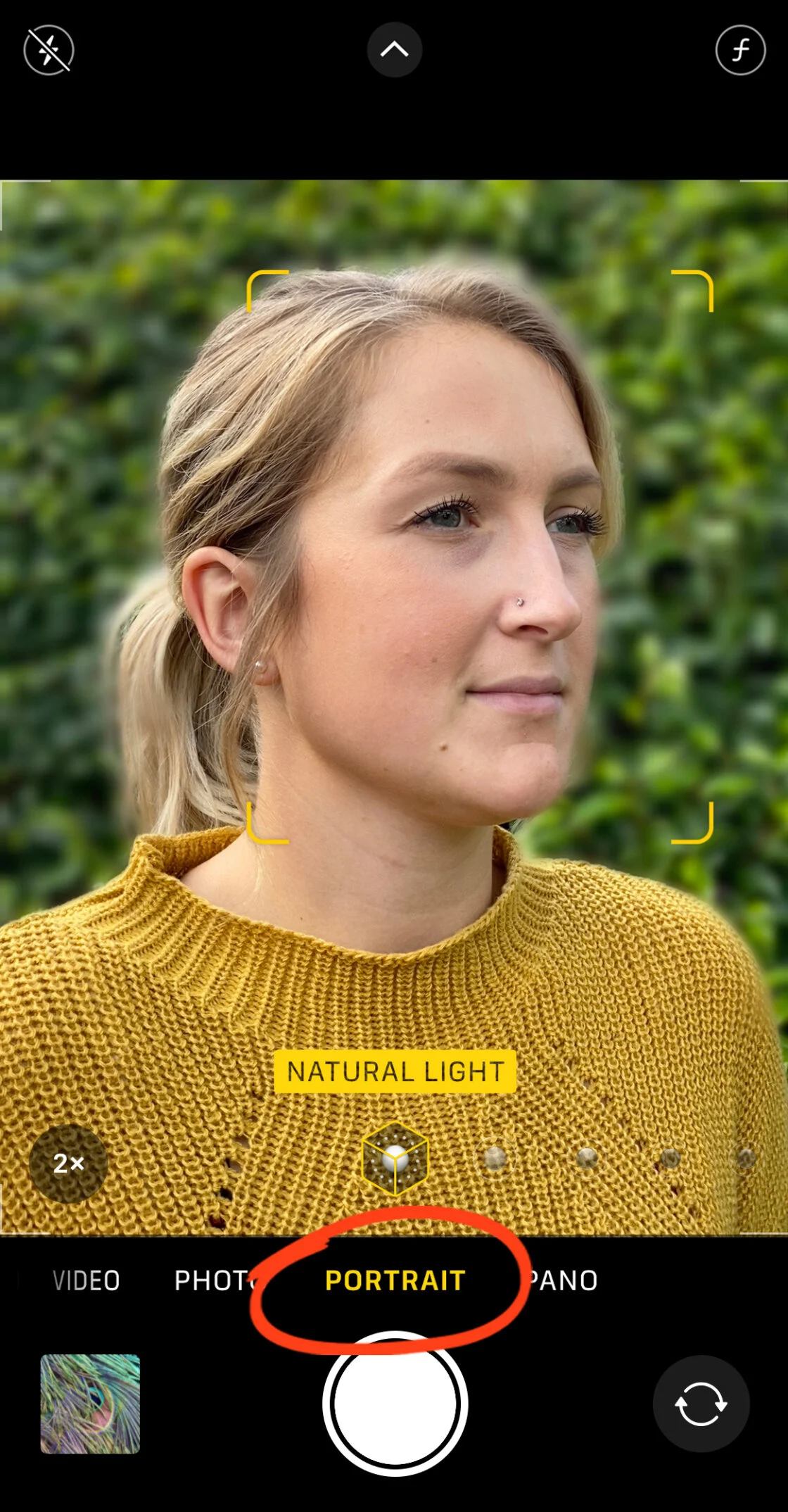
- 2016–2018: Multi-Lens Integration. The introduction of the dual-lens system in the iPhone 7 Plus allowed for optical zooming and better depth sensing. This era marked the beginning of "Portrait Mode" logic being applied to landscapes, requiring photographers to stand at specific distances to trigger software-based depth effects.
- 2019–Present: The Ultra-Wide and ProRAW Revolution. The introduction of the Ultra-Wide lens (13mm equivalent) and the ProRAW format changed the landscape entirely. The ultra-wide lens, in particular, made "where to stand" the most important question for a photographer, as even a few inches of movement can dramatically distort or enhance the perspective of a scene.
The Physics of Perspective: Why Physical Positioning Outperforms Digital Manipulation
Data from optical engineering studies suggest that digital zooming and post-process cropping result in a significant loss of resolution and an increase in digital noise, particularly in the fine details of a landscape, such as foliage or distant rock formations. Conversely, "zooming with your feet"—the act of physically moving closer or further from a subject—maintains the integrity of the sensor’s pixel density while fundamentally changing the relationship between objects in the frame.
This relationship, known as parallax, occurs when the position of an object appears to differ when viewed from different positions. In landscape photography, small adjustments in the photographer’s stance can align a mountain peak with a reflecting pool or hide distracting elements behind a tree trunk. According to industry analysis, over 85% of "failed" landscape photos are attributed to poor composition rather than technical hardware failure. By focusing on the strategic placement of the photographer, educational platforms are addressing the primary cause of aesthetic dissatisfaction in mobile photography.
Market Analysis: The Rise of Specialized Digital Photography Education
The demand for courses such as the "iPhone Landscape Mastery" program reflects a broader shift in the global education market. As of 2023, it is estimated that over 1.8 trillion photos are taken annually, with more than 90% of those captured on smartphones. This saturation has created a competitive "creator economy" where individuals seek specialized knowledge to differentiate their work on platforms like Instagram, 500px, and Adobe Stock.
Market data indicates that the "Photography Education" sector is projected to grow at a CAGR (Compound Annual Growth Rate) of 4.5% through 2028. This growth is driven by the democratization of high-end camera hardware. When everyone possesses a 48-megapixel camera in their pocket, the value of the image shifts from the "device" to the "vision." Consequently, the instructional focus has moved away from "how to use the settings" and toward "how to see the world."
Expert Perspectives and Industry Reactions
Leading figures in the mobile photography community have noted that the "where to stand" philosophy is a reaction to the over-reliance on AI-driven enhancements. "We are seeing a return to the fundamentals," says Marcus Reed, a visual communications analyst. "While the iPhone’s internal processor can fix exposure and color, it cannot choose a better angle. It cannot walk three meters to the left to avoid a fence. The human element of positioning is the one thing the algorithm hasn’t mastered yet."
In response to the release of new instructional videos from the iPhone Photography School, community feedback has highlighted a recurring theme: the "re-discovery" of the environment. Users have reported that by following specific guidelines on positioning, they are spending more time observing the landscape and less time looking at their screens. This "slow photography" movement within the mobile space is being viewed as a positive development for both artistic quality and the mental well-being of creators.
The Impact of Computational Photography on Physical Positioning
Modern iPhones utilize "Deep Fusion" and "Smart HDR" to composite multiple frames into a single image. However, these processes are highly sensitive to the physical stability and the angle of the lens. If a photographer stands in a position where the sun hits the lens at a specific oblique angle, it can cause lens flare that the software may struggle to interpret correctly.
Furthermore, the LiDAR (Light Detection and Ranging) scanners found in "Pro" models assist with autofocus and depth mapping in low light. The effectiveness of this hardware is directly tied to the photographer’s distance from the subject. Standing within the optimal range of the LiDAR sensor (typically up to 5 meters) allows for sharper foregrounds in "Night Mode" landscapes. Therefore, the technical "sweet spot" for standing is now dictated by both aesthetic preference and the functional limits of the phone’s infrared sensors.
Broader Industry Implications and the Future of Mobile Landscapes
The implications of this educational trend extend beyond hobbyist photography. Professional photojournalists and environmental researchers are increasingly utilizing iPhones for rapid documentation in the field. For these professionals, the ability to quickly identify the most informative vantage point is essential. The principles of positioning are being integrated into curriculum for journalism and environmental science, where a clear, well-composed landscape can serve as vital data.
Looking forward, the integration of Augmented Reality (AR) may soon assist photographers in real-time by suggesting "where to stand" based on historical data of popular viewpoints or compositional rules like the Golden Ratio. However, until such technology becomes ubiquitous, the mastery of physical space remains a manual skill.
In conclusion, the evolution of the iPhone from a communication device to a sophisticated landscape tool has not diminished the importance of traditional photographic principles. If anything, the constraints and capabilities of mobile sensors have made the photographer’s physical position more vital than ever. By focusing on the strategic "vantage point," educational initiatives are empowering a new generation of photographers to look beyond the screen and engage more deeply with the physical world. The landscape remains the same; it is the photographer’s willingness to move, crouch, and explore that transforms a standard image into a work of art.