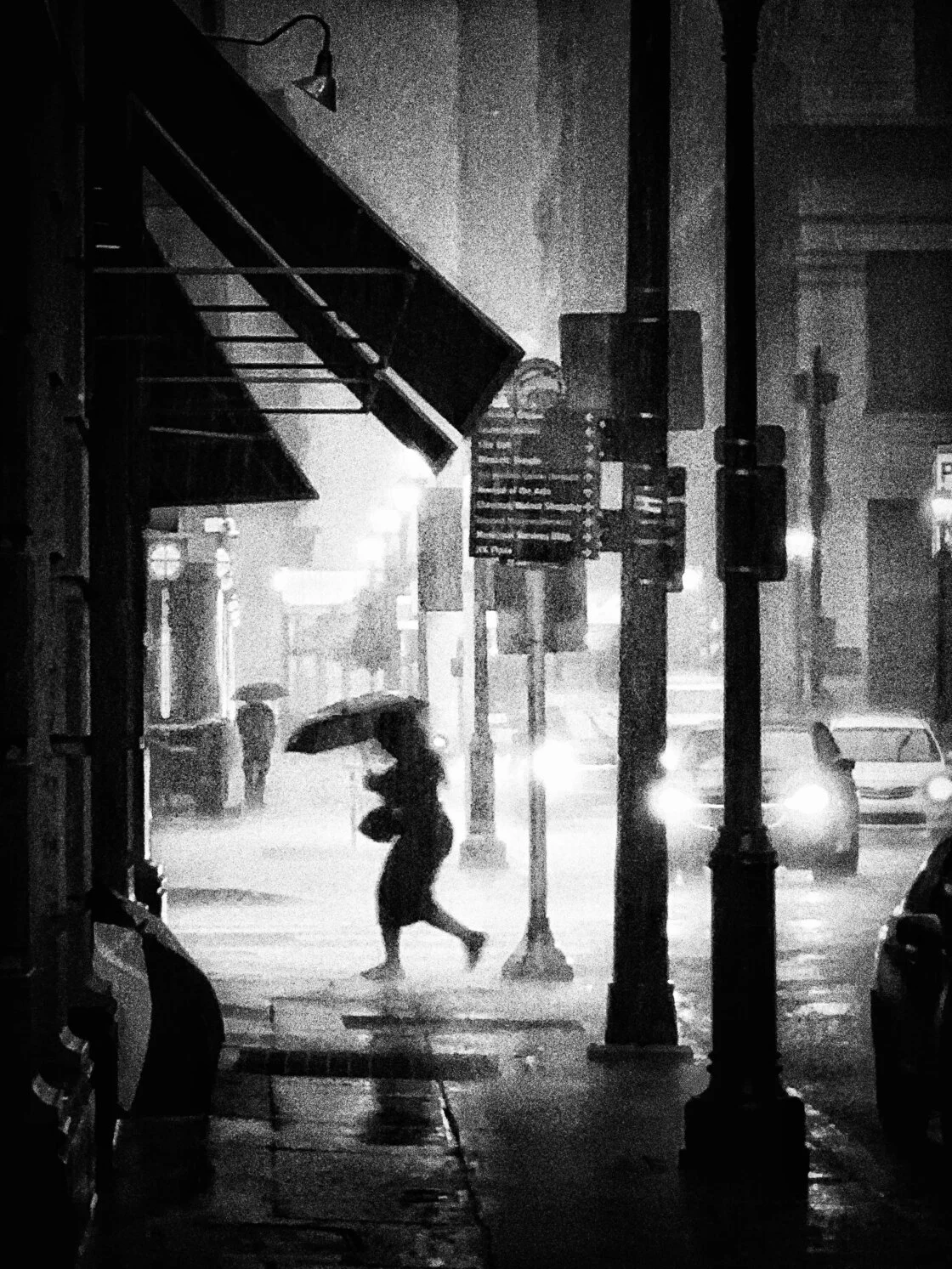
Mobile photography has undergone a significant technical and artistic transformation over the last decade, evolving from a casual convenience into a sophisticated medium for professional-grade urban documentation. While traditional photography often prioritizes clear skies and the "golden hour" of natural lighting, a growing movement within the street photography community emphasizes the creative potential of inclement weather. By leveraging the advanced computational capabilities of modern smartphones, photographers are now capable of capturing high-contrast, atmospheric images during rain, snow, and fog—conditions that were previously considered prohibitive for mobile sensors.
The following analysis details nine strategic techniques employed by professional mobile photographers, such as Philadelphia-based fine art photographer Andrew Gimblet, to utilize adverse weather as a narrative tool. These methods focus on composition, technical exposure management, and post-processing workflows that transform environmental challenges into visual assets.
The Strategic Value of Precipitation in Urban Narrative
The presence of rain in an urban environment fundamentally alters the visual landscape, introducing new textures and light-reflecting surfaces that are absent in dry conditions. Journalistic observations of street photography trends indicate that rainy-day imagery often carries a higher emotional resonance due to the increased drama and the visible interaction between citizens and the elements.
A primary strategy for capturing rain-soaked scenes involves the use of urban architecture as both a shield and a framing device. Professional practitioners often seek out "covered vantage points"—such as awnings, bus shelters, archways, and doorways—to maintain equipment safety while observing the street. This approach allows the photographer to document the "human element" of the storm, specifically focusing on the use of umbrellas. From a compositional standpoint, umbrellas provide bold geometric shapes and vibrant focal points that contrast with the typically muted tones of a storm. These objects serve as storytelling anchors, representing the universal human experience of seeking shelter or navigating the city under duress.
Macro-Perspective and the Use of Glass Barriers
Beyond wide-angle street scenes, inclement weather facilitates a more abstract, macro-focused approach to photography. One highly effective technique involves shooting through glass surfaces—such as cafe windows or bus windows—that have accumulated raindrops. By positioning the iPhone lens close to the glass and manually setting the focus on the droplets, the photographer creates a shallow depth-of-field effect.
This technical maneuver results in a sharply detailed foreground of water droplets while the urban background is rendered into a soft, impressionistic blur. The resulting imagery often mimics the aesthetic of oil paintings, moving the work from literal documentation into the realm of fine art. The ability of modern iPhone sensors to resolve fine detail in low-light, high-moisture environments is a testament to the advancements in mobile optics and image signal processing (ISP).
The Chronology of Post-Storm Reflection Photography
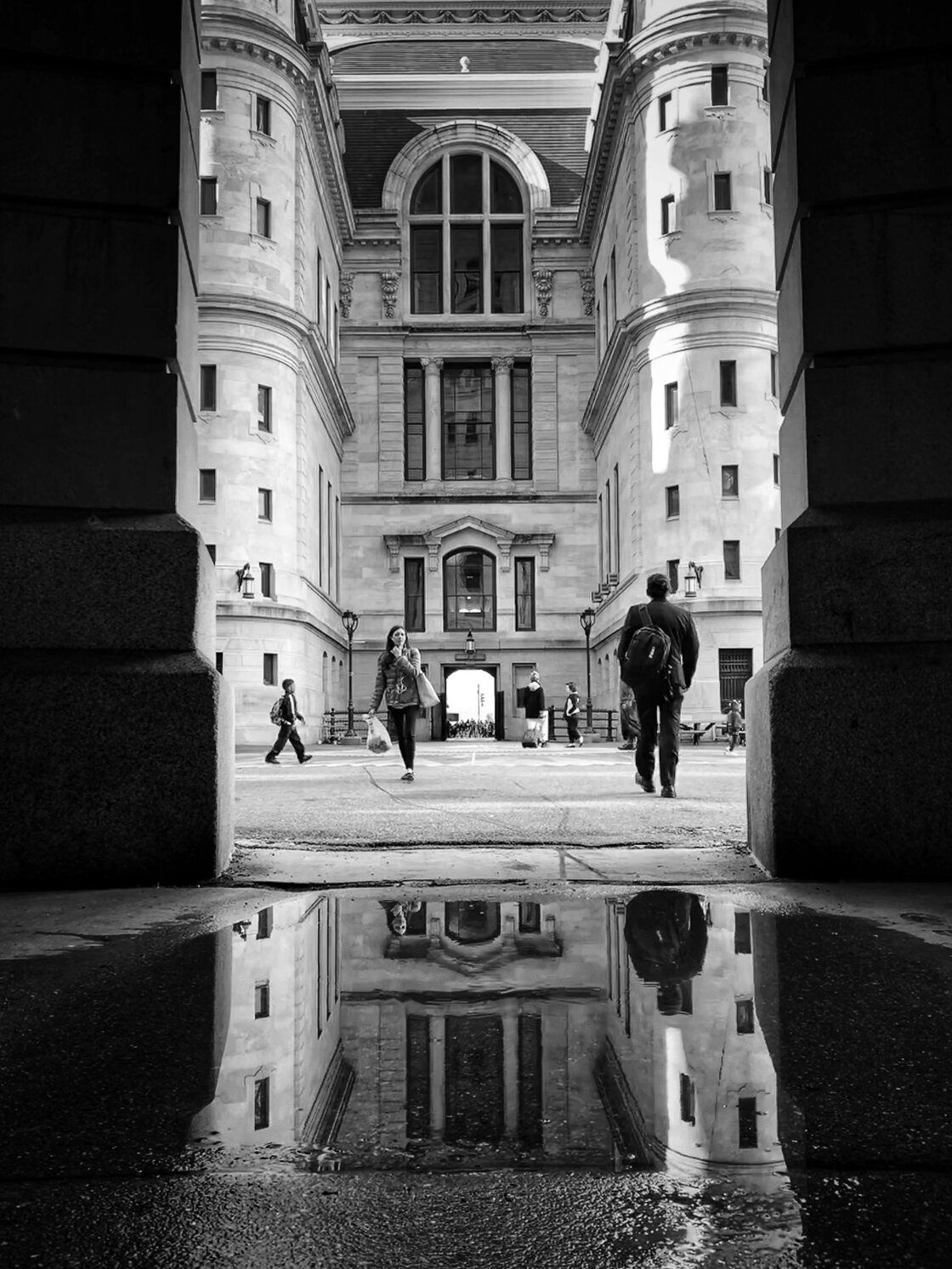
The period immediately following a rainstorm presents a unique window of opportunity known as the "reflection phase." As the rain ceases, the accumulation of water on uneven pavement creates natural mirrors, or "puddles," which are central to modern street photography composition.
The professional workflow for reflection photography follows a specific chronology:
- Identification: Scouting for large, still puddles in areas with significant architectural interest or high pedestrian traffic.
- Positioning: Achieving a low physical profile. Experts recommend crouching or kneeling to align the camera lens with the water’s surface.
- Orientation: Flipping the iPhone upside down so that the lens—located at the top of the device—is as close to the water as possible, maximizing the reflection’s symmetry.
- Action Capture: Utilizing "Burst Mode" to capture a series of frames as a subject enters the reflection’s field. This ensures the photographer can select the "decisive moment" when the subject’s gait and position are optimal.
- Post-Production Inversion: A common creative technique involves rotating the final image 180 degrees during editing. By placing the reflection at the top of the frame and the physical ground at the bottom, the photographer creates a surreal, disorienting perspective that challenges the viewer’s perception of reality.
Technical Exposure Management in Winter Environments
Snowfall provides one of the most dramatic shifts in urban aesthetics, effectively neutralizing the "visual noise" of a city and replacing it with a minimalist, high-key palette. However, snow photography introduces specific technical challenges regarding light metering.
Supporting data from optical engineering suggests that large expanses of white snow can "trick" a camera’s internal light meter into believing the scene is overexposed. Consequently, the camera automatically reduces the exposure, resulting in snow that appears grey or muddy rather than brilliant white. To counteract this, professional mobile photographers utilize the iPhone’s manual exposure compensation. By tapping the screen to set focus and then swiping upward on the sun icon, the photographer can manually override the sensor’s settings to ensure the whites remain bright and the shadows retain detail.
Furthermore, snow photography is heavily reliant on "storytelling subjects." The narrative impact of a snowy street scene is heightened when the photographer captures subjects who are visually "fighting" the elements—individuals wrapped in heavy coats, workers clearing sidewalks, or pedestrians navigating drifts. These interactions provide a temporal context to the image, documenting a specific moment in the city’s climate history.
Atmospheric Depth and the Physics of Fog
Fog and mist offer a distinct set of creative opportunities by physically manifesting the "Z-axis" or depth of a scene. In photography, fog acts as a natural filter that desaturates colors and obscures distant objects, creating a sense of mystery and isolation.
The effectiveness of fog photography relies on two key principles: leading lines and silhouettes. Architectural elements such as bridges, roads, or rows of streetlamps provide "leading lines" that guide the viewer’s eye into the distance. As these structures gradually fade into the fog, they create a powerful sense of atmospheric perspective.
Additionally, fog provides a bright, diffused background that is ideal for silhouette photography. By positioning a lone figure in the foreground and reducing the exposure, the photographer can render the subject as a dark, anonymous shape against the pale mist. This technique strips away identifying details, allowing the subject to represent a more universal, "everyman" figure within the urban landscape.
Supporting Data on Mobile Photography Trends
The shift toward "weather-resilient" photography is supported by data from major image-sharing platforms. According to metadata analysis from Flickr and Instagram, the iPhone remains the most utilized camera for street photography globally. The integration of IP68 water resistance ratings—starting significantly with the iPhone 7 and improving through the iPhone 15 Pro series—has directly correlated with an increase in "extreme weather" content.
Furthermore, the rise of computational photography—specifically features like Deep Fusion and Smart HDR—has allowed mobile users to capture usable images in the low-contrast, low-light conditions typical of bad weather. These algorithms work by merging multiple exposures into a single frame to preserve detail in both the brightest highlights (like snow) and the deepest shadows (like rainy alleyways).
The Aesthetic Logic of Black and White Conversion
A recurring theme in professional bad-weather photography is the conversion of images to monochrome. Rain, snow, and fog often produce "muddy" or unappealing color palettes due to the lack of direct sunlight. Black and white conversion solves this by shifting the focus from color to tone, texture, and contrast.
Industry analysis indicates that black and white edits enhance the "mood" of a stormy scene, emphasizing the grit of the city and the emotional state of the subjects. Successful monochrome photography requires a high degree of "tonal contrast"—the presence of both deep blacks and bright whites. Photographers are encouraged to look for light sources such as streetlamps, car headlights, or bright windows to provide highlights that "pop" against the darker, rain-slicked pavement.
Broader Impact and Industry Implications
The democratization of high-quality street photography through the iPhone has significant implications for both digital journalism and fine art. By enabling photographers to work in all weather conditions, mobile technology has expanded the scope of urban documentation. No longer restricted by the fragility of traditional film cameras or the bulk of heavy DSLR weather-sealing kits, the modern mobile photographer is an agile observer capable of capturing the city’s most vulnerable and dramatic moments.
Professional reactions to this trend suggest a shift in how "quality" is defined in the digital age. Experts like Andrew Gimblet argue that the "perfection" of a sunny-day photo is often less compelling than the "imperfection" and raw emotion of a storm-captured image. This perspective is increasingly reflected in gallery exhibitions and digital publications, where atmospheric street photography is recognized for its ability to convey complex narratives about urban life and environmental resilience.
Conclusion: The Future of Urban Documentation
As smartphone hardware continues to evolve, the boundaries of what is possible in "bad" weather will continue to expand. Future developments in periscope lenses and larger sensors will likely further bridge the gap between mobile devices and professional cinema cameras. For the street photographer, the message remains clear: environmental challenges are not obstacles to be avoided, but opportunities to be harnessed. By mastering exposure, composition, and the unique physics of precipitation, the iPhone photographer can transform a mundane, stormy day into a profound visual commentary on the human condition within the modern city.