The landscape of digital photography has undergone a seismic shift over the past decade, transitioning from the exclusive domain of high-end Digital Single-Lens Reflex (DSLR) cameras to the pockets of billions via smartphone technology. Central to this revolution is the iPhone, which has consistently pushed the boundaries of mobile imaging through a combination of sophisticated hardware and computational photography. As mobile sensors become more capable, the focus for many enthusiasts has shifted from technical limitations to creative execution. The art of portraiture, traditionally requiring expensive prime lenses and studio lighting, is now accessible to anyone with an understanding of light, composition, and subject interaction. By leveraging specific techniques such as high-contrast lighting, strategic posing, and narrative-driven styling, photographers can elevate standard snapshots into professional-grade portraits.
The Evolution of Mobile Portraiture: Context and Timeline
The journey of the iPhone as a serious portrait tool began in earnest in 2016 with the introduction of the iPhone 7 Plus and its "Portrait Mode," which utilized dual-lens technology to simulate a shallow depth of field, or "bokeh." Since then, Apple has integrated LiDAR scanners and advanced Neural Engines to refine edge detection and light simulation. According to data from industry analysts, the iPhone is the most used camera in the world, with platforms like Flickr reporting that Apple devices consistently account for over 50% of all uploads. This ubiquity has created a demand for specialized techniques that allow individual creators to stand out in a saturated digital environment.
1. Mastering High-Contrast Light for Dramatic Impact
The use of high-contrast lighting, often referred to in classical art as chiaroscuro, is one of the most effective ways to add drama and depth to a mobile portrait. In photographic terms, high-contrast light occurs when there is a significant discrepancy between the brightest highlights and the deepest shadows within a frame. This technique emphasizes the three-dimensional form of the subject and can evoke a range of moods from mystery to intensity.
To achieve this outdoors, photographers are encouraged to seek out environments where direct sunlight is partially obstructed by architectural elements, such as the edge of a building or a stark wall. By positioning the subject at the intersection of light and shadow, the photographer can create a "split-lighting" effect. Technical execution on the iPhone involves tapping the screen to lock focus on the subject’s face and then manually swiping down on the exposure slider. This action ensures that the shadows are deep and "crushed," while the highlights remain crisp. This style is particularly effective when converted to black and white during post-processing, as it removes the distraction of color and focuses the viewer’s attention on texture and form.
2. Utilizing Geometric and Organic Light Patterns
Beyond simple contrast, the introduction of light patterns adds a layer of visual complexity to a portrait. These patterns can be found in everyday environments or created artificially using the "gobo" (go-between) method. Indoors, sunlight filtered through venetian blinds or beveled glass creates rhythmic, geometric lines across the subject. Outdoors, the dappled light filtering through tree leaves or the repetitive shadows of a chain-link fence provide organic textures that can frame the subject’s features.
Professional analysis suggests that light patterns act as a secondary compositional element, guiding the eye across the frame. Photographers can also experiment with household objects—such as kitchen strainers or lace fabrics—held between the light source and the subject. When using this technique, it is vital to monitor the iPhone’s HDR (High Dynamic Range) settings. While Smart HDR is excellent for balancing light, over-processing can sometimes soften the sharp edges of a shadow pattern. Reducing the exposure manually helps maintain the integrity of the pattern against the subject’s skin.
3. Advanced Posing Techniques and Subject Psychology
The success of a portrait is heavily dependent on the subject’s pose, which communicates confidence, vulnerability, or intrigue. Moving away from static, "passport-style" positioning requires a more dynamic approach to human geometry.
One effective method is the use of natural framing through hand placement. By having a subject place their hands near the face or jawline, the photographer creates a visual path that leads directly to the eyes. Furthermore, unconventional angles, such as the low-angle perspective, can transform the narrative of an image. Shooting from the ground upward using the iPhone’s wide-angle lens (typically the 0.5x or 1x setting) can make the subject appear more heroic or powerful. This perspective is rarely seen in daily life, and the slight distortion of the wide-angle lens adds an avant-garde quality to the composition. Industry experts note that "eye-level is the level of equality; low-angle is the level of authority."
4. Evoking Atmosphere through Movement and Dreamy Aesthetics
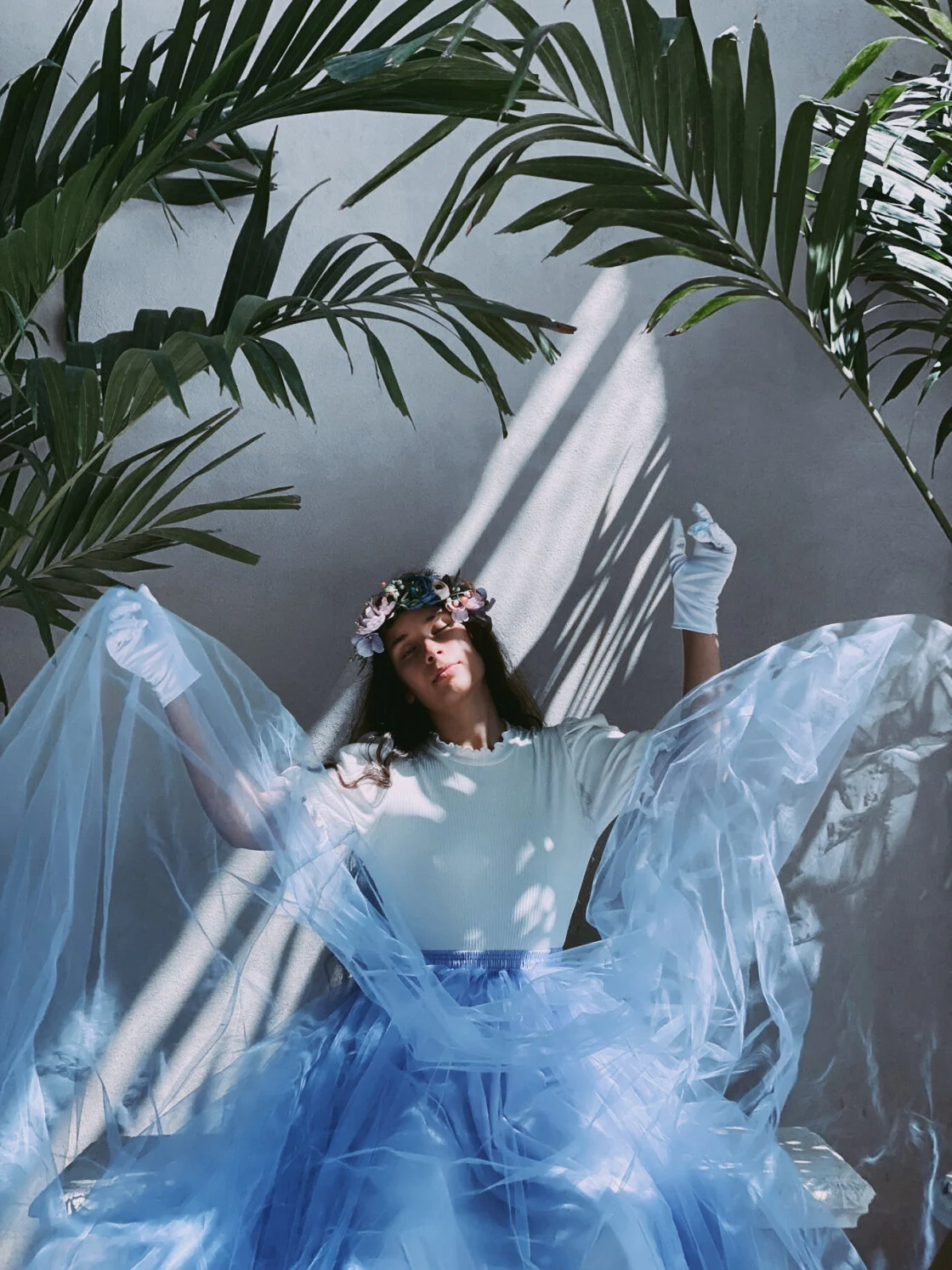
While dramatic portraits focus on sharpness and contrast, "dreamy" portraits prioritize mood, softness, and motion. This aesthetic is often achieved through the careful orchestration of three elements: fluid movement, relaxed facial expressions, and elegant limb placement.
To capture the essence of motion, photographers often use flowing fabrics or long dresses as a primary prop. The iPhone’s Burst Mode is an essential tool in this context. By capturing a rapid sequence of images—up to 10 frames per second—the photographer can select the exact millisecond where the fabric reaches its most aesthetically pleasing arc. Computational photography plays a role here as well; the iPhone’s ability to maintain focus on a moving eye (Eye AF) ensures that despite the motion of the clothing, the subject’s gaze remains sharp. Combining this with a "soft" facial expression, such as closed eyes or a slight tilt of the head, creates a sense of tranquility and timelessness.
5. Navigating the Complexity of Multi-Subject Portraits
Capturing two people in a single frame introduces challenges regarding depth of field and emotional connection. Standard group shots often lack the intimacy required for a compelling portrait. To solve this, photographers can utilize "layering" by placing subjects at different distances from the lens.
When subjects are at varying depths, the iPhone’s Portrait Mode uses its depth map to apply a simulated blur to the person furthest from the focal point. This creates a professional "3D" look that separates the subjects from one another and the background. Furthermore, posing subjects so they interact with each other rather than the camera—such as looking at one another or closing their eyes in a shared embrace—shifts the viewer’s role from a participant to an observer of a private moment. This "candid-style" portraiture is increasingly popular in professional wedding and lifestyle photography.
6. Narrative Storytelling through Strategic Prop Usage
Props serve as the "visual shorthand" of a portrait, providing context and backstory without the need for text. In a journalistic or fine-art context, every object in the frame should serve a purpose. Flowers may symbolize growth or fragility, while vintage items like analog cameras or old books can ground a portrait in a specific historical era.
The key to successful prop usage is integration rather than distraction. A prop should feel like a natural extension of the subject’s environment. For instance, a coffee cup in a dimly lit cafe adds a sense of "coziness" and relatability. More abstract uses, such as floral blindfolds, can be used to convey complex inner emotions or themes of sensory deprivation. Data from social media engagement studies indicate that images with a clear narrative or "storytelling" element receive higher retention rates and emotional responses from audiences than those without.
7. Wardrobe Selection and Color Theory Integration
The final pillar of creative portraiture is the subject’s attire. Wardrobe choices should be made with a firm understanding of color theory and environmental harmony. Professional stylists often use the "color wheel" to decide between complementary colors (those opposite each other, like blue and orange) for high energy, or analogous colors (those next to each other, like green and yellow) for a more serene, unified look.
In a natural, forest setting, neutral tones or floral patterns allow the subject to blend into the environment, emphasizing a connection with nature. Conversely, in an urban, "grungy" setting, bold colors or metallic fabrics can create a striking contrast against concrete and steel. The choice of fabric also affects the light; sequins and shiny materials reflect light and can create "specular highlights," while wool and heavy cottons absorb light, contributing to a softer, more matte appearance in the final image.
Technical Analysis and Broader Implications
The democratization of high-quality portraiture through the iPhone has significant implications for the creative economy. As mobile technology continues to bridge the gap between amateur and professional hardware, the value in the photography market is shifting from "technical ownership" to "creative vision." The iPhone 15 Pro series, for example, now allows for shooting in ProRAW and Log formats, giving mobile photographers the same post-production latitude as those using cinema cameras.
This shift has also impacted the social media landscape, where "authentic" and "creatively lit" mobile portraits are often favored over overly polished studio shots. The "Shot on iPhone" campaign, launched by Apple in 2015, serves as a permanent testament to the device’s capabilities, featuring mobile-captured images on billboards worldwide. This has fostered a global community of mobile photographers who share techniques and push the medium forward.
In conclusion, capturing compelling iPhone portraits is no longer a matter of simply "pointing and shooting." It is a deliberate process involving the manipulation of light, the understanding of human psychology in posing, and the strategic use of environmental elements. As computational photography continues to evolve, the primary limitation remains the imagination of the photographer. By applying these seven techniques, any iPhone user can transform a simple digital file into a powerful piece of visual art.