The global vehicle wrap market has undergone a significant transformation over the last decade, evolving from a niche automotive customization trend into a multi-billion-dollar industry essential for modern corporate branding. As businesses increasingly recognize the high return on investment offered by mobile advertising, the demand for precision-engineered vehicle graphics has surged. In this competitive landscape, sign makers and wrap professionals face the dual challenge of maintaining high creative standards while optimizing production speed. SignSilo has emerged as a critical infrastructure for these professionals, offering a centralized repository of digital assets—including vehicle templates, wrap designs, premium fonts, and high-resolution imagery—tailored specifically to the technical requirements of the sign-making and print industries.
The Evolution of Vehicle Graphics and the Need for Centralization
The history of vehicle branding has moved through several distinct eras. In the pre-digital age, branding was limited to hand-painted signage and basic adhesive lettering. The 1990s saw the introduction of large-format inkjet printing, which allowed for the first full-color photographic wraps. However, the early 2000s were characterized by a fragmented digital landscape where designers had to source vehicle blueprints, stock photos, and fonts from disparate, often unreliable sources. This fragmentation led to significant downtime and technical errors, such as misaligned graphics or low-resolution prints that failed to meet professional standards.
The modern wrap professional operates in an environment where "time-to-print" is a primary performance metric. A single commercial fleet project might involve dozens of different vehicle makes and models, each requiring precise measurements to ensure that logos and contact information are not obscured by door handles, fuel caps, or body lines. SignSilo addresses this historical pain point by consolidating all necessary design components into a single, searchable platform. By providing a unified ecosystem, the platform allows design teams to bypass the search-and-verify phase of a project, moving directly into the creative and technical execution phases.
Market Dynamics: The Growing Demand for Mobile Advertising
The rise of platforms like SignSilo is mirrored by the explosive growth of the Out-of-Home (OOH) advertising sector. Industry data suggests that a single vehicle wrap can generate between 30,000 and 70,000 impressions per day, depending on the service area and population density. Unlike traditional billboards, which require monthly rental fees, a vehicle wrap is a one-time investment with a lifespan of five to seven years. This cost-effectiveness has led small businesses and large corporations alike to prioritize fleet branding.
For the sign shops fulfilling these orders, the technical stakes are high. High-quality vinyl materials from manufacturers like 3M or Avery Dennison are expensive; a single printing error due to an inaccurate vehicle template can result in hundreds of dollars in wasted material and lost labor hours. SignSilo’s focus on professional-grade vehicle templates acts as an insurance policy for these businesses, ensuring that the digital canvas matches the physical vehicle with high degrees of accuracy.

Technical Precision in Vehicle Templates
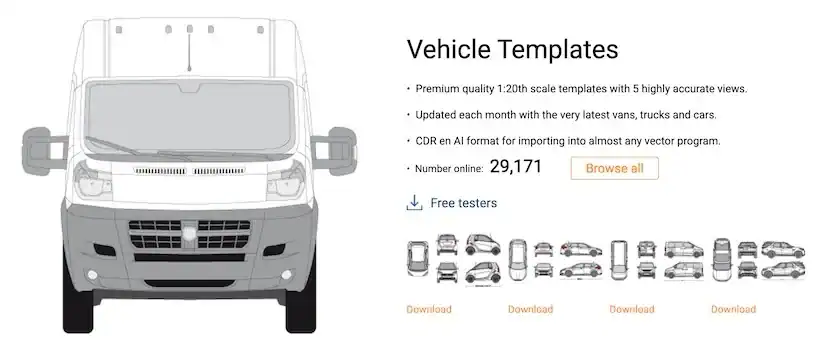
At the core of SignSilo’s value proposition is its extensive library of vehicle templates. These are not merely sketches but are technical blueprints scaled typically at 1:20 or 1:10 of the vehicle’s actual size. The library encompasses thousands of entries, including passenger cars, delivery vans, heavy-duty trucks, trailers, buses, and even specialized commercial machinery.
The precision of these templates allows designers to:
- Account for Complex Curvature: Modern vehicle designs feature aerodynamic contours that can distort graphics if not properly planned.
- Ensure Brand Consistency: For fleet owners, ensuring that a logo appears in the exact same relative position on a Ford Transit as it does on a Mercedes Sprinter is vital for brand integrity.
- Facilitate Client Approvals: Using accurate templates allows for the creation of realistic 2D mockups, which help clients visualize the final product before the first inch of vinyl is printed.
Beyond Blueprints: A Holistic Creative Suite
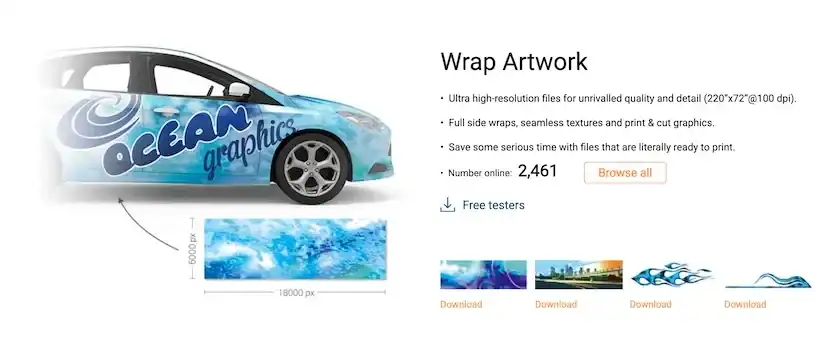
While templates provide the technical foundation, SignSilo enriches the creative process through its curated collection of wrap designs and typography. The platform offers ready-to-use wrap concepts that serve as high-quality starting points. This is particularly beneficial for smaller sign shops that may not have a dedicated full-time graphic designer on staff. These designs are fully customizable, allowing professionals to adjust colors, scale, and elements to meet specific client requirements.

Typography is another area where SignSilo provides industry-specific value. In the context of vehicle wraps, font selection is not just an aesthetic choice; it is a functional one. Graphics must be legible from a distance and while the vehicle is in motion. SignSilo’s font library is curated with an emphasis on "signage-friendly" typefaces—those with appropriate kerning, weight, and clarity for high-impact branding.
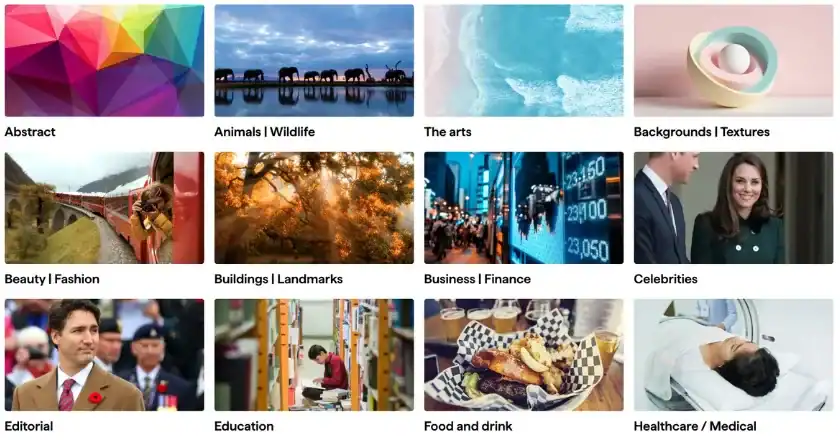
Furthermore, the inclusion of high-resolution photography and vector elements ensures that the final print is crisp and professional. In an era where 4K and 8K resolutions are becoming standard, providing assets that can be scaled to the size of a semi-trailer without pixelation is a prerequisite for any serious print professional.
Economic Analysis and Subscription Models
The business model of SignSilo represents a shift toward the "Software as a Service" (SaaS) and "Content as a Service" (CaaS) paradigms that have redefined the creative industries. Historically, a sign shop might have to purchase vehicle templates individually, often costing $50 to $100 per model. For a shop handling diverse projects, these costs could quickly become prohibitive.
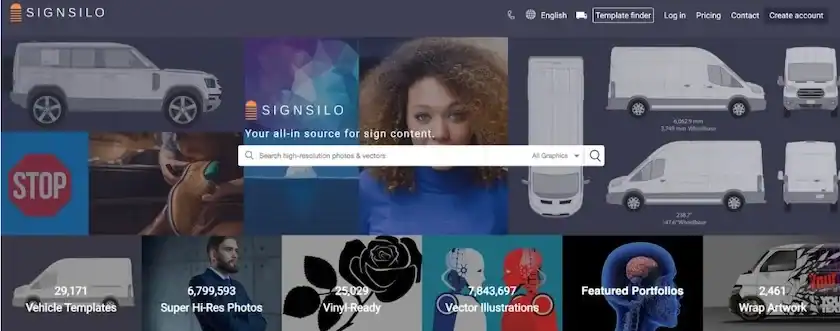
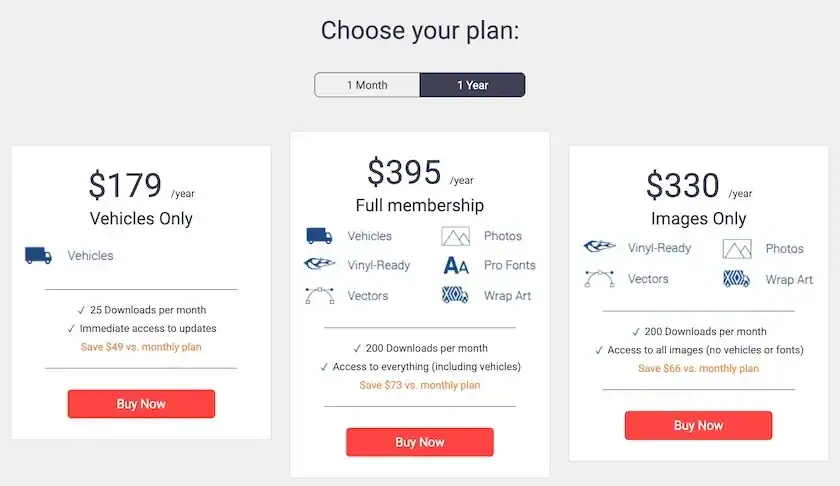
SignSilo’s tiered membership structure offers a more predictable and cost-effective alternative:
- Vehicle Only ($19/month): Targeted at specialized wrap studios that primarily require technical blueprints.
- Images Only ($33/month): Designed for content creators and web designers who need high-quality stock photography but not technical templates.
- Full Membership ($39/month): The flagship offering for comprehensive sign and print shops, providing unlimited access to the entire ecosystem of templates, photos, vectors, and fonts.
From a financial perspective, the "Full Membership" pays for itself if it saves a shop just one hour of design time or prevents a single printing error per month. This low barrier to entry democratizes access to high-end design assets, allowing independent contractors to compete with larger, national branding agencies.
Industry Implications and Workflow Efficiency
The broader impact of platforms like SignSilo on the sign-making industry is characterized by a significant reduction in the "Design-to-Delivery" cycle. In a traditional workflow, sourcing assets could take hours or even days. With a centralized resource, the design phase can often be completed in a single session. This efficiency allows sign shops to increase their throughput, taking on more projects without necessarily increasing their headcount.
Moreover, the platform’s role in professionalizing the industry cannot be overstated. By providing access to high-quality assets, SignSilo helps raise the baseline quality of vehicle wraps seen on the road. This, in turn, bolsters the reputation of vehicle wrapping as a premier advertising medium, encouraging more businesses to invest in the service.
Future Outlook: Integration and Digital Transformation
Looking ahead, the vehicle wrap industry is poised for further digital integration. Trends such as 3D vehicle modeling and augmented reality (AR) previews are beginning to emerge. Professionals anticipate that resources like SignSilo will continue to evolve, potentially incorporating 3D assets that allow for even more immersive design environments.
Additionally, as the automotive industry shifts toward electric vehicles (EVs), the demand for new templates for models like the Tesla Cybertruck, Rivian, and Ford F-150 Lightning is growing. SignSilo’s commitment to a "continuously expanding" library ensures that its members stay ahead of these market shifts, providing the necessary assets for the next generation of transport.
Conclusion
SignSilo has established itself as an indispensable utility for the vehicle wrap and sign-making sectors by recognizing that the modern professional requires more than just stock images. By combining technical precision with creative flexibility and an affordable economic model, the platform addresses the specific operational realities of the print industry. As the demand for mobile branding continues to grow alongside advancements in print technology, the availability of centralized, high-quality resources will remain a cornerstone of success for wrap professionals worldwide. Through its comprehensive approach to asset management, SignSilo not only simplifies the daily workflow of designers but also contributes to the ongoing professionalization and economic vitality of the global signage industry.