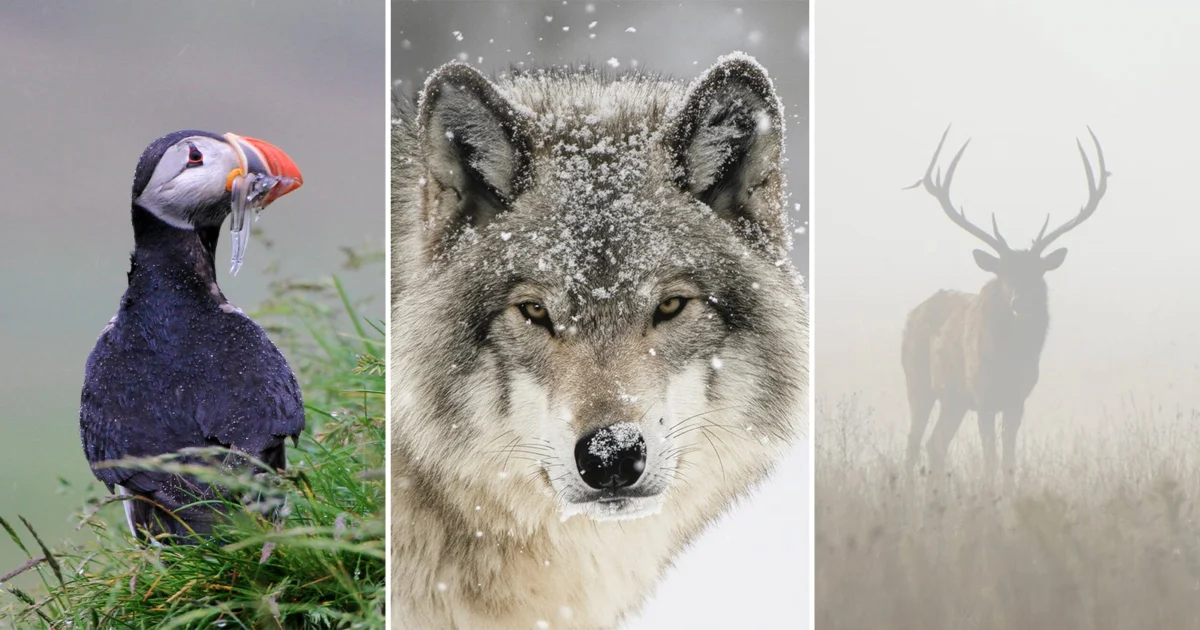
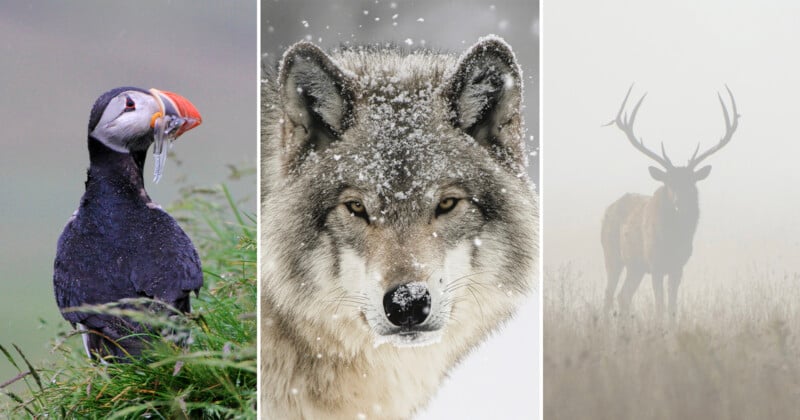
For seasoned wildlife photographers, the pursuit of truly captivating images often leads them away from the sun-drenched, clear-sky days that many novices might consider ideal. Instead, a growing number of experts, including two-decade veteran Kate Garibaldi, advocate for embracing the very conditions others shy away from: snow, rain, fog, and storms. These challenging environments, far from being deterrents, are increasingly recognized as the crucible where the most powerful and memorable wildlife photographs are forged.
Garibaldi’s extensive experience, documented across diverse and often harsh landscapes, underscores a fundamental shift in perspective within the wildlife photography community. Blue skies, while offering predictable light, rarely imbue an image with the profound sense of atmosphere, emotion, and narrative that adverse weather effortlessly provides. The "story" in a photograph transcends mere visual identification of an animal; it encapsulates the raw context of its existence, its resilience against the elements, and the untamed beauty of its habitat.
The Narrative Power of Nature’s Fury
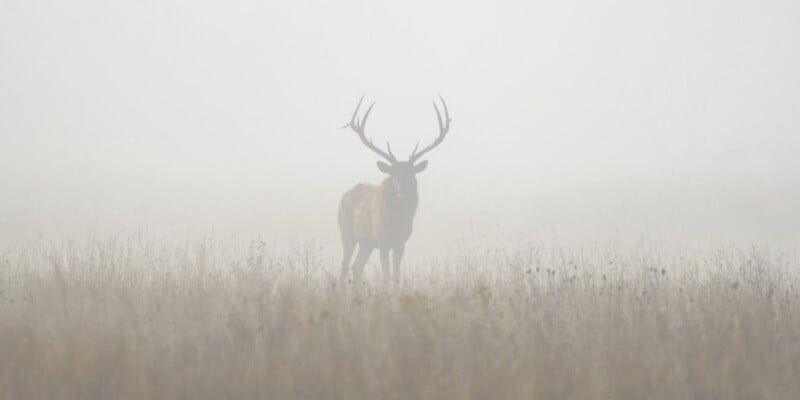
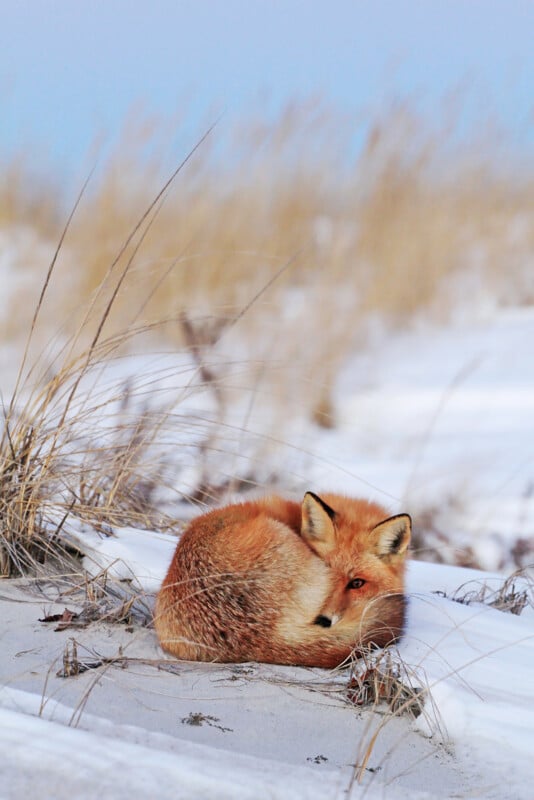
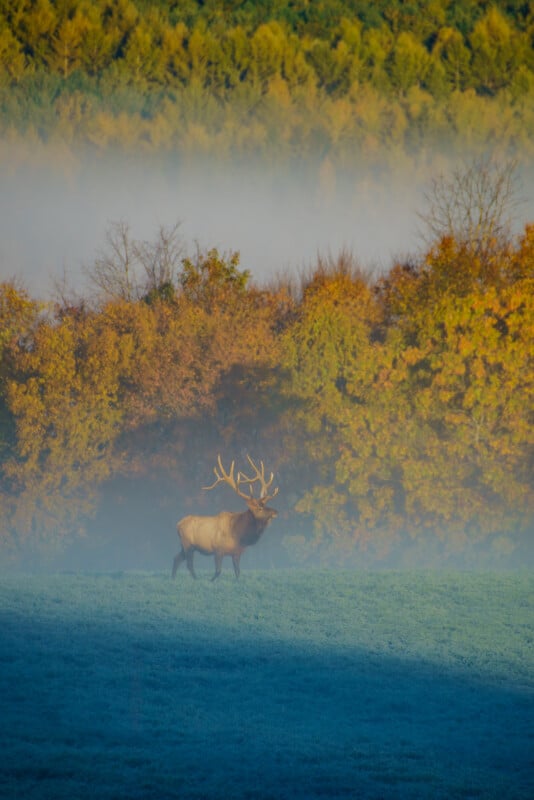
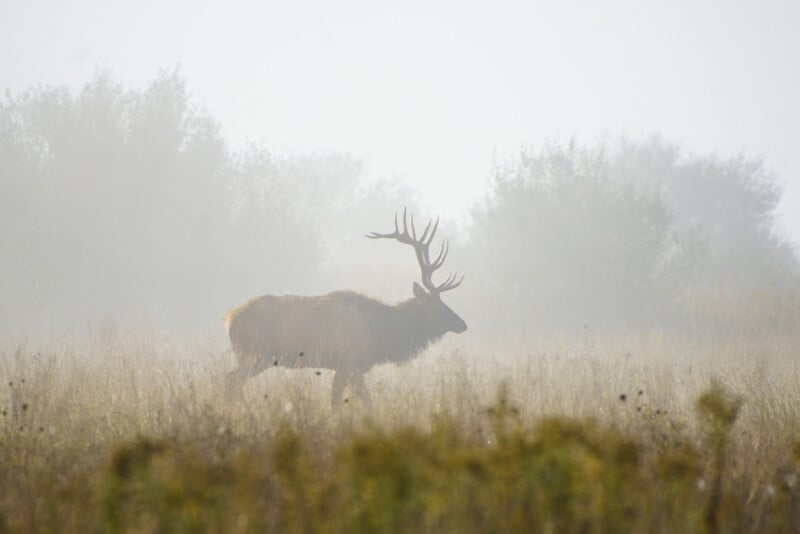
Weather is not merely a backdrop; it becomes an active character in the visual narrative. Imagine a majestic red fox, its thick fur dusted with pristine snowflakes, navigating a hushed, winter wonderland. This image evokes a visceral sense of the cold, the silence, and the animal’s unwavering struggle for survival. Compare this to the same fox under a cloudless sky; while technically sound, the latter often lacks the immersive quality and emotional depth inherent in the snowy scene. This principle applies universally: a bison frosted with rime, a bald eagle battling a downpour, or an elk emerging from an ethereal morning mist – each scenario tells a story of existence interwoven with environmental challenge.

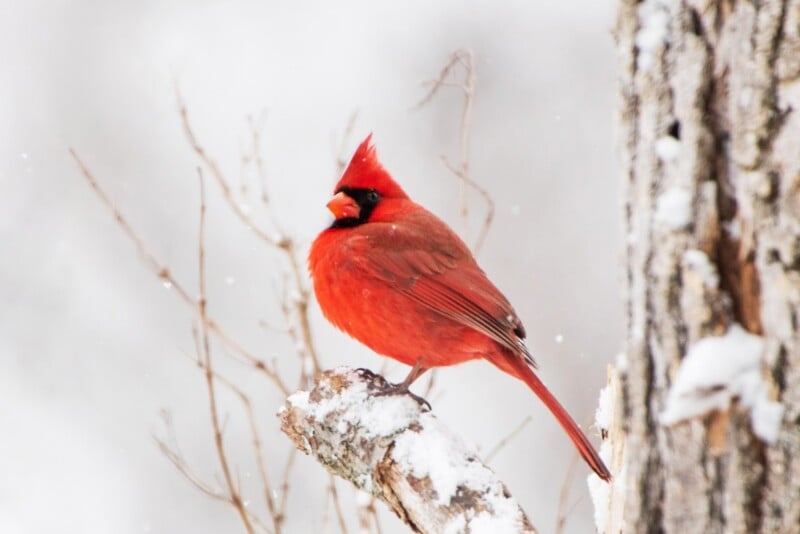
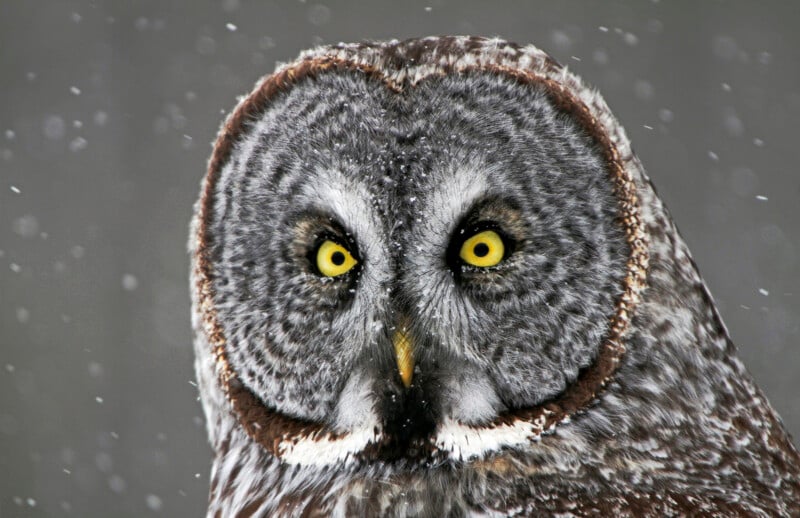
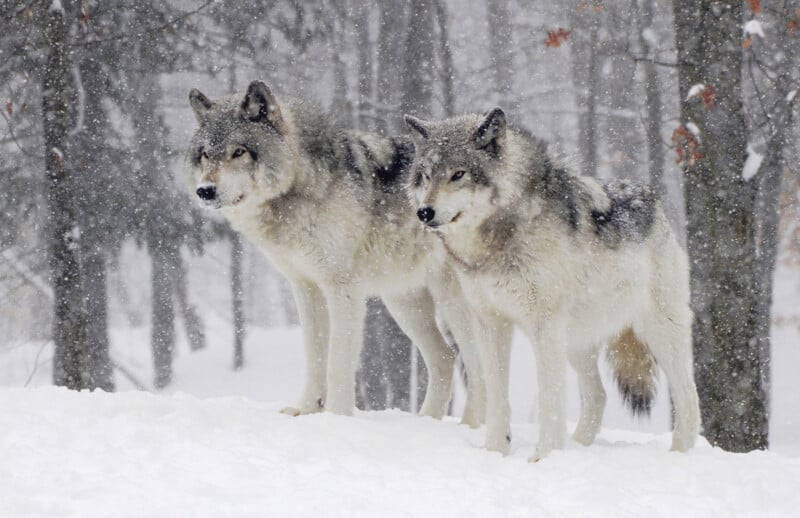
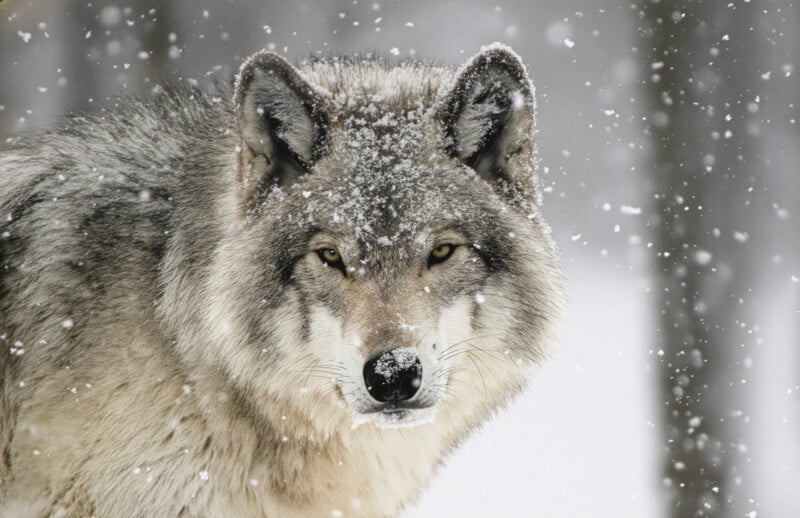
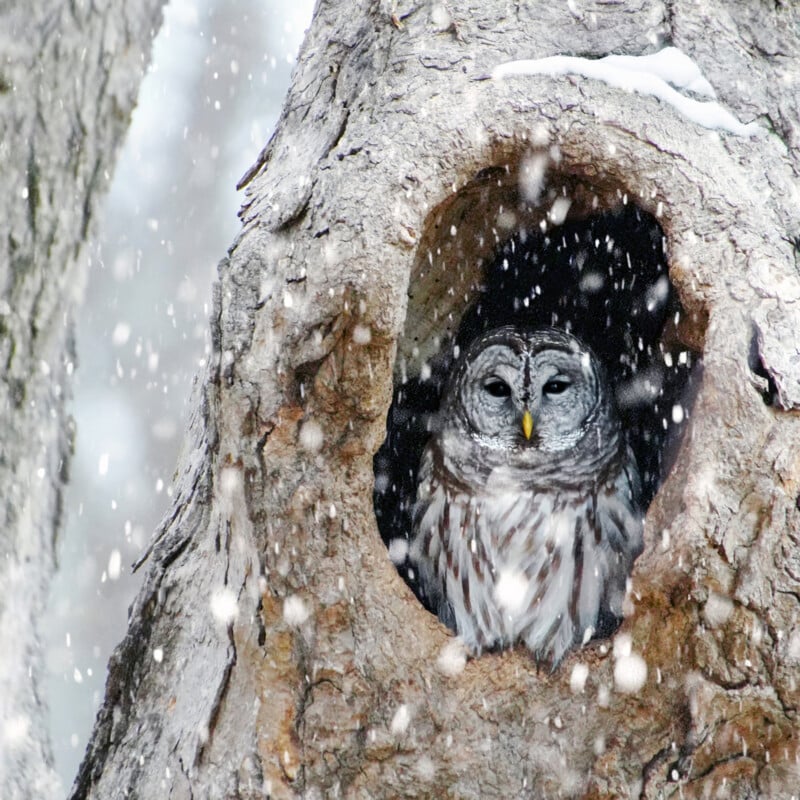
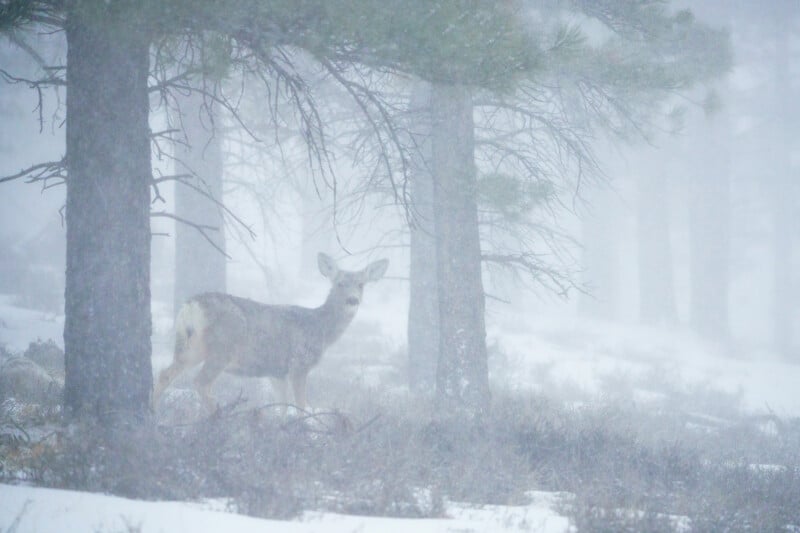
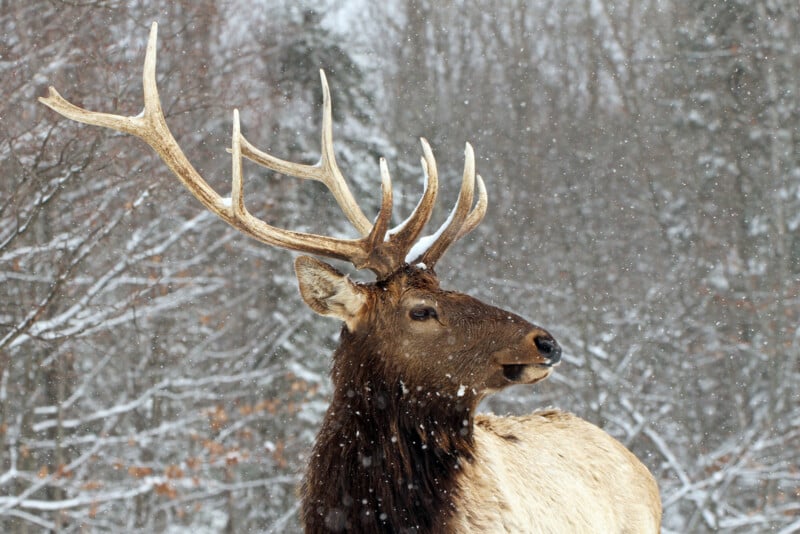
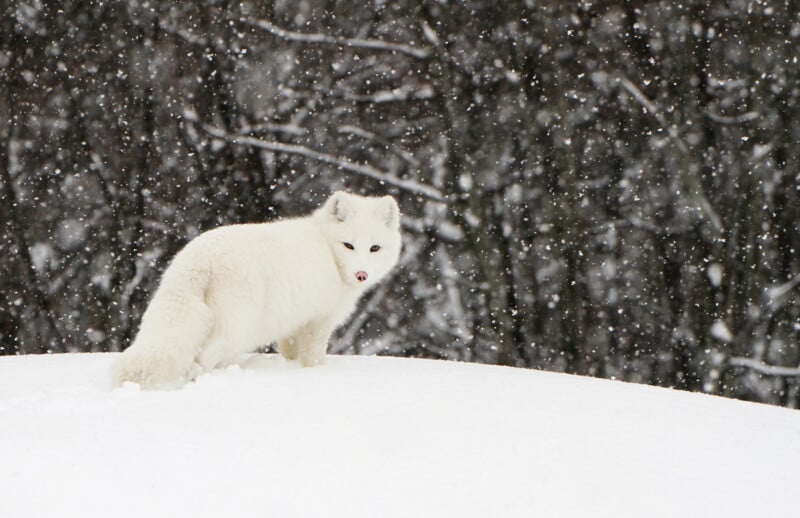
- Snow: Fresh snowfall acts as a natural canvas, transforming busy landscapes into minimalist compositions. It creates clean, high-contrast backgrounds that isolate subjects, drawing the viewer’s eye directly to the animal. The individual flakes, whether suspended or swirling, add texture and a sense of dynamic movement.
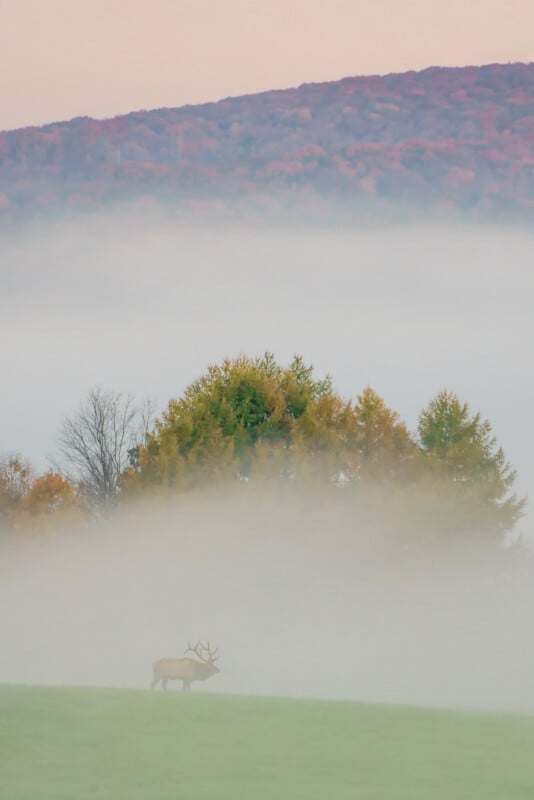
- Fog and Mist: These conditions are unparalleled in their ability to inject mystery and an otherworldly quality into photographs. Fog diffuses light, softens harsh edges, and compresses visual depth, allowing animals to emerge from an almost painterly backdrop. It simplifies cluttered scenes, creating layers that guide the viewer through the composition.
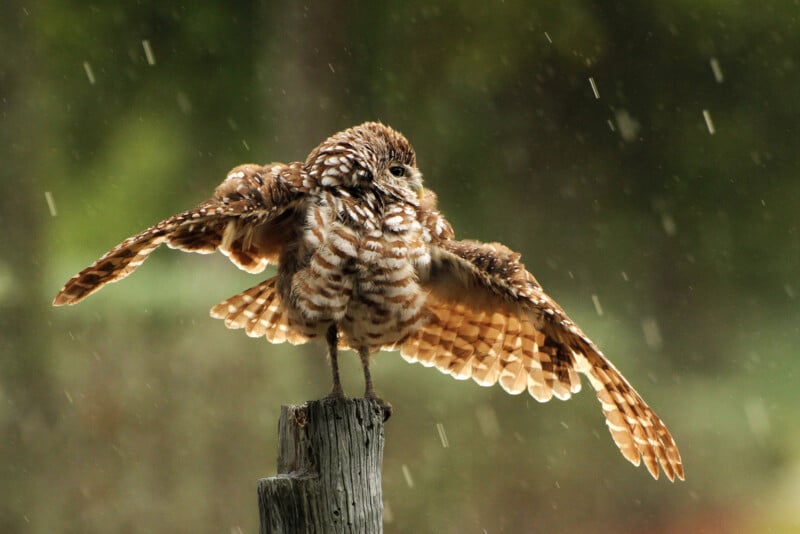
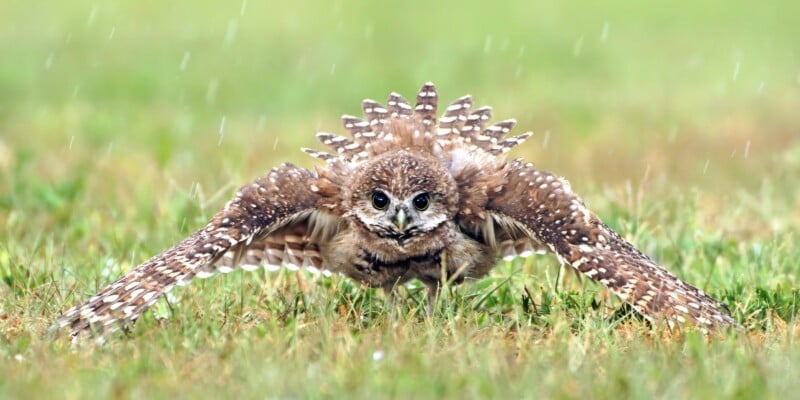
- Rain: Rain brings movement, texture, and a profound richness to an image. Droplets clinging to fur and feathers add tactile detail, while wet foliage gains deeper saturation and contrast. The reflections on wet surfaces can introduce striking compositional elements. Light rain, in particular, often yields more aesthetically pleasing results than torrential downpours, as individual droplets remain discernible without overwhelming the subject. The moments immediately following a rainstorm, with saturated colors and lingering moisture, are often prime for capturing vibrant, clean compositions.
- Storms and Wind: While demanding, these conditions offer unparalleled drama. They showcase the raw power of nature and the incredible adaptability of wildlife. A windswept landscape with an animal braced against the gale speaks volumes about its endurance.
The artistic impact of such imagery is increasingly recognized in prestigious wildlife photography competitions, where atmospheric conditions often elevate a photograph beyond simple documentation to a work of art. As noted by many critics, these images resonate more deeply with audiences because they tap into a universal appreciation for nature’s power and the tenacity of life.
Strategic Preparation: Safeguarding Photographer and Equipment
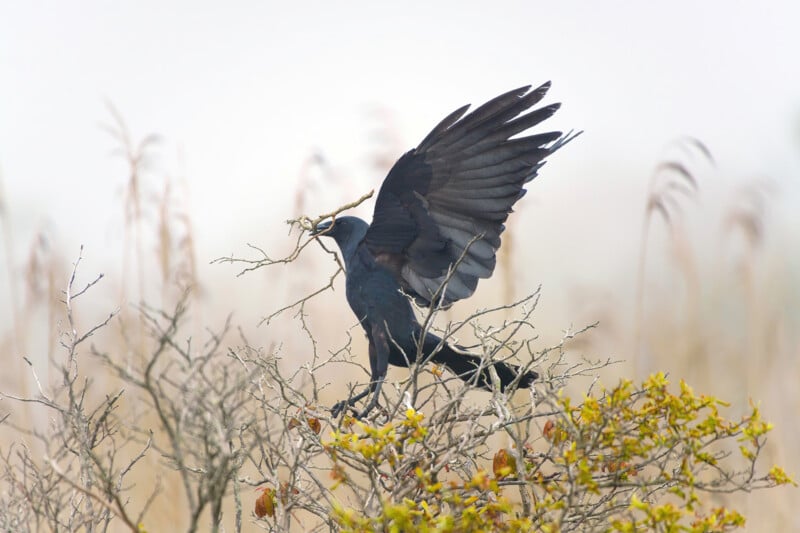
The pursuit of these compelling images demands rigorous preparation, both for the photographer and their gear. Without adequate protection and personal comfort, even the most promising photographic opportunity can be cut short.
-
Equipment Protection:
- Weather Sealing: While modern cameras and lenses boast weather-sealing, this should be considered a first line of defense, not absolute proof against water or dust. Extended exposure to heavy precipitation or fine airborne particles necessitates further measures.
- Rain Covers: A dedicated rain cover is indispensable. These range from inexpensive plastic sleeves to robust fabric covers, all designed to shield the camera body, lens, and crucial controls from moisture while maintaining usability. They are equally vital in dusty or sandy environments, preventing abrasive particles from infiltrating delicate mechanisms.
- Lens Hoods: Beyond reducing flare, a lens hood acts as a physical barrier, deflecting rain, snow, and debris from the front element.
- Cleaning Supplies: Several dry, sealed microfiber cloths are essential for rotating and cleaning optics without merely spreading moisture. A rocket blower is crucial for dislodging snow, sand, or dust before wiping, preventing scratches.
- Camera Bag: A truly waterproof backpack, ideally complemented by an internal roll-top dry bag or an external pack cover, provides multi-layered protection against unexpected deluges, river crossings, or sea spray.
-
Cold Weather Challenges:
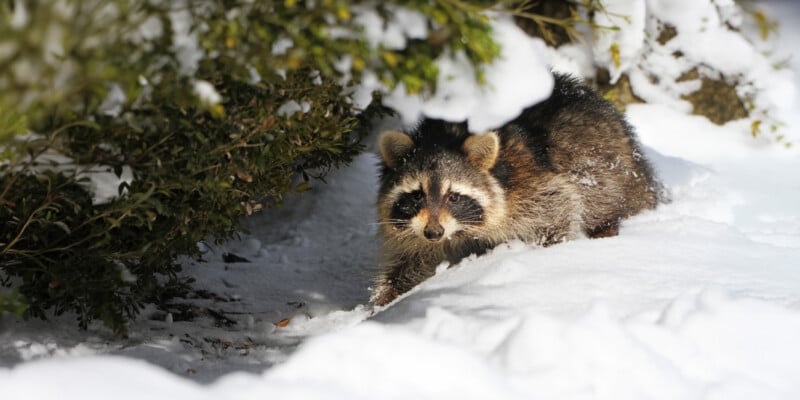
- Battery Management: Cold temperatures drastically reduce battery efficiency. Carrying multiple fully charged spares in an inner jacket pocket keeps them warm and ready. Disposable hand warmers, strategically placed near spare batteries or even gently tucked into a rain cover (never directly against electronics), can extend operational life.
- Condensation Prevention: The transition from freezing outdoor temperatures to a warm indoor environment is a critical moment. Placing the camera inside a sealed plastic bag before going indoors allows condensation to form on the outside of the bag as the equipment slowly acclimatizes. Silica gel packets in the camera bag can absorb any residual moisture.
-
Personal Comfort and Safety:

- Layered Clothing: A multi-layered system, starting with moisture-wicking base layers, insulating mid-layers, and a waterproof/breathable outer shell, is paramount for regulating body temperature.
- Extremity Protection: Waterproof, insulated boots, and gloves (preferably with fold-back fingertips for camera control) are non-negotiable.
- Specialized Gear: In aquatic environments like wetlands or shallow rivers, chest waders can open up entirely new low-angle perspectives, allowing photographers to work safely at eye level with waterfowl and other semi-aquatic species.
This proactive approach ensures that photographers remain comfortable and their equipment functional, allowing them to remain patient and focused on capturing the fleeting, impactful moments that challenging weather creates.
Mastering the Lens: Camera Settings for Dynamic Weather
"Bad" weather demands specific camera adjustments to achieve optimal results. The camera’s meter, designed for average scenes, often misinterprets extreme conditions.

- Exposure in Snow: Camera meters are calibrated to render scenes as a middle grey. A bright, snow-covered landscape will thus be underexposed, appearing dull and grey. To counteract this, photographers must apply positive exposure compensation, typically ranging from +1 to +2 stops, depending on the amount and reflectivity of the snow. Crucially, the histogram, not the camera’s often-misleading rear LCD, should be the primary guide for accurate exposure in snowy conditions.
- Shutter Speed for Precipitation: This is a key creative choice.
- Freezing Action: A fast shutter speed (1/640s to 1/1000s or faster) will freeze individual snowflakes or raindrops, creating a crisp sense of suspended motion. This is effective when each particle is desired as a distinct compositional element.
- Motion Blur: Conversely, a slower shutter speed (1/60s to 1/125s) will transform falling precipitation into soft, ethereal streaks, conveying movement and atmosphere. The choice depends on the desired artistic effect—detail versus mood.
- Aperture and ISO:
- Rain: A slightly wider aperture can help isolate the subject from a busy, rain-filled background and compensate for reduced contrast.
- Fog: Fog naturally simplifies backgrounds, but a wider aperture can further enhance subject separation, creating a dreamy, immersive quality. In low-light conditions prevalent during fog or heavy storms, increasing the ISO becomes necessary, leveraging modern cameras’ improved high-ISO performance to maintain adequate shutter speeds.
- Metering Modes: In high-contrast or predominantly bright/dark scenes (like a dark animal against snow, or a backlit animal in fog), spot metering on the subject can provide a more accurate exposure than matrix/evaluative metering, which averages the entire scene.
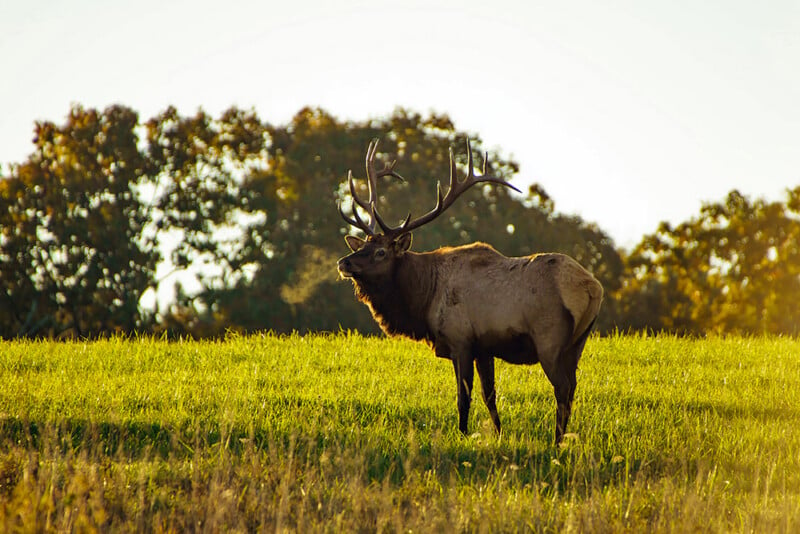
- Visible Breath: On cold mornings, animals’ breath can create dramatic plumes of vapor. Backlighting the subject with low-angle sunlight will illuminate this vapor, transforming an invisible phenomenon into a striking visual element. A fast shutter speed is essential to freeze the delicate, ephemeral patterns of the breath. For instance, Kate Garibaldi notes for an elk silhouette, she chose 1/1250s at f/6.3 and ISO 500, using pattern metering to capture the delicate patterns of its breath.
These technical adjustments are not just about correcting for challenging light; they are about using the camera as a tool to interpret and enhance the unique characteristics of the weather, crafting images that are both technically sound and artistically profound.

Navigating the Veil: Autofocus Challenges and Solutions
Even with the advancements in modern autofocus (AF) systems, adverse weather introduces complexities that can challenge even the most sophisticated animal eye-detection and subject-tracking capabilities.
- The Problem: Falling precipitation (snowflakes, raindrops) at varying distances from the lens can confuse AF sensors, causing the camera to lock onto foreground elements instead of the distant subject, especially with long telephoto lenses and shallow depth of field. Low contrast inherent in fog also makes it difficult for AF systems to find distinct edges to lock onto.
- Solutions:
- AF Area Modes: While animal eye detection is powerful, in dense precipitation, reducing the size of the autofocus area or switching to a flexible spot or zone mode provides greater control. This allows the photographer to precisely place the focus point on the animal’s face, minimizing distractions from falling elements.
- Continuous Autofocus (AF-C): For any moving wildlife in challenging weather, AF-C (or AI Servo on Canon) is almost always the preferred mode, continuously tracking the subject.
- Burst Shooting: Shooting in short bursts significantly increases the chances of capturing frames where the animal’s eye is sharp and the weather enhances the composition rather than obscures it.
- Manual Focus: In predictable scenarios, such as a bird repeatedly returning to a known perch, pre-focusing manually on that spot can eliminate AF hunting.
- Back-Button Focus: This advanced technique separates AF activation from the shutter button, allowing photographers to lock focus and recompose, or to quickly switch between continuous and single-shot focus without menu diving.
The ultimate goal is to maintain intentional control over focus, ensuring that the weather complements the sharp subject, rather than dictating what part of the scene is in focus.
Beyond the Frame: Weather as a Creative Catalyst
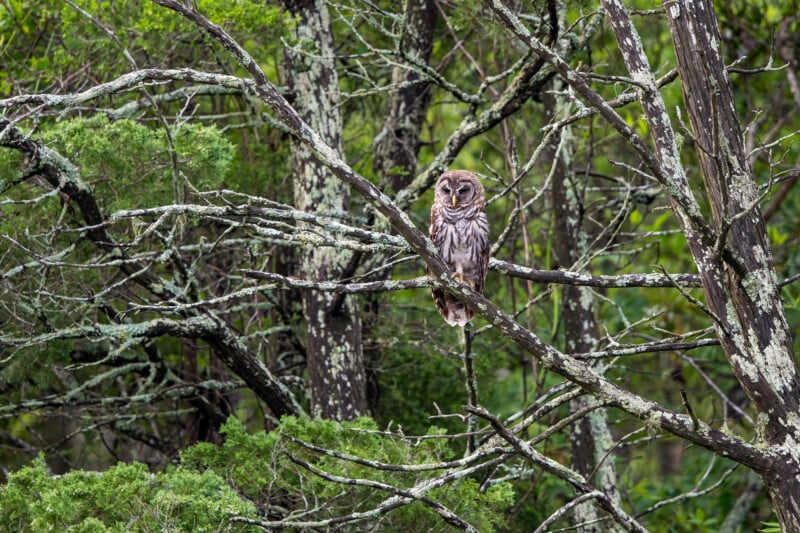
The most acclaimed wildlife photographers don’t just endure difficult weather; they harness it as a primary creative tool. Weather is a dynamic compositional element that shapes mood, depth, movement, and the overarching story.
- Compositional Depth: Positioning oneself so falling snow or rain creates a natural foreground or mid-ground element adds layers and depth to the image. Fog simplifies complex backgrounds, allowing the subject to stand out while maintaining a strong sense of place.
- Emotional Resonance: An image of a moose fading into dense morning fog, a snowy owl amidst swirling flakes, or a bear shaking water from its fur transcends mere identification. These images convey the animal’s existence within its environment, its adaptation to the very conditions the photographer is experiencing, creating a profound emotional connection with the viewer.
- Timing is Key: Often, the most rewarding photographs are captured not during the peak of a storm, but in the transitional moments surrounding it. Fresh snowfall offers pristine landscapes before human or animal tracks appear. The dramatic breaks in clouds after a rainstorm can yield stunning light and reflections. Lifting fog at sunrise reveals constantly shifting, layered compositions.
- Forecasting as a Creative Tool: Rather than checking the forecast to avoid discomfort, experienced wildlife photographers use it to anticipate unique photographic opportunities. A predicted temperature drop, a passing storm front, or a calm morning after heavy precipitation signals a potential expedition.
- Wildlife Behavior: Weather directly influences animal behavior, creating unique photographic moments. Birds often fluff their feathers for insulation or during sunshowers, creating fuller, more expressive portraits. Mammals might become more active during light snowfall, using reduced visibility for hunting. Rain can bring amphibians out of hiding, and misty mornings often encourage deer and elk to graze in open areas before the day warms. Understanding these behavioral shifts allows photographers to anticipate and capture authentic interactions.
This philosophy shifts the goal from simply photographing an animal despite challenging conditions, to creating an image that could only exist because of those conditions.

Global Hotspots for Elemental Wildlife Photography
Certain destinations have become legendary precisely because of their consistently dramatic weather, serving as prime locations for photographers seeking to embrace the elements.
-
North America:
- Olympic National Park, Washington: Renowned for its temperate rainforests, frequent rainfall, and persistent fog. Ideal for Roosevelt elk, black bears, and a diverse range of amphibians and birds in lush, atmospheric settings.
- Great Smoky Mountains National Park: Famous for its eponymous mist, creating beautifully layered landscapes for deer, wild turkeys, and black bears.
- Rocky Mountains (Canada & USA): Iconic for winter photography, with orographic snowfall blanketing forests. Banff, Jasper, and Yellowstone National Parks offer opportunities to photograph elk, mountain goats, bighorn sheep, wolves, bison, and foxes against truly wintry backdrops, often featuring geothermal steam in Yellowstone.
- Churchill, Manitoba, Canada: The "Polar Bear Capital of the World," offering unparalleled opportunities to photograph polar bears, arctic foxes, and other winter wildlife amidst snowstorms, drifting snow, and sea ice.
-
Abroad:
- Jigokudani Monkey Park, Japan: World-famous for its Japanese macaques (snow monkeys) bathing in steaming hot springs surrounded by falling snow, creating incredibly atmospheric and expressive portraits.
- Iceland: Celebrated for its rapidly changing and unpredictable weather. Puffins on dramatic coastal cliffs are frequently photographed in fog, mist, and moody overcast light. Arctic foxes, Icelandic horses, and seabirds against coastal storms embody the rugged North Atlantic landscape.
- Svalbard, Norway: A high Arctic archipelago offering extreme weather conditions for polar bears, arctic foxes, walruses, and reindeer, bathed in the soft, long-duration light of polar regions.
- South Georgia Island & Antarctica: These remote polar regions present some of the most dramatic weather on Earth, with snow, glaciers, icebergs, and turbulent seas providing breathtaking backdrops for vast colonies of king and gentoo penguins, elephant seals, and leopard seals.
- Patagonia (Chile & Argentina): Known for relentless winds and rapidly changing mountain weather. Guanacos, Andean condors, foxes, and elusive pumas are photographed against dramatic storm clouds, snow-capped peaks, and windswept grasslands, emphasizing the immense scale of the landscape.
- Tropical Monsoon Regions (e.g., Kaziranga National Park, India; Costa Rica): Offering a different kind of "extreme" weather, seasonal monsoons transform these landscapes. Lush vegetation, dramatic skies, and increased activity of amphibians, reptiles, and colorful birds amidst saturated foliage and mist-filled forests create vibrant and unique photographic opportunities.
Embrace the Narrative of the Wild
The journey into elemental wildlife photography is a testament to the fact that the most impactful images are rarely born from ease. They emerge from moments of challenge, where photographers, much like the wildlife they observe, adapt and thrive. By preparing diligently, understanding the technical demands, and embracing the creative potential of snow, rain, fog, and storms, photographers can transcend conventional portraiture. They can capture not just an animal, but the profound, immersive story of its life, forging images that resonate deeply and are truly unforgettable. The next time the forecast suggests less-than-ideal conditions, consider it an invitation to create your strongest work yet.
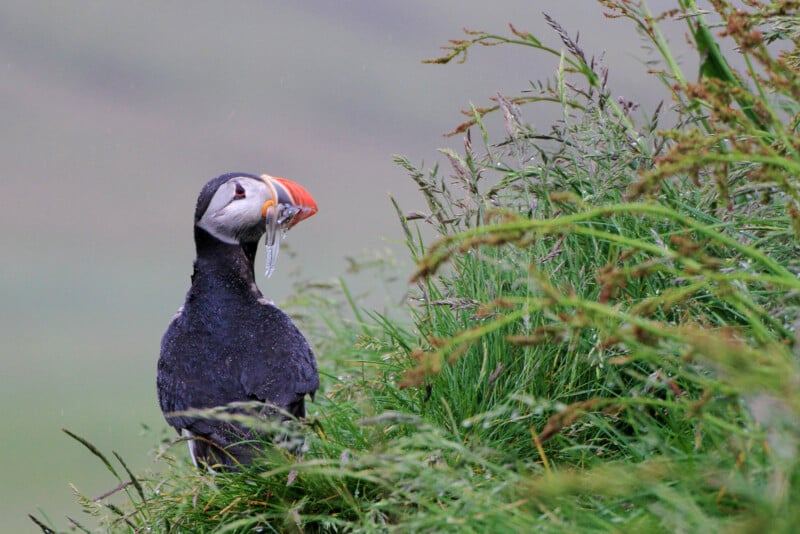
Image credits: Photographs by Kate Garibaldi