The breathtaking expanse of the Lençóis Maranhenses National Park, a UNESCO World Heritage site in Brazil’s northeast, offers a visual spectacle that has captivated photographers and travelers alike. Initially intended as a brief stopover en route to Patagonia, the park’s unique ecosystem presented an irresistible artistic opportunity, transforming a planned transit into a profound exploration of nature’s artistry. This vast, 600-square-mile landscape, a dynamic interplay of interlacing river systems, crystalline lagoons, and seemingly endless undulating sand dunes, served as a muse, prompting an immersive photographic endeavor. The park’s significance extends beyond its aesthetic appeal, encompassing crucial ecological processes and a rich cultural heritage that has recently garnered international recognition.
A Landscape of Shifting Sands and Seasonal Waters
Located in the northeastern corner of Brazil, the Lençóis Maranhenses National Park is distinguished by its remarkable geography. The park’s defining feature is its expansive field of white sand dunes, which, during the rainy season, become interspersed with thousands of rainwater-filled lagoons. This ephemeral aquatic element dramatically alters the landscape, creating a mosaic of blues and greens against the stark white of the sand. The park’s eastern border stretches over 40 miles along the Atlantic coast, punctuated by small fishing villages that have coexisted with the natural environment for generations.
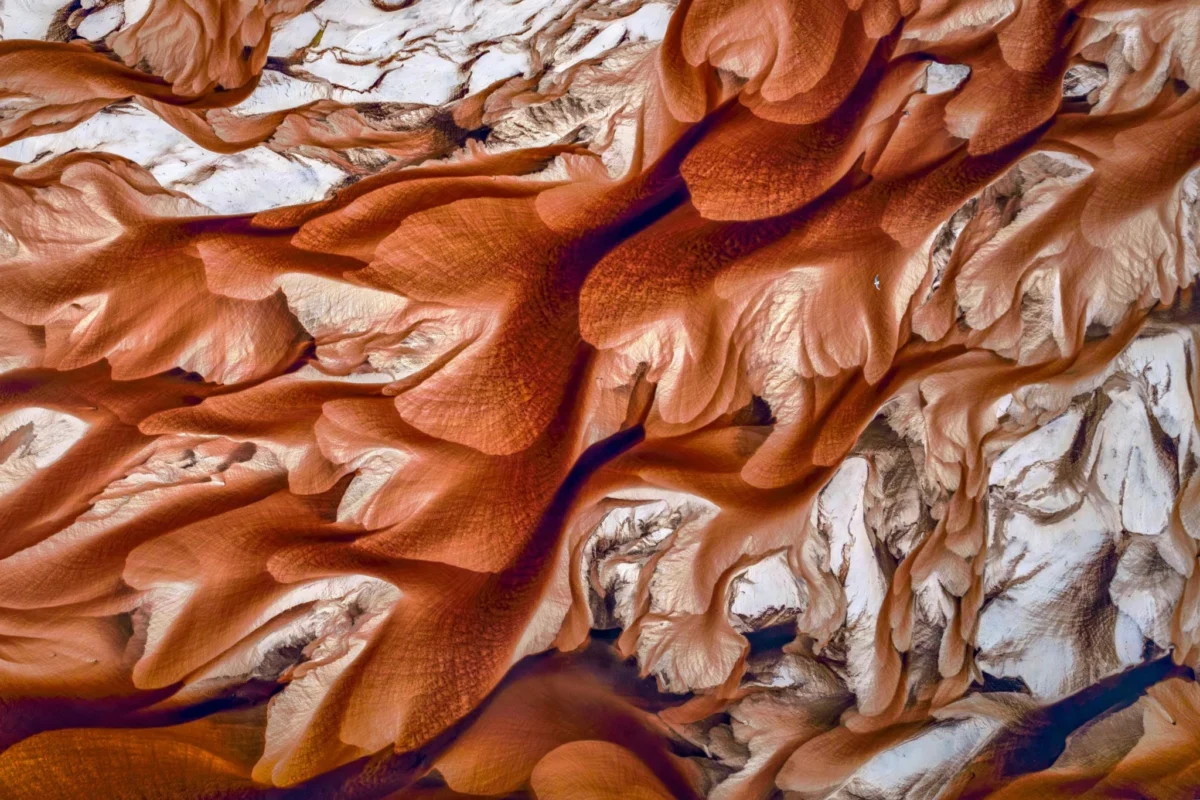
The park’s hydrological system is equally striking. Winding, tannin-colored rivers, stained by decaying vegetation, snake their way through the dunes, eventually emptying into the Atlantic. These tannin-rich waters create a dramatic contrast with the pale sand, often appearing as dark, sinuous veins across the landscape. Scattered pools of turquoise and jade water, fed by seasonal rains, further embellish this textured canvas. To the west, the desert-like terrain gradually transitions into cerrado (Brazilian savanna), followed by forests, and finally giving way to agricultural lands, illustrating a complex ecological gradient.
The park’s designation as a UNESCO World Heritage site in 2023 underscores its universal value and the importance of its conservation. This recognition highlights the park’s unique natural processes, including the seasonal formation and recession of its lagoons, which are integral to the survival of various endemic species. The area faces environmental challenges, including the potential impacts of climate change on rainfall patterns, which could affect the formation and duration of the lagoons, and the pressures of tourism if not managed sustainably.
The Evolution of Perspective: Aerial Photography and the Drone Revolution
The sheer scale and dynamic nature of the Lençóis Maranhenses inspired a desire for an elevated perspective. Historically, capturing aerial views of such landscapes involved the use of traditional aircraft like Ultralights or Cessnas, often with doors removed to facilitate photography. These methods, while effective, were inherently limited by accessibility, cost, and the pilot’s ability to maneuver for optimal shots.
The advent of drone technology, or Unmanned Aerial Vehicles (UAVs), has revolutionized aerial photography. Drones offer unprecedented flexibility, allowing photographers to maintain precise control over altitude and camera angles, enabling the capture of intricate details while simultaneously encompassing vast panoramas. This technological advancement provides a unique opportunity to observe and document the landscape in ways previously unimaginable.
By keeping the drone at a low altitude, it was possible to discern the subtle nuances of the terrain – the delicate crests of sand, the texture of the water’s surface, and the intricate patterns formed by wind and water. Simultaneously, the drone’s capacity for broader flight allowed for the capture of the landscape’s immense scale, from horizon to horizon. This dual capability provided a comprehensive view, revealing the park as a living, breathing entity constantly reshaped by natural forces.
Nature’s Artistry: A Timeless Human Fascination
The human impulse to replicate and understand the natural world through art dates back millennia. Archaeological evidence, such as the prehistoric animal paintings found in the Chauvet Cave in France, dating back approximately 30,000 years, demonstrates an early and profound connection between humans and their environment as subjects of artistic expression. Throughout history, artists across diverse cultures and eras, from the Upper Paleolithic to the Renaissance and beyond, have dedicated their lives to observing and interpreting nature’s forms, colors, and patterns.
This enduring fascination reflects a deep-seated human need to connect with, and find meaning in, the natural world. Even with the advanced capabilities of modern digital photography, the challenge of fully capturing the essence of nature remains. The complexity and sheer scale of natural phenomena, from the vastness of a planetary landscape to the microscopic intricacies of a cell’s nucleus, present a constant challenge to artistic representation. The photographer’s role, therefore, becomes not one of perfect replication, but of interpretation and evocation, aiming to convey the feeling and impact of experiencing these natural wonders.
The quote by Vincent van Gogh, "…and then, I have nature and art and poetry, and if that is not enough, what is enough?" resonates deeply with this artistic pursuit. It speaks to the profound fulfillment derived from engaging with the natural world and its inherent beauty, finding in it a source of inspiration and sustenance.

The Dynamic Dance of Dunes and Water
The aerial perspective over Lençóis Maranhenses reveals a landscape in constant flux. Each shift in the wind reshapes the "everchanging canvas," toppling delicate sandy peaks and stirring the glassy, blue-green waters of the lagoons. The interplay of light and shadow across the undulating dunes creates a mesmerizing visual rhythm, a testament to the power of natural elements.
The rich coloration of the water is a direct result of the tannins leached from decaying vegetation in the surrounding areas. These tannins impart hues of red, deep brown, and rust, which refract across the landscape, adding depth and complexity to the visual narrative. The Black River, a prominent feature of the region, exemplifies this phenomenon. Its inky waters carve a serpentine path through the white dunes, a stark contrast that highlights the dynamic geological processes at play. This river eventually merges with the Parnaíba River in the northeast, further connecting the inland ecosystems with the vastness of the Atlantic Ocean.
The visual impact of this landscape is so profound that it can be almost overwhelming. Each adjustment in the drone’s angle or altitude reveals a new natural masterpiece, a unique lattice etched onto the Earth’s crust, stretching from one horizon to the other. The sheer abundance of breathtaking vistas can induce a sense of awe and even a slight disorientation, as the mind grapples with the immense beauty and complexity of the scene. The effort to frame such a dynamic and expansive subject can be both exhilarating and humbling.
Ecological Significance and Conservation Imperatives
The Lençóis Maranhenses National Park is more than just a scenic wonder; it is a critical ecosystem supporting a unique array of flora and fauna adapted to its challenging environment. The seasonal lagoons, which form during the wet season (typically from January to June), create temporary freshwater habitats that are vital for the reproduction of several species of fish, amphibians, and invertebrates. Some of these species, such as the annual killifish (known locally as "peixinhos"), have evolved remarkable life cycles, with their eggs surviving in the dry sand during the arid months and hatching with the return of the rains.
The park’s dunes are also home to specialized plant life that can tolerate the sandy, nutrient-poor soil and intense sunlight. These plants play a crucial role in stabilizing the dunes and providing food and shelter for various insect and bird species. The surrounding cerrado and forest ecosystems contribute to the region’s biodiversity, providing migratory routes and habitats for a wider range of wildlife.
The recognition of the Lençóis Maranhenses as a UNESCO World Heritage site brings with it a heightened responsibility for its preservation. Sustainable tourism practices are essential to mitigate the potential negative impacts of increased visitor numbers. This includes managing visitor access to sensitive areas, promoting responsible waste disposal, and supporting local communities in developing eco-tourism initiatives that benefit both the environment and the local economy.
Furthermore, the park’s future is intrinsically linked to global climate patterns. Changes in rainfall intensity and distribution due to climate change could significantly alter the formation and lifespan of the lagoons, impacting the delicate ecological balance. Ongoing scientific research and monitoring are vital to understand these changes and to develop effective conservation strategies. International collaboration and support are crucial in ensuring the long-term protection of this invaluable natural heritage.
A Legacy of Artistic Endeavor
The experience of photographing the Lençóis Maranhenses National Park serves as a powerful reminder of the enduring human connection to nature and the artistic impulse it inspires. From the earliest cave paintings to contemporary aerial photography, humanity has consistently sought to capture the essence of the natural world. While technological advancements provide new tools and perspectives, the fundamental challenge remains: to convey the profound beauty and complexity of nature in a way that resonates with others.
The privilege of attempting to translate these awe-inspiring scenes into images is a driving force for many photographers and artists. It is a continuous process of learning, observing, and striving to do justice to the magnificent artistry that nature so generously provides. The vastness of the planet and the intricate details of its smallest components offer an inexhaustible source of wonder and inspiration, a constant invitation to explore, appreciate, and protect.
The pursuit of capturing the full depth of natural beauty, as Van Gogh alluded, is an endeavor that enriches the soul and fosters a deeper appreciation for the planet we inhabit. The Lençóis Maranhenses, with its ever-shifting sands and ephemeral lagoons, stands as a vivid testament to this ongoing dialogue between humanity and the natural world, a canvas that continues to inspire and humble all who witness its magnificence. The ongoing efforts to document and protect such pristine environments are crucial for future generations to experience and understand the profound artistry that permeates all life on Earth.