A few weeks ago, an initial examination into the cameras employed in recent Oscar-nominated films provided a glimpse into the technical foundations of cinematic excellence. While camera choices are fundamental, they represent only a fraction of the intricate machinery required to elevate a film to award-winning status. The subtle yet profound art of lighting, often overlooked by general audiences, plays an equally critical, if not more defining, role in shaping mood, revealing character, and guiding narrative perception. This article delves into an analytical exercise, designed to illuminate the sophisticated lighting techniques and tools that underpin the masterful scenes witnessed in contemporary television and film productions, encouraging a deeper appreciation for this cornerstone of visual storytelling.
The journey from script to screen is a meticulously choreographed process where every visual element is carefully considered. While identifying the specific cameras used in major productions can often be accomplished with relative ease through industry reports and behind-the-scenes content, deciphering the precise, scene-by-scene lighting diagrams remains an elusive quest for the uninitiated. This complexity underscores the immense value and specialized expertise of professional cinematographers and their lighting crews, who are tasked with translating abstract emotional beats and narrative intentions into tangible visual realities. Their mastery lies in understanding how light interacts with form, texture, and color to create a desired psychological impact, often working within tight logistical and creative constraints. This analytical endeavor aims to demystify some of these techniques by breaking down still images from prominent films and TV shows, offering a methodological approach to understanding cinematic illumination.
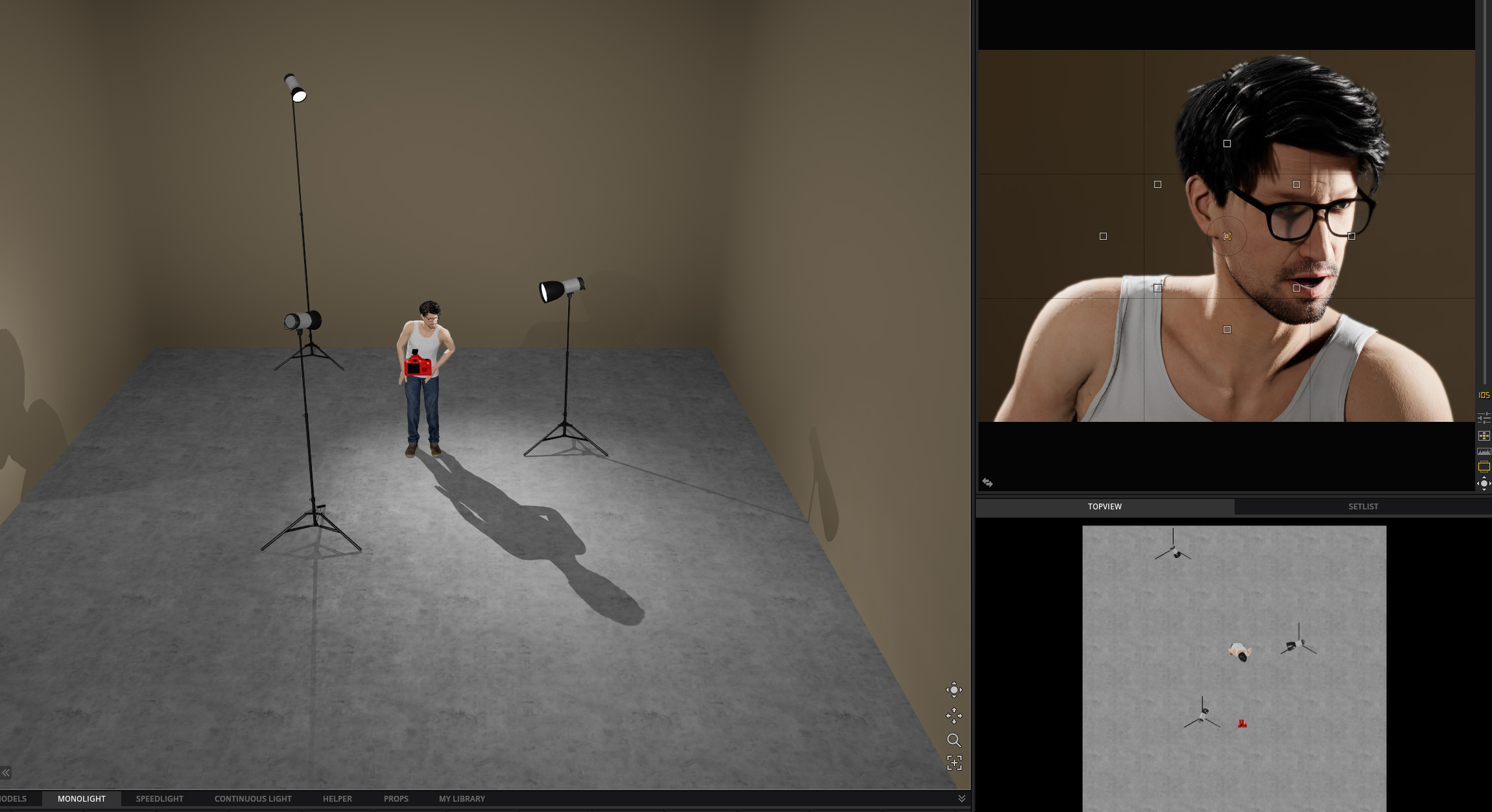
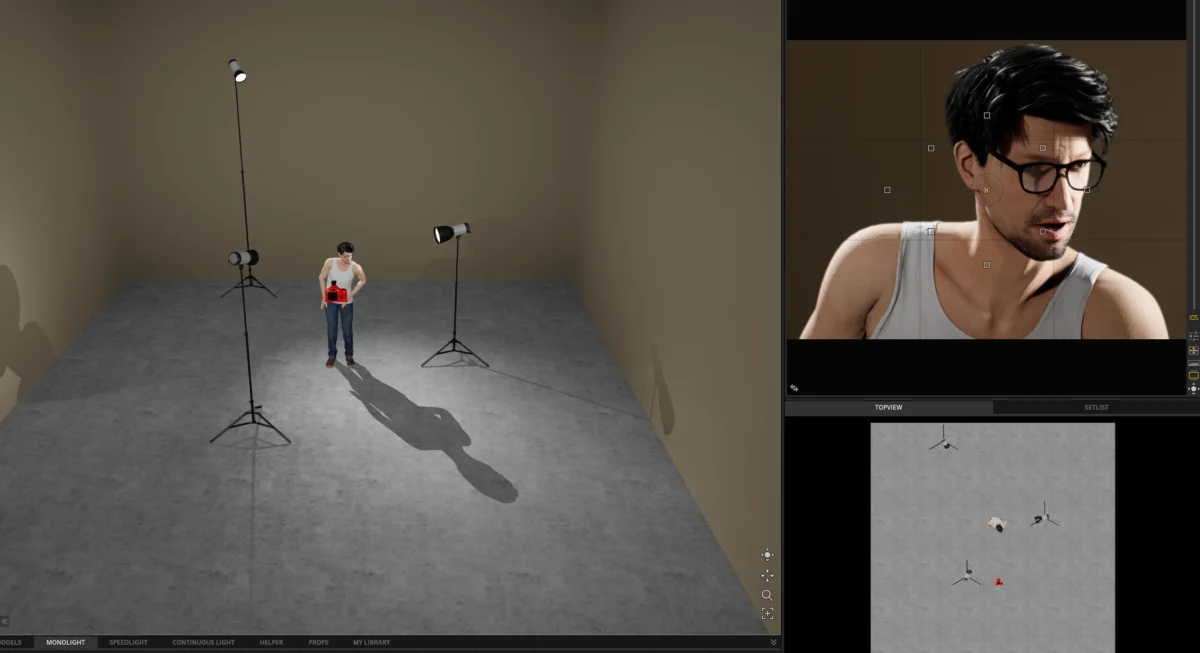
The methodology for this analysis leverages specialized software, set.a.light 3d, a purpose-built 3D modeling application designed for the precise deduction and construction of intricate lighting diagrams for both still photography and video. This tool facilitates the virtual recreation of lighting setups, allowing for experimentation and accurate representation of light sources, modifiers, and their effects on subjects and environments. Its intuitive interface democratizes a process typically confined to professional studios, enabling users to visualize and comprehend complex lighting schemes. This exploration, however, makes no definitive claims regarding the exact gear or precise placements used in the original productions. Instead, it serves as an educational exercise, demonstrating how one might approach the reverse-engineering of cinematic lighting to understand its artistic and technical principles.
The Foundational Role of Light in Visual Storytelling
Before diving into specific examples, it is crucial to acknowledge the pervasive influence of lighting in filmmaking. Historically, cinematic lighting evolved from practical stage lighting to sophisticated multi-point systems, adapting with technological advancements from carbon arc lamps to tungsten, HMI, and now versatile LED fixtures. Each shift brought new possibilities for control over intensity, color temperature, and beam spread. Cinematographers utilize lighting to:
- Establish Mood and Atmosphere: A scene bathed in soft, warm light evokes comfort, while harsh, cold light can signal danger or tension.
- Define Character: Shadows can obscure or highlight facial features, conveying mystery, strength, or vulnerability. Key lights can be sculpted to emphasize specific aspects of a character’s persona.
- Guide Audience Attention: Strategic placement of light can draw the viewer’s eye to a particular subject or object, reinforcing narrative importance.
- Create Depth and Dimension: By manipulating highlights and shadows, lighting transforms a two-dimensional screen into a perception of three-dimensional space, preventing flat imagery.
- Reinforce Narrative Themes: The contrast between light and shadow (chiaroscuro), the use of motivated lighting (light sources visible or implied within the scene), or unmotivated lighting (purely for aesthetic or dramatic effect) all contribute to the overarching thematic resonance of a film.
Industry veterans, such as acclaimed cinematographer Roger Deakins, frequently articulate that lighting is not merely about exposure but about crafting the emotional and psychological landscape of a scene. The collaboration between the director, cinematographer, gaffer (chief lighting technician), and grip department (responsible for shaping and controlling light) is central to achieving the desired visual language.
Case Study 1: "Marty Supreme" – Key Advert Image
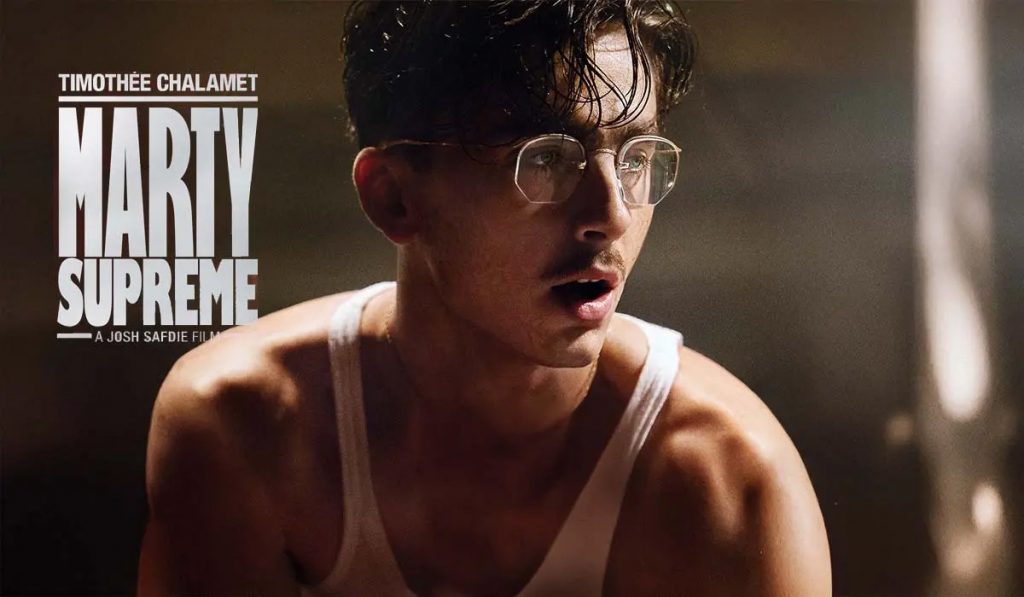
The promotional image for "Marty Supreme" presents a compelling study in hard lighting, a technique often employed to convey drama, power, and intensity. The visual impact of this image is immediately striking, characterized by sharp contrasts and clearly defined shadows that sculpt the subject’s face with undeniable force.
Analysis of Lighting Characteristics:
The pronounced specular highlights – bright, concentrated reflections – on the subject’s skin and the crisp, distinct shadows, particularly those falling from the nose and glasses onto the face, are unequivocal indicators of hard light sources. Hard light, typically originating from a small, undiffused source, produces high contrast and sharp transitions between light and shadow. This quality is frequently leveraged in advertising and dramatic cinema to create a sense of realism, grit, or heightened reality. In this specific composition, the starkness of the shadows emphasizes facial contours and textures, contributing to a powerful, almost chiseled appearance.
Recreation and Technical Breakdown:
To replicate this aesthetic, a three-light setup, devoid of diffusion, was employed.
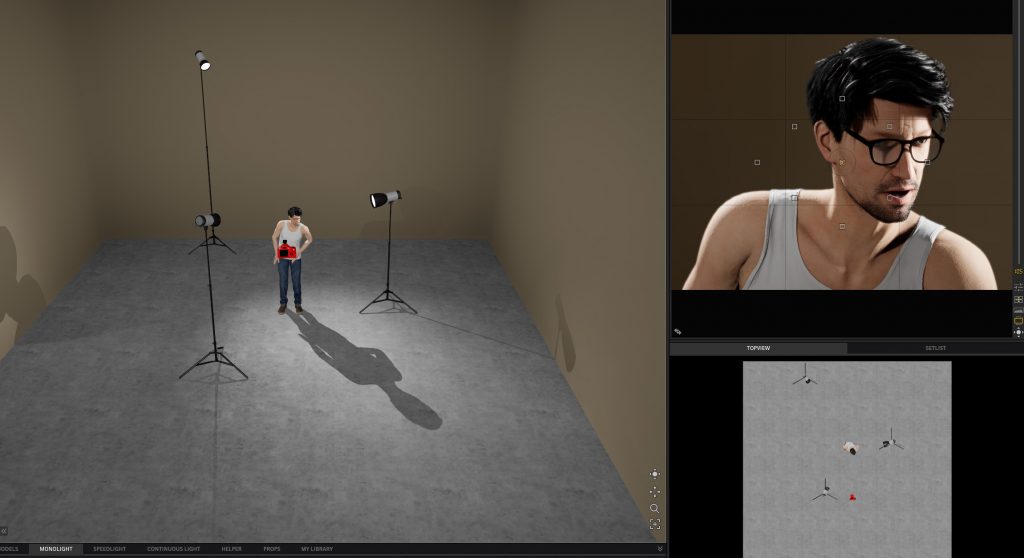
- Key Light: Positioned strategically, likely camera right and slightly above the subject, this primary light source generates the main illumination and defines the dominant shadow patterns. Its hardness ensures the deep, well-defined shadows observed.
- Rim Light (Right): A gridded light source placed to the right of the subject serves to create a focused edge light. The grid, an accessory that narrows the beam spread of a light, ensures that this light precisely outlines the subject’s shoulders and the right side of his face. This rim light separates the subject from the background, adding depth and a sense of dimensionality. It also provides a visual ‘pop’ that highlights the subject’s form.
- Rim Light (Left): A similar undiffused light on the opposite side provides additional backlighting, echoing a common cinematic technique to create separation and a dramatic halo effect. The consistency of hard light across both rim lights reinforces the overall high-contrast visual theme of the film.
- Fill Light: A subtle fill light, positioned camera left, softens the most extreme shadows on the subject’s face without eradicating them completely. Its purpose is not to flatten the image but to provide enough illumination to reveal detail in the shadow areas, preventing them from becoming pure black voids. This delicate balance maintains the dramatic impact while ensuring the subject’s features remain legible.
The choice of hard light for this key image aligns with a common approach in promotional material for films aiming to project a strong, intense, or enigmatic character. The absence of diffusion maximizes contrast and accentuates the subject’s presence, making a bold visual statement.
Case Study 2: "Sinners" – Key Group Scene
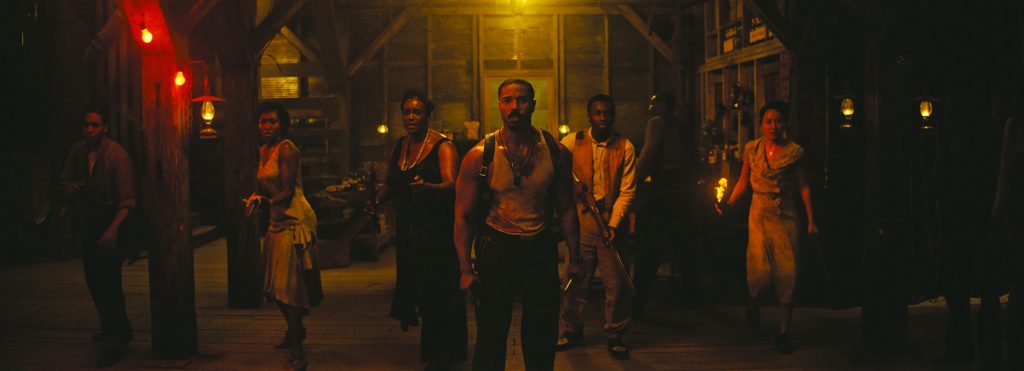
The pivotal group scene in "Sinners" stands as a masterclass in atmospheric lighting, utilizing a complex interplay of multicolored light sources to evoke a specific mood and underscore narrative tension. The cinematic quality of this scene is undeniable, driven by its evocative use of color and shadow.
Analysis of Lighting Characteristics:
The scene is predominantly illuminated by a combination of practical fire sources and colored artificial lights, specifically red and orange hues. This deliberate choice creates a visually rich and emotionally charged environment. The interaction of these warm, often flickering, light sources with the surrounding architecture produces dynamic shadows and gradients, contributing to a sense of unease, passion, or danger, depending on the narrative context. The use of multiple light sources from varying angles creates a depth that draws the viewer into the scene, allowing the eye to wander and discover details within the composition.
Recreation and Technical Breakdown:
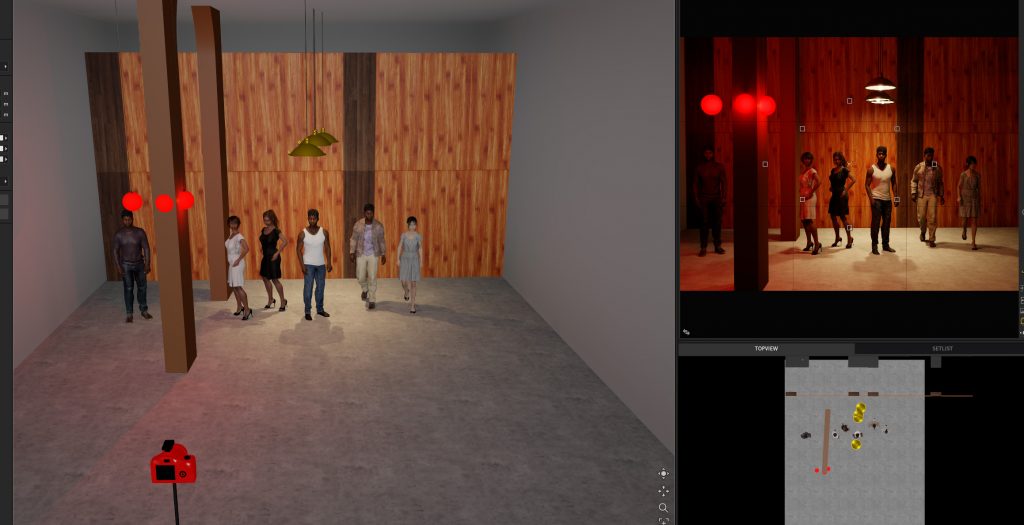
Given the interior setting, the reconstruction began with modeling the architectural elements of the building. The structure’s inherent lines and forms are integral to framing the shot and adding visual depth, dictating how light and shadow fall within the space.
- Architectural Context: A basic 3D model of the interior was constructed, acknowledging that the physical environment plays a crucial role in how light is absorbed, reflected, and contained. This step is vital for understanding light spill and bounce.
- Subject Placement: The characters were arranged in a staggered pattern. This strategic positioning is key to creating visual contrast and separation among the individuals, ensuring each figure receives unique lighting treatment and contributes to the overall compositional balance. Without staggered placement, a group lit from a single direction can appear flat.
- Motivated Light Sources: The primary light sources within the frame – represented by various fires and colored bulbs – were placed first. The intensity and color temperature of these lights were carefully matched to the reference image. Modern RGBWW LED fixtures, such as the Aputure B7c or similar units, are ideal for achieving the precise color spectra and intensity control needed for such complex setups. These lights offer the flexibility to dial in specific hues (reds, oranges) and adjust brightness to mimic natural firelight or intense theatrical effects.
- Refinement and Adjustment: Once the basic placement was established, the crucial phase of adjusting power levels and fine-tuning the beam angles commenced. This iterative process involved meticulously balancing the intensity of each light source to achieve the desired effect – where colored lights blend seamlessly with ambient firelight, creating a vibrant yet ominous atmosphere. The goal was to ensure that the multi-colored illumination effectively painted the scene, enhancing the mood without overwhelming the subjects. The subtle interplay of light and shadow, combined with the warm color palette, makes this scene an excellent example of using lighting to deepen cinematic narrative and emotional resonance.
Case Study 3: "Oppenheimer" – Hero Shot
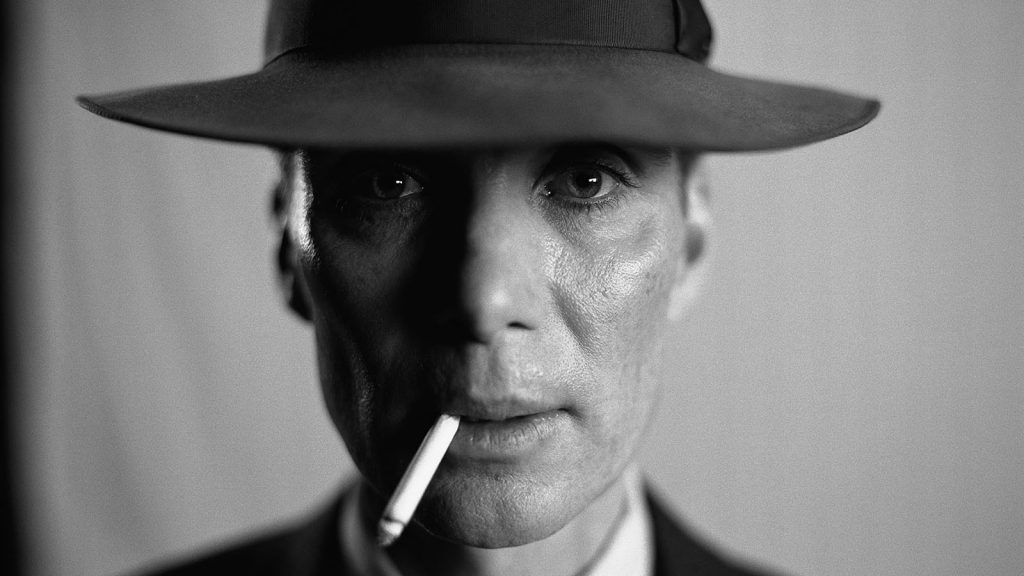
The iconic hero shot of Cillian Murphy as J. Robert Oppenheimer, widely used in the film’s promotional campaign, exemplifies the power of high-contrast lighting to imbue an image with profound drama, intellectual weight, and emotional depth. This particular frame became synonymous with the film’s intense psychological exploration.
Analysis of Lighting Characteristics:
The shot is defined by a striking contrast between prominent rim lighting and deep split lighting shadows. This dramatic interplay of light and dark, often referred to as chiaroscuro, creates a powerful sense of gravitas and introspection. The sharp delineations on Murphy’s face emphasize his intense gaze and the burden of his character. Crucially, the catchlights – the small reflections of light in the eyes – are carefully managed to add a spark of emotion and character, drawing the viewer directly into Oppenheimer’s complex internal world. Without these, the eyes might appear lifeless, diminishing the emotional connection.
Recreation and Technical Breakdown:
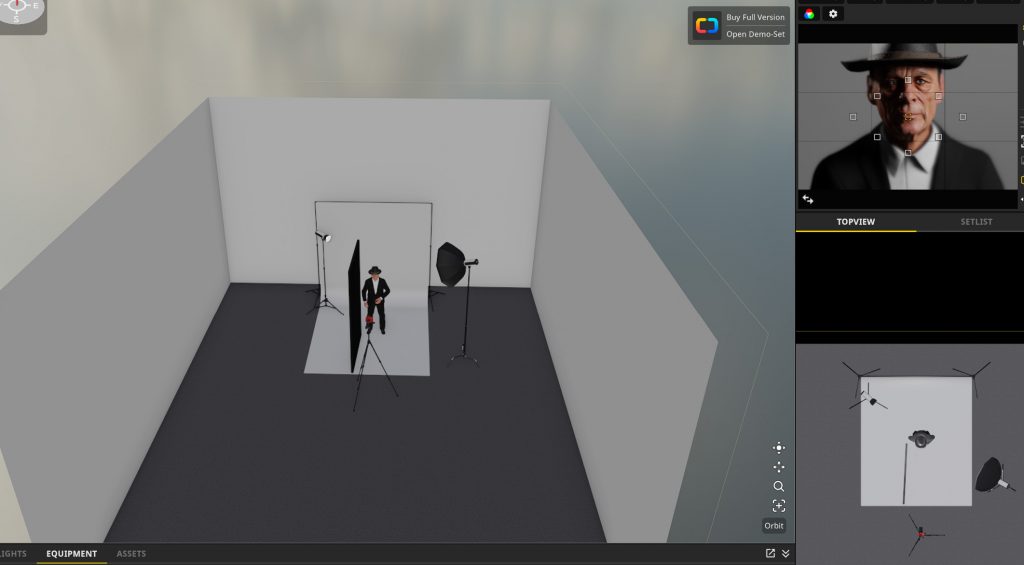
The lighting setup for this shot is deceptively simple, relying on precise placement and control to achieve its powerful effect.
- Key Light (Gridded Octobox): The primary illumination comes from a relatively small gridded Octobox positioned camera right.
- Octobox: An octagonal softbox, even a small one, produces a softer, more enveloping light than a bare bulb, though still directional. Its shape contributes to a natural-looking, slightly larger catchlight in the eyes, which is vital for conveying emotion.
- Grid: The inclusion of a grid (or honeycomb) attachment on the Octobox is critical. A grid restricts the spread of light, preventing it from spilling indiscriminately across the scene. This allows for precise control over where the light falls, helping to create the defined highlights and deep shadows characteristic of split lighting. The gridded Octobox acts as a controlled, directional soft light, providing enough diffusion for pleasing skin tones while maintaining a dramatic fall-off.
- Negative Fill / Blocking Board: A black blocking board (or flag) is placed close to the subject on camera left. This serves as a negative fill. Instead of reflecting light into the shadows (like a white reflector), a black board absorbs ambient light, intensifying the shadows on that side of the face. This technique significantly increases the contrast between the lit and shadowed sides, enhancing the dramatic effect and contributing to the split lighting aesthetic.
- Rim Light (Bare Light): A bare light source is positioned behind and to the left of the subject. This light is unadorned, meaning it is not diffused or modified, allowing it to create a harsh, bright rim light. This separation light highlights the edges of the subject’s hair, shoulder, and profile on the shadow side, effectively lifting him from the dark background and adding a three-dimensional quality. The harshness of this light complements the dramatic mood established by the key light and negative fill.
The synthesis of these elements creates a portrait that is both technically sophisticated and emotionally resonant, capturing the essence of Oppenheimer’s tortured genius.
Case Study 4: "One Battle After Another" – Lockjaw Scene
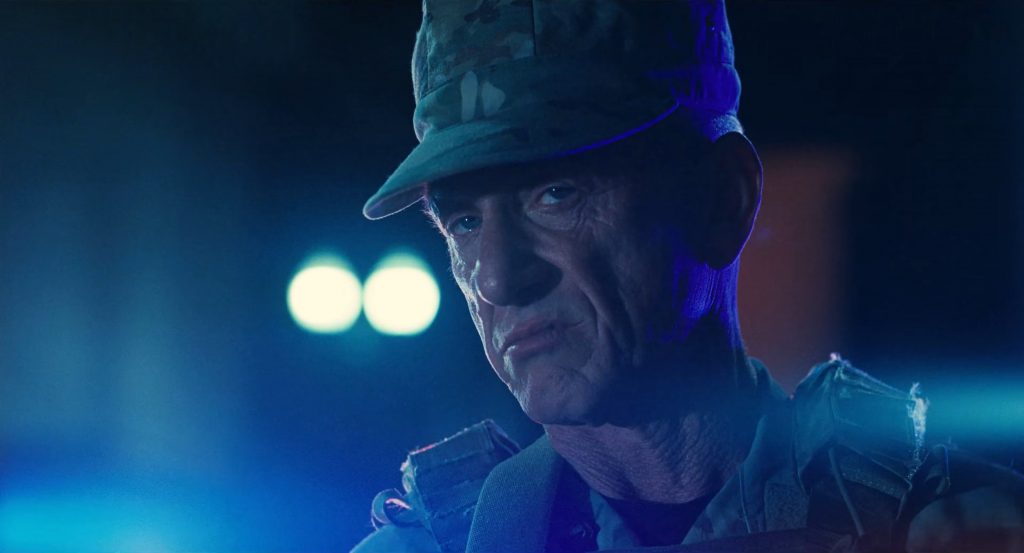
"One Battle After Another," lauded as a masterclass in cinematography and storytelling, earned critical acclaim and the Best Picture award, captivating audiences with its visceral narrative. While much of the film embraced natural light for its on-location sequences, the night scenes, particularly those featuring Sean Penn’s antagonist, Lockjaw, stand out for their dramatic and carefully constructed illumination. This specific scene with Lockjaw offers a profound insight into the use of hard, motivated lighting to convey tension and character.
Analysis of Lighting Characteristics:
The shadows cast on Sean Penn’s face in this scene are stark and defined, indicative of multiple hard light sources. This choice is deliberate, contributing to the menacing and unforgiving portrayal of Lockjaw. Hard light, with its sharp shadow edges and high contrast, often evokes a sense of danger, intensity, or moral ambiguity, perfectly suiting the character’s persona. The scene also incorporates blue light, strongly suggesting the presence of external, motivated light sources, such as police car lights or other environmental elements, which adds to the narrative realism and immediate tension. The overall aesthetic is gritty and unforgiving, mirroring the film’s thematic exploration of conflict and struggle.
Recreation and Technical Breakdown:
The breakdown of this scene focuses on replicating the harsh, dramatic qualities and the motivated blue light.
- Hard Rim Lights: The foundational elements are harsh rim lights positioned on each side of the subject. These lights are undiffused, ensuring sharp outlines and intense highlights that separate Lockjaw from his background.
- Blue Rim Light: Crucially, one of these rim lights is colored blue. This is a clear example of motivated lighting, implying the presence of police vehicle lights or similar emergency lighting in the background, which adds to the narrative tension and grounds the scene in a specific context. The blue light, contrasting with potentially warmer tones, enhances the feeling of a cold, stark environment.
- White Rim Light: The other rim light, likely a powerful, undiffused white light, further sculpts Lockjaw’s profile, accentuating his features and adding to the dramatic effect.
- Front Fill Light: A bare light, positioned to the front of the subject but powered down considerably, serves as a subtle fill light. Its purpose is to lift the deepest shadows on Lockjaw’s face just enough to reveal critical detail and expression, without diminishing the overall hard-light aesthetic. This careful balance ensures that while the scene remains high-contrast, the audience can still perceive the nuances of the character’s performance. The low power ensures it doesn’t overpower the dramatic rim lights.
- Anamorphic Lens Effect: A notable visual characteristic of the scene is the horizontal lens flare visible on the right side of the frame. This effect is a signature of anamorphic lenses, which compress a wider field of view onto a standard sensor, then de-squeeze it in post-production. Anamorphic lenses are celebrated for their unique aesthetic qualities, including distinct oval bokeh and pronounced horizontal flares, which add to the cinematic grandeur and often evoke a classic film look. The flare, in this context, adds a dynamic visual element that enhances the scene’s intensity and stylistic coherence.
This scene from "One Battle After Another" brilliantly employs hard lighting and motivated color to create a visually impactful and narratively potent sequence, showcasing how technical choices directly contribute to character development and thematic expression.
The Broader Impact and Future of Cinematic Lighting Analysis
The exercise of deconstructing cinematic lighting, as demonstrated through these examples, offers invaluable insights for aspiring filmmakers, photographers, and cinephiles alike. It moves beyond passive consumption of media, fostering an active engagement with the craft of visual storytelling. This analytical approach not only deepens an understanding of how light functions but also highlights the meticulous planning and artistic vision that goes into every frame of a professional production.
The increasing accessibility of tools like set.a.light 3d signifies a broader trend in the democratization of filmmaking knowledge and pre-visualization techniques. What was once the exclusive domain of large studios with extensive budgets and specialized personnel can now be explored by individuals, fostering a new generation of visually literate creators. These tools enable experimentation with complex lighting scenarios in a virtual environment, reducing costly trial-and-error on set and streamlining the creative process.
Moreover, the ongoing evolution of lighting technology, particularly in LED advancements, continues to expand the creative palette available to cinematographers. Modern LED fixtures offer unparalleled control over color temperature, hue, saturation, and intensity, allowing for intricate and dynamic lighting cues that were previously unimaginable or prohibitively expensive. This technological frontier promises even more sophisticated and subtle forms of illumination in future productions.
Ultimately, the ability to dissect and comprehend the lighting choices in celebrated films is a gateway to appreciating the nuanced artistry of cinematography. It reveals that every highlight, every shadow, and every color choice is a deliberate stroke in a larger artistic canvas, contributing to the emotional resonance and narrative power of the moving image. As audiences become more discerning, and as visual media continues to evolve, the appreciation for the silent language of light will only grow, underscoring its indispensable role in bringing stories to life on screen. For those inspired to experiment with their own lighting designs, a comprehensive range of professional lighting equipment remains accessible for rental, providing the tools to translate theoretical understanding into practical application.