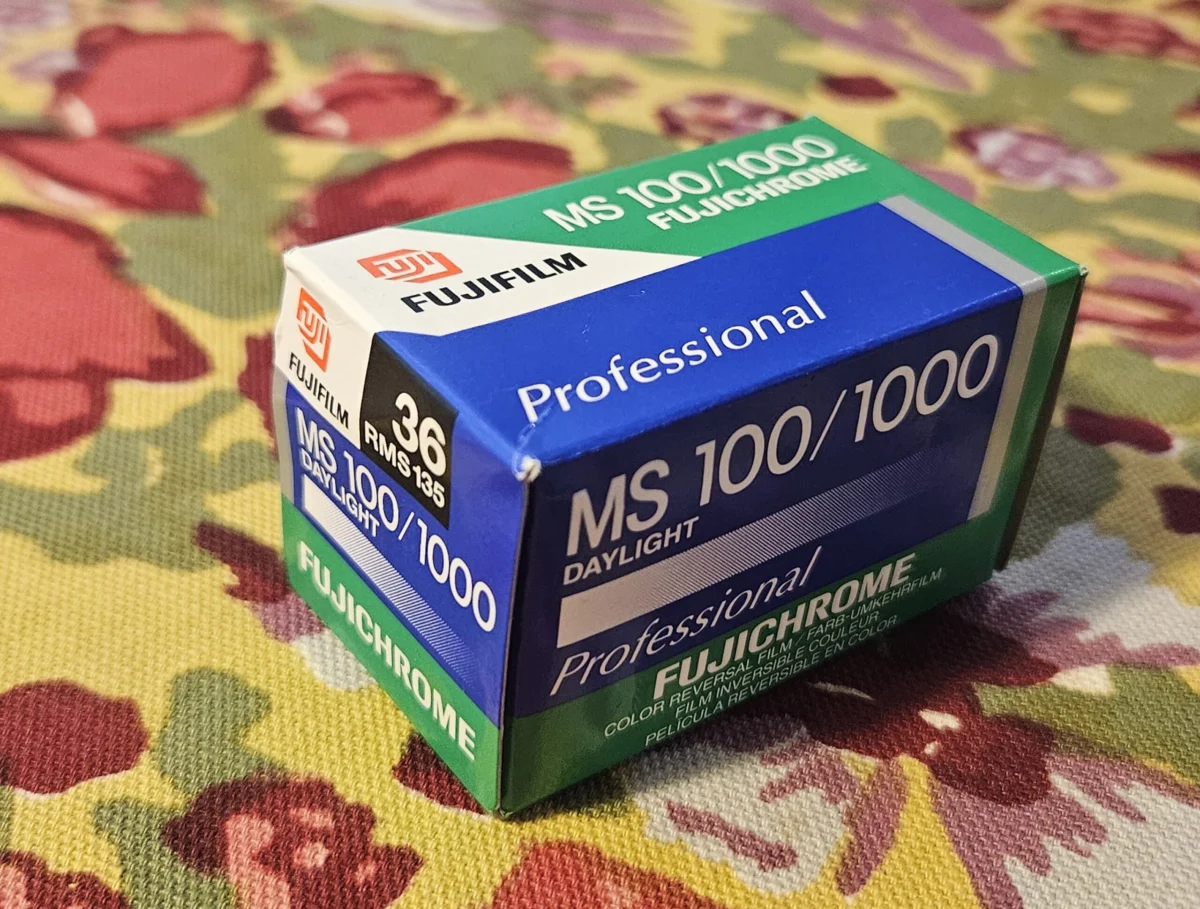
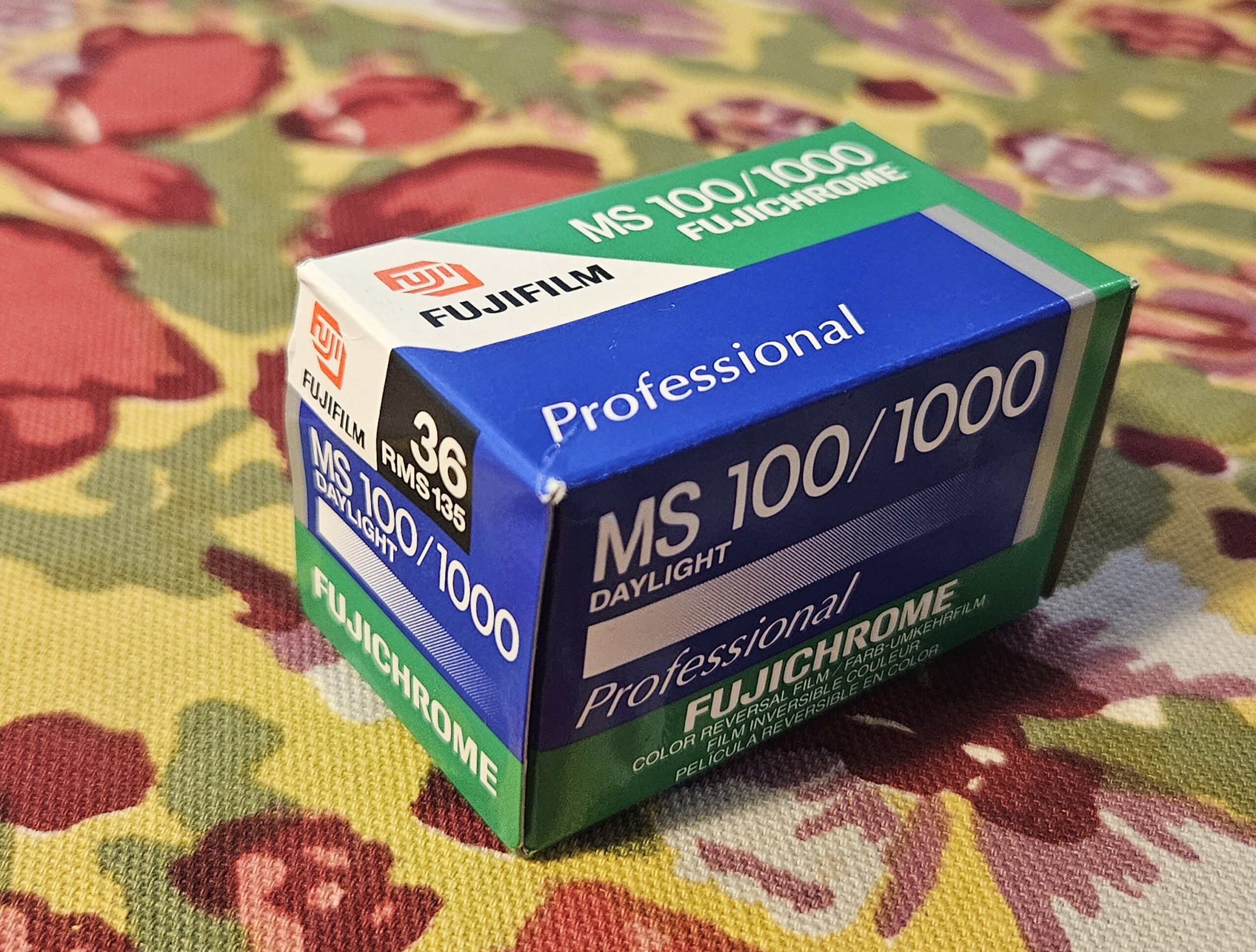
Fujifilm MS 100/1000 Professional, a specialized color reversal film introduced in the late 1990s, represents a unique chapter in the history of analog photography, designed specifically to address the demands of professional photographers requiring extreme exposure flexibility. Launched in 1999, this film was engineered to bridge the gap between high-fidelity low-speed emulsions and the grain-heavy high-speed stocks of the era. While many contemporary photographers are well-acquainted with Fujifilm’s flagship slide films such as Velvia, Provia, and Astia, the MS 100/1000 remains a relatively obscure footnote in the company’s catalog, primarily due to its short production lifespan and the rapid evolution of film chemistry at the turn of the millennium.
Technical Specifications and the Push-Processing Paradigm
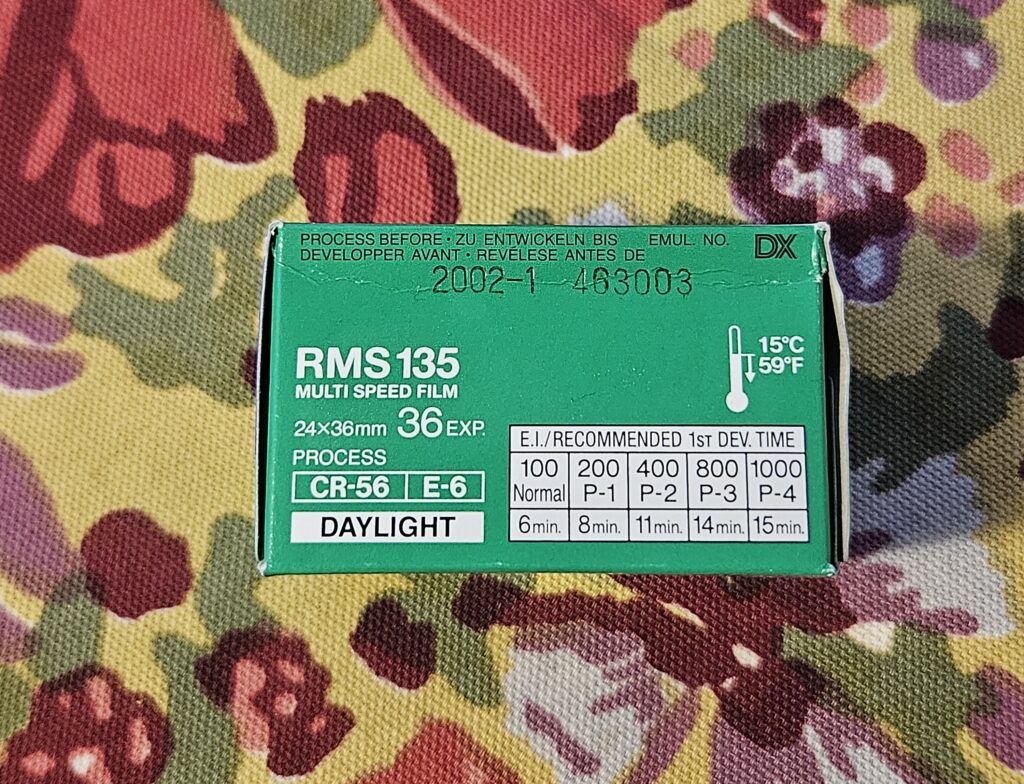
The "MS" in the film’s nomenclature stands for "Multi-Speed," highlighting its primary design objective: the ability to be rated at various Exposure Indices (EI) while maintaining color consistency. At its core, MS 100/1000 is an ISO 100 daylight-balanced color reversal film. However, unlike standard emulsions of the time, which typically suffered from significant color shifts and contrast abnormalities when pushed beyond one stop, MS 100/1000 was optimized for a push-processing range of up to four stops.
Fujifilm’s engineering goal was to provide a single emulsion that could be shot at EI 100, 200, 400, 800, or 1000. This versatility allowed photographers to use the same film stock for a variety of lighting conditions—ranging from bright outdoor landscapes to low-light indoor environments—provided they adjusted the development time in the E-6 chemical process accordingly. The technical achievement lay in the film’s ability to retain realistic color reproduction and manageable grain even when pushed to its upper limit of EI 1000.
In the late 1990s, standard professional films like Velvia were notoriously difficult to push, often becoming unusable after a single stop of over-development due to "blocked" shadows and extreme contrast. Modern iterations of Provia and Kodak Ektachrome generally tolerate a two-stop push, but the four-stop capability of MS 100/1000 remains an impressive feat of chemical engineering. Fujifilm’s internal data from the period suggested that by optimizing the grain structure and color couplers, they could mitigate the typical degradation associated with extended immersion in the first developer of the E-6 process.
Chronology of Development and Market Discontinuation
The timeline of MS 100/1000 is brief but significant within the context of the film industry’s transition into the digital age.

- 1999: Fujifilm officially releases MS 100/1000 Professional. It was marketed toward photojournalists, sports photographers, and commercial shooters who required a "do-it-all" slide film that could maintain a consistent aesthetic across multiple rolls shot at different speeds.
- 2000–2002: The film gains a niche following but faces stiff competition from within Fujifilm’s own ranks. The release of Provia 100F (RDPIII) and Provia 400F (RHP III) introduced "Sigma Crystal" technology, which significantly improved grain and push-ability for standard films.
- 2003: Fujifilm announces a major update to its slide film lineup. During this restructuring, MS 100/1000 is discontinued without a direct successor. The company opted to focus on the superior performance of the Provia F series, which offered better overall image quality and sufficient pushing latitude for most professionals.
The discontinuation reflected a shift in the market. As digital SLR cameras began to gain traction in professional circles, the need for a hyper-specialized "pushing" slide film diminished. Professionals who stayed with film often preferred the specialized characteristics of Velvia for landscapes or Provia for general-purpose work, rather than a jack-of-all-trades emulsion like MS 100/1000.
Performance Analysis of Aged Emulsions
Recent technical evaluations of expired MS 100/1000 stock provide insight into how this complex chemistry holds up over decades. For instance, batches of 35mm film that expired in January 2002—likely manufactured in late 1999 or early 2000—show distinct signs of chemical degradation, yet they still demonstrate the resilience of the original design.

When shot today, nearly 25 years after manufacture, MS 100/1000 typically exhibits a pronounced magenta color cast, a common phenomenon in aged Fujifilm color reversal stocks where the magenta-forming couplers become more dominant as the other layers lose sensitivity. Furthermore, pushing the film by two stops (rating it at EI 400) results in "crunchy" grain and increased contrast.
Despite these age-related shifts, the film maintains a surprising amount of shadow detail and exposure latitude. Technical tests indicate that even when pushed, the contrast remains within a range that is manageable for modern scanning and post-processing workflows. This suggests that the original "Multi-Speed" engineering effectively created a robust latent image that survives the passage of time better than many of its contemporaries.

Comparison with Competitive Stocks
To understand the positioning of MS 100/1000, it must be compared with the dominant films of its era. At the time of its release, the primary competitor in the high-speed slide film market was Kodak Ektachrome P1600. While Kodak’s offering was natively faster, it was also known for very high contrast and substantial grain.
Fujifilm’s strategy with MS 100/1000 was to offer a superior alternative: a film that behaved like a high-quality 100-speed film when shot at box speed but could be "overclocked" to 1000 without the extreme aesthetic penalties associated with P1600. However, the market ultimately determined that the high-speed performance of Provia 400F was sufficient for most needs, rendering a dedicated multi-speed 100-1000 film a redundant luxury.

Observations on Modern Utility and Aesthetics
In the contemporary analog community, the use of MS 100/1000 is largely experimental. For photographers accustomed to the predictable results of fresh Ektachrome or Provia, the MS 100/1000 offers a "Lomographic" aesthetic—characterized by surreal color shifts and heavy texture.
Specific observations from current users highlight several key performance traits:

- Lighting Sensitivity: The film performs best under even, consistent lighting. High-contrast scenes, such as dusk skylines or harsh midday sun, often exceed the film’s remaining dynamic range, leading to "blown-out" highlights or "muddy" shadows.
- Skin Tone Reproduction: MS 100/1000 was never primarily marketed as a portrait film. Contemporary tests show that the magenta shift tends to render skin tones with a "roasted" or overly tanned appearance, similar to the behavior of Kodak Ektar in certain lighting conditions.
- Color Fidelity: Despite the age-induced magenta bias, the film’s underlying color science remains evident. Greens, in particular, retain the signature "Fuji Green" vibrancy, a hallmark of the company’s color science that has persisted across decades of emulsion development.
- Indoor Performance: Interestingly, the film often appears more balanced when used under artificial indoor lighting. The warmer color temperatures of tungsten or certain LED sources can partially offset the magenta shift, leading to a more naturalistic—though still stylized—image.
Broader Implications for the Analog Industry
The story of Fujifilm MS 100/1000 serves as a case study in the rapid innovation of the late analog era. It represents the pinnacle of "push-processing" chemistry before the industry’s focus shifted toward digital sensors. The film’s failure to remain a permanent fixture in the market was not due to a lack of quality, but rather a lack of a sustainable niche.
Today, the scarcity of color reversal film makes any surviving stock of MS 100/1000 a valuable commodity for enthusiasts. However, its legacy is more technical than commercial. The lessons learned by Fujifilm scientists in developing MS 100/1000 likely informed the development of the Provia F series, which remains one of the few professional slide films still in production today.

As the analog revival continues, the rediscovery of obscure stocks like MS 100/1000 provides a window into a time when film manufacturers were pushing the boundaries of chemical engineering. While the "Multi-Speed" concept may have been a victim of timing, the surviving rolls continue to offer a unique, if unpredictable, medium for creative expression in the 21st century.
Conclusion and Future Outlook
Fujifilm MS 100/1000 Professional remains a testament to a period of intense competition and technological ambition. For the modern photographer, it represents a challenge: a film that requires precise metering and a willingness to embrace imperfection. While it is unlikely that a multi-speed slide film will ever return to the market—given the complexities of E-6 manufacturing and the dominance of digital ISO flexibility—the MS 100/1000 stands as a reminder of the versatility that was once possible within a single roll of 35mm film. Future experiments with this stock will likely continue to focus on its "lomo" qualities, but its true value lies in its historical status as a bridge between the specialized past and the streamlined present of analog photography.