The landscape of 21st-century combat is undergoing a fundamental transformation on the plains of Eastern Europe, driven largely by the rapid industrialization and deployment of First-Person View (FPV) drones. Since the onset of the full-scale invasion in early 2022, Ukraine has transitioned from a nation reliant on conventional Soviet-era stockpiles to a global leader in low-cost, high-precision aerial technology. This shift is not merely a tactical adjustment but a massive industrial mobilization that has seen the Ukrainian government and private sector collaborate to produce millions of units, fundamentally altering the cost-to-kill ratio of modern military operations. As the conflict enters its fourth year, the Ukrainian defense industry has set an ambitious target of producing over 4.5 million FPV drones by the end of 2025, supported by a staggering $2.6 billion budgetary allocation.
The Strategic Shift Toward Asymmetric Aerial Warfare
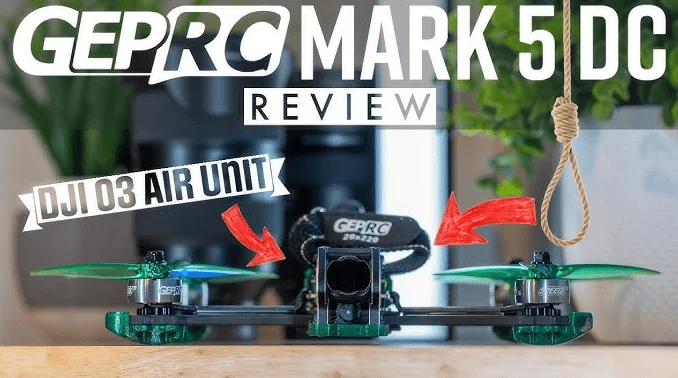
The emergence of FPV drones as a dominant force on the battlefield was born out of necessity. Facing a numerically superior adversary with deep reserves of armored vehicles and artillery, Ukrainian forces sought asymmetric solutions to bridge the capability gap. FPV drones—originally designed for racing and cinematography—offered a unique solution: they are inexpensive, highly maneuverable, and capable of delivering surgical strikes against high-value targets such as main battle tanks, electronic warfare systems, and entrenched infantry.
Unlike traditional loitering munitions, which can cost upwards of $100,000 per unit, a standard FPV kamikaze drone can be assembled for between $400 and $1,000. This economic disparity allows Ukrainian forces to deploy dozens of drones against a single multi-million-dollar target, ensuring a high probability of destruction at a fraction of the cost. The psychological impact on enemy forces is equally significant, as the constant presence of "suicide drones" limits movement and complicates logistics behind the front lines.
Chronology of Ukraine’s Drone Industrialization
The journey toward becoming a "drone superpower" has been characterized by three distinct phases of development.
Phase 1: Improvisation and Volunteerism (2022)
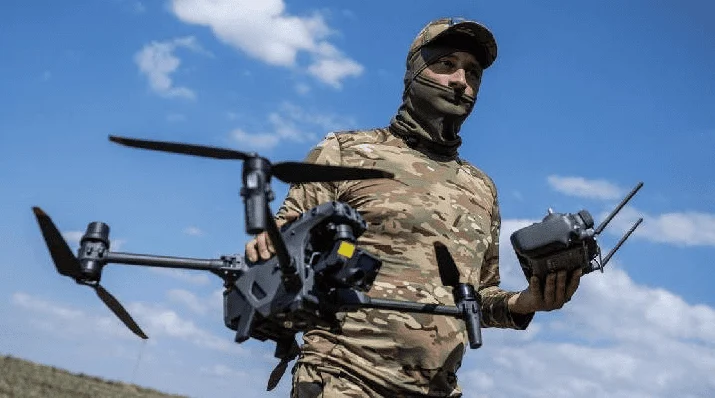
In the early months of the invasion, drone use was largely decentralized. Volunteer organizations and individual units modified commercial off-the-shelf (COTS) drones, such as the DJI Mavic series, to drop small grenades. While effective for reconnaissance, these drones lacked the speed and payload capacity for high-impact strikes. During this period, the first FPV racing drones were repurposed for combat, proving that a pilot with a VR headset could fly a drone directly into an open hatch or a vulnerable engine compartment with pinpoint accuracy.
Phase 2: The "Army of Drones" Initiative (2023)
Recognizing the potential of this technology, the Ukrainian government, through the Ministry of Digital Transformation led by Mykhailo Fedorov, launched the "Army of Drones" project. This initiative aimed to centralize procurement, train thousands of pilots, and provide seed funding to local startups. By mid-2023, dozens of small workshops across the country had scaled into mid-sized manufacturing hubs. The government also moved to deregulate the defense industry, removing bureaucratic hurdles for importing components and certifying new drone models.
Phase 3: Mass Industrialization and AI Integration (2024–2025)
The current phase is defined by massive scaling and technological sophistication. Production has moved from small workshops to large-scale industrial facilities. In February 2025, reports indicated that Ukrainian FPV drone strikes increased by 22% compared to the previous month, a testament to the surging output. The focus has now shifted toward overcoming Russian electronic warfare (EW) through the integration of artificial intelligence (AI) for autonomous terminal guidance and the development of "mother-ship" drones that can carry multiple FPV units deeper into enemy territory.
Financial Commitment and Government Support
The Ukrainian government’s commitment to this sector is reflected in its fiscal priorities. For the 2025 fiscal year, more than $2.6 billion has been earmarked specifically for the purchase and development of unmanned systems. This funding is distributed through various channels, including direct military procurement and the "Brave1" defense tech cluster.
Brave1 serves as a unified platform for cooperation between the defense forces, government, and private developers. It provides grants, access to testing grounds, and legal support for innovators. To date, hundreds of companies have registered under the Brave1 umbrella, producing everything from heavy "Baba Yaga" night-bombers to tiny, expendable FPV scouts. The government has also implemented tax exemptions for drone components, including motors, flight controllers, and batteries, to ensure that local production remains cost-competitive with international imports.
Technical Advantages and Battlefield Effectiveness
The effectiveness of FPV drones in the Ukrainian theater is attributed to several key technical features that differentiate them from traditional munitions:
- Precision and Maneuverability: FPV drones allow pilots to navigate through complex environments, such as forests, urban ruins, or trench systems. This enables strikes on targets that are hidden from traditional artillery or direct-fire weapons.
- Real-Time Intelligence: Because the pilot sees exactly what the drone sees in real-time, FPV units double as short-range reconnaissance tools, providing immediate battle damage assessment (BDA).
- Payload Versatility: Ukrainian engineers have developed a wide array of specialized warheads, including RPG-7 shaped charges for armor penetration, thermobaric charges for clearing bunkers, and fragmentation sleeves for anti-personnel roles.
- Operator Safety: By utilizing high-gain antennas and signal repeaters, drone operators can remain in protected bunkers or covered positions several kilometers away from the point of impact, significantly reducing casualty rates among skilled personnel.
Addressing the Challenges: Supply Chains and Electronic Warfare
Despite the rapid growth, the Ukrainian drone industry faces significant headwinds. The most pressing issue is the reliance on foreign-made components. A large majority of motors, microchips, and flight controllers are sourced from China. As China implements tighter export controls on dual-use technologies, Ukraine has had to diversify its supply chains, looking toward partners in the European Union, the United States, and Taiwan, while simultaneously investing in domestic component manufacturing.
The second major challenge is the "radio-electronic struggle." Russian forces have deployed extensive Electronic Warfare (EW) complexes designed to jam the control signals and GPS coordinates of Ukrainian drones. In response, Ukrainian manufacturers are innovating at a breakneck pace. This "cat-and-mouse" game has led to the development of:
- Frequency Hopping: Drones that automatically switch communication frequencies when jamming is detected.
- Optical Guidance: AI-driven systems that allow the drone to "lock on" to a target visually, rendering jamming ineffective during the final stage of the flight.
- Wire-Guided Drones: In specific high-jamming environments, some units have experimented with fiber-optic tethered drones that are immune to all forms of radio interference.
Official Responses and International Cooperation
The Ukrainian leadership has been vocal about the necessity of maintaining a technological edge. President Volodymyr Zelenskyy has repeatedly emphasized that "the sky will determine the outcome of this war." In early 2024, he signed a decree creating a separate branch of the military: the Unmanned Systems Forces. This move was designed to professionalize drone warfare, ensuring standardized training and doctrine across the entire armed forces.
Internationally, Ukraine’s success has spurred the creation of the "Drone Coalition," a group of over a dozen countries, including the United Kingdom, Latvia, and Germany, committed to providing Ukraine with one million drones and investing in its domestic production capabilities. Western defense officials have noted that they are learning as much from Ukraine as they are giving, with NATO members now incorporating "lessons learned" from the Ukrainian FPV experience into their own defense procurement strategies.
Broader Implications for Global Security
The mass production of FPV drones in Ukraine has implications that reach far beyond the current conflict. It signals the end of the era where air superiority was the exclusive domain of nations with multi-billion-dollar air forces.
- Democratization of Air Power: Small nations or non-state actors can now achieve precision-strike capabilities that were previously only available to superpowers.
- Obsolescence of Traditional Armor: The vulnerability of expensive tanks to $500 drones is forcing a total rethink of armored warfare doctrine and vehicle design, with a new focus on active protection systems (APS) and "cope cages."
- Economic Warfare: The ability to target energy infrastructure, refineries, and logistics hubs with long-range FPV derivatives allows for strategic economic disruption without the need for traditional strategic bombers.
Future Outlook: The Path to 4.5 Million Units
Looking toward the end of 2025, the goal of 4.5 million drones appears ambitious but attainable given the current trajectory of the Ukrainian defense-industrial complex. The focus will likely shift from sheer quantity to "smart quantity." This involves the mass deployment of autonomous swarms—groups of drones that can communicate with each other to overwhelm enemy defenses without requiring individual pilots for every unit.
Furthermore, the "civilianization" of the defense industry in Ukraine is creating a new economic pillar. Thousands of engineers, coders, and technicians are gaining world-class experience in robotics and AI. Post-conflict, Ukraine is positioned to become a major exporter of security technology, transforming its wartime innovations into a sustainable high-tech economy.
In conclusion, the surge in FPV drone production in Ukraine is a landmark event in military history. It represents the successful fusion of grassroots innovation, private enterprise, and state-level strategic planning. While the challenges of supply chain security and electronic countermeasures remain, the sheer scale of Ukraine’s commitment ensures that the drone will remain the defining weapon of this era. As production continues to scale, the world is watching a fundamental shift in how wars are fought, won, and funded in the digital age.