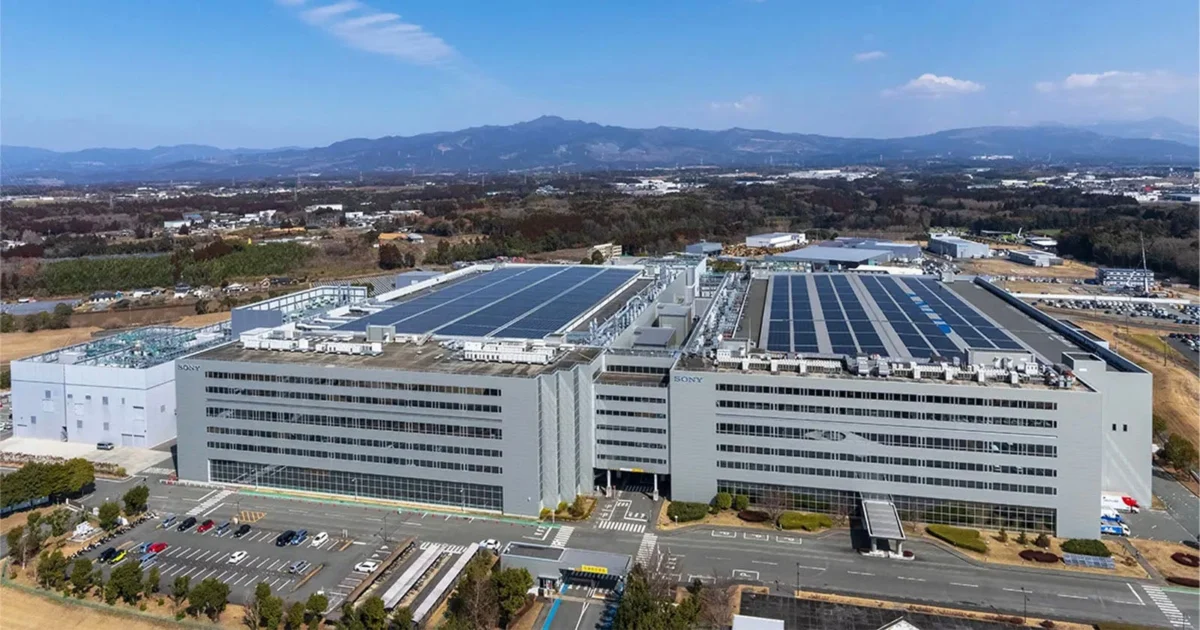
In a testament to rapid disaster response and robust operational resilience, Sony Semiconductor Manufacturing Corporation has successfully restored its critical Kumamoto Technology Center to full operating capacity, less than a month after a powerful 6.8 magnitude earthquake struck the region. The swift recovery of this pivotal facility, a cornerstone of the global image sensor supply chain, has averted what could have been a widespread and devastating impact on industries ranging from consumer electronics to automotive manufacturing. The earthquake, which occurred on July 28, initially forced a complete halt of operations and the evacuation of personnel, sparking immediate concerns across the tech world about potential delays in product development and delivery. However, meticulous safety inspections, efficient recovery work, and a phased re-opening strategy have enabled Sony to return to pre-earthquake production levels significantly faster than anticipated, signaling a triumph of modern disaster preparedness in a seismically active nation.
The Seismic Event: A Threat to Tech’s Lifeline
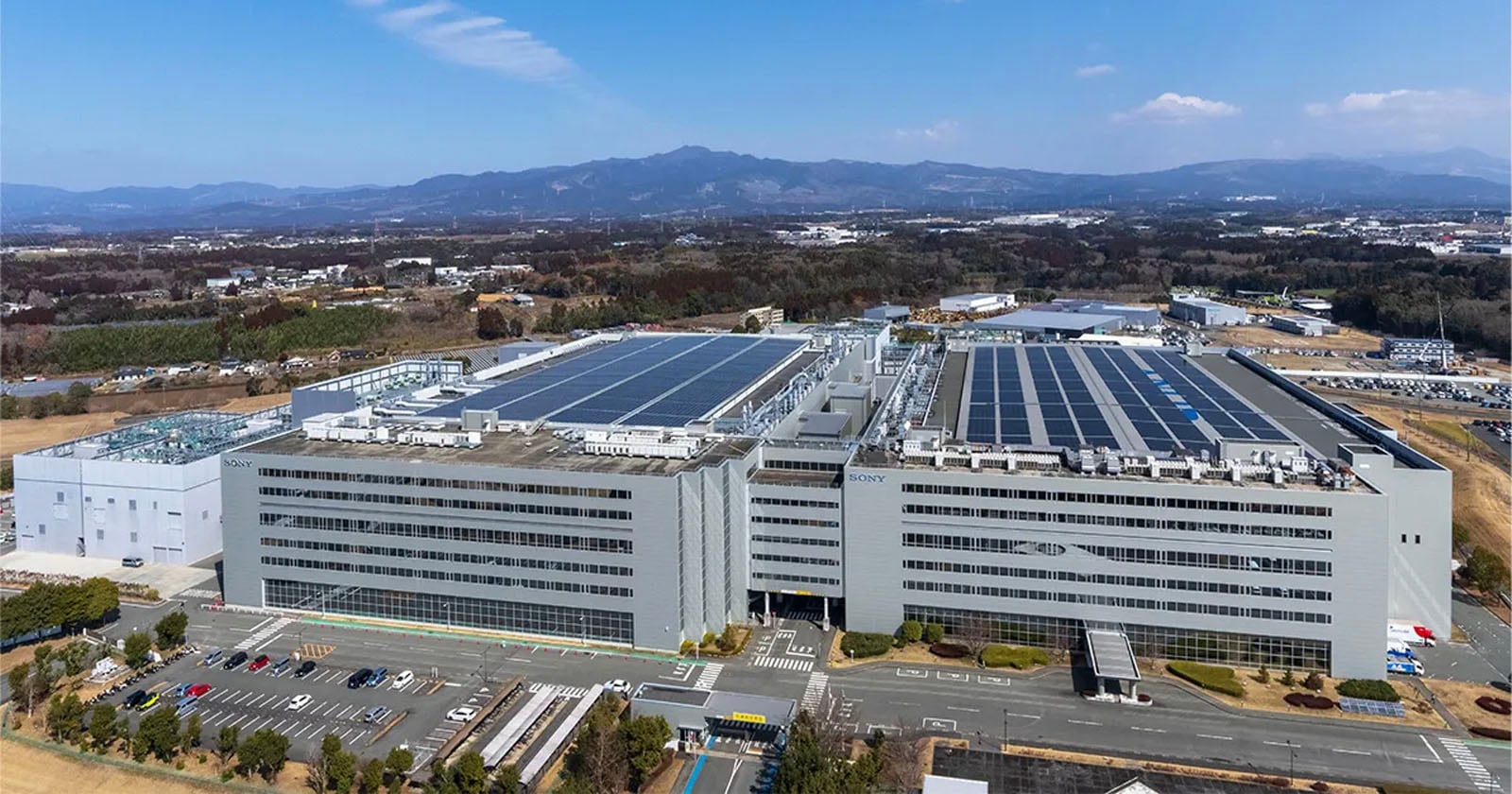
The tranquility of Kumamoto Prefecture, a region on Japan’s Kyushu island renowned for its high-tech manufacturing clusters, was shattered on July 28, 2026, by a powerful 6.8 magnitude earthquake. The temblor, which struck with considerable force, caused significant tremors across the area, leading to widespread structural evaluations and immediate safety protocols being activated. Among the critical facilities impacted was Sony Semiconductor’s Kumamoto Technology Center, located in Kikuyo-machi, a site of immense strategic importance to the global technology ecosystem. As a precautionary measure, and in line with standard disaster protocols for such sensitive operations, the facility’s operations were immediately halted, and all workers were safely evacuated. The initial assessment painted a picture of potential severe disruption, given the complexity and precision required in semiconductor manufacturing. While the immediate focus was on employee safety, the broader industry quickly recognized the potential for a ripple effect, recalling past incidents where disruptions at key Japanese manufacturing hubs led to significant global supply chain challenges. Initial reports indicated various degrees of damage to local infrastructure, but the specific impact on high-precision manufacturing equipment remained a primary concern for Sony and its partners.
Chronology of Response and Recovery
The path from immediate shutdown to full operational recovery was meticulously managed, unfolding over several critical weeks:
- July 28, 2026: Earthquake Strikes and Operations Halt. The 6.8 magnitude earthquake hits Kumamoto Prefecture. Sony Semiconductor Manufacturing Corporation’s Kumamoto Technology Center immediately ceases all operations, and employees are evacuated to ensure their safety. Initial assessments of damage to the facility’s buildings and manufacturing lines commence amidst ongoing aftershocks. The uncertainty surrounding the extent of the damage triggers immediate concern within the global tech industry.
- July 29-30, 2026: Initial Damage Evaluation and Broader Assessment. In the immediate aftermath, Sony mobilizes teams to conduct thorough safety inspections. The company confirms that while the Kumamoto site requires detailed evaluation, its other key technology centers—Nagasaki Technology Center (Isahaya City), Oita Technology Center (Oita City and Kunisaki City), and Kagoshima Technology Center (Kirishima City)—have sustained no significant damage to buildings or facilities. This early confirmation helps to contain potential wider panic, as these facilities also contribute significantly to Sony’s semiconductor output. The rigorous inspection process at Kumamoto is critical, given the ultra-precision machinery involved in sensor production.
- July 31, 2026: Sony Announces Phased Resumption Plan. Just three days after the earthquake, Sony releases an optimistic update. Following comprehensive safety inspections of buildings and facilities, the company announces that recovery work is progressing rapidly. A staged resumption of operations at the Kumamoto Technology Center is scheduled to begin on August 4, 2026. Crucially, Sony projects that the facility is expected to return to its pre-earthquake operating level by mid-August 2026, a remarkably swift turnaround for a high-tech manufacturing plant. This proactive communication provides much-needed reassurance to the market.
- August 4, 2026: Partial Operations Resume. As planned, the Kumamoto Technology Center begins its phased re-opening. This likely involves restarting certain production lines or sections of the facility that have been fully cleared and recalibrated, gradually scaling up output while ensuring quality control. The careful, step-by-step approach is essential for preventing further complications in a highly sensitive manufacturing environment.
- Mid-August 2026 (Implied): Target for Full Operational Capacity. In line with Sony’s earlier projection, the facility works towards achieving full production levels. This involves bringing all manufacturing lines back online, optimizing processes, and ramping up output to meet demand. The absence of significant structural or machinery damage, as later confirmed, plays a crucial role in enabling this rapid recovery.
- Around August 20, 2026: Full Operation Confirmed. Approximately three weeks after the initial earthquake, local Japanese media, including Yomiuri Shimbun (YOL), report that the Kumamoto Technology Center has successfully returned to normal, full operational capacity. This news is subsequently picked up by specialized tech publications like Digital Camera Info, confirming that the facility has met its ambitious recovery timeline and is once again a fully functioning hub in the global tech supply chain. The successful restoration underscores Sony’s advanced disaster recovery capabilities and the resilience of its Japanese manufacturing infrastructure.
Sony’s Strategic Communications and Damage Assessment
In the volatile aftermath of a natural disaster impacting critical infrastructure, transparent and timely communication is paramount. Sony Semiconductor Manufacturing Corporation exemplified this during the Kumamoto earthquake incident. Shortly after the 6.8 magnitude quake struck on July 28, the company issued immediate statements confirming the halt of operations at its Kumamoto Technology Center and the evacuation of all personnel. This initial release underscored the immediate priority: employee safety. Concurrently, Sony commenced a detailed evaluation of potential damage to both the physical structures and, more critically, the highly sensitive manufacturing lines within the facility.
What set Sony’s response apart was the speed and clarity of its subsequent updates. Within days, on July 31, the company provided a comprehensive outlook, not only confirming that safety inspections had largely concluded but also outlining a concrete, phased recovery timeline. This included the target of resuming partial operations by August 4 and achieving full pre-earthquake production levels by mid-August 2026. Such specificity, especially regarding a complex manufacturing process, provided immense reassurance to stakeholders, including original equipment manufacturers (OEMs), investors, and the broader market. The communication also carefully distinguished the Kumamoto situation from other Sony facilities in the region, such as those in Nagasaki, Oita, and Kagoshima, confirming no significant damage there. This meticulous approach to information dissemination helped manage expectations and mitigated potential panic, demonstrating Sony’s commitment to corporate responsibility and supply chain stability. The ability to quickly assess, repair, and communicate a recovery plan highlighted robust internal protocols and a strong crisis management framework.
Kumamoto: A Global Hub for Semiconductor Innovation
Kumamoto Prefecture, located on Japan’s southwestern island of Kyushu, has long been recognized as a vital nerve center for Japan’s high-tech manufacturing industry, particularly in the realm of semiconductors. This region, often referred to as "Silicon Island," hosts a dense concentration of advanced factories and research facilities, drawing on a skilled workforce, robust infrastructure, and strategic geographical positioning. At the heart of this industrial prowess lies Sony Semiconductor’s Kumamoto Technology Center. This facility is not just another factory; it is a global powerhouse for the production of Complementary Metal-Oxide-Semiconductor (CMOS) image sensors, which are the eyes of virtually every modern digital device.
Sony holds an undisputed dominant position in the global image sensor market, commanding over 50% market share. Its sensors are not only integral to its own acclaimed Alpha series cameras and PlayStation consoles but are also critical components supplied to a vast array of other major electronics manufacturers worldwide for use in smartphones, professional cameras, automotive advanced driver-assistance systems (ADAS), security cameras, drones, and industrial applications. The manufacturing process for these cutting-edge sensors is incredibly complex, requiring ultra-clean room environments, precise lithography, and sophisticated calibration techniques. Even minor disruptions, such as vibrations or power fluctuations, can lead to significant production losses or necessitate extensive recalibration. This inherent fragility of semiconductor manufacturing makes the swift recovery of the Kumamoto plant even more remarkable. The concentration of such vital manufacturing capabilities in a seismically active zone underscores both the strategic importance of the region and the advanced engineering and disaster preparedness measures employed by companies like Sony. The smooth operation of facilities in Kumamoto is, therefore, not merely a regional concern but a global imperative for the uninterrupted flow of technological innovation.
The Global Significance of Image Sensors
The modern world is increasingly visual, and at the core of this visual revolution are image sensors. These tiny, sophisticated components are the digital equivalent of the human eye, capturing light and converting it into electrical signals that can be processed into images. While most readily associated with digital cameras, the application of image sensors extends far beyond traditional photography, infiltrating nearly every facet of contemporary technology. From the ubiquitous cameras in smartphones—which have become the primary photographic tool for billions—to advanced driver-assistance systems (ADAS) in automobiles that rely on vision for safety and autonomy, image sensors are indispensable.
Furthermore, they are crucial in medical imaging for diagnostics, in industrial automation for quality control and robotics, in security and surveillance systems, and in emerging fields like augmented reality and virtual reality. Sony’s dominant position in this market means that its image sensors are often the technological backbone for countless products across diverse industries. A prolonged disruption at a key Sony sensor facility like Kumamoto would not merely affect camera enthusiasts; it would have cascading effects on smartphone production cycles, potentially delay the rollout of new automotive safety features, impact the supply of critical components for industrial robotics, and even slow advancements in AI-driven vision systems. The globalized nature of modern manufacturing means that a bottleneck at one highly specialized production point can create significant ripple effects across an interconnected supply chain, leading to product shortages, price increases, and innovation slowdowns worldwide. This interconnectedness underscores why the rapid restoration of the Kumamoto plant was met with a collective sigh of relief across the global tech landscape.
Lessons from the Past: The 2016 Kumamoto Earthquakes
The recent 6.8 magnitude earthquake in Kumamoto Prefecture inevitably brought back stark memories of the devastating seismic events that struck the same region in April 2016. Those earthquakes, including a magnitude 6.2 foreshock and a magnitude 7.0 mainshock, caused widespread destruction, claiming lives, demolishing homes, and severely impacting industrial infrastructure. For the technology sector, the 2016 quakes proved particularly disruptive, leading to months-long delays in the supply chain for image sensors, then as now primarily sourced from Sony’s Kumamoto facility.
In 2016, the damage to Sony’s sensor plant was extensive, affecting both buildings and, crucially, the highly sensitive manufacturing machinery. This necessitated a complete shutdown and a lengthy period of repair and recalibration, causing significant cascading issues for virtually every camera brand that relied on Sony’s CMOS sensors. Companies like Nikon, Canon (for some models), Olympus, Panasonic, and even Sony’s own camera division faced production bottlenecks and postponed product launches for several months. The economic impact was substantial, highlighting the fragility of a highly concentrated supply chain. The stark contrast between the 2016 recovery, which took several months, and the 2026 recovery, completed in less than a month, is profoundly significant. This difference can largely be attributed to the nature of the damage. In 2026, initial assessments quickly confirmed that there was no significant damage to the plant’s buildings or, more importantly, its precision machinery. This allowed for safety inspections, cleaning, and recalibration to proceed at an accelerated pace, rather than requiring extensive repairs or replacement of equipment. The experience of 2016 undoubtedly spurred Sony and other companies in the region to invest heavily in enhanced disaster preparedness, structural reinforcement, and more resilient operational protocols, all of which contributed to the remarkably swift rebound in 2026.
Mitigating Supply Chain Ripple Effects
While the Kumamoto facility’s rapid return to full operation is a significant success story, the initial two-week full closure and the subsequent period of partial capacity for nearly a month are not without their effects. Even short disruptions in a just-in-time manufacturing environment can create bottlenecks, especially for products experiencing high demand. One immediate example surfaced with the production of the Sony FX5, a professional-grade camera, where pre-order demand was reportedly high. The temporary halt in sensor production likely contributed to delays in getting the FX5 units out to market, frustrating eager customers and potentially impacting sales targets for the initial launch window.
Beyond specific product delays, the incident serves as a stark reminder of the inherent vulnerabilities in global supply chains that are often highly concentrated at critical manufacturing hubs. Many technology companies operate with lean inventories to optimize costs, meaning even a brief interruption can quickly deplete stock and halt downstream production lines. The relief felt by Sony’s OEM partners, who rely on a steady supply of its image sensors for their own products, is palpable. A prolonged shutdown would have forced them to either delay their own product launches, scramble for alternative (and often inferior or more expensive) sensor suppliers, or absorb significant financial losses. This averted crisis reinforces the ongoing industry conversation about the need for greater supply chain diversification, strategic inventory buffering, or even localized production where feasible, to build resilience against unforeseen disruptions, whether from natural disasters, geopolitical events, or pandemics. While Sony’s quick recovery minimized the damage this time, the episode highlights the delicate balance between efficiency and redundancy in the high-stakes world of advanced manufacturing.
Building Resilience: Japan’s Advanced Disaster Preparedness
Japan, situated on the Pacific Ring of Fire, is one of the world’s most seismically active countries, experiencing thousands of earthquakes annually. This inherent vulnerability has, however, fostered an unparalleled culture of disaster preparedness and resilience, both at national and corporate levels. The rapid recovery of Sony’s Kumamoto Technology Center is a prime example of this advanced capability in action. Japanese building codes are among the strictest globally, mandating earthquake-resistant construction techniques for all new structures and requiring retrofitting for older ones. These codes ensure that critical infrastructure, including high-tech manufacturing facilities, can withstand significant seismic activity without catastrophic failure.
Beyond structural integrity, Japanese companies, particularly those in critical sectors like semiconductors, implement sophisticated Business Continuity Plans (BCPs). These plans meticulously detail procedures for emergency shutdowns, employee safety, damage assessment, supply chain management during disruptions, and rapid recovery protocols. For facilities like Sony’s sensor plant, this includes redundant power systems, advanced vibration dampening technologies for sensitive machinery, and pre-positioned spare parts or recovery equipment. Furthermore, Japan’s national infrastructure, including robust transportation networks and efficient emergency services, plays a crucial role in enabling quick access for assessment and repair teams. The integration of early warning systems, which provide precious seconds or minutes of advance notice before major tremors, also allows for automated shutdowns of sensitive equipment, potentially preventing more severe damage. The 2026 Kumamoto incident underscores that Japan’s proactive approach to disaster management is not just about mitigating loss, but about ensuring the swift restoration of critical economic functions, demonstrating a global benchmark in operational resilience.
The Road Ahead: Reinforcing Supply Chain Stability
The swift and successful restoration of Sony’s Kumamoto Technology Center to full operational capacity stands as a significant achievement, underscoring both the company’s robust disaster recovery protocols and Japan’s advanced infrastructure resilience. This incident, while resolved without major long-term impact, nonetheless serves as a potent reminder of the inherent vulnerabilities within global technology supply chains, particularly those reliant on highly specialized manufacturing hubs located in seismically active regions. The averted crisis has undoubtedly prompted renewed internal assessments at Sony and likely sparked further contemplation among its OEM partners regarding supply chain diversification and redundancy strategies.
Looking ahead, the industry will continue to grapple with the tension between cost efficiency, which often drives concentration of production, and resilience, which necessitates geographical diversification or multi-sourcing. While full decentralization of complex semiconductor manufacturing is neither practical nor economically viable in many cases, companies may explore options such as increasing inventory buffers for critical components, establishing secondary production lines in less vulnerable regions, or forging deeper partnerships to ensure continuity. For Sony, the experience reinforces its leadership not only in technology but also in operational fortitude. Continued investment in advanced manufacturing techniques, structural resilience, and meticulous BCPs will be paramount. The Kumamoto incident ultimately highlights that in an increasingly interconnected and unpredictable world, the ability to recover swiftly from disruption is as crucial a competitive advantage as technological innovation itself, shaping the long-term stability and growth trajectory of the global tech sector.