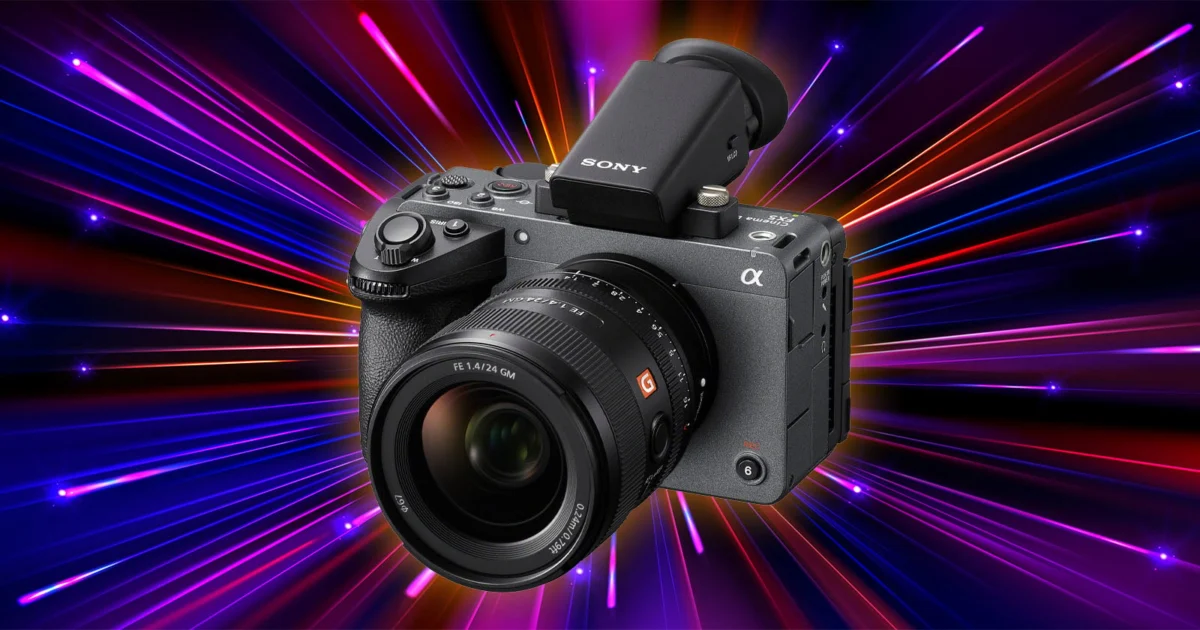
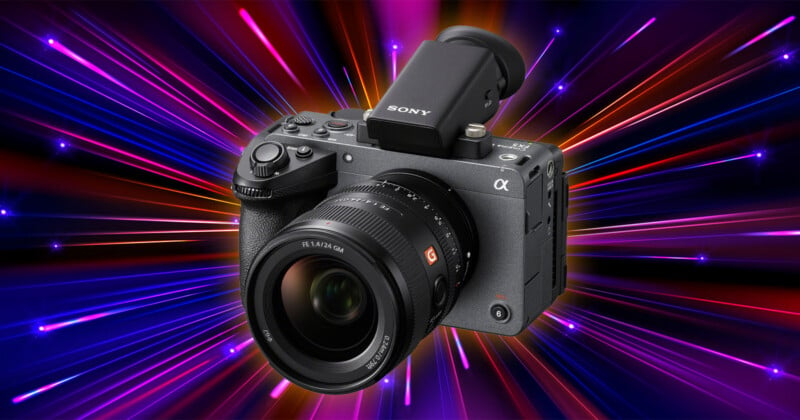
The highly anticipated Sony FX5 has officially been unveiled, marking a pivotal moment for Sony’s acclaimed FX Series cinema cameras and directly addressing a chorus of professional filmmakers and industry critics who have increasingly called for more substantial advancements from the technology giant. This new addition is not merely an incremental update but a significant re-evaluation of Sony’s strategy in the compact cinema camera segment, introducing features long requested by the filmmaking community and establishing a new benchmark for versatile production tools.
For several years, the professional filmmaking landscape has witnessed rapid evolution, with demands for higher fidelity, greater workflow flexibility, and more adaptable camera systems. While Sony has maintained a strong presence with its FX3 and FX6 models, released in 2021 and 2020 respectively, a consistent undercurrent of feedback highlighted certain perceived limitations. Chief among these were the absence of Open Gate recording, the lack of internal RAW video capabilities, and resolution ceilings that sometimes restricted creative output. The development cycle for professional camera equipment is inherently protracted, often spanning several years of intensive research and development, intricate engineering, and rigorous testing. Each innovation, regardless of its scale, necessitates careful balancing against other performance metrics, cost implications, and manufacturing complexities. Furthermore, companies typically operate under strict confidentiality protocols, refraining from public disclosure until a product is market-ready. This often creates a perception among users that manufacturers are unresponsive to feedback, even when extensive internal development is underway. The FX5’s arrival suggests that Sony has been keenly attuned to these market signals, meticulously integrating solutions into its latest offering.
Addressing Core Criticisms: Open Gate and Internal RAW
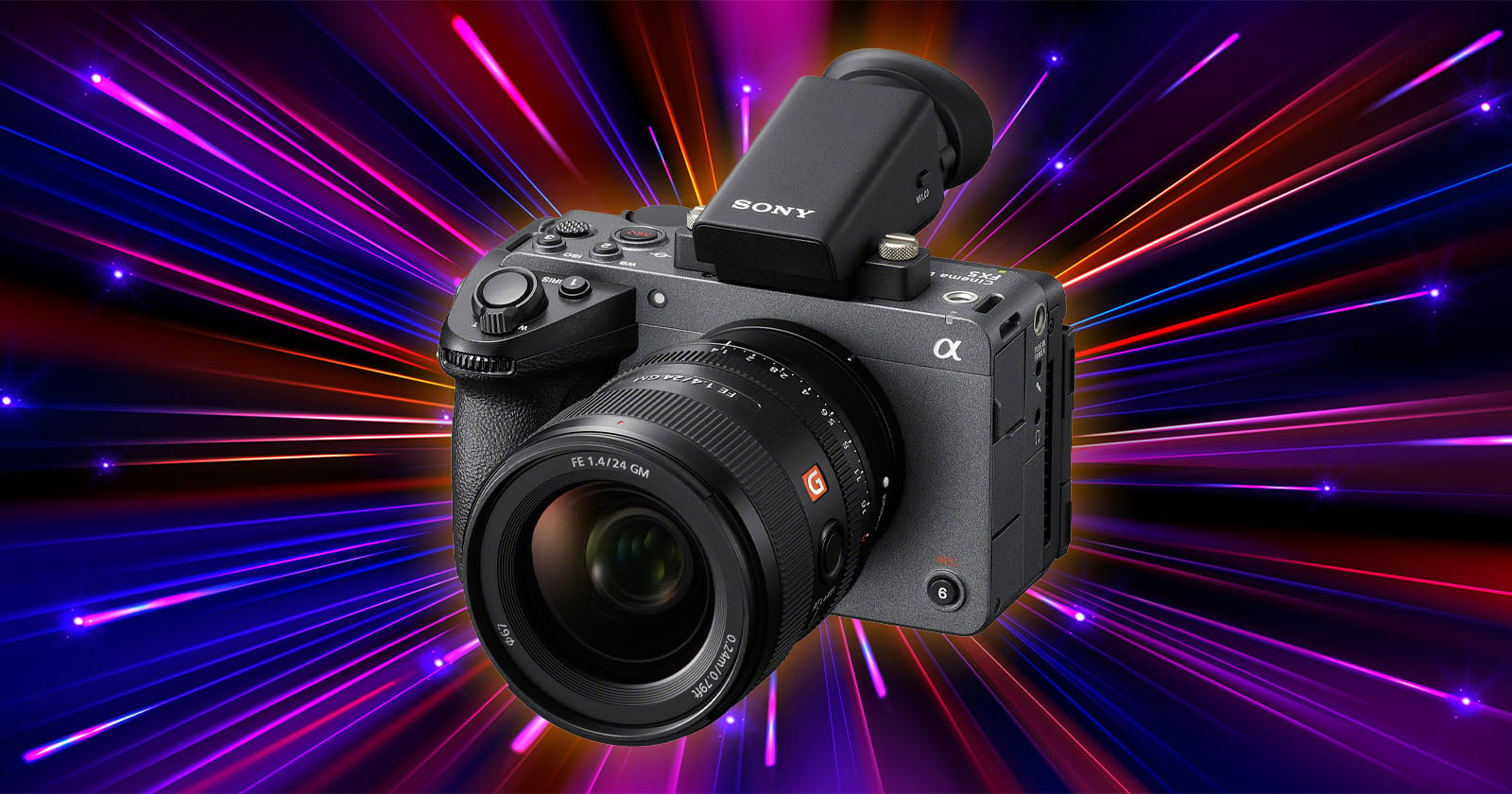
At the heart of the Sony FX5’s introduction lies its commitment to rectifying some of the most prominent criticisms leveled against its predecessors. The camera features a brand-new 16.6-megapixel sensor paired with Sony’s latest Bionz XR2 processor, signaling a definitive new generation for the FX Series. This powerful combination unlocks capabilities previously unavailable in Sony’s compact cinema lineup, effectively carving out a distinct product segment. The FX5 is explicitly positioned neither as a direct successor to the FX3 (e.g., an FX3 Mark II) nor as a miniaturized FX6; it represents a unique synthesis of form factor and high-end video features, arguably making it Sony’s most consequential video camera release in recent memory for a broad spectrum of users.
Among its most significant enhancements are the inclusion of Open Gate recording and 16-bit internal RAW video capabilities. The former, a highly sought-after feature, allows the camera to record the full area of the sensor, providing filmmakers with maximum flexibility in post-production to reframe, stabilize, or extract multiple aspect ratios from a single take—a crucial advantage for content destined for diverse platforms, from cinematic widescreen to vertical social media formats. This capability is particularly invaluable for anamorphic workflows, enabling cinematographers to capture a de-squeezed image with greater vertical resolution, which is highly fashionable and financially beneficial in today’s production landscape.
The integration of 16-bit internal RAW video, specifically in the form of X-OCN (eXtended tonal range Original Camera Negative) files, marks a paradigm shift for Sony’s compact offerings. While competitors like Canon, Nikon, Panasonic, and Blackmagic Design have offered various forms of internal RAW recording for some time, Sony had largely relied on external recorders for RAW output from its smaller FX bodies. X-OCN is renowned for its exceptional dynamic range, vast color latitude, and robust grading flexibility, typically found in Sony’s higher-end VENICE cinema cameras. Bringing this professional-grade codec internally to a compact, lightweight FX body at a price point of $4,900 is a compelling proposition, significantly streamlining workflows and reducing the need for cumbersome external setups. While Open Gate is currently limited to RAW recording, its presence is a clear response to professional demands. These two features alone are expected to silence a significant portion of Sony’s most vocal critics, empowering filmmakers to meet client demands for specific deliverables that previously might have necessitated renting alternative camera systems.
Enhanced Performance and Workflow Advancements
Beyond the headline features, the Sony FX5 introduces a host of other substantial improvements that collectively elevate its performance and user experience. The new 16.6-megapixel image sensor, speculated by some industry analysts to be a variant of the sensor found in the recently released Alpha 7R VI, possibly incorporating a Quad Bayer pattern, strikes an excellent balance between resolution, low-light performance, and readout speed. This sensor enables the FX5 to record up to 5K resolution, providing a sweet spot for many productions that require more detail than 4K but do not necessarily demand the significantly larger file sizes and processing power associated with 8K. While some speed may be mitigated in its Dynamic Range Boost mode, the sensor is engineered to be a versatile performer, rarely acting as a bottleneck in typical production scenarios.
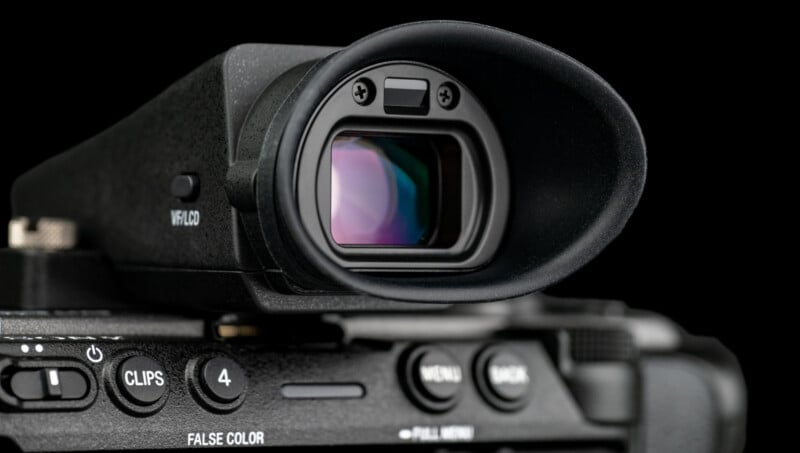
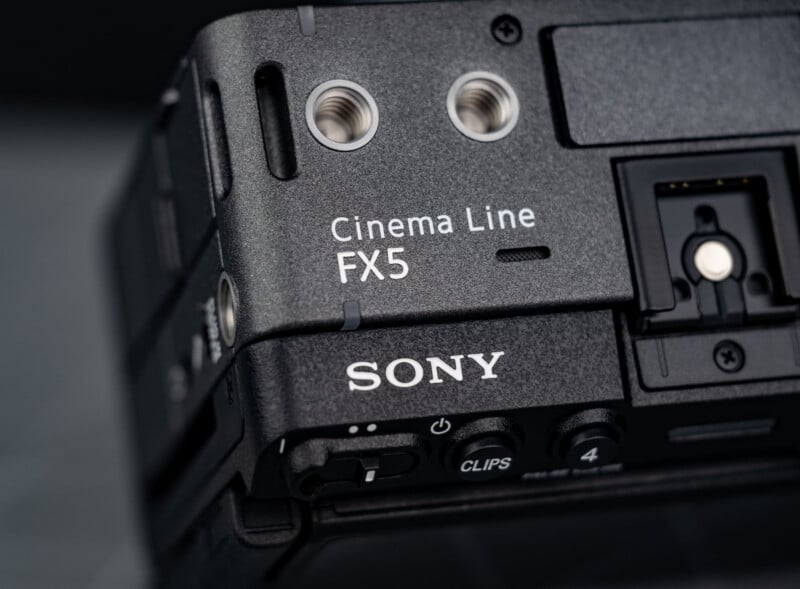
Workflow enhancements are also plentiful. The FX5 boasts a detachable Electronic Viewfinder (EVF), a feature that, as PetaPixel’s Jordan Drake highlighted in his initial impressions, offers tremendous flexibility for various shooting styles and rigging configurations. This design choice, reminiscent of successful implementations in other cinema cameras, ensures that operators can comfortably shoot handheld or on gimbals. Additionally, a larger rear display improves monitoring and menu navigation. While the EVF’s attachment position regrettably blocks the Multi Interface (MI) shoe—a necessary port for the camera’s advanced 32-bit float audio recording capabilities—this is considered a relatively minor trade-off for the overall ergonomic benefits.
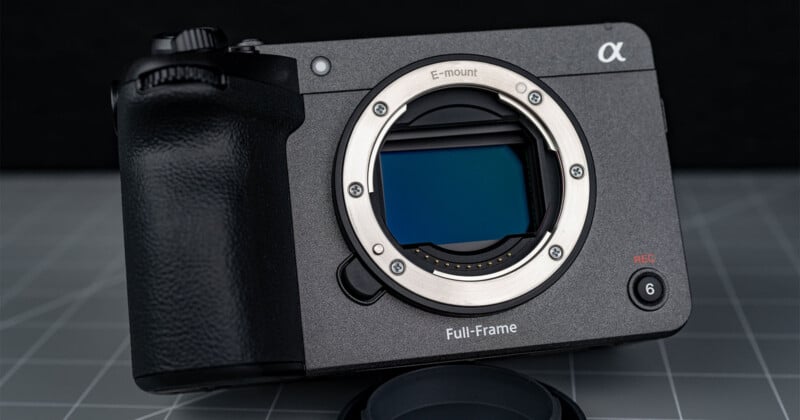
The camera benefits from improved AI-powered autofocus, building upon Sony’s industry-leading AF systems with enhanced subject tracking and recognition capabilities, crucial for dynamic filmmaking. Better in-body image stabilization (IBIS) further supports handheld and run-and-gun operations. Filmmakers will also appreciate the introduction of three base ISO settings (800, 4000, and 12800), offering greater sensitivity and cleaner images across a wider range of lighting conditions. The user interface has been revamped, drawing inspiration from Sony’s high-end CineAlta cameras, providing a more intuitive and feature-rich experience. This includes the integration of professional monitoring tools such as waveforms and vectorscopes, which are essential for precise exposure and color management on set. These improvements, while perhaps less flashy than Open Gate or internal RAW, contribute significantly to the daily practicalities and professional readiness of the camera for a wider user base.
Strategic Positioning within Sony’s Cinema Line
The Sony FX5 is strategically positioned to attract a broader demographic of filmmakers than its more compact sibling, the FX3, while still offering a distinct value proposition compared to the more fully-featured FX6. Its compact, lightweight form factor, akin to the FX3, makes it an ideal choice for compact productions, drone work, gimbal setups, or as a highly capable B or C camera on larger sets. However, its expanded feature set, particularly internal RAW and Open Gate, positions it as a viable main camera for many professional projects that do not have strict 6K or 8K deliverable requirements.
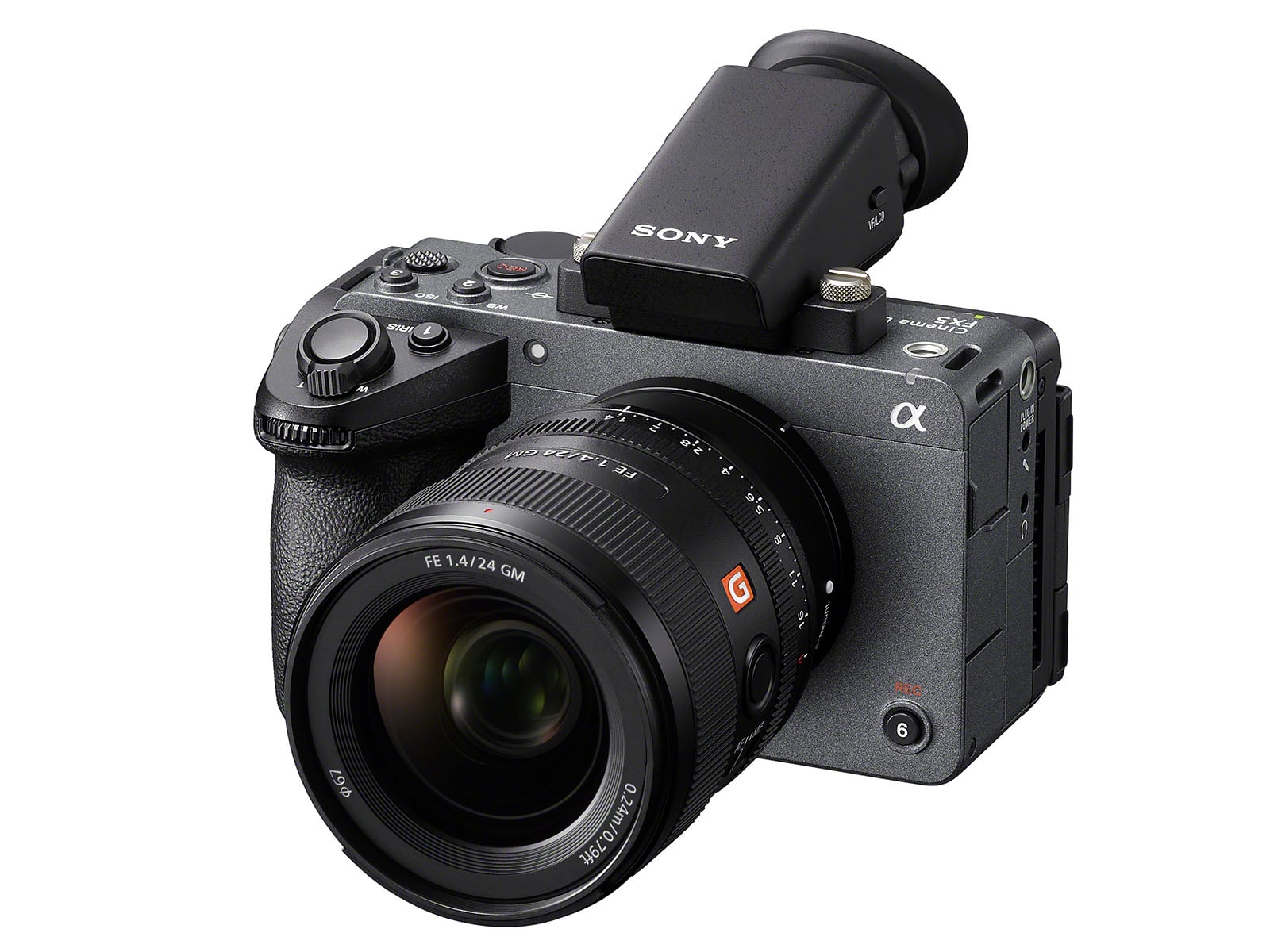
Despite its impressive array of new features, the FX5 intentionally omits certain functionalities to maintain its price point and differentiate it from the higher-tier FX6. The most notable absence is an internal electronic neutral density (ND) filter, a highly valued feature in the FX6 that provides seamless exposure control in variable lighting conditions without needing to swap physical filters. Furthermore, the FX5 lacks some of the FX6’s advanced workflow advantages, such as Genlock for multi-camera synchronization and SDI outputs for robust professional monitoring and long-distance signal transmission. The larger body of the FX6 also inherently offers more expansion options for accessories and additional I/O ports. These distinctions ensure that the FX6 retains its place in Sony’s lineup for productions demanding these specific professional-oriented features, even as the FX5 leapfrogs it in certain core video capabilities.
The introduction of the FX5 thus signals the beginning of Sony’s next chapter for the FX Series, laying a much stronger foundation for future iterations. For years, choosing a Sony FX body often felt like a compromise in certain aspects, particularly when faced with specific client demands or creative ambitions. With the FX5, these compromises are significantly reduced or entirely eliminated. In a highly competitive market that has seen fierce innovation from rival manufacturers over the past five years since the FX3 and FX6 were released, the FX5 represents a crucial strategic move for Sony. It not only addresses immediate market demands but also reasserts Sony’s leadership in developing accessible yet powerfully capable cinema cameras, solidifying its position and providing a compelling reason for filmmakers to remain within the Sony ecosystem.
The Broader Impact and Future Outlook
The implications of the Sony FX5 extend beyond just its technical specifications. Its arrival signifies Sony’s renewed commitment to its professional user base and an agile response to evolving industry trends. For freelance cinematographers, independent filmmakers, and small production houses, the FX5 offers a powerful tool that can meet a wider range of client requirements without breaking the bank. The ability to deliver Open Gate footage for diverse aspect ratios and internal 16-bit RAW for maximum post-production flexibility enhances their competitive edge in a demanding market. This camera is poised to become a workhorse for many, enabling higher production value and more creative freedom.
From an industry perspective, the FX5 will undoubtedly put pressure on competitors to innovate further, particularly in the compact cinema camera segment. It establishes a new benchmark for what can be expected at its price point, potentially accelerating the adoption of features like internal RAW and advanced monitoring tools across the industry. Moreover, the FX5 provides a tantalizing glimpse into the potential future of the FX Series. It is not difficult to envision a future FX6 Mark II or other higher-end Sony cinema cameras incorporating these groundbreaking features, perhaps alongside an internal ND filter and full professional I/O, creating an even more formidable lineup.
Ultimately, the Sony FX5 is more than just a new camera; it is a statement. It is a declaration that Sony is not only listening to its users but is also actively innovating to meet their complex and evolving needs. By blending a compact form factor with advanced cinema features previously reserved for higher-end cameras or external recorders, the FX5 reshapes expectations and empowers a new generation of filmmakers, making it arguably Sony’s most important cinema camera release in recent memory for the vast majority of working professionals.
Additional reporting by Jordan Drake.
Image credits: Product photos by Erin Thomson unless otherwise noted. Header image created using an asset licensed via Depositphotos.com.