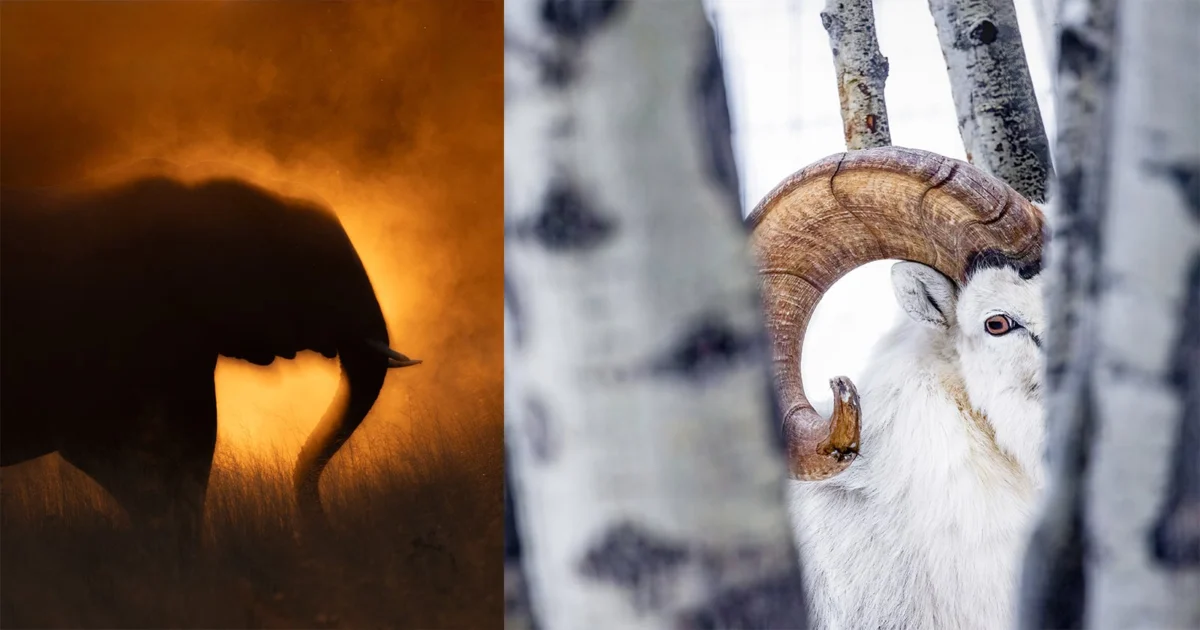
At the core of profound photographic artistry lies a compelling paradox: the deliberate choice to withhold information from the audience often yields a more powerful and enduring impact than complete disclosure. In an era dominated by instantaneous sharing and an overwhelming deluge of visual content, the strategic deployment of mystery emerges as a photographer’s most potent, yet frequently undervalued, instrument. This embrace of the unseen, the subtly suggested, and the artfully ambiguous transcends mere literal representation, elevating a photograph into an expressive masterpiece that resonates deeply and lingers in the viewer’s consciousness long after the initial glance. This profound insight forms the central theme of Richard Bernabe’s featured article, "The Magic of Mystery," in Photography Destinations Magazine from Muench Workshops, highlighting a critical aspect of photographic excellence that seeks to move beyond mere documentation.
The Psychology Behind the Lure of the Unseen
Human beings possess an intrinsic cognitive predisposition to complete incomplete patterns and resolve ambiguities within their environment. This fundamental psychological trait, often explored through Gestalt principles like closure and good continuation, means that when confronted with an element of mystery in a photograph—be it an animal’s face partially obscured by foliage, a doorway receding into an unlit expanse, or a path vanishing around a bend—viewers are compelled to engage more profoundly. They lean in, scrutinize details, and actively construct mental narratives to bridge the gaps in information. This inherent cognitive tension is precisely what imbues mysterious images with such significant impact. While a photograph that explicitly details every element may offer immediate gratification and satiate a momentary desire for information, such images often fade from memory as quickly as they are consumed. Conversely, mystery actively invites inquiry, sparking curiosity and fostering a deep, emotional connection that an entirely unambiguous scene cannot replicate. Research in cognitive psychology consistently demonstrates that moderate levels of uncertainty or ambiguity can heighten engagement and lead to more elaborate processing of information, making the experience more memorable and personally relevant. This engagement stems from the brain’s natural inclination to solve puzzles and create coherence, a process that is both rewarding and stimulating.
A Legacy of Enigma: Mystery Across Artistic Disciplines
Photography, as a relatively young art form, did not invent the concept of mystery but rather inherited it from centuries of established artistic wisdom. Across diverse mediums, the power of the untold has been a cornerstone of enduring masterpieces. In literature, the maxim that the most compelling stories leave elements unsaid is widely accepted. Ernest Hemingway’s "iceberg theory," for instance, famously posited that the profound meaning of a narrative should remain largely submerged, hinted at rather than explicitly stated, much like the bulk of an iceberg hidden beneath the water’s surface. This technique compels the reader to actively participate in constructing the story’s deeper layers, fostering a more intimate and personal connection with the text. This approach ensures that the narrative remains alive in the reader’s mind, constantly re-evaluated and re-imagined.

Similarly, the visual arts boast iconic examples of mystery’s power. Leonardo da Vinci’s Mona Lisa, with her famously enigmatic smile, has captivated audiences for over five hundred years precisely because its meaning remains perpetually elusive. Is she joyful, amused, or guarding a profound secret? The answer shifts with the viewer’s mood, context, and personal experiences, transforming the painting into a dynamic mirror of human emotion and interpretation. This ambiguity is not a flaw but a deliberate design, inviting endless contemplation. In cinema, Steven Spielberg’s Jaws masterfully harnessed mystery; the terrifying effectiveness of the shark was amplified by its infrequent appearances, allowing the audience’s imagination to conjure far more terrifying scenarios than any visual depiction could achieve. This deliberate restraint built palpable suspense and psychological dread, making the unseen threat far more potent than any fully revealed monster.
Even in music, the strategic use of space and silence is crucial for creating meaning and emotional resonance. The pauses between notes, the deliberate use of dissonance, or an unresolved chord progression can evoke feelings of longing, tension, or anticipation that a continuous, fully resolved melody might never achieve. John Cage’s 4’33", a piece composed entirely of silence, is an extreme example that forces the audience to confront the ambient sounds and their own thoughts, creating a unique and deeply personal auditory experience. Iconic song lyrics, often ambiguous and metaphorical, invite personal interpretation, as exemplified by Pink Floyd’s "I’ll see you on the dark side of the moon"—a line that transcends literal meaning to become a potent symbol of unknown journeys or hidden aspects of self. These historical precedents underscore that mystery is not merely a stylistic choice but a fundamental principle of human artistic expression, designed to engage the mind and soul beyond superficial observation.
The Art of Omission: How Less Becomes More
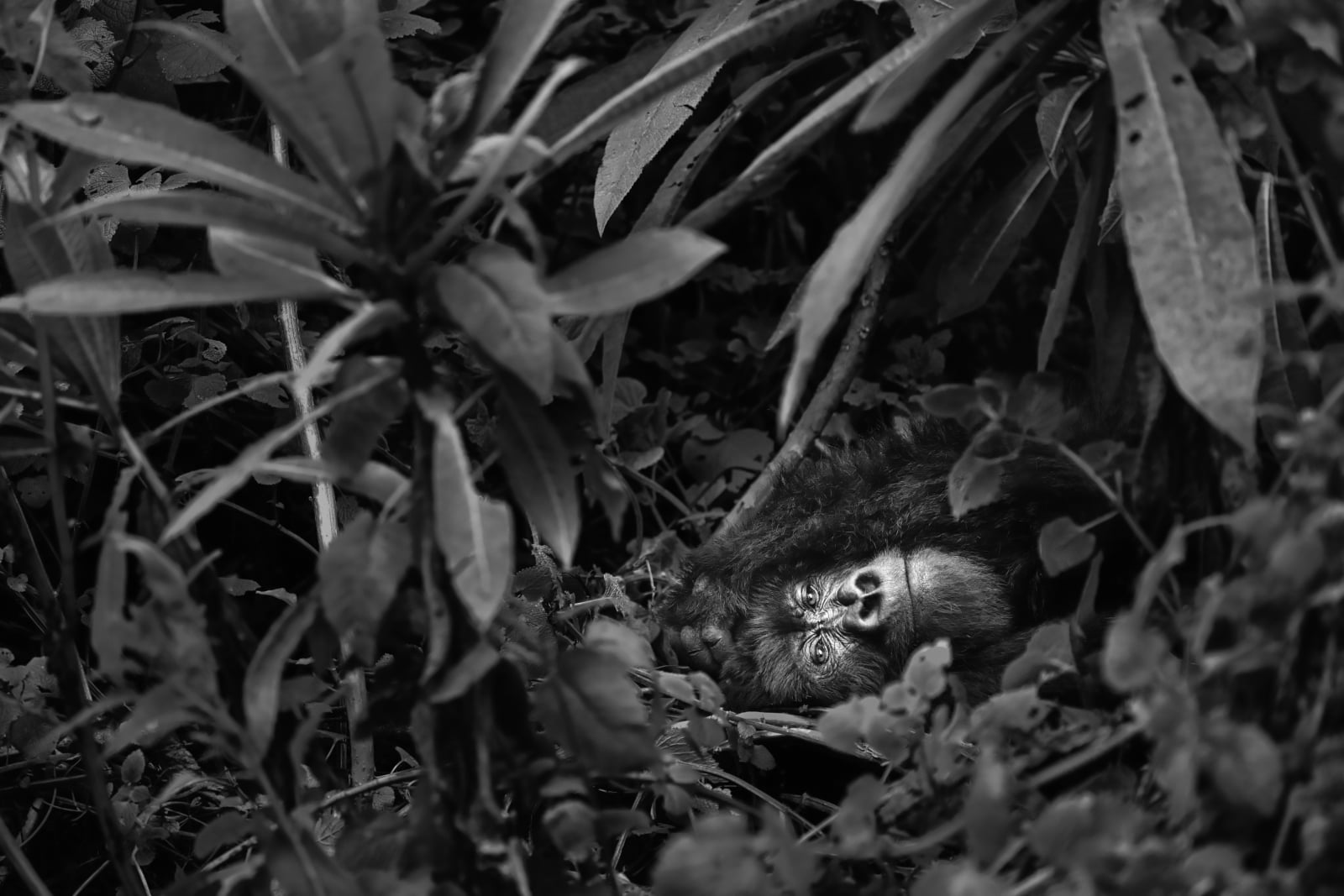
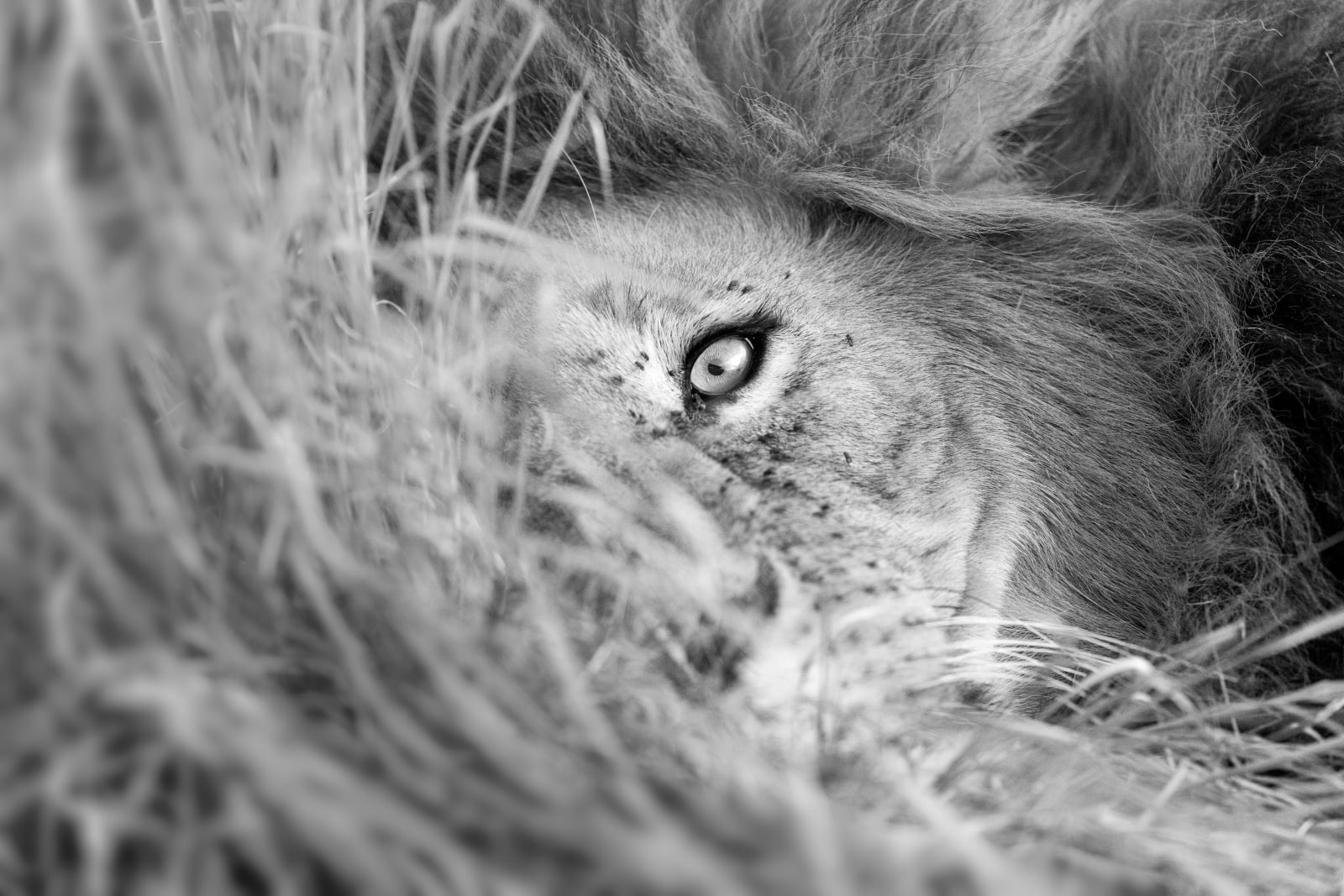
The act of obscuring or deliberately withholding portions of a scene or subject in a photograph taps into a deeply ingrained human psychological impulse: the innate drive to complete what is missing and achieve resolution. This creates a productive tension that maintains viewer engagement far longer than a fully revealed, self-explanatory subject would. What is kept out of frame or partially hidden gains immense emotional power because the human mind inherently assigns greater weight and intrigue to the unknown compared to the known. Consider the stark difference between a lion fully visible in a clear landscape and one partially concealed by tall grass; the latter evokes a visceral sense of chilling possibility, a primal awareness of hidden danger and untamed wildness. The unseen becomes charged with potential, suspense, and allure, creating an expansive mental space where the viewer’s imagination, fears, aspirations, and past experiences can freely project themselves, transforming a simple image into a personal narrative. This principle is often employed in advertising, where a hint of a product or experience can be more enticing than a full reveal, generating desire and curiosity.
The Potency of Suggestion
The strategic use of suggestion in photography often appears counterintuitive: the less explicitly shown, the more the audience perceives or feels. This approach is not about creating vagueness for its own sake but stems from a deep understanding that human emotion is far more powerfully activated through implication than through overt display. When a photograph suggests rather than states, the viewer is prompted to draw upon their own emotional reservoir, personal experiences, and imaginative capacities to complete the narrative or visual picture.
A prime illustration of this principle is an image depicting fresh bear tracks imprinted in wet sand. Such a photograph immediately suggests the recent presence of a bear, its movement, and the wildness of its habitat, all without requiring the animal itself to be visible. This suggestion opens a myriad of interpretive avenues: inquiry into the bear’s destination, supposition about its size or intent, a sense of intrigue, tension, and even a hint of primal fear. A conventional, fully resolved portrait of the bear, while informative, would likely resolve all these questions immediately, diminishing the lingering mystery. The "phantom bear" that exists solely within the viewer’s imagination, conjured by the suggestive tracks, allows the profound sense of mystery to endure, fostering a more sustained and personal engagement. This technique is particularly effective in wildlife photography, where direct confrontation with the subject might be rare or impossible, but its presence can be powerfully conveyed.
Ambiguity: Inviting Viewer Participation
Ambiguity, closely related to mystery, operates with a subtle yet distinct difference. While mystery fundamentally involves withholding information, ambiguity presents information that can be legitimately interpreted in multiple ways simultaneously. This deliberate multi-interpretability invites viewers into an active role as co-creators of meaning.

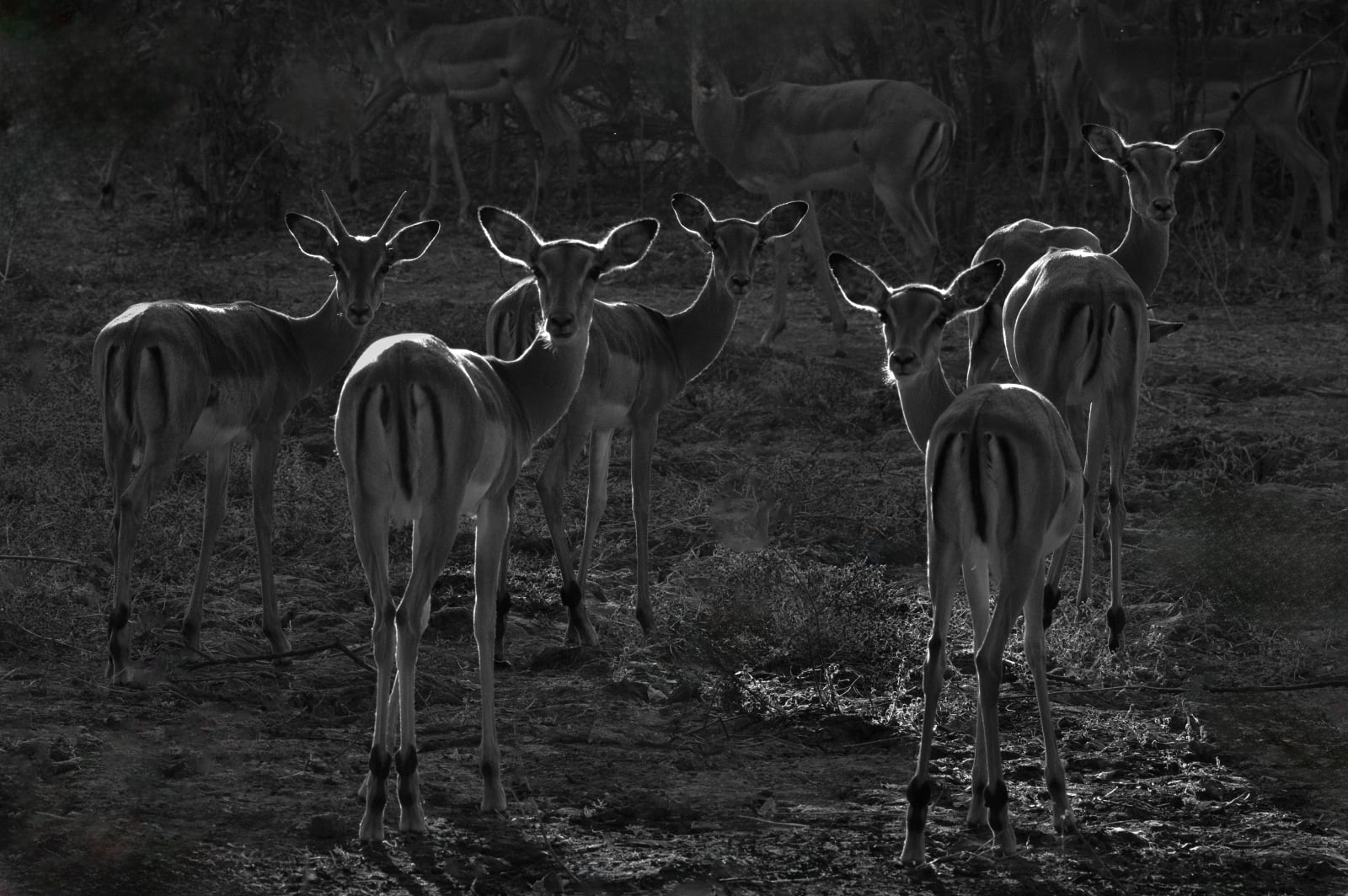
Consider a photograph of a leopard, perched on a branch, its intense gaze fixed beyond the frame. This single image can evoke a spectrum of interpretations: Is it a depiction of supreme confidence and predatory prowess, or perhaps a moment of alert fear and defensive aggression? Is the leopard observing distant prey, or has it detected the threat of a rival? These questions are left intentionally unanswered, allowing the viewer to fill in the blanks using their own experiences, knowledge, and emotional landscape. The rich tapestry of possibilities, and the very act of personal interpretation, transform the viewer from a passive observer into an active participant. This collaborative process between the photographer’s vision and the audience’s imagination is what imbues ambiguous images with their remarkable staying power and depth. The impalas in Zambia, collectively gazing beyond the frame, serve a similar purpose, inviting viewers to speculate on the unseen element that has captured their collective attention.
Mastering the Conceptual Tools of Photographic Mystery
Cultivating mystery in photography involves the skillful application of various conceptual and technical tools that many photographers already possess. These techniques are not merely technical adjustments but deliberate artistic choices designed to evoke intrigue:

- The Strategic Use of Shadows: Mystery often thrives not in direct illumination but within the depths of shadow. Shadows can obscure details, create dramatic contrast, and suggest hidden forms, transforming an ordinary scene into one imbued with suspense and depth. The interplay of light and shadow can carve out a sense of the unknown, compelling the eye to linger and explore the veiled elements.
- Negative Space as a Narrative Element: Negative space, the area surrounding and between subjects, carries as much emotional and visual weight as the primary subject itself. By strategically employing negative space, a photographer can isolate a subject, emphasize its smallness in a vast environment, or create a sense of emptiness and longing, hinting at narratives beyond the frame. This draws attention to the subject by providing breathing room while also suggesting the scale and context of its existence.
- Shallow Depth of Field: A shallow depth of field, achieved by using a wide aperture (e.g., f/1.8, f/2.8), renders backgrounds into an impressionistic blur. This technique suggests context without explicitly defining it, allowing the viewer to focus on a sharp subject while the surrounding environment remains a dreamlike, undefined suggestion, fostering a sense of intimacy and isolation. It guides the eye and creates a selective mystery about what lies just beyond focus.
- Long Exposures: Extended shutter speeds (e.g., 1/5 second to several minutes) transform moving elements—water, clouds, figures—into ethereal, ghostly apparitions. These images exist in a liminal space between the tangible and the imagined, blurring the lines of reality and creating a sense of timelessness or transient beauty, inviting contemplation. The blurred flamingos in Walvis Bay exemplify how movement can be rendered into an ambiguous, impressionistic form.
- Partial Framing: Showing only a portion of a subject within the frame is a powerful technique for evoking mystery and intrigue. By deliberately cropping or framing to exclude parts of the subject, the photographer implies that much of the meaning and narrative extends beyond the edges of the photograph, prompting the viewer to complete the scene mentally. The close-up of the Galapagos sea lion, revealing just enough for recognition, is a masterful application of this.
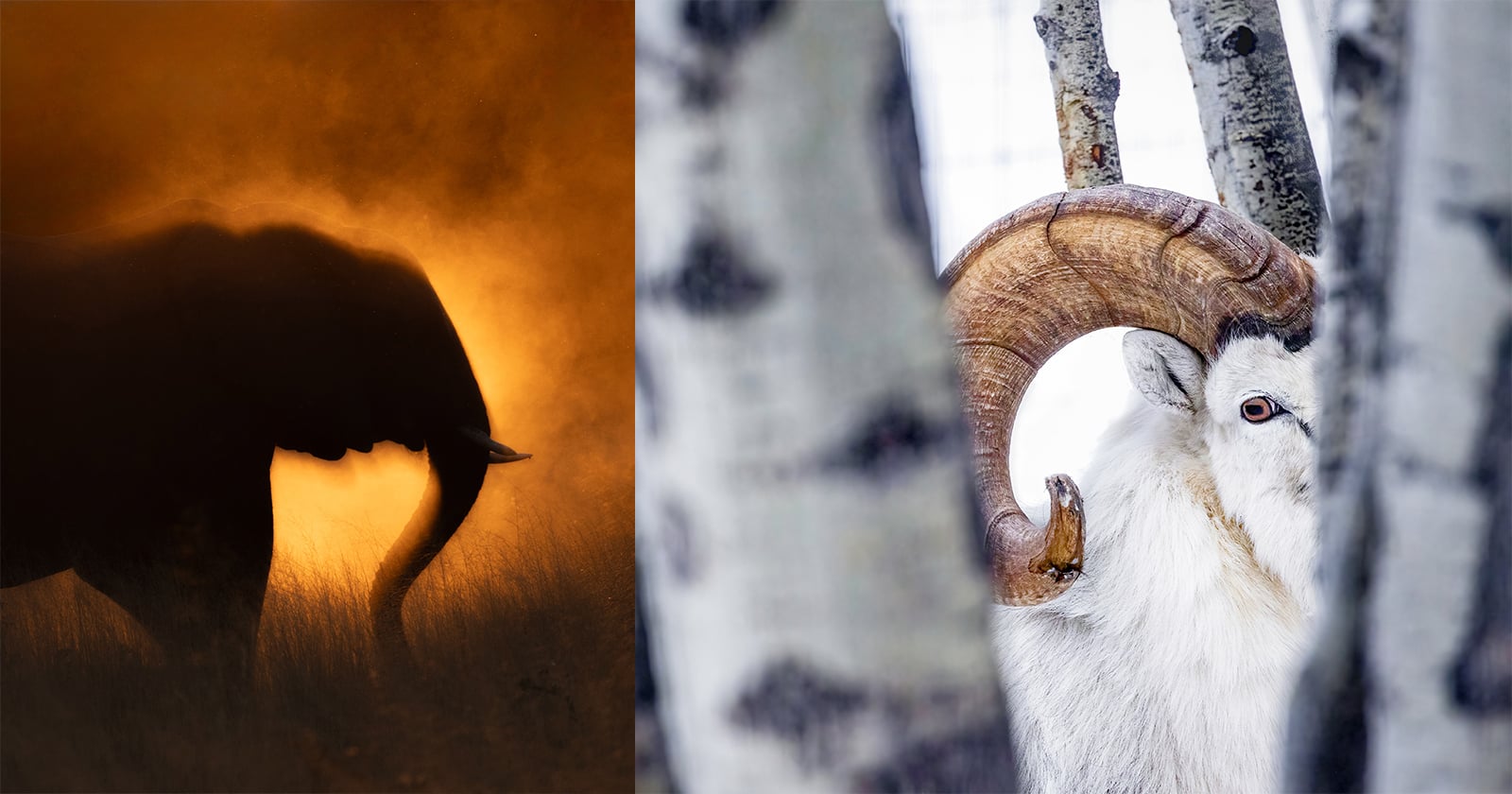
- Backlighting and Silhouettes: When a subject is lit from behind, particularly during sunrise or sunset, it can become partially or completely silhouetted. This technique obscures fine details but emphasizes shape, form, and gesture, reducing the subject to an iconic, mysterious presence against a bright background. The viewer’s imagination is then free to fill in the missing details and imbue the silhouette with personal meaning, as seen with the elephant in the Okavango Delta or the backlit caiman.
- Atmospheric Elements (Fog, Rain, Reflections): Natural atmospheric conditions like fog, mist, rain, or even reflections on water can act as natural veils, obscuring reality and creating layers of depth and meaning. These elements soften harsh lines, simplify compositions, and introduce an otherworldly quality, rewarding sustained attention and inviting deeper interpretation. The polar bear emerging from mist in Svalbard or the steam veiling Castle Geyser in Yellowstone are prime examples.
- The Decisive Moment, Reimagined: Henri Cartier-Bresson’s concept of "the decisive moment" captures a peak instant of action or emotion. However, when applied with an intent towards mystery, it can be reinterpreted to capture the moment between moments—the pregnant pause, the split-second before or after a significant event. Such photographs ask more questions than they answer: What transpired just before this? What is about to unfold? This approach captures possibility and the unknown, inviting the viewer into the unfolding narrative.
Distinguishing Mystery from Confusion: A Critical Balance
It is paramount to understand that genuine mystery in photography is fundamentally distinct from mere confusion. While confusion repels and frustrates the viewer, mystery invites and intrigues. Mystery is orderly, guided by intention and artistic purpose, whereas confusion often arises from chaotic or poorly executed compositions. Confusion erects barriers to understanding, leaving the viewer disoriented, while mystery offers carefully placed breadcrumbs, guiding the viewer’s curiosity along a compelling path of exploration. The crucial difference lies in the photographer’s intention and execution. A truly mysterious photograph provides just enough information to pique interest while withholding precisely enough to activate the imagination. It subtly directs the viewer’s eye and suggests a range of plausible meanings without ever dictating a singular, definitive interpretation. This delicate balance ensures engagement rather than alienation. A chaotic image might simply be perceived as a "bad photo," whereas a mysterious one is interpreted as a deliberate artistic statement.
Mystery as Artistic Defiance in the Age of AI
The pursuit of mystery has taken on heightened significance in the contemporary landscape of art, particularly with the rapid advancements in AI-generated imagery. Artificial intelligence excels at producing technically flawless images that are often optimized for immediate recognition, comprehensive detail, and straightforward understanding. However, one of the inherent limitations of AI, at least in its current iteration, is its struggle to convincingly imbue art with genuine mystery—the very essence that a human-made photograph inherently possesses.
Mystery serves as a signature of human intentionality and consciousness. It is tangible evidence of deliberate artistic choices: what to reveal and what to conceal, what to explicitly describe versus what to subtly suggest, and what is best left unsaid to allow the viewer’s imagination to flourish. This deliberate artistic withholding is a uniquely human attribute, reflecting complex thought processes and emotional intelligence that AI, despite its technical prowess, cannot authentically replicate. In a world increasingly saturated with algorithmically perfect yet often soulless images, the embrace of mystery becomes an act of artistic defiance, a powerful statement asserting the irreplaceable value of human creativity, intuition, and the nuanced understanding of emotional resonance. It is a way for human artists to carve out a distinct space, demonstrating that art is not just about perfection of form but depth of feeling and thought.
Muench Workshops and the Promotion of Deeper Photography
The inclusion of Richard Bernabe’s "The Magic of Mystery" in Photography Destinations Magazine by Muench Workshops underscores the organization’s commitment to fostering a deeper, more artistic approach to photography among its participants. Muench Workshops, renowned for its immersive photography experiences and educational programs, implicitly champions the idea that true photographic mastery extends beyond technical proficiency. By promoting Bernabe’s insights, Muench Workshops signals its dedication to nurturing photographers who seek to create images that are not just visually appealing but also emotionally resonant and intellectually stimulating. This initiative suggests a strategic focus on helping photographers differentiate themselves in a highly competitive visual market by cultivating a unique artistic voice that prioritizes profound engagement over superficial display. Their emphasis on mystery aligns with a broader educational philosophy that encourages critical thinking, creative problem-solving, and the development of a personal artistic vision, which are invaluable skills for any aspiring or professional photographer looking to stand out.

The Enduring Power of the Unknowable
While the judicious application of mystery does not automatically guarantee powerful or emotionally engaging photography, and indeed, many meaningful images thrive without it, mystery undeniably remains one of the most potent and timeless tools in the artistic lexicon. It possesses an innate ability to draw viewers back to great photographs repeatedly, compelling them to revisit, ponder, and discover new facets with each viewing. The images that truly embed themselves in our memory are often those that retain an elusive quality, preserving an essential core of unknowability. This is the crucial juncture where meaningful photography transcends mere documentation, moving beyond a simple record of reality to become a profound work of art. Here, mystery—in its ancient, inexhaustible, and deeply human form—continues to weave its magic, connecting artist and audience in a timeless dialogue of discovery and imagination. The world, in its vastness and complexity, inherently resists being fully known or exhaustively documented, and truly meaningful photography acknowledges and honors this fundamental truth of human experience, mirroring life’s own enigmatic beauty.
All photographs accompanying this article were taken by Richard Bernabe. This article was brought to you by Muench Workshops. For those interested in exploring these concepts further and discovering more photography tips, field stories, and global destinations, Richard Bernabe’s "The Magic of Mystery" is featured in Photography Destinations Magazine from Muench Workshops. Free print copies are available upon request from Muench Workshops, offering readers an opportunity to delve deeper into these artistic principles.