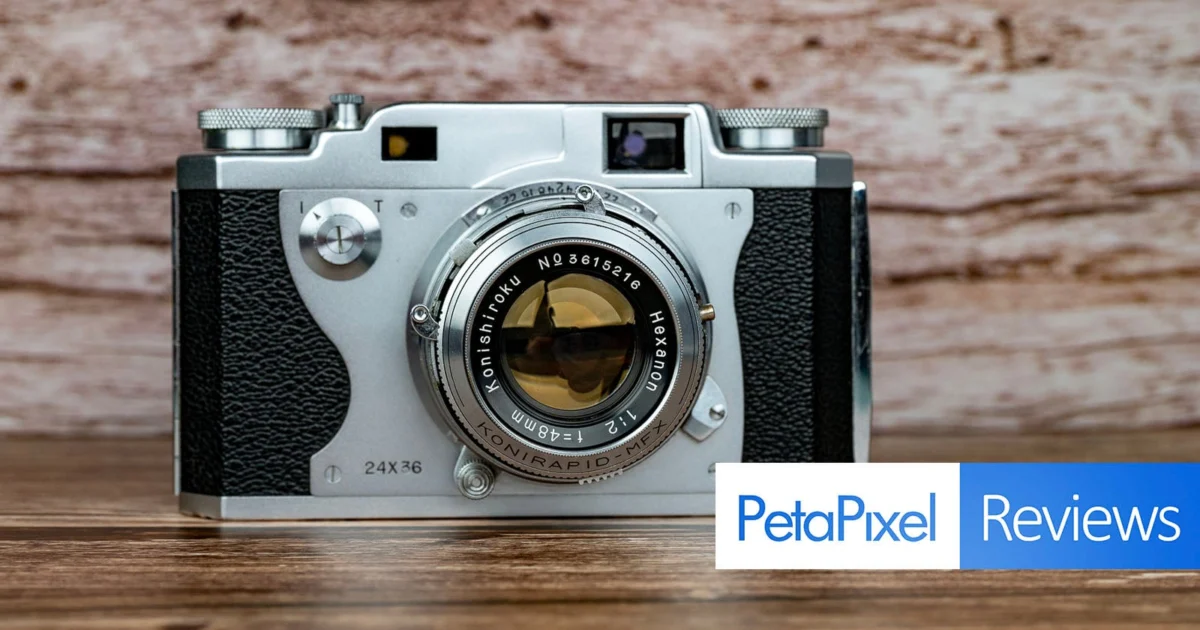
The unexpected arrival of an anonymous package, containing a Konica IIA in near-pristine condition, recently presented a unique opportunity for an in-depth exploration of this vintage rangefinder camera. This unsolicited gift from a viewer, accompanied by a request to "give it a try," initiated a comprehensive review and historical retrospective, revealing the significance of this beautifully preserved piece of photographic history. While initially unfamiliar with the model, the allure of a classic such as the Konica IIA compelled a deeper investigation into its origins, technical specifications, and enduring legacy, which we now share.
The Genesis of a Photographic Giant: Konishiroku’s Humble Beginnings
The story of the Konica IIA is inextricably linked to the remarkable journey of its manufacturer, Konishiroku, a name that would eventually become synonymous with photographic innovation. The company’s roots trace back to 1873, when Sugiura Rokusaburo established Konishiya Rokubei in Tokyo. Initially a pharmacy, Sugiura’s visionary spirit soon recognized the burgeoning demand for photographic equipment and materials in Japan. His ambition was not merely to distribute foreign goods but to foster an indigenous photographic industry, ensuring local procurement and production.
This pioneering spirit led to a series of foundational achievements. By 1882, Konishiroku was producing its own photographic papers, followed by dry plates in 1891. The true breakthrough, however, arrived in 1903 with the design and mass production of the "Cherry" camera. This compact box camera, simple yet revolutionary for its time, marked a pivotal moment in Japanese industrial history, earning the distinction of being Japan’s first mass-produced camera. Its success laid the groundwork for Konishiroku’s transformation into a major camera manufacturer, establishing a legacy of precision optics and mechanical engineering that would shape the global photographic landscape for decades. From these modest beginnings in a Tokyo pharmacy, Konishiroku embarked on a trajectory of innovation, setting the stage for the renowned cameras that would eventually bear the Konica name.
Post-War Innovation: The Rise of the Konica Rangefinders
The mid-20th century marked a period of intense innovation and rebuilding for Japan, particularly in its precision industries. Following the devastation of World War II, Japanese manufacturers, including Konishiroku, dedicated themselves to re-establishing their reputation for quality and ingenuity. This era saw a fierce, yet ultimately beneficial, competition among Japanese camera makers, vying to rival and surpass established German giants like Leica and Zeiss. It was within this dynamic environment that the Konica I series emerged, becoming a critical stepping stone in the company’s resurgence.
Introduced in 1947, the Konica I quickly garnered popularity. It was a handsomely designed 35mm rangefinder camera featuring a collapsible Hexar 50mm f/3.5 or f/2.8 lens and a Copal leaf shutter capable of speeds up to 1/500 second. The camera’s elegant aesthetics and robust construction signaled Konishiroku’s commitment to premium quality, solidifying its investment in the 135mm film format. The Konica I series was crucial in demonstrating Japan’s capability to produce sophisticated photographic instruments, offering a viable alternative to the more expensive European models.
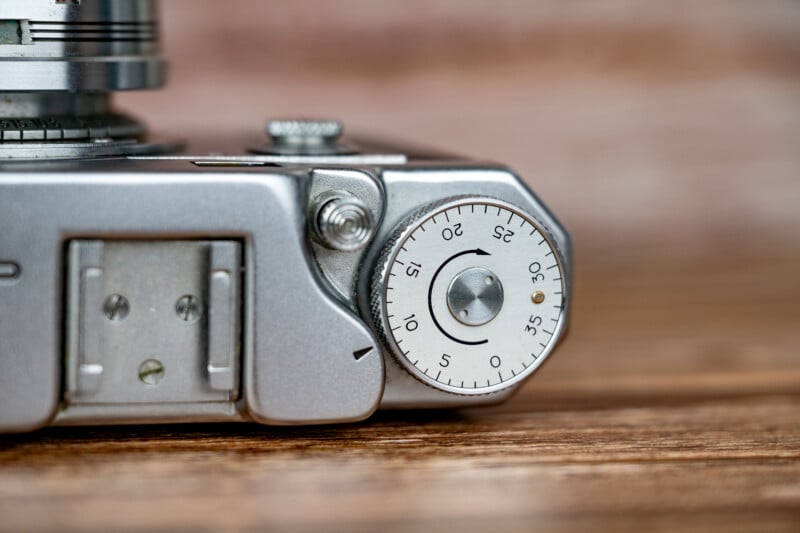
Building on this success, Konishiroku released the Konica II in 1951. This iteration brought significant ergonomic and functional enhancements. Key among these was the repositioning of the shutter release mechanism to the top plate of the camera, a departure from the lens-mounted releases common at the time. This "modern" implementation, coupled with the addition of a cold shoe for accessories like flash units, drastically improved the user experience. The top-mounted shutter button provided a more natural and stable firing action, while the linkage to the film advance mechanism effectively prevented accidental double exposures—a common issue with earlier designs. The Konica II also featured a faster Hexanon 50mm f/2.8 lens, further enhancing its appeal to a demanding market.
The Pinnacle: Unveiling the Konica IIA (1956)
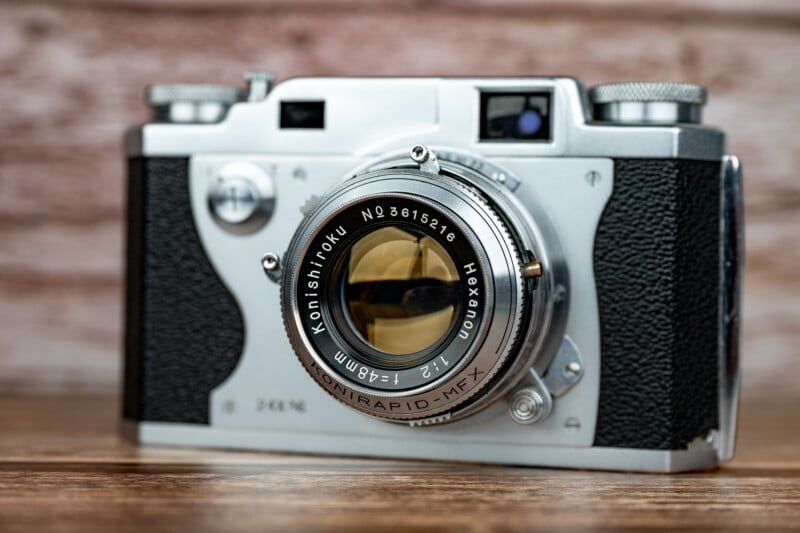
While the Konica I and II series were celebrated, it was the Konica IIA, introduced in 1956, that truly epitomized Konishiroku’s ambition and engineering prowess in the rangefinder segment. Positioned as a premium offering, the IIA refined its predecessors with several notable upgrades, cementing its status as a highly capable and desirable photographic instrument.
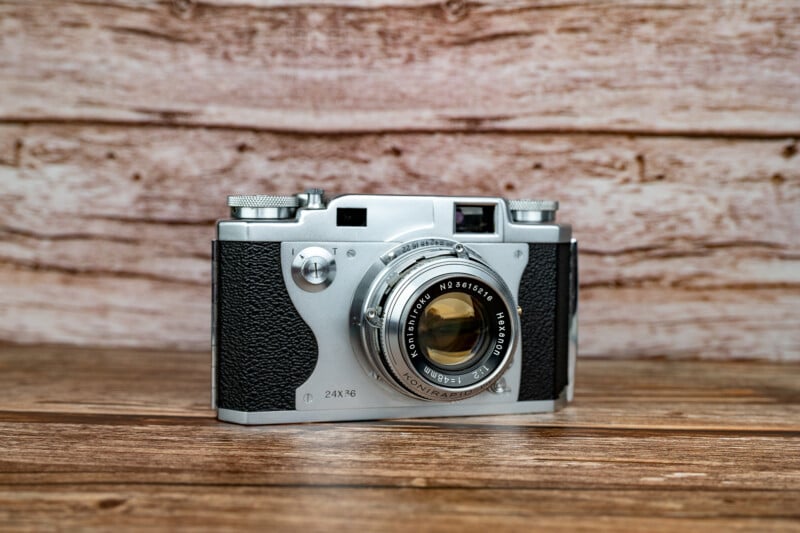
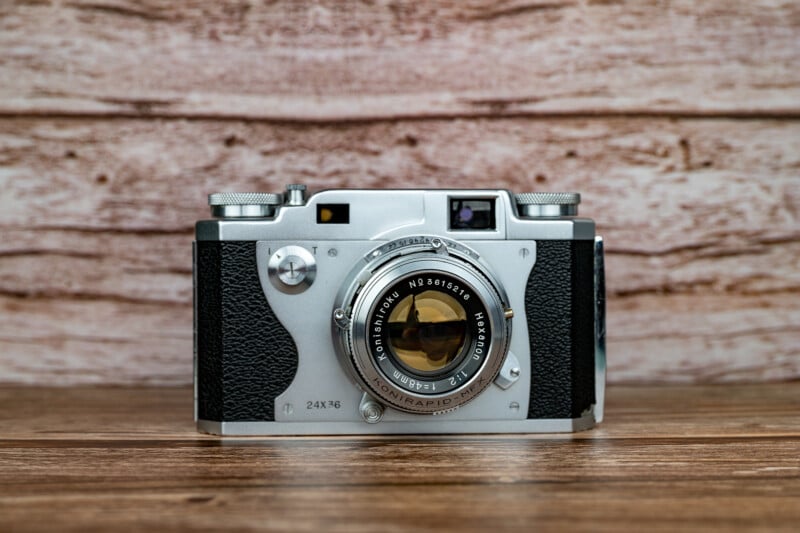
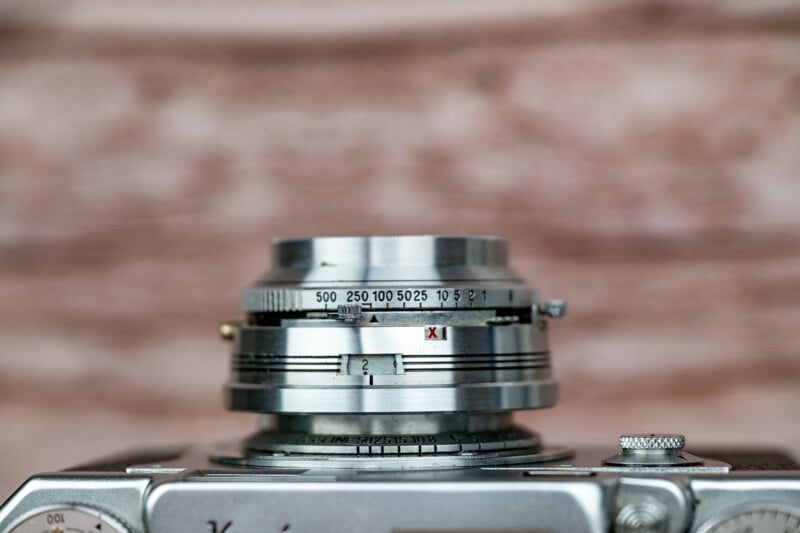
Outwardly, the Konica IIA retained the distinctive, gorgeous machined curves of the Series II, exuding a classic mid-century aesthetic. However, under the hood, significant advancements were made. The shutter was upgraded to the sophisticated Konirapid MFX version. This leaf shutter maintained the impressive maximum speed of 1/500 second but crucially offered full synchronization support for both electronic flashes (X-sync) and traditional flash bulbs (M-sync), providing photographers with greater versatility in varied lighting conditions. Leaf shutters, renowned for their quiet operation and ability to synchronize flash at all speeds, were a hallmark of premium rangefinder design.
The most substantial upgrade, and arguably the IIA’s defining feature, was its new lens: a fixed, non-collapsible Hexanon 48mm f/2.0. This represented a notable improvement over the earlier collapsible Hexanon 50mm f/2.8. The fixed lens design offered enhanced rigidity and ensured consistent optical alignment, contributing to superior image quality. The Hexanon 48mm f/2.0, believed to be a 6-element, 4-group design, was lauded for its exceptional contrast and sharpness, even when shot wide open at f/2.0. While some flare could be present in challenging light, the lens delivered beautiful color rendition with color film and strong, impactful tones with black and white emulsions. Its front element accepted rare 35.5mm filters, and the inclusion of a PC sync port on the side of the lens barrel underscored its professional aspirations. The camera’s overall heft, weighing approximately 750 grams (1.65 lbs) due to its solid metal construction and generous glass elements, contributed to a stable shooting platform.

For ease of use in the crucial American market, Konica thoughtfully labeled the focusing measurements in feet. The lens barrel also featured a depth-of-field scale, a valuable tool for zone focusing. However, one minor ergonomic peculiarity noted by contemporary users and today’s reviewers alike was the aperture control. It employed sharp, somewhat uncomfortable teeth for grip, and the tiny lever often required considerable effort to adjust, especially quickly.

The Konica IIA’s operational sequence required the shutter to be cocked before firing. This could be done either via a lever on the side of the lens for multiple exposures or through the top-mounted shutter button, which would only reset after advancing the film. While this extra cocking step might seem antiquated by modern standards, it became intuitive for users after a few rolls. A specific nuance was the two-stage spring mechanism required for the maximum 1/500 second shutter speed; once the shutter was cocked for a slower speed, it could not be re-cocked for 1/500s on the same frame, necessitating a forward-thinking approach to exposure settings.

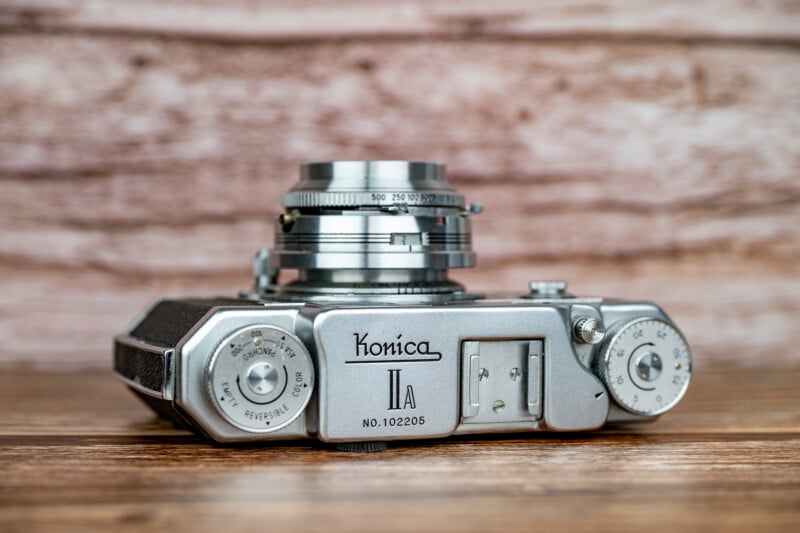
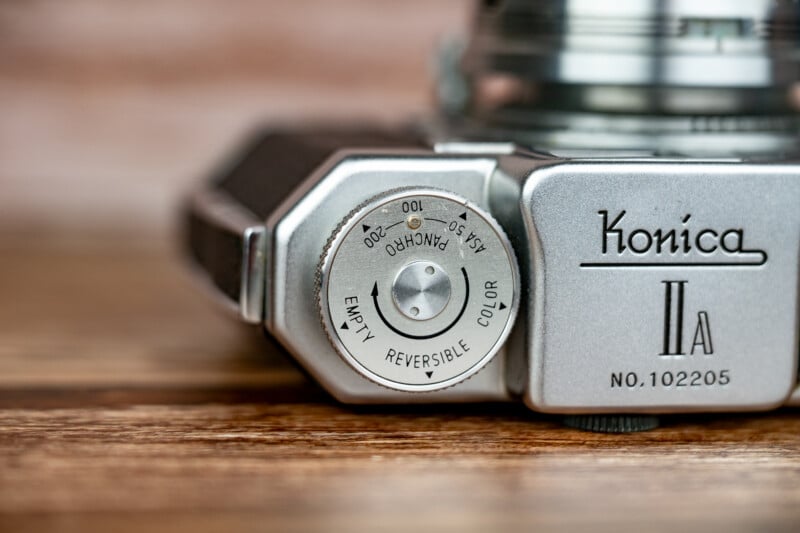
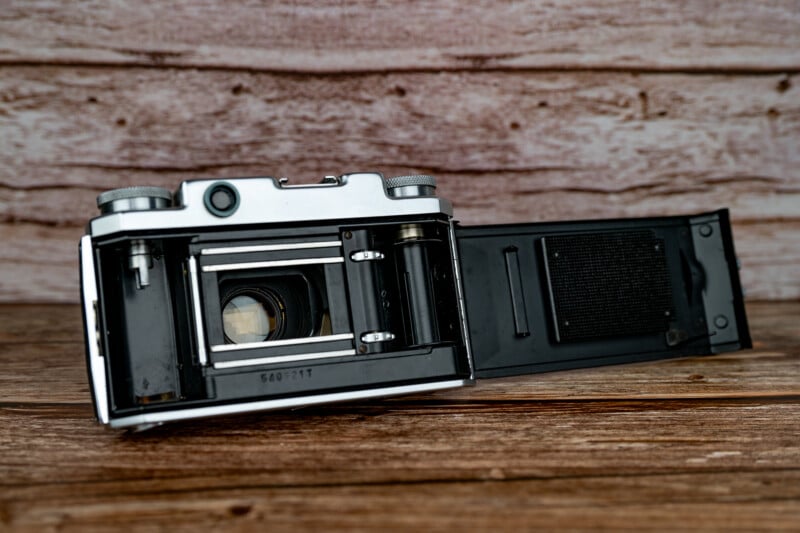
Upon firing a frame, the winding knob smoothly advanced the film to the next shot, with a calibrated counter tracking exposures. The top-mounted shutter button featured a finishing cap that cleverly concealed the threads for a cable release. On the camera’s left side, a dedicated dial served as the rewind knob, incorporating a simple yet practical rotating plate for photographers to remind themselves of their current film type and ISO speed. The front of the camera boasted a dial to switch between standard shutter operations, including Bulb mode for long exposures and a "T" (Time) setting, which functioned akin to a modern time-value setting—one press opened the shutter, and another closed it. A standard tripod thread on the camera’s base and a clever twist-lock mechanism for opening the camera back and loading film completed the thoughtful design.

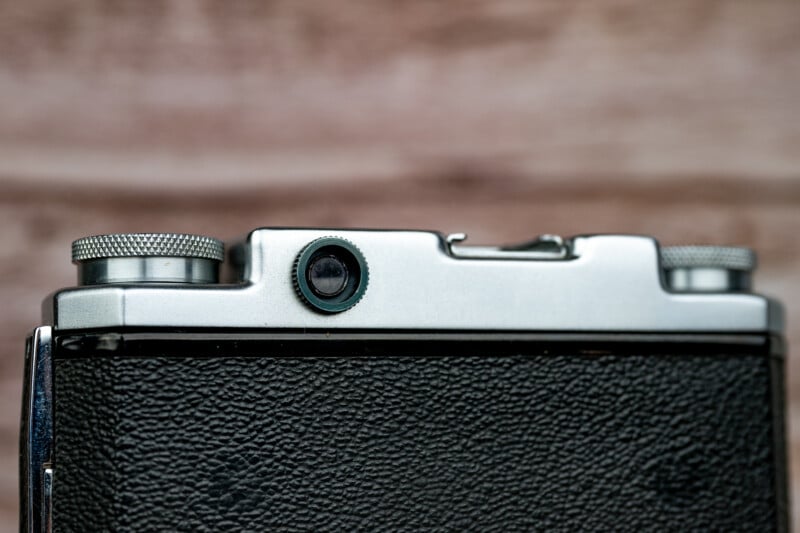
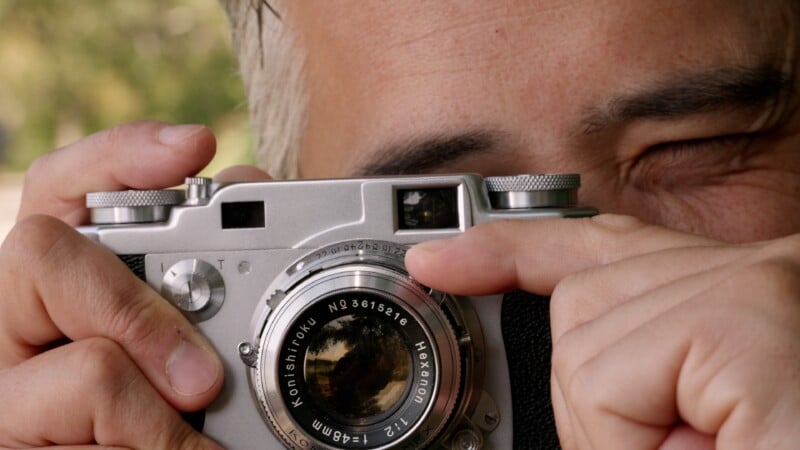
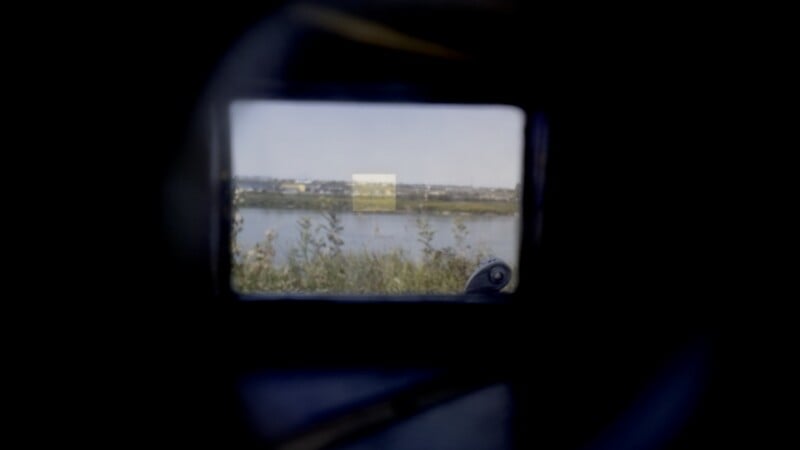
Crucially, the Konica IIA’s rangefinder system was a highlight. Even after seventy years, many surviving examples maintain clear glass and a bright, easy-to-focus rangefinder patch. The accuracy of the viewfinder was excellent, even at close focusing distances. While lacking modern framelines, the external field of view provided a very close match to the captured image. A subtle but helpful feature was the visibility of the shutter cocking lever through the finder, serving as a visual reminder to prepare the mechanism before taking a shot.
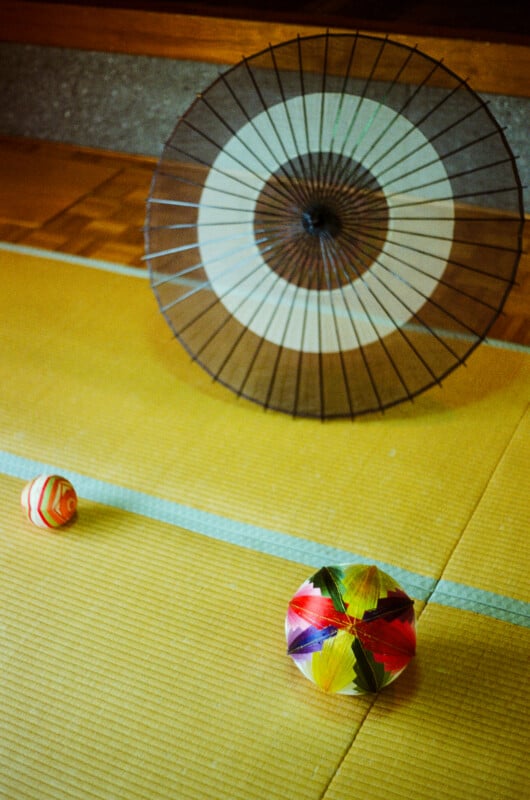
Performance and Enduring Relevance
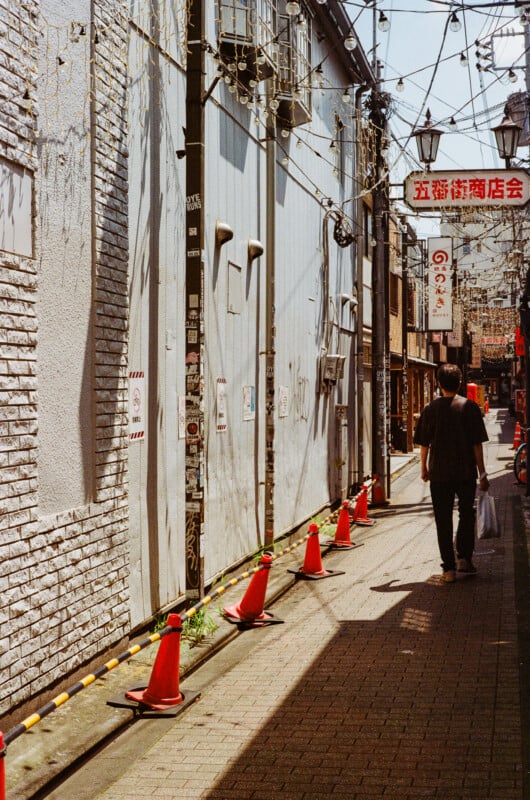
Given the vintage of the Konica IIA, the absence of a built-in light meter was standard for the era. Photographers typically relied on external light meters, such as the TTArtisan meter, which fits perfectly into the cold shoe. Practical testing revealed that ISO 100 and 200 films offered optimal versatility, allowing for shooting at apertures like f/8 or f/11 in direct sunlight while still achieving proper exposure. With the lens capable of stopping down to f/22, faster films could certainly be accommodated, though often requiring more careful exposure management in bright conditions.

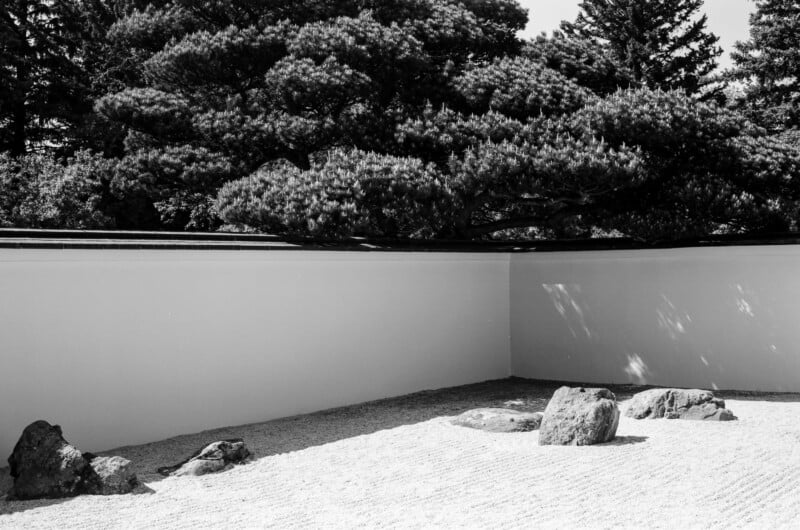
Overall, the Konica IIA provides a genuinely rewarding photographic experience. Its substantial weight contributes to its stability during handheld shooting, and the quality and character of its Hexanon lens are consistently praised. The camera offers full photographic control, making it a highly capable creative tool. Despite its operational quirks, which are inherent to its mid-century design, the IIA proves to be a fun and engaging camera to use. Its prestigious feel in hand and its consistent ability to capture strong images underscore its enduring value to film photography enthusiasts. The Konica IIA stands as a testament to the dedication and precision of its manufacturers, delivering excellent contrast and color rendition with both color and black and white emulsions, and impressive framing accuracy even at close ranges.

Konica’s Illustrious Trajectory and Eventual Transition
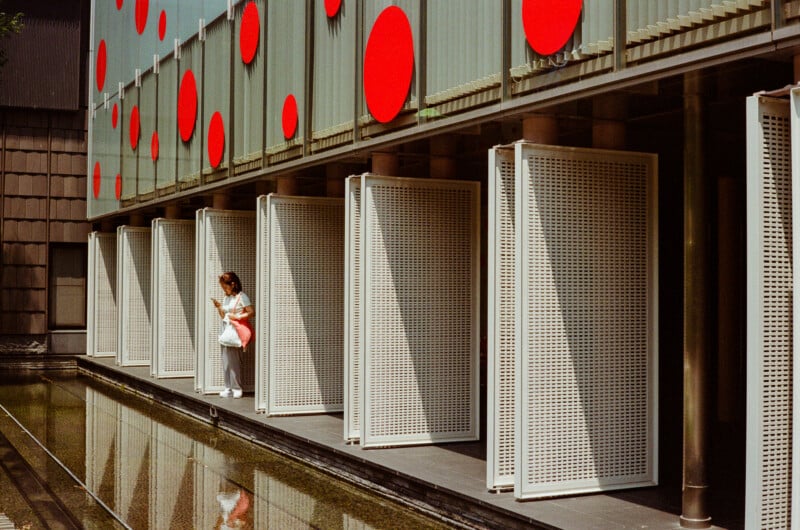
The success of the Konica I, II, and IIA rangefinders was so profound that the Konishiroku company eventually changed its name to Konica, in honor of these popular and stylish compact cameras. This rebranding underscored the immense brand recognition and affection these models had cultivated. Konica’s journey in the photographic world, however, did not end with rangefinders. The company continued to innovate, producing a series of groundbreaking cameras that left an indelible mark on photographic history.
Among these were the highly popular compact C35 series, which democratized photography with their auto-exposure capabilities and ease of use, becoming early pioneers of the "point-and-shoot" genre. Konica also ventured successfully into the Single-Lens Reflex (SLR) market with its Autoreflex series, introducing significant innovations such as the first SLRs with full-aperture metering. Their Hexanon AR lenses earned a reputation for exceptional optical quality. For professional press photographers, the Koni-Omega medium format rangefinder cameras offered robust construction and rapid handling. Later, in the premium compact segment, cameras like the Konica Hexar became cult classics, known for their ultra-quiet shutters and superb fixed lenses. Throughout these diverse product lines, Konica consistently delivered high-quality optics and film emulsions, earning a loyal following.

However, the dawn of the 21st century brought seismic shifts to the photographic industry with the rapid ascent of digital technology. In an attempt to navigate this challenging new landscape and form a stronger competitive front, Konica merged with Minolta in 2003, forming Konica Minolta. The partnership aimed to pool resources and expertise to capture a significant share of the burgeoning digital camera market. Unfortunately, this ambitious plan did not achieve the anticipated success. Intense competition, particularly from rapidly evolving digital camera giants, led to the eventual decision in 2006 to withdraw from the camera and film business entirely. Konica Minolta sold its digital camera patents and camera technology assets to Sony, a move that significantly contributed to Sony’s subsequent rise as a major player in the digital imaging space.
Today, Konica Minolta continues to thrive in other technological sectors, developing advanced photocopiers, sophisticated medical equipment, and high-grade commercial optics. While the Konica name no longer graces new photographic cameras, the legacy of its pioneering spirit, engineering excellence, and commitment to quality lives on through its extensive back catalog of film cameras.

Conclusion: An Enduring Legacy

The Konica IIA, born in the mid-1950s, remains a vivid testament to an era of exceptional Japanese optical and mechanical engineering. It represents a significant chapter in Konica’s illustrious history, embodying the dedication of a premier manufacturer to crafting reliable, well-built, and aesthetically pleasing photographic tools. Its Hexanon lens continues to impress with its sharpness and character, and its robust construction ensures that many examples are still fully functional and capable today.

For film photography enthusiasts and collectors, the Konica IIA is more than just a vintage camera; it is a tangible link to a pivotal period of innovation. Its enduring appeal lies in its combination of classic design, superior image quality, and the satisfying, deliberate process of film photography it encourages. The opportunity to engage with such a rare and capable instrument offers not only a unique shooting experience but also a profound appreciation for the rich history and heritage of the Konica brand, whose influence continues to resonate within the photographic community. The Konica IIA stands as a proud icon, a constant reminder of the company that once redefined photographic excellence.