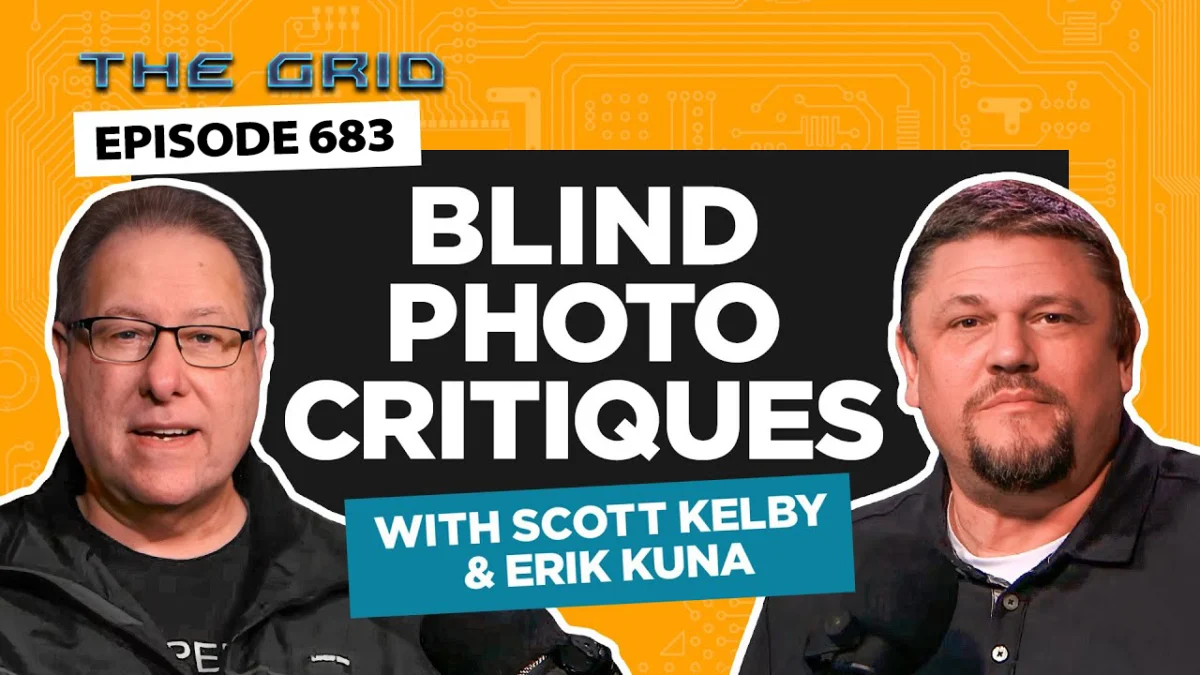
This week, the long-running photography education program "The Grid," hosted by industry veterans Scott Kelby and Erik Kuna, delivered another highly anticipated Blind Photo Critiques episode. Episode 683 provided viewers with an intensive and objective analysis of a diverse collection of images submitted by photographers from across the globe, reinforcing the program’s commitment to practical, real-world learning and skill enhancement within the photographic community. The session meticulously dissected various submissions, offering candid yet constructive feedback on fundamental and advanced photographic principles, post-processing techniques, and the cultivation of a distinctive visual style.
The Enduring Appeal and Methodology of Blind Critiques
Blind photo critiques have long been a cornerstone of art and photography education, revered for their ability to strip away preconceptions and focus solely on the visual merits of an image. In this format, the identity of the photographer, their experience level, and their intentions remain undisclosed to the reviewers, ensuring an unbiased assessment. This methodology fosters a purely objective evaluation of composition, technical execution, emotional impact, and artistic expression. For both the submitting photographer and the global audience, the value lies in witnessing expert analysis uninfluenced by personal relationships or reputation, promoting a merit-based understanding of photographic quality. Historically, art academies and photographic societies have employed similar blind jurying processes for competitions and exhibitions, recognizing its fairness and its capacity to elevate standards. "The Grid"’s digital adaptation of this tradition brings expert-level scrutiny to a vast, accessible online audience, democratizing access to professional feedback that might otherwise be unavailable. The anonymity encourages submissions from photographers of all skill levels, from emerging enthusiasts to seasoned professionals seeking fresh perspectives, knowing their work will be judged purely on its visual communication and technical prowess. This approach is particularly beneficial in a saturated visual landscape where personal branding can sometimes overshadow artistic merit.
Scott Kelby and Erik Kuna: Pillars of Photography Education
At the helm of "The Grid" are Scott Kelby and Erik Kuna, two highly respected figures whose contributions to photography education span decades. Scott Kelby, President of KelbyOne, is an internationally acclaimed author, photographer, and educator, known for his accessible teaching style and numerous best-selling books on Photoshop, Lightroom, and photography. His influence extends through various platforms, including his role as Editor-in-Chief of Photoshop User magazine and conference chair for the annual Photoshop World Conference. Erik Kuna, an accomplished photographer, educator, and co-host, brings his expertise in landscape, astrophotography, and post-processing to the dynamic duo. Together, they possess a formidable blend of technical knowledge, artistic sensibility, and pedagogical experience, making them uniquely qualified to deliver insightful critiques.
"The Grid," which has now reached its 683rd episode, stands as a testament to their enduring dedication and the consistent demand for high-quality, practical photography instruction. Launched as a weekly live web TV show, it has evolved into a vital resource for photographers worldwide, covering everything from gear reviews and industry news to in-depth tutorials and, critically, these critique sessions. The show’s longevity underscores the continuous thirst for knowledge and community engagement within the photographic world, solidifying KelbyOne’s position as a leader in online creative education. Their synergy on screen provides a balanced perspective, often leading to engaging discussions that explore multiple facets of a single image.
A Global Lens: Diversity in Photographic Genres
The recent critique episode showcased a remarkable breadth of photographic genres, illustrating the diverse interests and technical skills within the global photographic community. Submissions spanned architecture, street photography, wildlife, portraits, aviation, and even a striking castle scene. This variety not only made for a compelling viewing experience but also served as a comprehensive educational tool, demonstrating how universal photographic principles apply across disparate subjects.
- Architecture Photography: Critiques often focused on compositional elements like leading lines, symmetry, perspective distortion correction, and the interplay of light and shadow to highlight structural details. Discussions included techniques for capturing the grandeur of buildings while maintaining clean lines and avoiding distracting elements.
- Street Photography: This genre demands keen observation and quick reflexes. Feedback typically addressed capturing decisive moments, human elements, environmental context, and the ethical considerations of photographing strangers. The emphasis was on narrative storytelling and the raw authenticity inherent in urban scenes.
- Wildlife Photography: Technical precision is paramount here, with discussions centered on sharp focus on the subject’s eyes, appropriate depth of field, action capture, and ethical considerations in approaching animals. The critiques often highlighted the importance of patience, understanding animal behavior, and using natural light to create impactful images.
- Portrait Photography: This segment delved into lighting techniques (natural and artificial), posing, expression, background choices, and the crucial connection between subject and viewer. Reviewers often emphasized how subtle adjustments in lighting or posing could dramatically alter the emotional resonance of a portrait.
- Aviation Photography: Capturing aircraft, whether static or in motion, requires specialized knowledge of shutter speeds, panning techniques, and understanding dynamic range. Critiques likely covered clarity of the subject, background blur, and the challenge of conveying speed and power.
- Castle Scene Photography: This specific example, while potentially falling under architecture or landscape, suggests a focus on historical or scenic grandeur. Feedback would likely address grand compositions, managing scale, atmospheric conditions, and conveying a sense of timelessness or dramatic narrative.
The review of such varied genres underscores the hosts’ versatile expertise and their ability to apply core photographic principles universally, demonstrating that good photography transcends subject matter.
Deconstructing the Image: Key Areas of Feedback
The core of the critique sessions lies in the detailed deconstruction of each submitted image, with Scott and Erik meticulously examining various aspects. Their feedback consistently highlighted several critical areas that photographers frequently grapple with, providing actionable insights for improvement.
- Technical Foundations: White Balance and Exposure: These fundamental elements were frequently addressed. White balance, the process of removing unrealistic color casts, ensures that white objects appear white in the image and that other colors are rendered accurately. Incorrect white balance can drastically alter the mood and perceived realism of a photograph. The hosts provided guidance on recognizing and correcting color shifts, often demonstrating in real-time how a simple adjustment could transform an image. Similarly, exposure, the amount of light captured by the camera, dictates the overall brightness of a photo. Critiques often pointed out instances of underexposure (too dark) or overexposure (too bright), discussing how to achieve a balanced exposure that retains detail in both highlights and shadows, crucial for professional-looking results.
- Compositional Excellence: Cropping Decisions: Beyond the initial capture, cropping is a powerful post-processing tool that can significantly enhance or detract from a photograph’s impact. The hosts offered advice on strategic cropping to improve composition, eliminate distractions, strengthen the subject, and adhere to principles like the rule of thirds, leading lines, or negative space. They emphasized that cropping isn’t just about making an image smaller, but about refining its visual story and directing the viewer’s eye effectively.
- The Art of Post-Processing Techniques and Photoshop Tricks: Modern photography is inseparable from post-processing. Scott and Erik delved into various techniques, ranging from basic adjustments in contrast and saturation to more advanced manipulations using Photoshop. This included discussions on local adjustments (e.g., dodging and burning to lighten or darken specific areas), color grading to establish mood, noise reduction, sharpening, and the use of layers and masks for non-destructive editing. They shared practical "Photoshop tricks" – efficient workflows or lesser-known features – that could significantly improve an image’s final appearance and streamline a photographer’s workflow. This segment often involved live demonstrations, providing immediate visual examples of their suggestions.
- Developing a Consistent Visual Style: A recurring theme was the importance of building a consistent visual style. In today’s crowded photographic landscape, a unique and recognizable style helps a photographer’s work stand out. The hosts discussed how elements like color palette, lighting choices, compositional preferences, and post-processing approaches contribute to a photographer’s signature look. They encouraged photographers to consciously develop this style, not by imitating others, but by understanding their own artistic voice and applying it cohesively across their body of work. This consistency is vital for professional branding and creating a memorable portfolio.
Beyond the Critique: Community and Continuous Learning
"The Grid" episode extended beyond the critiques to highlight the broader educational ecosystem fostered by KelbyOne. The conversation drifted into highlights from the recent iPhone Photography Conference, underscoring the growing importance of mobile photography and KelbyOne’s commitment to diverse photographic interests. The conference likely showcased innovative techniques and workflows for capturing high-quality images using smartphones, a medium that has democratized photography globally.
Upcoming workshops and travel plans were also mentioned, indicating KelbyOne’s continued offering of immersive, hands-on learning experiences beyond the weekly show. These workshops, often led by Scott Kelby or other renowned instructors, provide opportunities for participants to delve deeper into specific genres or techniques, often in inspiring locations. Such events complement the online learning experience by offering direct interaction and personalized guidance, fostering a strong sense of community and mentorship.
Furthermore, the inclusion of "great giveaways" serves as an engaging incentive for viewership and participation, a common strategy in online content to build loyalty and excitement. These giveaways, often involving photography gear or software, directly benefit the community, reinforcing the idea that "The Grid" is not just about instruction but also about supporting photographers in their journey. The integrated approach of free content, specialized conferences, and in-person workshops illustrates a comprehensive strategy for lifelong learning in photography.
The Impact of Constructive Feedback and Its Broader Implications
The primary implication of programs like "The Grid"’s Blind Photo Critiques is the profound impact on individual skill development and the overall elevation of photographic standards. By providing expert, objective feedback, these sessions enable photographers to identify blind spots in their work, refine their technical skills, and sharpen their artistic vision. The transparency of the critique process, where strengths are celebrated and areas for improvement are clearly articulated with practical solutions, creates an invaluable learning environment.
For the wider photographic community, "The Grid" fosters a culture of continuous learning and critical self-evaluation. It demonstrates that even accomplished photographers benefit from external perspectives and that mastery is an ongoing journey. In an era where social media often prioritizes likes over constructive criticism, platforms like "The Grid" offer a much-needed counterbalance, promoting genuine artistic growth. The global reach of these online critiques also democratizes access to high-caliber education, transcending geographical and financial barriers that might otherwise prevent aspiring photographers from receiving professional guidance. This accessibility is crucial for fostering new talent and ensuring the art form remains vibrant and innovative. The consistent output of such educational content by KelbyOne through "The Grid" reinforces its role not just as a content provider, but as a community builder and a catalyst for photographic excellence worldwide.
Looking Ahead: The Future of Photography Education
As photography continues to evolve with rapid technological advancements, including AI-powered editing tools and new camera technologies, the demand for foundational knowledge combined with expert guidance remains constant. Programs like "The Grid" are uniquely positioned to bridge the gap between emerging technologies and timeless artistic principles. The emphasis on developing a consistent visual style, mastering post-processing, and understanding compositional nuances will remain critical, regardless of the tools employed. The continued success of "The Grid" and its blind critique format suggests a lasting need for authentic, experience-driven education that addresses the practical challenges faced by photographers. It reinforces the notion that while cameras and software may change, the art of seeing and the craft of making compelling images require consistent learning, thoughtful practice, and objective feedback.
This latest episode of "The Grid" once again proved itself an indispensable resource for photographers aiming to elevate their craft. Packed with practical tips, candid commentary, and plenty of educational value, the replay offers a tangible opportunity for photographers worldwide to apply lessons learned to their own images, fostering growth and refinement in their artistic pursuits.