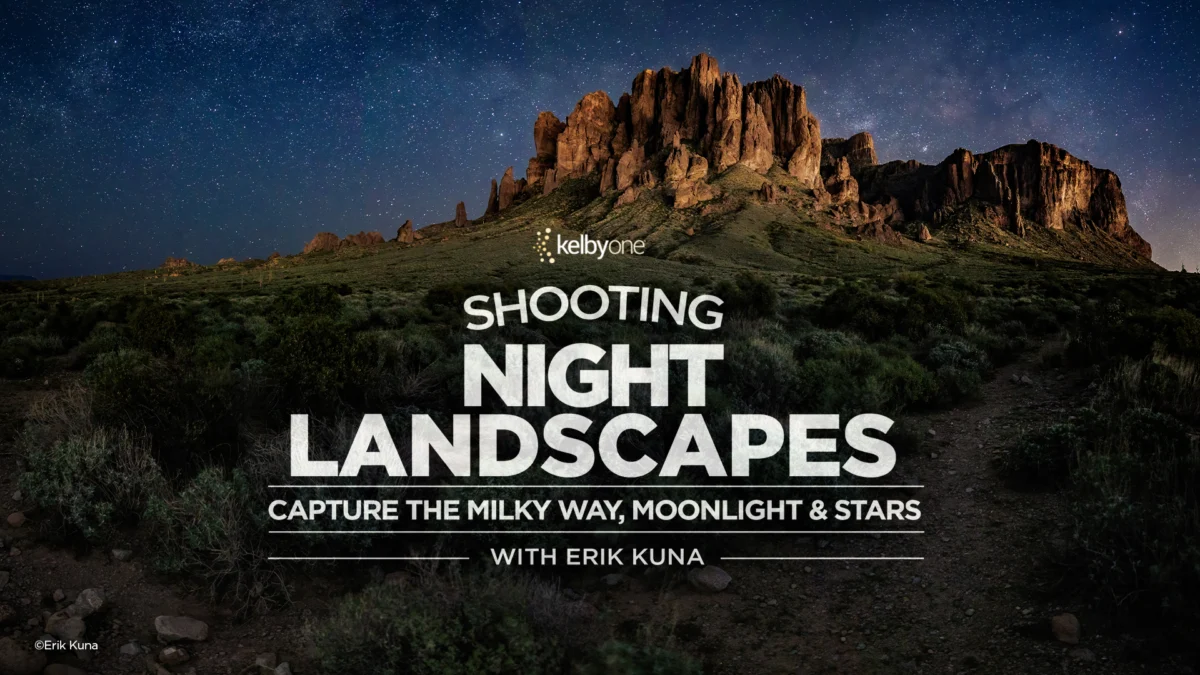
The intricate art of capturing the nocturnal world, particularly the ethereal glow of the Milky Way and expansive night landscapes, has long presented a formidable challenge to photographers. What once required extensive trial and error, often yielding inconsistent results, is now being systematically demystified through structured educational initiatives. A new online class, led by renowned photographer Erik Kuna, aims to transform this complex photographic discipline into an approachable and repeatable process for enthusiasts of all skill levels. The course, titled "Shooting Night Landscapes with Confidence," focuses on empowering individuals to expertly balance exposures, illuminate scenes using ambient light sources like moonlight, and achieve sharp, detailed images of both celestial bodies and terrestrial foregrounds.
The Growing Fascination with Night Photography
Night photography, encompassing everything from urban light trails to deep-sky astrophotography, has witnessed a surge in popularity over the past decade. This trend is fueled by several factors, including advancements in digital camera technology, particularly improved low-light performance in sensors, and the widespread accessibility of sophisticated editing software. Social media platforms have also played a significant role, showcasing breathtaking images of star trails, nebulae, and our galaxy’s core, inspiring a new generation of photographers to venture into the dark.
However, the allure of the night sky is often met with practical difficulties. Unlike daytime photography, where ample light simplifies exposure settings and focusing, night photography demands a nuanced understanding of camera mechanics, environmental conditions, and post-processing techniques. Challenges include identifying optimal shooting locations away from light pollution, accurately focusing in near-total darkness, managing long exposure times without introducing excessive noise, and composing compelling scenes that integrate both foreground elements and the celestial backdrop. The Milky Way, in particular, requires specific astronomical timing, dark skies, and precise camera settings to render its subtle details visible.
Erik Kuna’s Approach to Demystifying the Night
Erik Kuna’s new class directly addresses these prevalent challenges by providing a clear, step-by-step methodology. The curriculum is designed to break down the intimidating aspects of night photography into manageable segments, ensuring learners can build confidence progressively. A core tenet of Kuna’s teaching philosophy, as reflected in the course description, is the emphasis on a "simple, repeatable way" to achieve consistent, high-quality results. This approach suggests a focus on fundamental principles and adaptable techniques that photographers can apply across various night-time scenarios, rather than relying on rote memorization of specific settings.
Key learning objectives highlighted in the course include:
- Capturing the Milky Way: Techniques for locating, composing, and exposing for the galactic core, ensuring stars remain bright and distinct. This often involves understanding the "500 Rule" or similar guidelines for shutter speed, aperture selection, and ISO management.
- Utilizing Moonlight for Illumination: An often-overlooked aspect of night landscape photography is harnessing ambient light from the moon. The course teaches how to use moonlight to naturally illuminate foregrounds, adding depth and dimension to scenes without resorting to artificial light sources, which can often look harsh or unnatural.
- Balancing Exposure: One of the most critical aspects of successful night landscape photography is achieving a balanced exposure between the bright stars and the darker landscape. Kuna’s class focuses on finding the "sweet spot" where both elements are well-exposed and retain detail, often involving single-shot techniques or, for more advanced scenarios, simple exposure blending.
- Maintaining Sharpness and Detail: Ensuring stars are sharp and pinpoint, and landscape details are preserved, requires careful attention to focus, camera stability, and understanding the impact of noise reduction. The course is structured to guide students through these technical considerations.
The pedagogical design suggests a practical, hands-on learning experience, moving beyond theoretical concepts to actionable strategies. This structured learning environment aims to mitigate the frustration often associated with self-taught attempts at night photography, which can involve hours of experimentation under challenging conditions.
Chronology of Educational Offerings and Launch
While the precise development timeline for Erik Kuna’s "Shooting Night Landscapes with Confidence" class is internal to the educational platform, its launch aligns with a broader trend in specialized online photography education. Platforms like KelbyOne, inferred to be the host from the provided kel.by link, consistently curate and launch new courses to meet the evolving demands of their global audience.
- Early 2010s: The advent of affordable full-frame DSLR cameras with improved high-ISO performance begins to make night photography more accessible to enthusiasts, moving beyond specialized film techniques.
- Mid-2010s: Online photography education platforms gain significant traction. Initial courses often cover fundamental photography skills, but demand for niche genres like astrophotography and night landscapes starts to grow. Instructors like Erik Kuna, known for their practical teaching style and expertise in specific photographic domains, become valuable assets for these platforms.
- Late 2010s – Early 2020s: Continued advancements in mirrorless camera technology, coupled with sophisticated image stacking and processing software, further refine the possibilities in night photography. This period sees an increased need for structured guidance to navigate these new tools and techniques.
- Current Launch: The introduction of Erik Kuna’s class represents a targeted response to this sustained interest, providing a comprehensive resource for a topic that remains challenging for many. The course likely underwent several stages, including curriculum development, content scriptwriting, extensive filming at various night locations to capture practical demonstrations, post-production editing, and final quality assurance before its public release. This systematic approach ensures the delivery of high-quality, actionable educational content.
Supporting Data: The Evolving Landscape of Online Photography Education
The market for online photography education has experienced robust growth, mirroring the overall expansion of e-learning. According to various market research reports, the global e-learning market, valued at hundreds of billions of dollars, continues to expand at a compound annual growth rate (CAGR) exceeding 10%. Within this larger ecosystem, specialized skill-based learning, such as photography, thrives.
- Accessibility and Reach: Online platforms democratize access to expert instruction, allowing individuals from diverse geographical locations to learn from leading professionals without the constraints of physical workshops. This global reach significantly expands the potential student base for instructors like Erik Kuna.
- Flexibility: Online courses offer unparalleled flexibility, enabling students to learn at their own pace and schedule, integrating education into busy lives. This model is particularly appealing for complex subjects like night photography, where concepts may require repeated viewing and practice.
- Demand for Niche Skills: Data from online course providers often indicates a strong demand for niche photography genres. While foundational courses remain popular, specialized topics like landscape, portraiture, and particularly astrophotography, consistently attract dedicated learners seeking to master specific techniques. The increasing sophistication of camera equipment means that technical skills are more critical than ever, and online tutorials provide a structured path to acquire them.
- Instructor Expertise: The credibility and experience of instructors are paramount in online education. Erik Kuna, with his established reputation in the photography community, brings a level of expertise that instills confidence in potential students. His ability to distill complex information into "clear, practical steps" is a significant asset in the online learning environment.
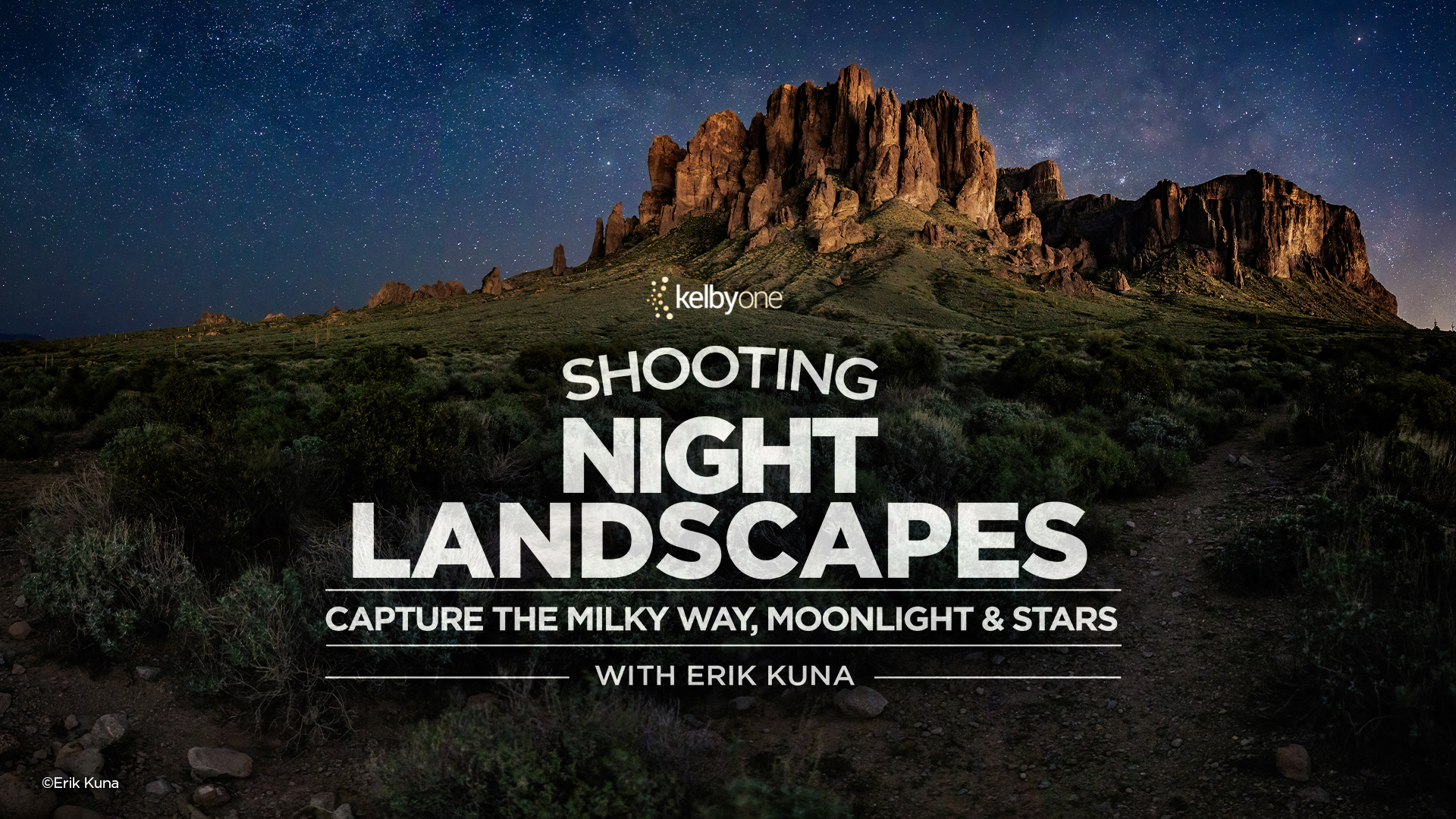
- Technological Integration: Modern online courses often integrate high-quality video production, interactive elements, downloadable resources, and community forums, enhancing the learning experience. The presence of an accompanying image in the original article, likely a promotional graphic for the video class, underscores the visual nature of this educational content.
The continuous innovation in online educational delivery systems ensures that learners receive up-to-date information and techniques relevant to current photographic technologies and artistic trends.
Official Responses and Industry Perspectives
While direct statements from Erik Kuna or the hosting platform are not explicitly provided in the original text, their intentions and reactions can be logically inferred based on industry standards for course launches.
Erik Kuna, as the instructor, would likely articulate the driving motivation behind the course. A probable statement from Kuna might emphasize the program’s objective: "My overarching goal with ‘Shooting Night Landscapes with Confidence’ was to strip away the perceived complexity of night photography. Many aspiring photographers feel intimidated by the darkness and the technical demands, but I firmly believe that with the right framework and a repeatable process, anyone can capture the stunning beauty of the night sky and the landscapes beneath it. This class is designed to provide that framework, fostering both technical skill and creative confidence."
From the perspective of the educational platform (e.g., KelbyOne), the launch of such a specialized course would be seen as a strategic enhancement to their content library. A representative might comment: "We are continually committed to providing our global community of photographers with cutting-edge, high-value educational content. Erik Kuna’s expertise in night landscape photography, combined with his exceptional ability to simplify intricate concepts, makes this class a vital addition to our offerings. It directly addresses a high-demand niche, empowering our members to explore new creative avenues and master challenging photographic techniques."
Industry analysts and professional photographers might also weigh in on the significance of such specialized courses. A photography industry expert could remark, "The continuous release of highly focused courses by respected instructors like Erik Kuna is crucial for the vitality of the photography education ecosystem. As camera technology advances, the techniques for maximizing its potential become more specialized. These courses serve as essential guides, preventing skill gaps and ensuring that photographers can fully leverage their equipment to realize their creative visions, particularly in technically demanding genres like astrophotography."
Broader Impact and Implications
The introduction of "Shooting Night Landscapes with Confidence" carries several broader implications for both individual photographers and the wider photographic community.
- Empowering Aspiring Photographers: By demystifying a technically challenging genre, the course lowers the barrier to entry for countless individuals who have been inspired by night photography but lacked the guidance to pursue it effectively. This empowerment can lead to a significant expansion of the pool of photographers exploring and contributing to this artistic field.
- Fostering Creative Exploration: With a solid technical foundation, photographers are freed to focus more on the artistic and creative aspects of their work. Understanding how to achieve correct exposure and sharp focus allows them to experiment with composition, storytelling, and developing a unique photographic style in their night landscapes.
- Driving Gear Adoption and Innovation: A rise in interest and skill in night photography can indirectly influence the photography equipment market. Increased proficiency may lead photographers to invest in specialized gear such as fast prime lenses, star trackers, and advanced tripods, stimulating innovation among manufacturers.
- Promoting Dark Sky Awareness: Night photography often requires seeking out locations with minimal light pollution. This pursuit inherently educates photographers about the impact of artificial light on our ability to view the night sky and can turn them into advocates for dark sky conservation, raising public awareness about light pollution’s environmental and cultural consequences. Organizations like the International Dark-Sky Association (IDA) consistently highlight the role of astrophotographers in this advocacy.
- Enhancing the Value of Online Education: The success of well-structured, expert-led courses like Kuna’s reinforces the value proposition of online learning platforms. It demonstrates that complex, hands-on skills can be effectively taught and learned remotely, further solidifying the position of online education as a primary resource for professional development and hobbyist enrichment in creative fields.
- Setting Industry Standards: By offering a "simple, repeatable way," the course potentially establishes a standardized, accessible methodology for approaching night landscape photography, which could influence how future courses are structured and how beginners approach the subject.
In conclusion, Erik Kuna’s new class is more than just a tutorial; it represents a significant contribution to making the captivating world of night landscape and Milky Way photography accessible to a broader audience. By providing a clear, practical, and repeatable framework, the course promises to transform intimidation into confidence, unlocking new creative avenues for photographers and further enriching the vibrant landscape of online photography education. For anyone who has gazed at the stars and dreamed of capturing their grandeur, this initiative offers a definitive starting point to turn that dream into a tangible skill. The class is available for viewing via the provided link at kel.by/kunanightland, inviting aspiring night photographers to embark on their journey under the cosmic canvas.